Quiet Quitting: 3-Month Outlook for American Workplaces

In the dynamic landscape of American workplaces, a phenomenon known as “quiet quitting” has emerged as a significant topic of discussion, impacting employee engagement, productivity, and organizational culture. Far from outright resignation, quiet quitting describes the act of employees fulfilling their job responsibilities within defined hours, without going above and beyond or taking on additional tasks outside their core duties. It’s a subtle yet powerful shift in employee mindset, often driven by a desire for better work-life balance, a response to burnout, or a feeling of disengagement. As we navigate the complexities of the post-pandemic work era, understanding the trajectory and implications of this trend is crucial for both employers and employees. This article provides a comprehensive 3-month quiet quitting outlook for American workplaces, examining its current state, anticipated developments, and strategic responses.
Understanding the Genesis of Quiet Quitting
The concept of quiet quitting isn’t entirely new, but its recent prominence can be attributed to several converging factors. The COVID-19 pandemic reshaped perceptions of work, blurring the lines between professional and personal life, and prompting many to re-evaluate their priorities. The rise of remote and hybrid work models also contributed, as employees gained more autonomy and, in some cases, felt a reduced sense of direct oversight or team camaraderie. Economic uncertainties, stagnant wages relative to inflation, and a growing awareness of mental health and well-being have further fueled this trend.
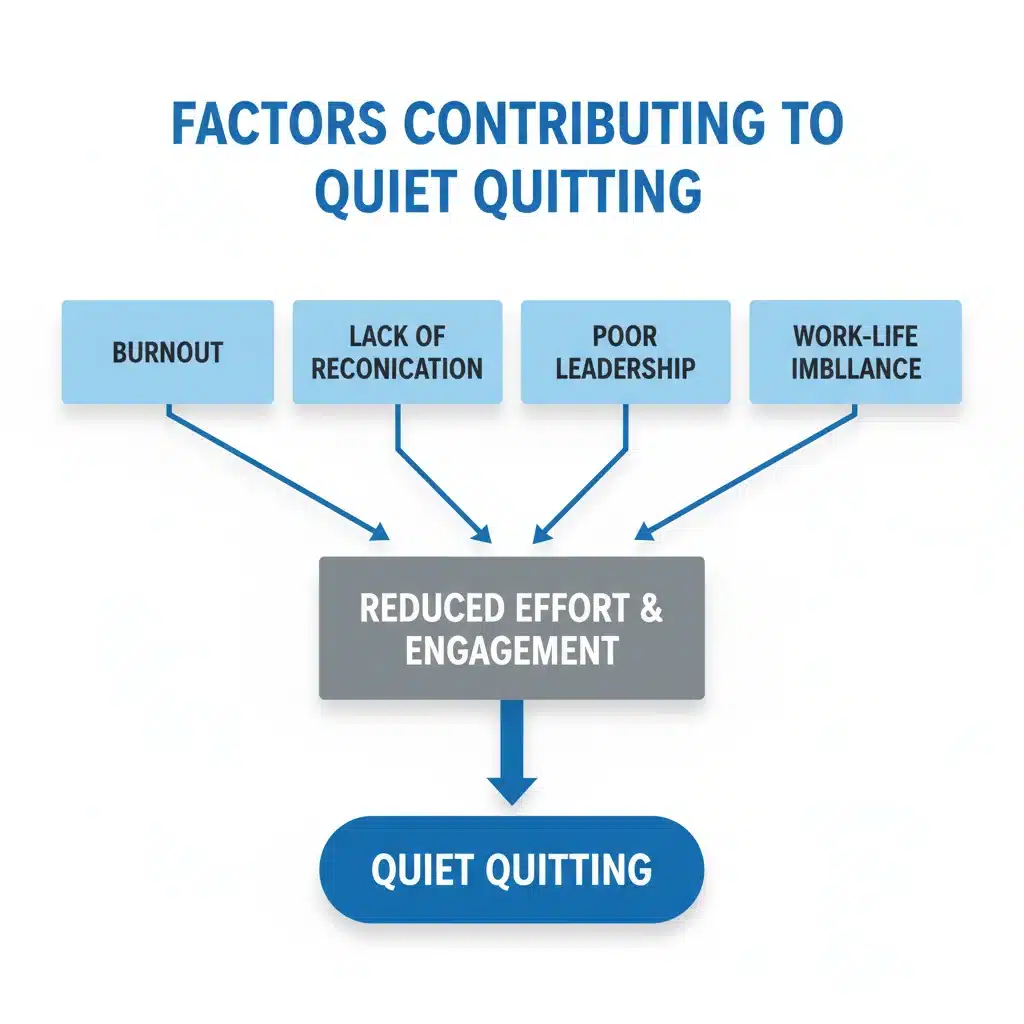
For many employees, quiet quitting is a self-preservation mechanism. It’s a way to reclaim personal time, avoid burnout, and set healthy boundaries in an environment that often expects constant availability and extra effort without commensurate reward or recognition. It reflects a growing disillusionment with hustle culture and a desire for a more sustainable approach to work. Understanding these underlying causes is the first step in formulating effective responses to the quiet quitting outlook.
Current State of Quiet Quitting in American Workplaces
Recent surveys and anecdotal evidence suggest that quiet quitting is a widespread phenomenon. Gallup’s “State of the Global Workplace” report consistently highlights low employee engagement levels globally, with a significant portion of the workforce feeling detached from their jobs. While not all disengaged employees are quiet quitters, the two concepts are closely related. The report indicates that only about one-third of employees in the U.S. are actively engaged, leaving a vast majority either not engaged or actively disengaged. This provides a fertile ground for quiet quitting to thrive.
The impact of quiet quitting is multifaceted. For organizations, it can lead to reduced innovation, slower project completion, decreased customer satisfaction, and ultimately, a hit to the bottom line. It creates a vacuum where initiative and passion once resided, potentially stifling growth and competitiveness. For employees, while it may initially offer a sense of relief and control, it can also lead to a lack of career progression, feelings of stagnation, and a diminished sense of purpose. The current quiet quitting outlook suggests that this trend is not a fleeting fad but a symptom of deeper systemic issues within workplace culture.
The Next 3 Months: Anticipated Trends and Challenges
Looking ahead, the next three months are likely to see several key developments in the quiet quitting landscape. The economic climate will play a significant role. If recession fears intensify, some employees might feel compelled to increase their effort to secure their positions, potentially temporarily curbing the quiet quitting trend. However, if economic conditions remain stable or improve, the push for work-life balance and boundary-setting is likely to continue.
Another factor is the ongoing debate around return-to-office mandates. Companies pushing for full-time office returns without clear justification or flexibility might inadvertently accelerate quiet quitting among employees who value remote work. Conversely, organizations that embrace flexible work models and invest in employee well-being initiatives may see a reversal or at least a mitigation of the trend. The quiet quitting outlook for the immediate future is heavily influenced by these organizational decisions.
Increased Focus on Employee Well-being and Mental Health
Expect to see a heightened emphasis on employee well-being and mental health programs. Companies are increasingly recognizing that burnout and stress are primary drivers of quiet quitting. Initiatives such as mental health days, access to counseling services, and stress management workshops will become more common. The goal is to proactively address the root causes of disengagement rather than just reacting to its symptoms. This proactive approach will be critical in shaping a positive quiet quitting outlook.
The Role of Leadership and Management Training
Effective leadership is paramount in combating quiet quitting. Over the next three months, organizations will likely invest more in training managers to identify signs of disengagement, foster psychological safety, and provide meaningful feedback and recognition. Managers who are equipped to build strong relationships with their teams, communicate expectations clearly, and advocate for their employees are better positioned to inspire engagement and commitment. Poor management is a frequently cited reason for quiet quitting, and addressing this will be a key strategy.
Evolving Compensation and Benefits Strategies
While quiet quitting isn’t solely about pay, compensation and benefits play a crucial role in employee satisfaction and perceived value. In the coming months, companies may review their compensation structures, introduce performance-based incentives that reward extra effort, and enhance benefits packages to include things like expanded parental leave, tuition reimbursement, or professional development opportunities. These tangible expressions of value can significantly influence an employee’s willingness to go the extra mile and improve the overall quiet quitting outlook.
Strategies for Employers: Navigating the Quiet Quitting Outlook
For employers, proactively addressing quiet quitting is essential for long-term success. Ignoring the trend risks losing valuable talent and fostering a culture of apathy. Here are some strategies to consider over the next three months:
1. Foster a Culture of Open Communication and Feedback
Create channels for employees to openly share their concerns, suggestions, and feedback without fear of reprisal. Regular check-ins, anonymous surveys, and skip-level meetings can provide valuable insights into employee sentiment. Actively listening to feedback and demonstrating that it leads to tangible changes can significantly boost trust and engagement. This transparency is vital for understanding and improving the quiet quitting outlook within an organization.
2. Redefine Expectations and Boundaries
Clearly communicate job expectations, responsibilities, and performance metrics. More importantly, encourage healthy work-life boundaries. Leaders should model this behavior by avoiding sending emails late at night or on weekends. Establishing clear boundaries helps prevent burnout and signals to employees that their well-being is valued. This redefinition can transform the quiet quitting outlook from a challenge into an opportunity for healthier work practices.
3. Invest in Employee Development and Growth
Employees are more likely to be engaged when they see a clear path for growth and development within the organization. Provide opportunities for skill development, mentorship, and career advancement. Investing in employees’ futures demonstrates that the company values their contributions and is committed to their long-term success. A positive quiet quitting outlook often correlates with strong internal growth opportunities.
4. Recognize and Reward Contributions
Implement robust recognition programs that acknowledge and reward employees for their efforts and achievements, not just for exceeding expectations but also for consistent, high-quality work within their defined roles. Recognition can come in various forms, from verbal praise to bonuses or promotions. Feeling valued is a powerful antidote to quiet quitting.
5. Promote Work-Life Integration, Not Just Balance
While work-life balance is often discussed, the concept of work-life integration might be more fitting for the modern workforce. This involves creating flexibility that allows employees to seamlessly integrate their personal lives with their professional responsibilities, such as flexible hours, compressed workweeks, or remote work options. The goal is to empower employees to manage their lives effectively, reducing stress and increasing job satisfaction.
Strategies for Employees: Thriving in the Current Climate
Employees also have a role to play in navigating the quiet quitting phenomenon. While setting boundaries is important, it’s equally crucial to ensure personal and professional growth.
1. Clearly Define Your Boundaries
Understand and communicate your boundaries effectively. This involves knowing your job description, your working hours, and what you are willing and unwilling to do. Communicating these boundaries professionally can help manage expectations and prevent overload.
2. Focus on Core Responsibilities and Excellence
While quiet quitting implies doing the bare minimum, it’s important to excel at your core responsibilities. Delivering high-quality work within your defined scope ensures that you remain a valuable asset to the organization and opens doors for future opportunities when you choose to pursue them. This approach can lead to a more positive personal quiet quitting outlook.
3. Seek Opportunities for Growth and Skill Development
Even if you’re not actively seeking promotions, continuously developing your skills makes you more marketable and resilient. Look for internal training programs, external courses, or mentorship opportunities that align with your career goals. Personal growth is independent of organizational expectations.
4. Advocate for Yourself
Don’t wait for your employer to recognize your contributions or address your concerns. Proactively communicate your achievements, express your career aspirations, and constructively raise issues that impact your well-being. Self-advocacy is key to shaping your own professional journey and improving your personal quiet quitting outlook.
5. Build a Strong Professional Network
A robust professional network can provide support, mentorship, and alternative opportunities. Connecting with peers and mentors outside your immediate team or organization can offer fresh perspectives and career guidance, regardless of your current level of engagement.

The Long-Term Impact and Future of Work
The quiet quitting outlook for the next three months will set the stage for its longer-term impact on the American workforce. If left unaddressed, quiet quitting could lead to a significant decline in innovation, a talent drain, and a less competitive economy. However, if employers and employees engage in constructive dialogue and implement thoughtful strategies, it could also be a catalyst for positive change.
This phenomenon is forcing organizations to re-evaluate their fundamental assumptions about work, productivity, and employee value. It highlights the need for more human-centric workplaces where well-being, purpose, and fair compensation are prioritized alongside profit. The future of work will likely be defined by a greater emphasis on flexibility, autonomy, and a clear understanding of mutual expectations between employers and employees.
The conversation around quiet quitting is not just about employees doing less; it’s about a fundamental re-evaluation of the social contract between workers and their employers. It’s about recognizing that constant overdrive is unsustainable and that a balanced approach to work can lead to healthier, more productive, and more loyal employees in the long run. The next three months will be critical in shaping how American workplaces adapt to this evolving reality and define a more sustainable future.
Conclusion
The 3-month quiet quitting outlook for American workplaces suggests a continued focus on employee engagement, well-being, and adaptive leadership. While the trend presents challenges, it also offers a unique opportunity for organizations to build more resilient, empathetic, and ultimately, more successful work environments. By understanding its drivers, implementing proactive strategies, and fostering open communication, both employers and employees can navigate this phenomenon to create a more fulfilling and sustainable future of work. The coming months will undoubtedly test the adaptability of many organizations, but those that embrace change and prioritize their people are most likely to emerge stronger and more engaged.
The key takeaway is that quiet quitting is a symptom, not the disease itself. It signals underlying issues within organizational culture, management practices, and employee support systems. Addressing these root causes through genuine effort and commitment will be far more effective than simply trying to police employee effort. Companies that recognize this and act decisively will be the ones that thrive in the evolving landscape of American employment.
Ultimately, the goal is not to eliminate quiet quitting entirely, but to understand what it communicates about the health of an organization and to foster an environment where employees feel valued enough to contribute their best, not just their minimum. This involves creating a culture where going above and beyond is an option driven by genuine motivation and recognition, rather than an unspoken expectation that leads to burnout and disengagement. The next 90 days are a crucial period for American workplaces to reflect, strategize, and implement changes that will define their success for years to come.