Experience Economy: Why US Consumers Prioritize Experiences Over Possessions
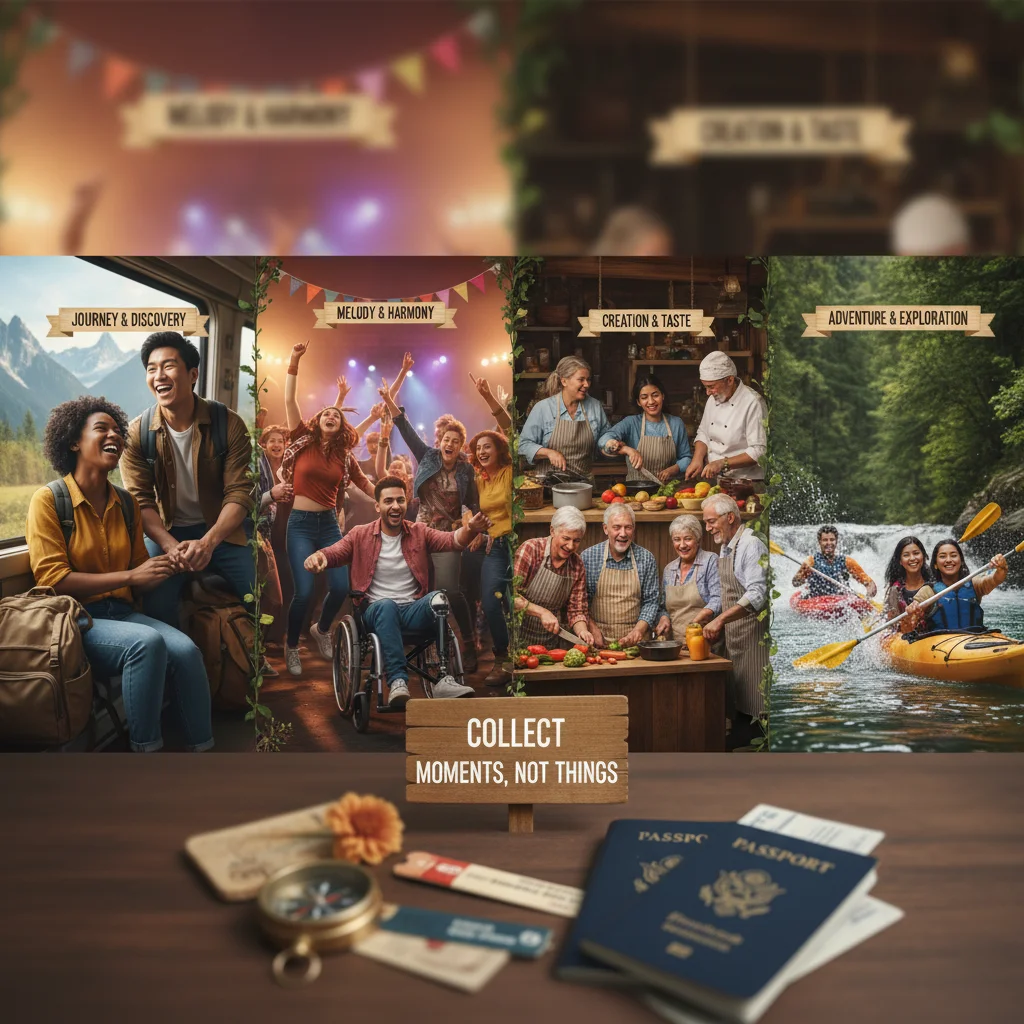
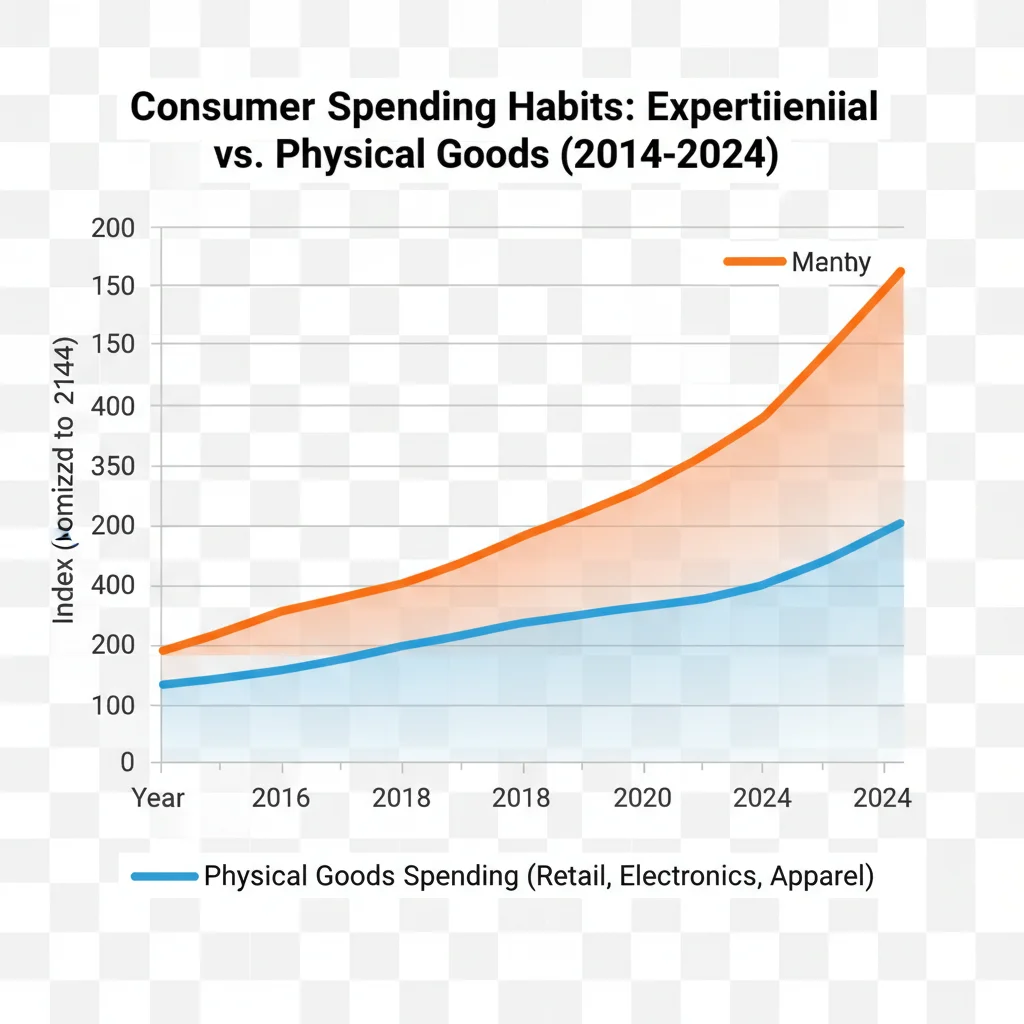
In an era defined by rapid technological advancement and shifting societal values, a profound transformation is reshaping consumer priorities. The experience economy trends are not just a passing fad; they represent a fundamental reorientation of how individuals derive satisfaction and allocate their resources. For decades, the pursuit of material possessions was a primary driver of consumer behavior, with success often measured by the accumulation of goods. However, a growing body of evidence, including compelling data indicating that 70% of US consumers will prioritize experiences over possessions by 2026, suggests a dramatic pivot. This isn’t merely about buying a concert ticket instead of a new gadget; it’s about a deeper desire for connection, personal growth, and memorable moments that transcend the fleeting satisfaction of ownership. Understanding these experience economy trends is no longer optional for businesses; it’s a critical imperative for survival and growth in an increasingly competitive landscape. This comprehensive analysis will delve into the intricacies of this burgeoning economy, exploring its origins, its profound financial implications, and the strategic insights necessary for businesses to thrive within it. We will examine why consumers are making this shift, the psychological underpinnings of valuing experiences, and how companies can adapt their offerings to meet these evolving demands. From the smallest local enterprises to multinational corporations, the call to innovate and deliver exceptional experiences is clear and urgent. The future of commerce is experiential.
The Rise of the Experience Economy: A Paradigm Shift in Consumer Values
The concept of the experience economy was first articulated by B. Joseph Pine II and James H. Gilmore in their seminal 1999 book, ‘The Experience Economy: Work Is Theater & Every Business a Stage.’ They argued that as economies mature, businesses move beyond selling commodities, goods, and services to staging memorable experiences. What was once considered a niche market for luxury travel or entertainment has now permeated almost every sector, from retail and healthcare to education and technology. This shift is not accidental; it’s a confluence of several powerful societal and technological forces that have converged to redefine consumer expectations and aspirations. The proliferation of social media, for instance, has transformed personal experiences into shareable content, elevating their perceived value. A unique travel adventure or an exclusive dining event becomes not just a personal memory but also a social currency, allowing individuals to express their identity and connect with others. This public validation further reinforces the desire for experiences, creating a self-perpetuating cycle.
Furthermore, the younger generations, particularly Millennials and Gen Z, have demonstrated a distinct preference for experiences over material goods. Having grown up in an era of digital abundance and often facing economic uncertainties, these demographics place a higher value on personal growth, authenticity, and moments that create lasting memories. They are less swayed by traditional advertising promoting possessions and more responsive to narratives that promise enrichment, adventure, or social impact. This generational shift is a powerful catalyst for the experience economy trends, as these consumers now represent a significant portion of the global spending power. Their influence is rapidly reshaping market dynamics, compelling businesses to rethink their entire value proposition. The traditional marketing playbook, focused on features and benefits of products, is becoming increasingly ineffective. Instead, companies must now articulate the experiential value of their offerings, demonstrating how they can contribute to a richer, more fulfilling life for their customers. This requires a deeper understanding of consumer psychology and a willingness to move beyond transactional relationships to foster genuine engagement and emotional connection.
Why the Shift? Unpacking Consumer Psychology and Societal Drivers
Understanding the underlying psychological and societal factors driving the experience economy trends is crucial for any business seeking to adapt and thrive. At its core, this shift reflects a fundamental human desire for meaning and fulfillment that material possessions often fail to provide in the long term. While acquiring a new item can offer a temporary dopamine hit, the satisfaction is often fleeting. Experiences, however, tend to foster deeper emotional connections, contribute to personal identity, and create lasting memories that can be revisited and cherished. Research in positive psychology consistently shows that experiential purchases tend to generate more enduring happiness than material purchases. This is partly because experiences are often shared with others, strengthening social bonds – a fundamental human need. The anticipation of an experience, the experience itself, and the subsequent recollection all contribute to a prolonged sense of well-being, unlike the often rapid decline in satisfaction after a material purchase.
Moreover, modern society often grapples with a sense of overwhelm from an abundance of choice and information. In this context, consumers are seeking simplicity, authenticity, and opportunities to disconnect from the digital noise and reconnect with themselves and their surroundings. Experiences offer this escape, providing a refreshing contrast to the constant bombardment of consumerism. The desire for personal growth and self-improvement also plays a significant role. Many experiences, from learning a new skill to embarking on an adventure, offer opportunities for self-discovery and development. This aligns with a broader cultural movement towards mindfulness, well-being, and a more holistic approach to life. The growing awareness of environmental impact further contributes to this trend. As consumers become more conscious of sustainability and the consequences of overconsumption, they may feel less inclined to accumulate physical goods and more drawn to experiences that have a smaller ecological footprint. This ethical dimension adds another layer to the appeal of the experience economy, resonating with values-driven consumers who seek to align their spending with their principles. The convergence of these psychological, social, and ethical factors creates a potent environment where experiences are increasingly seen as the ultimate form of value.
The Financial Impact: Opportunities and Challenges for Businesses
The burgeoning experience economy trends present both immense opportunities and significant challenges for businesses across all sectors. For those agile enough to adapt, the rewards can be substantial, opening up new revenue streams and fostering unparalleled customer loyalty. However, companies that fail to recognize or respond to this shift risk becoming obsolete. The primary opportunity lies in the potential for higher profit margins. Experiences, particularly those that are unique, personalized, or exclusive, often command premium pricing. Unlike manufacturing goods, where costs can be driven down by economies of scale, creating memorable experiences often involves human interaction, creativity, and customization, which consumers are willing to pay more for. Furthermore, experiential offerings can differentiate a brand in a crowded marketplace, allowing businesses to stand out beyond mere product features or price points. A strong experiential brand can cultivate a passionate fan base, leading to word-of-mouth marketing and organic growth that is far more powerful than traditional advertising.
However, the challenges are equally pronounced. The transition from a product-centric to an experience-centric model requires a fundamental rethinking of business operations, organizational culture, and marketing strategies. It necessitates a deep understanding of customer needs and desires, often requiring extensive market research and iterative design processes. Businesses must invest in training employees to deliver exceptional customer service and to act as ‘experience facilitators’ rather than just service providers. This often involves empowering frontline staff and fostering a culture that prioritizes empathy and emotional intelligence. Moreover, the ephemeral nature of experiences means that quality control is paramount. A single negative experience can have a disproportionately damaging impact on a brand’s reputation, especially in the age of instant online reviews and social media amplification. Companies must therefore implement robust feedback mechanisms and be prepared to respond swiftly and effectively to any issues that arise. The financial investment required to design, deliver, and maintain high-quality experiences can also be substantial, from technology infrastructure to staff training and unique venue creation. However, for businesses that strategically navigate these complexities, the experience economy offers a pathway to sustained relevance and profitability. It’s about recognizing that in today’s market, value is increasingly co-created with the customer, and the journey itself is often as important as the destination.
Transforming Industries: Case Studies in Experiential Innovation
The influence of experience economy trends is evident across a multitude of industries, with innovative companies successfully pivoting to meet evolving consumer demands. These case studies provide tangible examples of how businesses are transforming their offerings from transactional to experiential, often with remarkable results. Consider the retail sector, for instance. Faced with the rise of e-commerce, traditional brick-and-mortar stores are no longer viable as mere outlets for goods. Successful retailers are reinventing their spaces as ‘experience hubs’ – places where customers can interact with products in unique ways, attend workshops, or simply enjoy a curated atmosphere. Brands like Apple, with its iconic stores that double as community gathering spots and educational centers, or Lululemon, which offers in-store yoga classes and community events, exemplify this shift. These companies understand that the physical store is now an extension of the brand experience, fostering loyalty and driving engagement beyond the point of purchase. The goal is no longer just to sell a product, but to sell a lifestyle and a sense of belonging.
The food and beverage industry has also been a fertile ground for experiential innovation. Beyond simply serving meals, restaurants are now offering immersive dining experiences, from pop-up kitchens in unusual locations to multi-sensory culinary journeys that engage all five senses. Cooking classes, farm-to-table tours, and personalized chef’s tables are becoming increasingly popular, allowing diners to not just consume food but to participate in its creation and understand its provenance. Similarly, the travel and tourism sector has moved far beyond standardized package tours. Travelers today seek authentic, immersive, and personalized adventures. Companies like Airbnb have capitalized on this desire by offering unique local experiences alongside accommodations, connecting travelers with local culture and activities. Adventure tourism, eco-tourism, and wellness retreats are also booming, reflecting a consumer desire for transformative journeys rather than just sightseeing. Even traditionally utilitarian sectors like banking are exploring experiential elements, creating inviting branch designs that feel more like cafes or co-working spaces, offering financial literacy workshops, and providing personalized advisory services that build trust and long-term relationships. These examples underscore a universal truth: any business, regardless of its industry, can find ways to infuse its offerings with experiential value, creating deeper connections with customers and carving out a distinct competitive advantage in the new experience economy.
Strategies for Success in the Experience Economy
Navigating the complex landscape of the experience economy trends requires a deliberate and strategic approach. Businesses cannot simply tack on ‘experiences’ to their existing models; rather, they must integrate an experiential mindset into their core operations and culture. The following strategies are essential for any organization aiming to thrive in this evolving market.
1. Understand Your Customer Deeply
The foundation of any successful experiential strategy is an intimate understanding of your target audience. This goes beyond basic demographics to delve into psychographics, motivations, pain points, and aspirations. What kind of experiences do they truly value? What problems can an experience solve for them? What emotional resonance are they seeking? Employ tools like customer journey mapping, empathy interviews, and ethnographic research to gain profound insights. Personalization is key; generic experiences rarely resonate. The more you understand individual customer segments, the better you can tailor experiences that feel authentic and relevant to them. This deep dive into customer psychology will inform every subsequent strategic decision, ensuring that the experiences you design are not just novel, but genuinely meaningful.
2. Design for Emotion and Engagement
Experiences are inherently emotional. Therefore, successful experiential design focuses on evoking specific feelings and fostering deep engagement. This means going beyond functional benefits to consider the entire sensory and emotional journey. How does the environment look, sound, smell, and feel? What narrative or story does the experience convey? How can you create moments of surprise and delight? Gamification, interactive elements, and opportunities for co-creation can significantly enhance engagement. Remember that the goal is to create memories, and memories are often tied to strong emotions. Businesses should think like theatrical producers, meticulously staging every touchpoint to deliver a captivating and memorable performance. This requires a multidisciplinary approach, often involving designers, psychologists, and storytellers working in concert.
3. Leverage Technology Thoughtfully
While experiences are often about human connection, technology plays a crucial role in enhancing and enabling them. From virtual reality tours that preview travel destinations to augmented reality apps that enrich museum visits, technology can amplify experiential value. AI-powered personalization engines can recommend bespoke experiences, while seamless digital booking and payment systems reduce friction. However, the key is to use technology thoughtfully, ensuring it serves to enhance the human experience rather than detract from it. Avoid technology for technology’s sake. The best technological integrations are those that are invisible, intuitive, and seamlessly woven into the overall experience, making it more convenient, immersive, or personalized without becoming a barrier.
4. Empower Employees as Experience Facilitators
Your employees are the frontline deliverers of your brand experience. Their enthusiasm, knowledge, and ability to connect with customers on a human level are paramount. Invest heavily in training, not just on product knowledge, but on empathy, problem-solving, and storytelling. Empower them to make decisions that enhance the customer’s experience and provide them with the tools and resources they need to excel. A disengaged or poorly trained employee can quickly undermine even the most meticulously designed experience. Cultivate a company culture that values and rewards exceptional customer service and encourages employees to take ownership of the customer journey. Remember, an authentic and positive employee experience often translates directly into a superior customer experience.
5. Build Community and Connection
Many of the most successful experiences are those that foster a sense of community and belonging. Humans are social creatures, and shared experiences often hold greater value. Consider how your business can create opportunities for customers to connect with each other, with your brand, or with a larger purpose. This could involve hosting events, creating online forums, or supporting causes that resonate with your audience. Brands that successfully build communities around their experiences cultivate a loyal following that transcends mere transactional relationships. This sense of belonging transforms customers into advocates, driving organic growth and strengthening brand equity. The shared narrative and collective memory become powerful assets in the experience economy.
6. Measure and Iterate
Like any business strategy, experiential offerings must be continuously measured and refined. Go beyond traditional metrics like sales volume to track experiential KPIs such as customer satisfaction (CSAT), Net Promoter Score (NPS), customer lifetime value (CLTV), and qualitative feedback. Gather insights from surveys, reviews, social media sentiment, and direct customer interactions. What aspects of the experience are working well? Where are the pain points? What new opportunities are emerging? Use this feedback to iterate and improve your offerings continually. The experience economy is dynamic, and businesses must remain agile, constantly experimenting with new ideas and adapting to evolving consumer preferences. This iterative process ensures that your experiences remain relevant, engaging, and impactful over time.

The Future is Experiential: Preparing for 2026 and Beyond
The projection that 70% of US consumers will prioritize experiences over possessions by 2026 is not a distant future; it’s practically tomorrow. This statistic underscores the urgency for businesses to fundamentally rethink their value propositions and operational models. The momentum behind the experience economy trends is irreversible, propelled by generational shifts, technological advancements, and a collective re-evaluation of what constitutes a fulfilling life. For businesses, this means moving beyond the traditional product-service dichotomy and embracing a holistic approach where every interaction with a customer is an opportunity to create a memorable and meaningful experience. The companies that will thrive are those that can seamlessly integrate storytelling, emotional design, and personalized engagement into every aspect of their brand. They will be the ones that understand that consumers are no longer just buying products or services; they are investing in moments, memories, and personal transformations.
Looking ahead, we can anticipate several key developments within the experience economy. Hyper-personalization, driven by advanced AI and data analytics, will allow businesses to craft bespoke experiences tailored to individual preferences and moods. The integration of virtual and augmented reality will blur the lines between physical and digital experiences, opening up new frontiers for immersive engagement. Sustainability and ethical considerations will become even more central, with consumers seeking experiences that align with their values and contribute positively to the world. Furthermore, the concept of ‘wellness experiences’ will continue to expand, encompassing everything from mental health retreats to digital detox programs. The competitive landscape will intensify, with businesses constantly striving to out-innovate each other in the realm of experiential offerings. The future belongs to those who can master the art and science of experience creation, fostering deep emotional connections and delivering unparalleled value that resonates with the evolving aspirations of consumers. The time to invest in understanding and shaping these experience economy trends is now, ensuring not just survival, but leadership in the markets of tomorrow.
Embracing the Experiential Imperative
In conclusion, the experience economy trends represent much more than a shift in consumer spending habits; they signify a profound cultural and economic transformation. The data is clear: consumers are increasingly valuing memorable moments and personal growth over the accumulation of material goods. This reorientation presents an unparalleled opportunity for businesses willing to innovate and adapt. By deeply understanding customer psychology, designing for emotion and engagement, leveraging technology thoughtfully, empowering employees, building community, and continuously iterating, companies can not only survive but truly flourish in this new paradigm. The future of commerce is not about what you sell, but the experience you provide. Businesses that embrace this experiential imperative will build stronger brands, foster deeper customer loyalty, and unlock new avenues for growth and profitability in the years to come. The journey towards an experience-first future is already underway, and the time for every business to get on board is definitively now.