Maximize Savings: 2026 Home Improvement Tax Credits Deadline Nears

Time-Sensitive: Last Chance for 2026 Tax Credits: 3 Home Improvement Projects That Qualify Before December
The calendar pages are turning rapidly, and with each passing day, we draw closer to a critical deadline that could significantly impact your finances and the value of your home. We’re talking about the looming December cut-off for securing valuable 2026 tax credits related to specific home improvement projects. If you’ve been contemplating upgrades to your residence, now is not just a good time, it’s a financially imperative time to act.
Many homeowners are unaware of the substantial benefits available through various federal tax credit programs designed to encourage energy efficiency, renewable energy adoption, and overall home resilience. These aren’t just minor deductions; they can translate into thousands of dollars back in your pocket, effectively reducing the net cost of your home improvements. However, these programs often come with expiration dates and strict eligibility criteria, making timely action crucial. Our focus today is on three particular home improvement projects that stand out for their eligibility for 2026 tax credits, and why you need to get them done before the end of the year.
Understanding the intricacies of tax credits can be daunting. The IRS guidelines can seem like a labyrinth of forms and regulations. But fear not, we’re here to demystify the process and highlight the most impactful opportunities. By focusing on these three projects, you can make informed decisions that not only enhance your living space but also provide a significant financial return through the available 2026 tax credits.
The Urgency of the December Deadline for 2026 Tax Credits
Why is December such a critical month for these home improvement tax credits? Many federal tax credit programs, while offering benefits for the current tax year, often require that the qualifying equipment be installed and operational by December 31st of that year. This means that even if you plan to file your taxes in early 2027, the physical work and expenditures must be completed before the close of 2026 to claim the associated 2026 tax credits. Delaying these projects into the new year could mean missing out entirely on these valuable incentives.
The push for energy efficiency and clean energy has led to a number of legislative initiatives, such as the Inflation Reduction Act (IRA), which significantly expanded and extended many of these tax credits. These programs are designed to incentivize homeowners to invest in upgrades that reduce their carbon footprint, lower energy bills, and contribute to a more sustainable future. The government recognizes that the upfront cost of these improvements can be a barrier, and tax credits are a powerful tool to offset that initial investment.
Moreover, the availability of these credits can sometimes be subject to aggregate limits over several years, or even have specific phase-out schedules. While many of the current programs are robust, the landscape of tax legislation can change. Seizing the opportunity now ensures you take advantage of the most favorable terms. Don’t let procrastination cost you thousands of dollars. Let’s delve into the specific projects that offer the most compelling reasons to act before December, especially concerning the highly sought-after 2026 tax credits.
Project 1: High-Efficiency Heat Pumps – A Smart Investment for 2026 Tax Credits
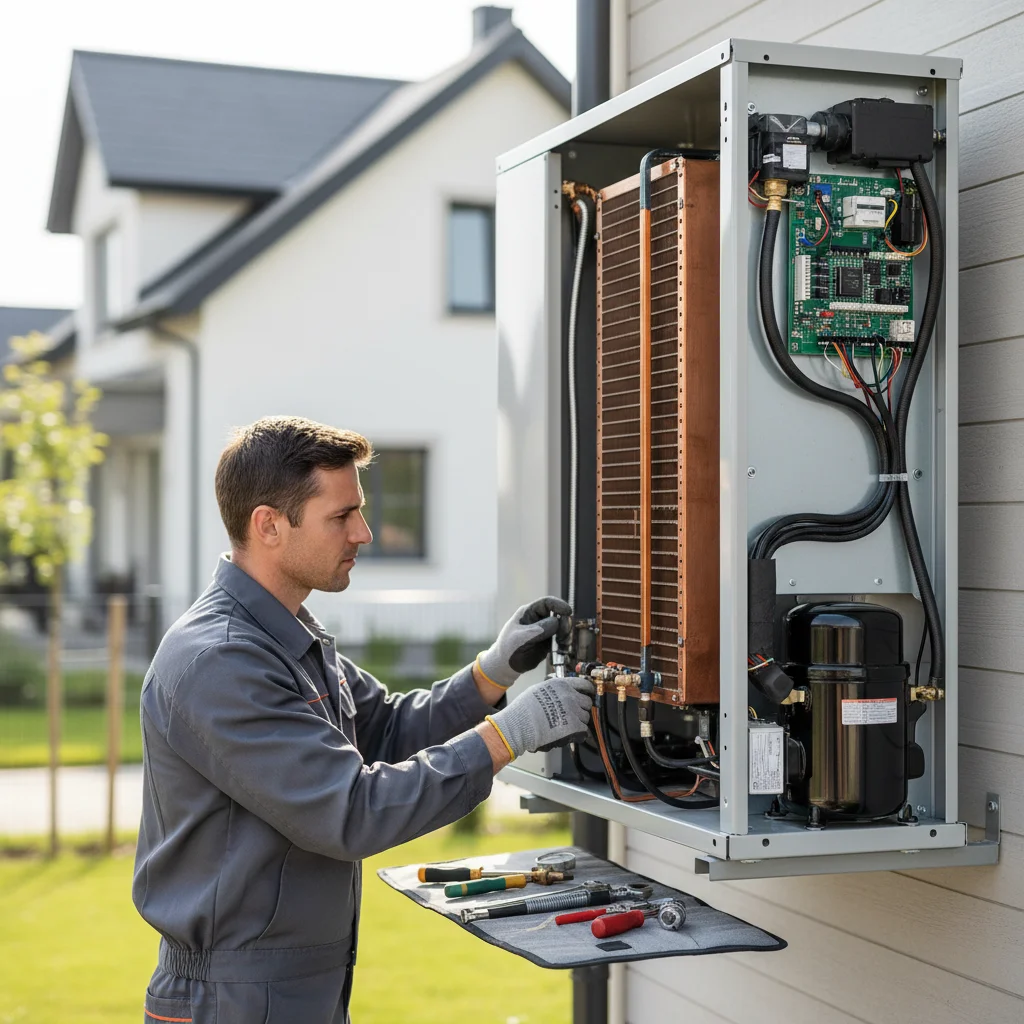
One of the most impactful home improvements you can undertake, both for your comfort and your wallet, is upgrading to a high-efficiency heat pump system. Heat pumps are incredibly versatile, providing both heating and cooling for your home, and are significantly more energy-efficient than traditional HVAC systems. They work by transferring heat rather than generating it, which requires less electricity and results in lower utility bills.
What Qualifies for 2026 Tax Credits?
Under the current tax laws, specifically the Energy Efficient Home Improvement Credit (Section 25C), homeowners can claim a credit for installing qualified energy-efficient property, including certain heat pumps. The credit is generally 30% of the cost, up to a maximum of $2,000 for qualified heat pumps and heat pump water heaters. It’s crucial that the heat pump meets specific energy efficiency standards set by the IRS, which typically align with ENERGY STAR certifications. This makes heat pump installations a prime candidate for utilizing 2026 tax credits.
Why Act Before December?
Installing a heat pump is an involved process that requires professional assessment, sizing, and installation. Supply chain issues, scheduling conflicts with qualified contractors, and the sheer complexity of the project mean that getting a new heat pump installed often takes time. If you wait until late in the year, you risk not having the installation completed by December 31st, thereby losing your eligibility for the 2026 tax credits. Starting the process now allows ample time for consultations, ordering equipment, and scheduling the installation with a reputable HVAC company.
Benefits Beyond Tax Credits
- Lower Energy Bills: Heat pumps can significantly reduce your monthly heating and cooling costs, providing long-term savings.
- Reduced Carbon Footprint: By using electricity more efficiently and often pairing well with renewable energy sources, heat pumps help reduce greenhouse gas emissions.
- Increased Home Comfort: Modern heat pumps offer precise temperature control and can improve indoor air quality.
- Increased Home Value: Energy-efficient upgrades are highly attractive to potential buyers, increasing your home’s market value.
To ensure you qualify for the 2026 tax credits, always request documentation from your installer verifying that the heat pump model meets the federal energy efficiency standards. Keep all receipts and certifications for your tax records.
Project 2: Solar Panel Installation – Harnessing the Sun for 2026 Tax Credits
Embracing solar energy is perhaps one of the most significant steps a homeowner can take towards energy independence and reducing long-term utility expenses. The upfront cost of solar panel installation can be substantial, but federal tax credits make this investment far more accessible and attractive. This is a critical area for anyone looking to capitalize on 2026 tax credits.
What Qualifies for 2026 Tax Credits?
The Residential Clean Energy Credit (formerly known as the Investment Tax Credit, or ITC) allows homeowners to claim a credit for 30% of the cost of new, qualified clean energy property for their home. This includes solar electric property (solar panels), solar water heating property, small wind energy property, and geothermal heat pump property. There is no credit limit for most of these technologies, making solar a particularly lucrative option for 2026 tax credits. The 30% credit is available for systems placed in service through 2032, after which it begins to phase down.
Why Act Before December?
Solar panel installation is a complex project that involves several stages: initial consultation, site assessment, system design, permitting, equipment procurement, and finally, installation and grid connection. The permitting process alone can take weeks or even months, depending on your local municipality. Combine this with potential delays in equipment delivery and the busy schedules of reputable solar installers, and it becomes clear that starting this process early in the year is paramount.
To ensure your solar system is ‘placed in service’ by December 31st for the 2026 tax credits, you need to initiate the process well in advance. "Placed in service" generally means that the system is installed and ready to generate electricity, even if the final utility interconnection approval is pending. However, it’s always best practice to aim for full operational status by the deadline.
Benefits Beyond Tax Credits
- Significant Electricity Bill Savings: Generate your own power and drastically reduce or even eliminate your monthly electricity bills.
- Increased Home Value: Homes with solar panels often sell faster and at a higher price.
- Environmental Impact: Reduce your reliance on fossil fuels and contribute to a cleaner planet.
- Energy Independence: Less susceptible to rising energy costs and power outages.
When considering solar, get multiple quotes from certified installers and ensure they provide clear documentation regarding the system’s eligibility for the federal 2026 tax credits. Understanding local incentives, such as net metering or state-specific rebates, can further enhance your financial returns.
Project 3: Energy-Efficient Windows and Doors – Sealing in the Savings for 2026 Tax Credits
While perhaps less glamorous than solar panels or heat pumps, upgrading your windows and doors can have a profound impact on your home’s energy efficiency and comfort. Old, drafty windows and poorly insulated doors are major culprits for heat loss in winter and heat gain in summer, leading to higher energy bills. Replacing them with energy-efficient models is a smart move to leverage 2026 tax credits.
What Qualifies for 2026 Tax Credits?
The Energy Efficient Home Improvement Credit (Section 25C) also extends to qualified energy-efficient exterior windows, skylights, and exterior doors. For windows and skylights, the credit is 30% of the cost, up to an annual maximum of $600. For exterior doors, it’s also 30% of the cost, up to $250 per door, with an aggregate annual limit of $500 for all exterior doors. It’s important to note that there is a combined annual limit of $1,200 for all home energy property improvements under Section 25C (excluding heat pumps and biomass stoves/boilers, which have their own limits). This means that while the individual limits are lower, these improvements contribute to a broader pool of eligible expenses for 2026 tax credits.
To qualify, windows, skylights, and doors must meet specific ENERGY STAR requirements. For windows and skylights, they must meet ENERGY STAR most efficient certification. For exterior doors, they must meet applicable ENERGY STAR requirements. Always check the current IRS guidelines or consult a tax professional for the most up-to-date criteria.
Why Act Before December?
Like other significant home improvements, replacing windows and doors requires careful planning. Measuring, ordering custom sizes, and scheduling professional installation all take time. Manufacturers can experience backlogs, especially for popular energy-efficient models. Furthermore, professional installers are often booked months in advance, particularly as the end of the year approaches and homeowners rush to complete projects for tax purposes. If you want to ensure your new windows and doors are installed and paid for by December 31st to claim the 2026 tax credits, you should start the process now.
Benefits Beyond Tax Credits
- Reduced Energy Bills: Significantly cut down on heating and cooling costs by preventing drafts and improving insulation.
- Enhanced Comfort: Maintain more consistent indoor temperatures and reduce hot or cold spots.
- Noise Reduction: Modern windows and doors often offer better sound insulation, creating a quieter indoor environment.
- Increased Home Value and Curb Appeal: New windows and doors can dramatically improve your home’s aesthetics and market value.
- UV Protection: Many energy-efficient windows block harmful UV rays, protecting your furniture and flooring from fading.
Ensure that the products you choose come with the necessary ENERGY STAR certifications and that your installer provides documentation detailing the efficiency ratings. This paperwork will be crucial when you file for your 2026 tax credits.

Understanding the General Rules for 2026 Tax Credits
While we’ve focused on three specific projects, it’s important to grasp the overarching rules that apply to most home improvement tax credits. Navigating these guidelines correctly is key to successfully claiming your 2026 tax credits.
Eligibility for Homeowners
Generally, these tax credits are available to homeowners for improvements made to their primary residence. In some cases, a credit may apply to a second home, but it’s less common for the ones discussed here. Renters or landlords (for rental properties) typically do not qualify for these specific homeowner credits, though there might be other commercial or rental property incentives available.
New vs. Existing Homes
The credits primarily target existing homes. For instance, the Energy Efficient Home Improvement Credit (Section 25C) explicitly states it’s for an "existing home" and not for new construction. However, the Residential Clean Energy Credit (for solar, etc.) can apply to both existing homes and new constructions, provided the system is installed on a dwelling unit located in the United States that is used as a residence by the taxpayer.
Combined Limits and Annual Caps
As mentioned, some credits have annual aggregate limits. For example, the Energy Efficient Home Improvement Credit has an overall annual limit of $1,200 for most energy property, with specific higher limits for heat pumps, biomass stoves, and home energy audits. The Residential Clean Energy Credit (for solar) generally has no credit limit, making it extremely attractive for substantial investments. It’s vital to track your expenses and understand these caps when planning multiple projects to maximize your 2026 tax credits.
Documentation is Key
The IRS requires proper documentation to support any tax credit claims. This means keeping meticulous records of:
- Receipts and invoices for all qualifying materials and labor.
- Manufacturer’s certifications that the products meet the required energy efficiency standards (e.g., ENERGY STAR ratings).
- Proof of installation date.
- Any permits or inspections related to the work.
Without this documentation, you may be unable to claim your 2026 tax credits if audited. It’s always better to be over-prepared.
Consult a Tax Professional
While this article provides a comprehensive overview, tax laws are complex and can change. We strongly recommend consulting with a qualified tax professional or financial advisor to discuss your specific situation. They can provide personalized advice, help you understand the latest regulations, and ensure you correctly claim all eligible 2026 tax credits. This is especially important for larger projects or if you have a unique tax situation.
Planning Your Projects to Maximize 2026 Tax Credits
Successful utilization of these tax credits requires proactive planning. Here’s a quick checklist to help you stay on track:
- Assess Your Needs: Identify which of these projects would most benefit your home’s energy efficiency and comfort.
- Research Qualified Products: Look for products that explicitly state they meet federal tax credit eligibility requirements and ENERGY STAR certifications.
- Get Multiple Quotes: Contact several reputable contractors for each project. Ensure they are licensed, insured, and experienced in installing energy-efficient systems. Ask them about the tax credit eligibility of the products they recommend.
- Understand Timelines: Discuss project timelines with your contractors. Emphasize the December 31st deadline for completion to claim your 2026 tax credits. Build in buffer time for unexpected delays.
- Budget Accordingly: While tax credits offer significant savings, you’ll still need to cover the upfront costs. Explore financing options if necessary.
- Document Everything: Keep all invoices, receipts, product certifications, and contracts in a dedicated folder.
- Consult a Tax Professional: Before and after completing the projects, speak with a tax advisor to confirm eligibility and understand the filing process for your 2026 tax credits.
Remember, the goal is not just to improve your home but to do so in a financially intelligent way. The 2026 tax credits are a powerful incentive, but they are time-sensitive. Missing the December deadline means missing out on significant savings that could make these valuable home improvements even more affordable.
The Long-Term Value of Energy-Efficient Upgrades
Beyond the immediate financial relief provided by the 2026 tax credits, investing in energy-efficient home improvements offers a wealth of long-term benefits. These upgrades are not merely expenses; they are investments that pay dividends in multiple ways:
- Reduced Operating Costs: Lower monthly utility bills are a perpetual benefit, freeing up household income for other priorities.
- Enhanced Property Value: Homes with modern, energy-efficient features are highly desirable in the real estate market. Buyers are increasingly willing to pay a premium for homes that offer lower running costs and a smaller environmental footprint.
- Improved Comfort and Quality of Life: A well-insulated home with efficient heating and cooling systems provides a more consistent, comfortable indoor environment year-round. This can lead to better sleep, fewer allergy issues (with improved air filtration), and overall enhanced well-being.
- Environmental Stewardship: By reducing your home’s energy consumption and reliance on fossil fuels, you are actively contributing to a healthier planet. This sense of environmental responsibility is increasingly important to many homeowners.
- Increased Home Resilience: Modern systems and materials are often more durable and capable of withstanding extreme weather conditions, making your home more resilient.
The combination of immediate savings through 2026 tax credits and these long-term advantages makes a compelling case for acting now. Don’t view these projects as just another item on your to-do list; see them as a strategic move to future-proof your home and financial health.
Final Call to Action: Don’t Miss Out on 2026 Tax Credits!
The window of opportunity to claim significant 2026 tax credits for your home improvements is closing. With December rapidly approaching, now is the time to finalize your plans, engage with contractors, and initiate these projects. Whether it’s upgrading to a high-efficiency heat pump, installing solar panels, or replacing old windows and doors, each of these improvements offers substantial financial incentives and long-term benefits.
Remember to:
- Verify product eligibility and energy efficiency standards.
- Secure qualified and reliable contractors.
- Ensure all work is completed by December 31st, 2026.
- Maintain meticulous records for tax purposes.
- Consult with a tax professional for personalized guidance.
Don’t let this opportunity slip away. Take control of your home’s energy future and your finances by acting decisively. The savings from these 2026 tax credits, combined with reduced energy bills and increased home value, represent an investment that will continue to pay off for years to come. Start planning today to ensure you don’t miss out!