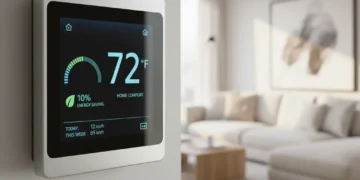
Smart Home Devices: Save Up to $500 on Utilities by 2026
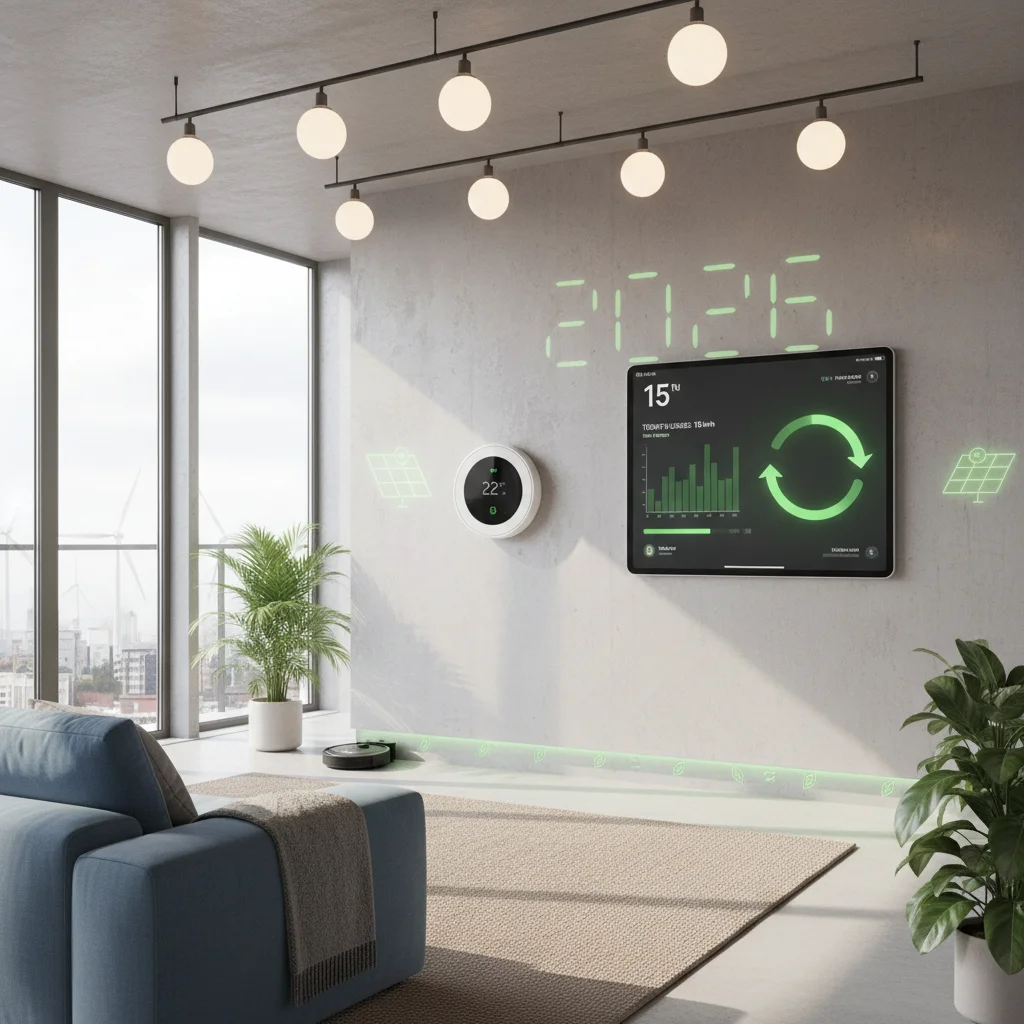
The Financial Impact: How Smart Home Devices Can Save You Up to $500 Annually on Utilities in 2026
In an era where every penny counts and environmental consciousness is at an all-time high, the concept of a ‘smart home’ has evolved beyond mere convenience. It’s now a powerful tool for financial prudence and ecological responsibility. By 2026, the integration of smart home devices into our daily lives is projected to offer substantial smart home savings, with the potential to reduce household utility bills by up to $500 annually. This isn’t just a futuristic fantasy; it’s a tangible reality that homeowners are increasingly embracing. This comprehensive guide will delve into the mechanisms behind these savings, explore the key smart home technologies driving this change, and provide actionable insights for maximizing your financial returns.
The allure of smart home technology lies in its ability to automate, optimize, and provide granular control over various aspects of your living environment. From heating and cooling to lighting and water consumption, these devices are engineered to minimize waste and maximize efficiency. The cumulative effect of these small, intelligent adjustments translates into significant financial benefits over time. Understanding how these devices work in concert to achieve such impressive utility bill reduction is the first step towards transforming your home into a beacon of efficiency and savings.
The Core Principle: Automation Meets Optimization for Smart Home Savings
At the heart of smart home utility savings is the principle of automation combined with optimization. Traditional homes often suffer from inefficiencies due to human oversight or lack of precise control. For instance, leaving lights on in an empty room, over-air conditioning an unoccupied house, or running appliances at peak energy times are common culprits of inflated utility bills. Smart home devices address these issues head-on, offering solutions that are both intelligent and intuitive.
Understanding Energy Consumption Patterns
One of the most valuable contributions of smart home technology is its ability to provide detailed insights into your energy consumption patterns. Many smart devices come equipped with sensors and software that track energy usage in real-time. This data is then presented to the homeowner through user-friendly apps, allowing for informed decisions about energy management. For example, a smart plug can tell you exactly how much electricity your entertainment system consumes even when it’s on standby, revealing ‘vampire load’ culprits that silently drain power and money. This newfound transparency empowers homeowners to identify areas of waste and implement targeted strategies for energy efficiency, ultimately leading to substantial smart home savings.
Automated Adjustments for Optimal Performance
Beyond mere monitoring, smart devices excel at making automated adjustments to optimize energy usage. This could mean a smart thermostat learning your schedule and adjusting temperatures accordingly, or smart lighting turning off automatically when a room is vacant. These proactive measures ensure that energy is only consumed when and where it’s truly needed, eliminating wasteful habits without requiring constant manual intervention. The convenience factor here is huge; you set it once, and the system takes care of the rest, continuously working to maximize your smart home savings.
Key Smart Home Devices Driving Utility Bill Reduction
Let’s explore the specific categories of smart home devices that are instrumental in achieving those coveted utility savings. Each category offers unique benefits and contributes significantly to the overall goal of a more efficient and cost-effective home.
1. Smart Thermostats: The HVAC Overlords
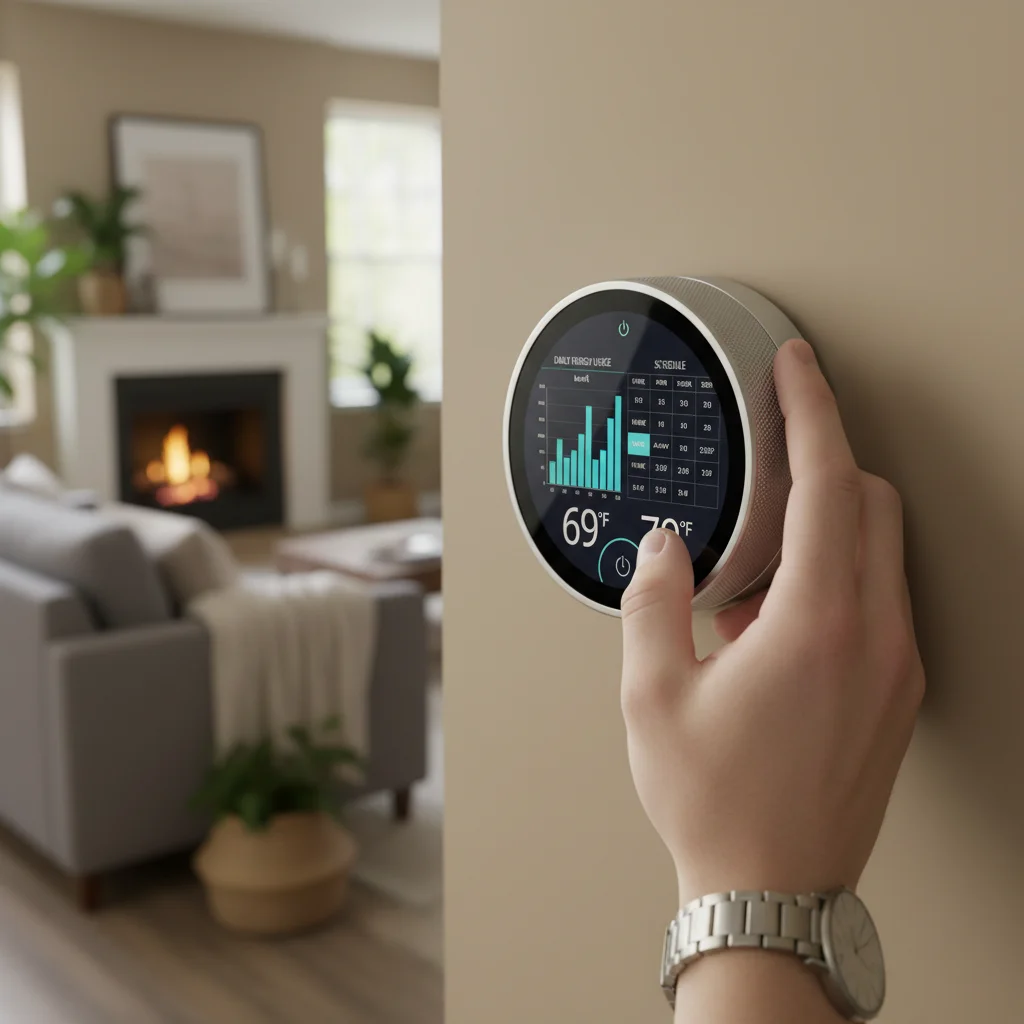
Perhaps the most impactful smart home device for utility savings is the smart thermostat. Heating and cooling typically account for the largest portion of a household’s energy bill. Traditional thermostats offer limited control, often leading to energy waste. Smart thermostats, however, are a game-changer.
How Smart Thermostats Save Money:
- Learning Capabilities: Many smart thermostats learn your daily routines and temperature preferences, automatically adjusting the HVAC system to match your lifestyle. This means your home is warm when you wake up and cool when you return from work, but not wasting energy by maintaining those temperatures when you’re away.
- Remote Control: Forgot to turn down the heat before leaving for vacation? No problem. With a smart thermostat, you can adjust your home’s temperature from anywhere in the world using your smartphone. This prevents unnecessary energy consumption for prolonged periods.
- Zoning Control: For homes with multiple zones, smart thermostats can manage each zone independently, ensuring that only occupied areas are heated or cooled to comfortable levels.
- Geofencing: Some models use your smartphone’s location to detect when you’re leaving or approaching home, automatically adjusting the temperature to save energy when you’re out and ensuring comfort upon your return.
- Energy Reports: Smart thermostats often provide detailed energy usage reports, helping you understand your consumption patterns and identify opportunities for further smart home savings.
The cumulative effect of these features can lead to significant reductions in your heating and cooling costs, often ranging from 10% to 15% or more, directly contributing to your annual $500 target in smart home savings.
2. Smart Lighting: Illuminating Savings
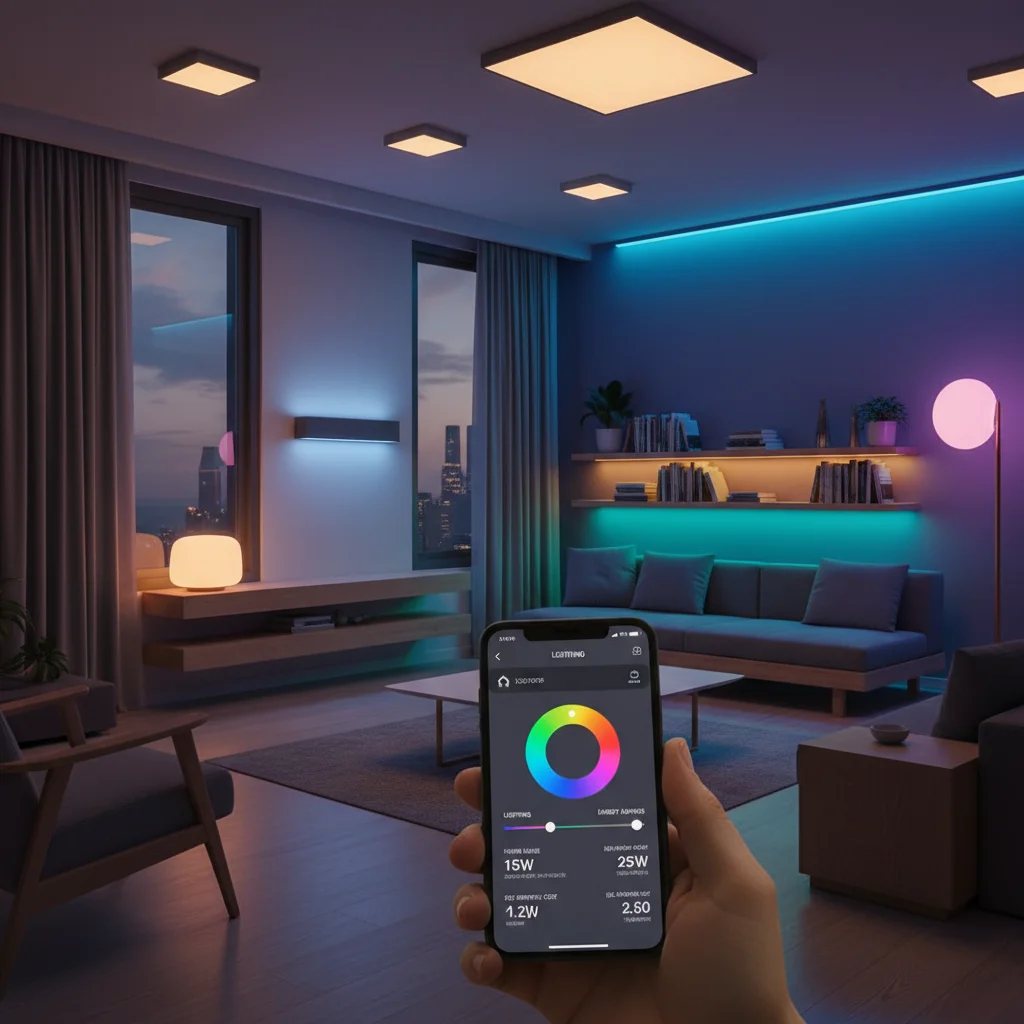
Lighting is another area where substantial smart home savings can be achieved. Traditional incandescent bulbs are notorious energy hogs, and even CFLs aren’t as efficient as their smart counterparts. Smart LED lighting offers a plethora of features designed to minimize electricity consumption.
How Smart Lighting Reduces Bills:
- LED Efficiency: Smart bulbs are almost exclusively LED (Light Emitting Diode) technology, which consumes significantly less energy than incandescent or even CFL bulbs.
- Occupancy Sensors: Integrated motion or occupancy sensors can automatically turn lights on when someone enters a room and off when it’s empty, eliminating the common problem of forgotten lights.
- Scheduling: You can set schedules for your lights to turn on and off at specific times, ensuring they’re only active when needed. This is particularly useful for exterior security lighting.
- Dimming Capabilities: Dimming lights reduces energy consumption. Smart lights offer easy dimming control, allowing you to set the appropriate brightness for any situation, saving energy in the process.
- Daylight Harvesting: Some advanced systems can detect natural light levels and adjust artificial lighting accordingly, ensuring your home is always optimally lit without over-illuminating.
By switching to smart LED lighting and utilizing its intelligent features, households can expect to see a noticeable decrease in their electricity bills, contributing another layer to overall smart home savings.
3. Smart Plugs: Tackling Phantom Power
Phantom power, or ‘vampire load,’ refers to the electricity consumed by electronics when they are turned off but still plugged in. This seemingly small drain can add up to a surprising amount over time. Smart plugs are an inexpensive and effective solution.
How Smart Plugs Boost Savings:
- Remote On/Off: You can remotely turn off appliances completely from your smartphone, ensuring they draw no power when not in use.
- Scheduling: Set schedules for appliances to power on and off. For example, you can schedule your coffee maker to turn on just before you wake up and turn off after you leave for work.
- Energy Monitoring: Many smart plugs come with built-in energy monitoring, allowing you to see exactly how much power each connected device is consuming. This awareness helps you identify and eliminate energy waste, enhancing your smart home savings.
Smart plugs are a low-cost, high-impact addition to any smart home, quickly paying for themselves through reduced phantom load and better appliance management.
4. Smart Water Leak Detectors & Controllers: Conserving a Precious Resource
While often overlooked in discussions of energy savings, water consumption can significantly impact utility bills. Leaks, in particular, can lead to astronomical costs if left undetected. Smart water devices offer proactive solutions.
How Smart Water Devices Save Money:
- Leak Detection: Sensors placed near water sources (sinks, toilets, water heaters) can detect leaks early, sending alerts to your phone before minor drips turn into major floods and costly repairs.
- Automatic Shut-off: Some advanced systems can automatically shut off the main water supply upon detecting a significant leak, preventing water damage and excessive water bills.
- Usage Monitoring: Smart water meters can track your household’s water consumption, providing insights into peak usage times and helping you identify areas for conservation.
Preventing water damage and reducing unnecessary water usage directly translates to substantial smart home savings on your water bill and potential insurance claims.
5. Smart Blinds and Shades: Harnessing Natural Energy
The sun is a powerful source of both light and heat, and smart blinds can help you leverage it to your advantage, or mitigate its effects when needed.
How Smart Blinds Contribute to Savings:
- Optimized Natural Lighting: By automatically adjusting throughout the day, smart blinds can maximize natural light, reducing the need for artificial lighting and saving electricity.
- Temperature Regulation: In summer, they can close during the hottest parts of the day to block solar heat gain, reducing AC usage. In winter, they can open to let in sunlight for passive heating, lessening the load on your furnace.
- Scheduling: Set schedules for your blinds to open and close based on time of day or even sunrise/sunset times, ensuring optimal energy management without manual effort.
Integrating smart blinds into your home automation system can significantly impact your heating and cooling costs, further boosting your overall smart home savings.
Calculating Your Potential $500 Smart Home Savings by 2026
The $500 annual savings target by 2026 is an achievable goal for many households. Let’s break down how these savings can accumulate across different utility categories:
- Heating & Cooling (Smart Thermostats): A 10-15% reduction on an average annual HVAC bill of $1,000-$1,500 can yield savings of $100-$225.
- Lighting (Smart LEDs): Replacing traditional bulbs and using smart controls can save 75-90% on lighting costs. If your annual lighting bill is $150-$250, this could mean savings of $110-$225.
- Phantom Power (Smart Plugs): Eliminating vampire loads can save an average of $100-$200 annually. With smart plugs, you could realistically save $50-$150.
- Water (Smart Leak Detectors/Controllers): Preventing even one major leak can save hundreds or even thousands in water bills and damage repair. Consistent monitoring and conservation efforts could save $20-$100 annually on water usage.
- Other (Smart Blinds, Appliances, etc.): Additional devices and optimized usage can contribute another $20-$100 or more.
Aggregating these potential savings: $100 (HVAC) + $110 (Lighting) + $50 (Phantom) + $20 (Water) + $20 (Other) = $300 at the low end. At the higher end: $225 (HVAC) + $225 (Lighting) + $150 (Phantom) + $100 (Water) + $100 (Other) = $800. The $500 figure represents a very realistic and attainable mid-range estimate for many households, especially as technology advances and becomes even more efficient by 2026. These significant smart home savings are a testament to the power of intelligent automation.
Getting Started with Smart Home Savings: A Step-by-Step Guide
Embarking on your smart home journey doesn’t have to be overwhelming. Here’s a practical approach to integrating smart devices and maximizing your smart home savings:
1. Assess Your Current Consumption
Before you buy any devices, get a clear picture of your current utility bills. Identify which utilities are your biggest expenses (electricity, gas, water). This will help you prioritize which smart devices will offer the most significant return on investment in terms of smart home savings.
2. Start Small, Think Big
You don’t need to automate your entire home overnight. Begin with one or two high-impact devices. A smart thermostat is often a great starting point due to its direct influence on HVAC costs. Smart lighting in high-use areas is another excellent choice. As you become comfortable with the technology and see the initial savings, you can gradually expand your smart home ecosystem.
3. Choose Compatible Devices
When selecting devices, consider their compatibility. Many smart home platforms (like Amazon Alexa, Google Home, Apple HomeKit) offer seamless integration. Choosing devices that work within the same ecosystem can simplify setup and management, ensuring all your smart devices contribute effectively to your smart home savings goals.
4. Leverage Energy Monitoring Features
Actively use the energy monitoring features provided by your smart devices. Reviewing reports and understanding your usage patterns is crucial for continuous optimization. The data empowers you to make smarter decisions about how and when you consume energy.
5. Set Schedules and Automations
Once your devices are installed, take the time to set up schedules and automations. This is where the magic of passive savings truly happens. Let your smart home work for you, adjusting temperatures, turning off lights, and managing appliances without constant manual input. These automations are key to unlocking consistent smart home savings.
6. Regularly Review and Optimize
Your lifestyle and energy needs may change. Periodically review your smart home settings and utility bills. Are there new opportunities for savings? Are your schedules still optimized? A little regular review can ensure you’re always getting the most out of your smart home technology and maximizing your smart home savings.
The Environmental Benefits of Smart Home Technology
Beyond the impressive financial smart home savings, integrating these technologies into your home offers significant environmental advantages. Reduced energy consumption means a smaller carbon footprint. By using less electricity generated from fossil fuels, and by conserving water, you are directly contributing to a healthier planet. Smart homes are not just about personal economy; they are about collective ecological responsibility. This dual benefit makes the investment in smart home devices even more compelling.
Challenges and Considerations
While the benefits are clear, it’s also important to consider potential challenges:
- Initial Investment: Smart home devices require an upfront cost. However, as demonstrated, the return on investment through utility savings can be substantial over time.
- Complexity: Some users might find the initial setup and configuration daunting. However, most modern smart home devices are designed for user-friendliness, and many resources are available for assistance.
- Security and Privacy: As with any connected technology, security and privacy are concerns. Choose reputable brands and ensure your home network is secure.
- Compatibility Issues: As mentioned, ensure devices are compatible with each other and your chosen smart home ecosystem to avoid frustration.
Addressing these considerations proactively will ensure a smoother transition to a smart, energy-efficient home and help you realize the full potential of your smart home savings.
The Future of Smart Home Savings Beyond 2026
The trajectory of smart home technology suggests that the savings potential will only continue to grow beyond 2026. Advances in artificial intelligence, machine learning, and sensor technology will lead to even more sophisticated and autonomous energy management systems. Imagine homes that can predict weather patterns to optimize heating/cooling even further, or appliances that communicate with the energy grid to run during off-peak hours automatically. The integration with renewable energy sources, such as solar panels and home battery storage, will also become more seamless, allowing homeowners to manage their own energy production and consumption with unprecedented efficiency. These future innovations promise even greater smart home savings and a truly sustainable living environment.
Conclusion: A Smarter Home, A Fatter Wallet
The evidence is clear: smart home devices are no longer luxury gadgets but essential tools for modern, cost-conscious, and environmentally aware homeowners. By strategically integrating technologies like smart thermostats, lighting, plugs, and water management systems, you can realistically expect to achieve significant smart home savings, potentially reducing your utility bills by up to $500 annually by 2026. This financial incentive, coupled with the unparalleled convenience and positive environmental impact, makes the transition to a smart home an intelligent decision for any household looking to optimize its resources. Start your journey today, and watch your utility bills shrink while your comfort and peace of mind grow.