Top Smart Thermostats 2026: Cut Energy Bills by 10% – Full Analysis
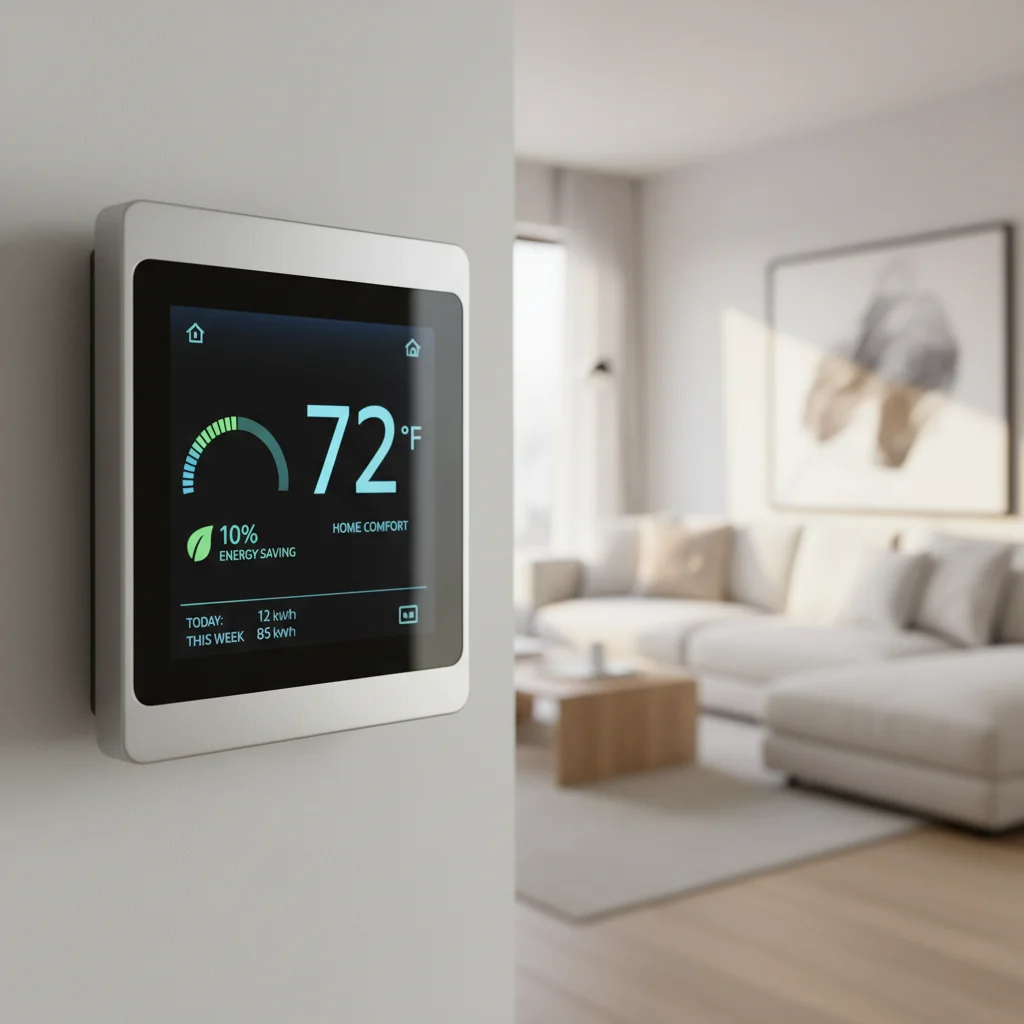
In an era where sustainability meets smart living, optimizing home energy consumption has become a paramount concern for homeowners worldwide. As we look towards 2026, the evolution of smart home technology continues to offer innovative solutions, with smart thermostats leading the charge in energy efficiency. These intelligent devices do more than just regulate temperature; they learn your preferences, adapt to your schedule, and leverage advanced algorithms to significantly reduce your heating and cooling costs. Our in-depth smart thermostat comparison for 2026 delves into the top three contenders poised to help you slash your energy bills by an impressive average of 10%.
The promise of a 10% reduction in energy bills is not merely a marketing gimmick; it’s a tangible benefit backed by continuous technological advancements and real-world data. With rising energy prices and a growing environmental consciousness, investing in a smart thermostat is no longer a luxury but a strategic move towards a more economical and eco-friendly household. This comprehensive guide will navigate through the features, benefits, and unique selling points of the leading smart thermostats, empowering you to make an informed decision that aligns with your lifestyle and financial goals.
The Rise of Smart Thermostats: More Than Just Temperature Control
Gone are the days of basic programmable thermostats that required manual adjustments for every seasonal change or schedule shift. Modern smart thermostats are sophisticated pieces of technology, integrating seamlessly into your smart home ecosystem. They offer a plethora of features designed to maximize comfort while minimizing energy waste. From intuitive mobile app control to geofencing capabilities that detect when you leave or arrive home, these devices are revolutionizing how we interact with our indoor climate.
The core philosophy behind a smart thermostat is intelligent automation. Instead of rigidly following a pre-set schedule, these devices observe your habits, learn your preferences over time, and make predictive adjustments to optimize energy use. This learning capability, often powered by artificial intelligence and machine learning, is what truly sets them apart. They can also integrate with other smart home devices, such as smart vents and occupancy sensors, to create a holistic energy management system. This level of interconnectedness not only enhances comfort but also provides granular control over your home’s energy consumption, making the smart thermostat comparison even more critical for discerning consumers.
Furthermore, many smart thermostats come equipped with detailed energy reporting features. These reports offer invaluable insights into your energy usage patterns, identifying areas where you can save even more. By visualizing your consumption data, you gain a better understanding of how your heating and cooling systems operate and where adjustments can be made to further reduce your carbon footprint and monthly expenses. The pursuit of a 10% energy bill reduction is well within reach with these advanced tools at your disposal.
Why Invest in a Smart Thermostat in 2026?
The reasons to upgrade to a smart thermostat in 2026 are compelling and multifaceted. Beyond the immediate financial savings, these devices contribute to a more comfortable, convenient, and environmentally responsible home. Let’s explore some key advantages:
- Significant Energy Savings: As highlighted, the primary driver for many is the potential to cut energy bills. Studies and real-world usage consistently show that smart thermostats can lead to an average of 10-15% savings on heating and cooling costs. This translates to hundreds of dollars annually for many households, making the investment pay for itself over time. Our smart thermostat comparison will focus on models that excel in this area.
- Enhanced Comfort and Convenience: Imagine arriving home to a perfectly conditioned house without ever having to touch the thermostat. Smart thermostats offer this level of convenience. Remote control via smartphone, voice assistant integration, and adaptive scheduling ensure your home is always at your desired temperature, whether you’re at home or away.
- Environmental Impact: Reducing energy consumption directly translates to a smaller carbon footprint. By using less energy for heating and cooling, you contribute to the global effort to combat climate change and promote sustainability.
- Smart Home Integration: Modern smart thermostats are designed to be part of a larger smart home ecosystem. They can communicate with other devices like smart lights, security systems, and even smart appliances, creating a cohesive and automated living environment.
- Detailed Energy Insights: Most smart thermostats provide comprehensive energy usage reports, allowing you to track your consumption, identify trends, and make informed decisions to further optimize your energy efficiency. This transparency is key to achieving and maintaining that 10% energy bill reduction goal.
- Increased Home Value: For many potential buyers, a home equipped with smart technology, especially energy-saving devices, is a significant selling point. Investing in a smart thermostat can therefore add value to your property.
Understanding these benefits forms the foundation of our smart thermostat comparison, as we evaluate how each top contender delivers on these promises.
Methodology for Our Smart Thermostat Comparison
To provide you with the most accurate and useful smart thermostat comparison for 2026, we’ve employed a rigorous methodology that considers several critical factors. Our aim is to identify devices that not only promise energy savings but also deliver on performance, user experience, and long-term value. The criteria for our selection include:
- Proven Energy Efficiency: We prioritized thermostats with documented evidence of significant energy savings, particularly those that consistently achieve or exceed the 10% reduction benchmark. This often involves advanced features like geofencing, occupancy sensing, and learning algorithms.
- User-Friendly Interface and App: A smart thermostat should be easy to install, program, and control. We evaluated the intuitiveness of both the on-device interface and the accompanying mobile application.
- Smart Home Ecosystem Compatibility: Seamless integration with popular smart home platforms (e.g., Apple HomeKit, Amazon Alexa, Google Assistant) is crucial for a truly connected home experience.
- Advanced Features: Beyond basic temperature control, we looked for innovative features such as humidity control, air quality monitoring, zoned heating/cooling support, and detailed energy reporting.
- Reliability and Durability: A smart thermostat is a long-term investment. We considered brand reputation, customer reviews, and product lifespan.
- Installation Complexity: While professional installation is always an option, we also considered how easily a DIY enthusiast could set up the device.
- Cost-Effectiveness: We weighed the initial purchase price against the potential energy savings and features offered, assessing the overall value proposition.
By applying these stringent criteria, we’ve narrowed down the field to the top three smart thermostats that stand out in the 2026 market. Each of these devices offers a unique blend of features and benefits, making them strong contenders for anyone looking to reduce their energy bills and enhance their home comfort.
Top 3 Smart Thermostats: A Detailed Comparison for 2026
After extensive research and analysis, we present our top three picks for smart thermostats in 2026 that are set to help you achieve significant energy savings, averaging 10% or more. Each of these models brings something unique to the table, catering to different needs and preferences.
1. Ecobee Smart Thermostat Premium: The AI-Powered Energy Optimizer
The Ecobee Smart Thermostat Premium continues to set the bar high for intelligent home climate control. Renowned for its advanced sensor technology and robust AI-driven learning capabilities, the Ecobee Premium is a powerhouse in energy efficiency. It’s designed for homeowners who prioritize granular control and comprehensive data insights.
Key Features & Benefits:
- Room Sensors: Unlike many competitors, Ecobee includes remote room sensors that detect both temperature and occupancy. This allows the thermostat to prioritize comfort in occupied rooms, ensuring even heating and cooling throughout your home and preventing energy waste in unused areas. This feature is a significant differentiator in our smart thermostat comparison.
- Built-in Air Quality Monitor: The Premium model goes beyond temperature, monitoring indoor air quality and providing alerts or even integrating with smart ventilation systems to improve your home’s air.
- Voice Control with Alexa Built-in: With Amazon Alexa integrated directly into the device, you can control your thermostat, play music, make calls, and access other Alexa features without needing a separate smart speaker.
- Eco+ Software: This suite of features includes smart occupancy detection, schedule optimization, and community energy savings events, all working together to maximize energy efficiency and deliver substantial savings.
- Intuitive Mobile App: The Ecobee app provides detailed energy reports, allowing you to track your usage patterns and identify opportunities for further savings.
- HVAC System Monitoring: It can alert you to potential issues with your heating and cooling system, helping you proactively address maintenance and avoid costly breakdowns.
Why it Achieves 10%+ Energy Savings:
Ecobee’s strength lies in its ability to understand not just the ambient temperature but also where people are in your home. By heating or cooling only the rooms that need it, and by learning your routine through continuous occupancy sensing, it drastically reduces unnecessary energy consumption. The Eco+ features further fine-tune these savings by adapting to local utility rates and weather patterns, making it a top performer in our smart thermostat comparison for energy reduction.
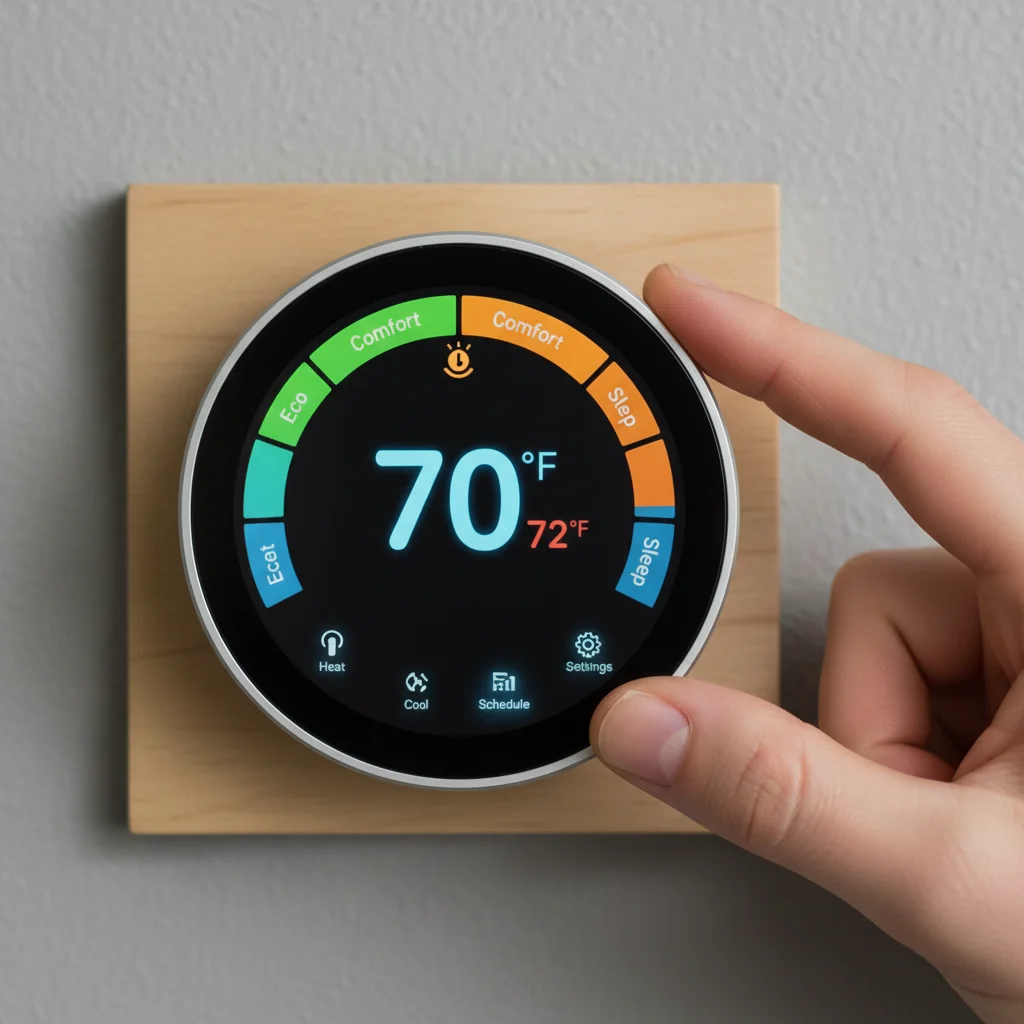
2. Google Nest Learning Thermostat (5th Gen): The Adaptive Innovator
The Google Nest Learning Thermostat remains a perennial favorite, celebrated for its iconic design and revolutionary self-learning capabilities. The 5th generation continues to refine its intelligence, offering effortless energy savings for those who prefer a ‘set it and forget it’ approach.
Key Features & Benefits:
- Auto-Schedule: This is Nest’s flagship feature. It learns your preferred temperatures at different times of the day, building a custom schedule without any manual programming. This adaptive learning is central to its energy-saving prowess.
- Farsight: The display illuminates when you enter the room, showing you the temperature, weather, or time from across the room.
- Home/Away Assist: Using geofencing and occupancy sensors, Nest automatically switches to an energy-saving temperature when you leave and returns to your preferred temperature when you come home. This proactive adjustment is crucial for maintaining that 10% energy bill reduction.
- Energy History & Reports: The Nest app provides detailed insights into your energy consumption, allowing you to see how your choices impact your bills.
- HVAC Monitoring: Similar to Ecobee, Nest can monitor your HVAC system for potential issues, sending alerts and offering maintenance reminders.
- Broad Smart Home Compatibility: Integrates seamlessly with the Google Home ecosystem and a wide range of third-party smart home devices.
Why it Achieves 10%+ Energy Savings:
The Nest Learning Thermostat excels in its ability to adapt to your life without requiring constant input. Its patented Auto-Schedule and Home/Away Assist features work in tandem to ensure your home is only heated or cooled when necessary. By learning your habits and adjusting accordingly, it eliminates the guesswork and manual intervention typically associated with energy saving, making it a strong contender in our smart thermostat comparison for ease of use and automated savings.
3. Honeywell Home T9 Smart Thermostat with Room Sensor: The Zoned Comfort Specialist
The Honeywell Home T9 Smart Thermostat, particularly when paired with its optional room sensors, offers a compelling solution for homes with uneven temperatures or specific comfort zones. It combines the reliability of a traditional thermostat brand with modern smart features designed for efficiency and personalized comfort.
Key Features & Benefits:
- Smart Room Sensors: The T9 supports multiple wireless room sensors that detect temperature and motion. This allows you to prioritize comfort in specific rooms or zones, ensuring the temperature is adjusted based on where family members are located.
- Geofencing: Automatically adjusts the temperature when you leave or return home, saving energy when you’re away.
- Flexible Scheduling: Offers 7-day scheduling options, allowing for highly customizable temperature programs that can be overridden by the smart features.
- Intuitive Touchscreen Display: The large, clear touchscreen makes on-device adjustments straightforward and user-friendly.
- Smart Alerts: Provides alerts for extreme temperatures, filter changes, and other system issues.
- Voice Control & App Integration: Compatible with Amazon Alexa and Google Assistant, and controllable via the Honeywell Home app, offering remote access and management.
Why it Achieves 10%+ Energy Savings:
The Honeywell Home T9’s primary advantage in achieving 10%+ energy savings lies in its ability to focus on specific rooms. By using its smart room sensors, it ensures that energy isn’t wasted heating or cooling unoccupied areas. If you have a large home with varying temperature needs or specific rooms that are always too hot or cold, the T9’s zoned approach can lead to significant and targeted energy reductions, making it a unique entry in our smart thermostat comparison.
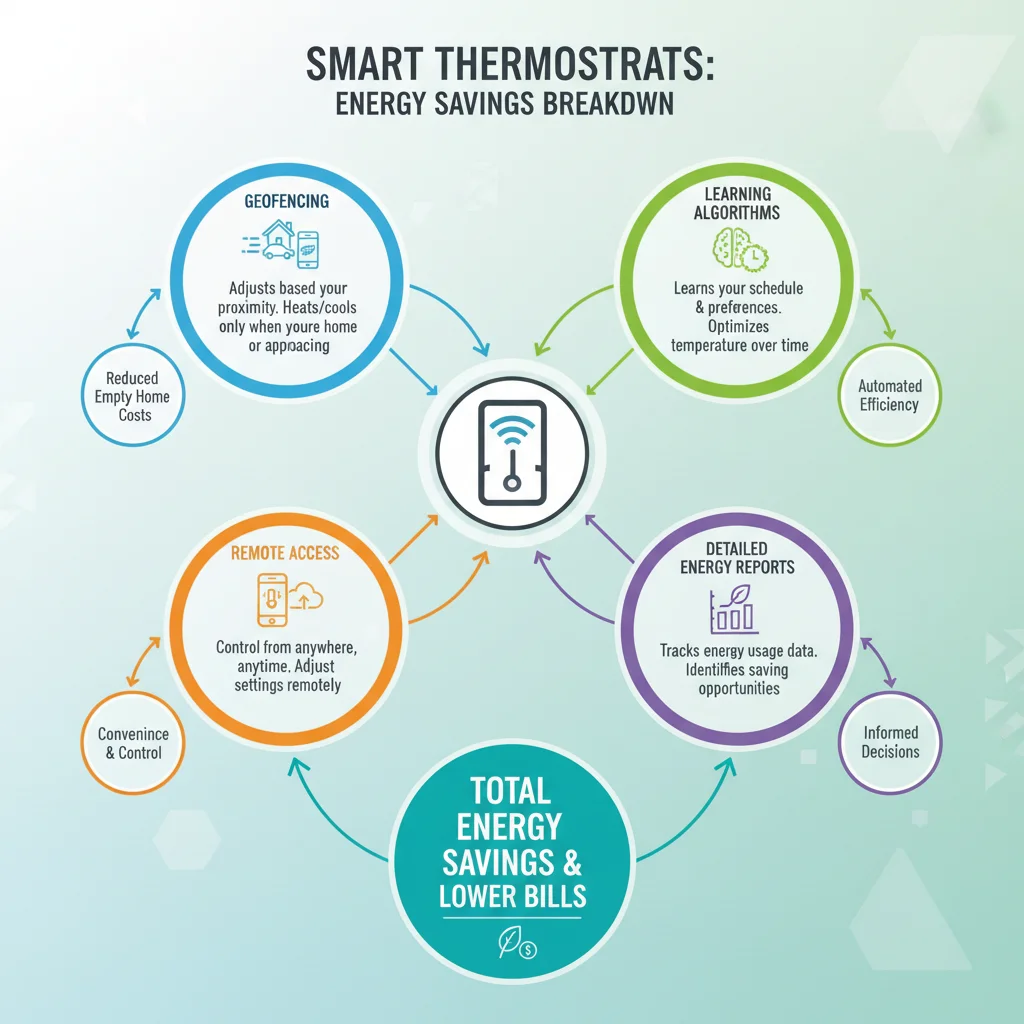
Deep Dive into Energy-Saving Features: How They Work
Achieving that coveted 10% (or more) reduction in energy bills isn’t magic; it’s the result of several sophisticated features working in concert. Let’s break down the key technologies that drive the energy efficiency of these top smart thermostats.
Learning Algorithms and Predictive Scheduling
This is arguably the most powerful feature. Devices like the Nest Learning Thermostat observe your temperature adjustments over time. If you consistently turn down the heat at 10 PM and raise it at 6 AM, the thermostat learns this pattern and begins to implement it automatically. Beyond simple repetition, advanced algorithms can predict optimal heating and cooling times based on external factors like outdoor temperature, humidity, and even your home’s insulation properties. This predictive capability ensures your home reaches your desired temperature precisely when needed, avoiding wasteful pre-heating or over-cooling.
Geofencing and Occupancy Sensing
These features work hand-in-hand to ensure your home is only conditioned when occupied. Geofencing uses your smartphone’s location to determine if you’re home or away. When you leave a predefined perimeter, the thermostat automatically adjusts to an energy-saving temperature. As you approach home, it begins to warm or cool, ensuring comfort upon arrival. Occupancy sensors, often found in remote room sensors (like those with Ecobee and Honeywell T9), detect if a room is being used. This allows the thermostat to prioritize comfort in occupied areas and scale back heating/cooling in empty rooms, leading to significant savings, especially in multi-person households with varying schedules. This intelligent awareness is a cornerstone of effective energy management and a key aspect of our smart thermostat comparison.
Remote Access and Control
While seemingly a convenience feature, remote access via a smartphone app is a powerful energy-saving tool. Forgot to turn down the heat before leaving for vacation? No problem. Stuck in traffic and want to ensure your home is cool when you arrive? Adjust it from your phone. This ability to monitor and control your home’s climate from anywhere prevents unnecessary energy consumption due to oversight or unexpected schedule changes.
Energy Reporting and Insights
Knowledge is power, especially when it comes to energy consumption. All top smart thermostats provide detailed energy reports, often accessible through their mobile apps. These reports show you how much energy you’re using, identify periods of high consumption, and even offer tips for further savings. Some even compare your usage to similar homes in your area, motivating you to improve your efficiency. This transparency empowers you to make smarter decisions about your heating and cooling habits, directly contributing to that 10% energy bill reduction.
Integration with Other Smart Home Devices
The synergy between smart thermostats and other smart home devices amplifies energy savings. For example, integrating with smart blinds can help manage solar gain, reducing the need for air conditioning. Connecting with smart vents allows for more precise zoned control, directing conditioned air only where it’s needed. This holistic approach to home automation maximizes efficiency and comfort.
Installation and Compatibility Considerations
Before making your final decision in this smart thermostat comparison, it’s crucial to consider installation requirements and compatibility with your existing HVAC system. While many smart thermostats are designed for DIY installation, some systems might require professional help.
C-Wire Requirement
Most smart thermostats require a C-wire (common wire) to provide continuous power. Without a C-wire, the thermostat relies on battery power or ‘power stealing’ from your HVAC system, which can lead to issues. Many older homes lack a C-wire. If your home doesn’t have one, some smart thermostats (like certain Nest models) can operate without it, or you might need an adapter kit (often provided by the manufacturer) or professional installation to run a new C-wire.
HVAC System Type
Ensure the smart thermostat is compatible with your specific heating and cooling system. This includes conventional systems (furnace and AC), heat pumps, dual-fuel systems, and boiler systems. Always check the product specifications for compatibility before purchase.
DIY vs. Professional Installation
For those comfortable with basic wiring, many smart thermostats offer clear, step-by-step installation guides and online videos. However, if you’re unsure, or if your system is complex (e.g., multi-zone or dual-fuel), professional installation is highly recommended to avoid damaging your HVAC system or the thermostat itself. While it adds to the initial cost, it ensures proper setup and optimal performance, which is key to realizing those 10%+ energy savings.
Maximizing Your Savings with Smart Thermostats
Simply installing a smart thermostat isn’t enough to guarantee maximum savings. To truly achieve and even exceed the 10% energy bill reduction, consider these best practices:
- Optimize Your Schedule: Even with learning capabilities, reviewing and fine-tuning your thermostat’s schedule can yield better results. Ensure setbacks are maximized when you’re away or asleep.
- Utilize Geofencing: Make sure geofencing is enabled and calibrated correctly. The more accurately it detects your presence, the more efficiently it can manage your home’s temperature.
- Strategic Sensor Placement: If your thermostat supports remote sensors, place them in the rooms you use most frequently, not just in the hallway. This ensures comfort where it matters and prevents over-conditioning other areas.
- Monitor Energy Reports: Regularly review your energy usage data. Identify patterns, understand where energy is being consumed, and adjust your settings accordingly.
- Integrate with Other Smart Devices: Leverage the full potential of your smart home. Connect your thermostat with smart blinds, fans, or even windows to create a more integrated and efficient climate control system.
- Perform Regular HVAC Maintenance: A dirty filter or an inefficient HVAC system will negate many of the savings your smart thermostat provides. Ensure your heating and cooling system is well-maintained.
- Understand Your Home’s Insulation: A well-insulated home retains conditioned air better, allowing your smart thermostat to work more efficiently and achieve greater savings. Consider sealing air leaks and improving insulation if necessary.
- Take Advantage of Utility Programs: Many utility companies offer rebates or incentives for installing smart thermostats. Some even have demand response programs where they can make small adjustments to your thermostat during peak hours in exchange for credits on your bill. Check with your local provider.
By actively engaging with your smart thermostat and implementing these strategies, you can significantly enhance its energy-saving potential and comfortably achieve your goal of reducing energy bills by 10% or more.
The Future of Smart Thermostats and Energy Efficiency
As we move further into 2026 and beyond, the capabilities of smart thermostats are only expected to expand. We anticipate even more sophisticated AI and machine learning algorithms that will allow these devices to predict not just your preferences but also potential equipment failures, offering proactive maintenance suggestions. Integration with renewable energy sources, such as solar panels and battery storage, will become more seamless, enabling homes to optimize energy consumption based on generation and storage capabilities. The concept of a truly self-sufficient and autonomously managed home climate system is within reach.
Furthermore, expect enhanced interoperability between different smart home platforms. The goal is to create a unified ecosystem where all your smart devices communicate effortlessly, working together to achieve maximum comfort and efficiency. This will make the choice in a smart thermostat comparison less about brand loyalty and more about the holistic solution it provides for your energy management needs. The journey towards a greener, more economical home is continuously evolving, and smart thermostats will undoubtedly remain at the forefront of this revolution.
Conclusion: Making the Smart Choice for Your Home and Wallet
The quest for a more energy-efficient home is a journey, and a smart thermostat is one of the most effective tools you can add to your arsenal. Our smart thermostat comparison for 2026 highlights three exceptional devices – the Ecobee Smart Thermostat Premium, the Google Nest Learning Thermostat, and the Honeywell Home T9 Smart Thermostat – each offering a unique pathway to significant energy savings, averaging 10% or more on your heating and cooling bills.
Whether you prioritize granular control and advanced air quality monitoring (Ecobee), effortless learning and intuitive design (Nest), or zoned comfort with strategic sensor placement (Honeywell T9), there’s a smart thermostat perfectly suited for your needs. The investment in these devices pays dividends not only in financial savings but also in enhanced comfort, convenience, and a reduced environmental footprint.
By choosing one of these top contenders and actively utilizing its features, you’re not just buying a gadget; you’re investing in a smarter, more sustainable future for your home. Make the smart choice today and experience the tangible benefits of cutting-edge home climate control in 2026 and beyond.