Prepare Your Home for Summer: 5 Essential Tasks for May 2026

Time-Sensitive: Get Your Home Ready for Summer 2026: 5 Essential Tasks by May to Save 12% on Cooling Costs
As the days grow longer and the temperatures begin to climb, the promise of summer 2026 is just around the corner. While visions of backyard barbecues and lazy afternoons by the pool might fill your head, there’s a crucial checklist you need to tackle before the mercury truly rises. Preparing your home for summer isn’t just about comfort; it’s about smart financial planning and ensuring the longevity of your home’s systems. By completing these 5 essential tasks by May, you can significantly reduce your cooling costs by up to 12% and enjoy a more efficient, comfortable, and worry-free season. This comprehensive guide will walk you through each critical step, emphasizing why proactive summer home preparation is your best strategy.
The transition from spring to summer often catches homeowners off guard. Suddenly, the air conditioner is struggling, energy bills are soaring, and minor issues become major headaches. Don’t let this be your story in 2026. Instead, embrace the power of foresight. By dedicating time in May to these pivotal tasks, you’re not just preparing for the heat; you’re investing in your home’s efficiency, your family’s comfort, and your wallet’s health. Let’s dive into the indispensable actions for optimal summer home preparation.
1. Schedule Your HVAC System Tune-Up: The Foundation of Summer Comfort and Savings
Your heating, ventilation, and air conditioning (HVAC) system is arguably the most critical component in ensuring a comfortable summer. It’s also often the largest energy consumer in your home during warmer months. Just like your car, your AC unit needs regular maintenance to perform efficiently and reliably. Scheduling a professional HVAC tune-up in May is not just a recommendation; it’s a non-negotiable step for effective summer home preparation.
Why May is the Ideal Time for an HVAC Tune-Up
Waiting until June or July, when temperatures are peaking and AC units are working overtime, is a common mistake. By then, HVAC technicians are often swamped with emergency calls, making it harder to get an appointment and potentially costing you more. May offers a sweet spot: the weather is mild enough that you won’t be without AC for long, and technicians have more availability for routine maintenance rather than urgent repairs.
What a Professional Tune-Up Entails and Its Benefits
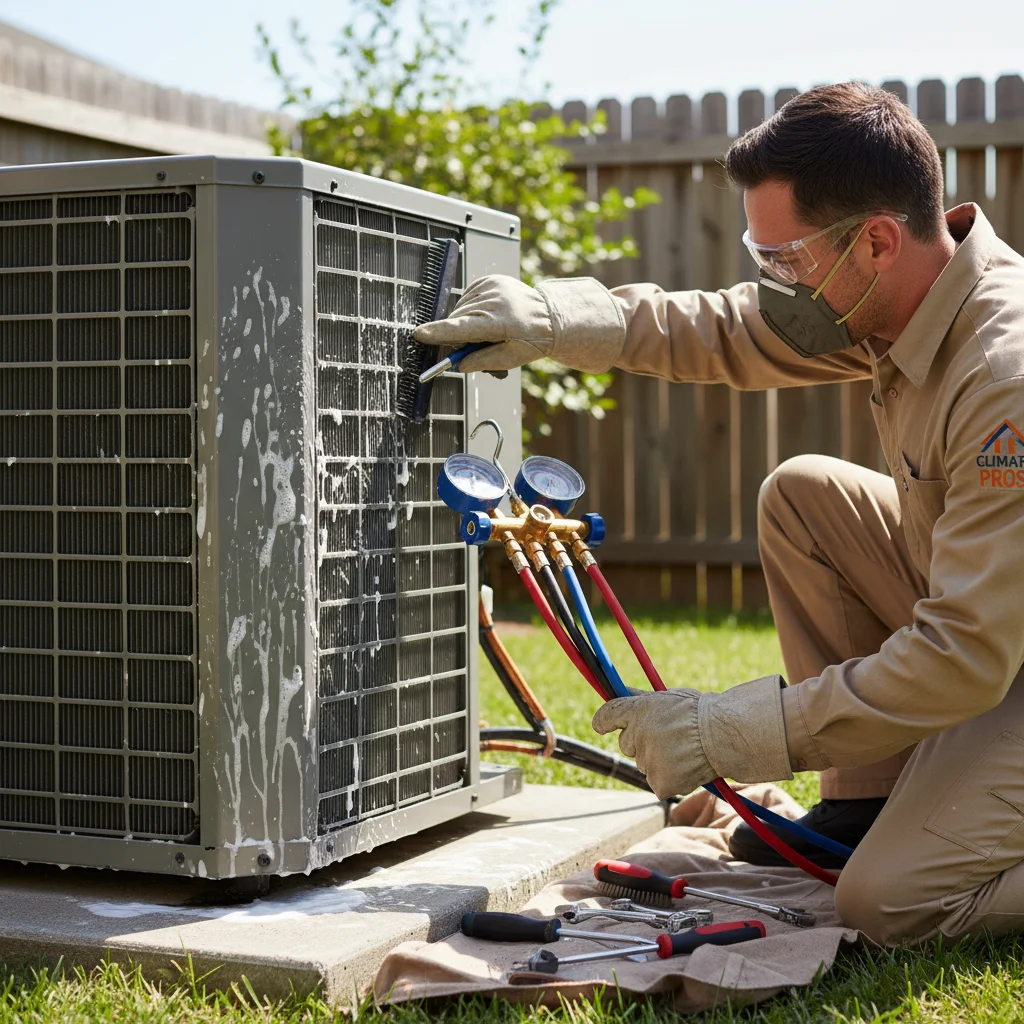
A comprehensive HVAC tune-up typically includes:
- Cleaning and inspecting coils: Dirty coils reduce efficiency and increase energy consumption.
- Checking refrigerant levels: Low refrigerant can lead to poor cooling and system strain.
- Inspecting electrical components: Loose connections or worn wiring can be fire hazards or cause system failure.
- Lubricating moving parts: Reduces friction and wear, extending the life of your unit.
- Checking thermostat calibration: Ensures accurate temperature readings and optimal system cycling.
- Clearing condensate drain: Prevents water damage and mold growth.
The benefits of this proactive step are substantial:
- Increased Energy Efficiency: A well-maintained AC unit can operate up to 15% more efficiently, directly translating to lower electricity bills. This alone can contribute significantly to your 12% cooling cost savings goal for summer home preparation.
- Extended System Lifespan: Regular maintenance prevents minor issues from escalating into major, costly repairs, prolonging the life of your expensive HVAC system.
- Improved Indoor Air Quality: Clean coils and filters mean less dust, pollen, and allergens circulating in your home.
- Enhanced Comfort: An efficient system cools your home more effectively and consistently.
- Reduced Risk of Breakdowns: Catching potential problems early drastically lowers the chance of your AC failing on the hottest day of the year.
Don’t underestimate the power of this single task. It’s the cornerstone of a comfortable and affordable summer. Contact your local HVAC professional in early May to schedule your tune-up and ensure your system is ready to perform at its peak.
2. Seal Air Leaks and Boost Insulation: An Immediate Impact on Cooling Costs
Think of your home as a giant cooler. If that cooler has cracks and gaps, all the cold air you’re paying for will escape, and hot air will sneak in. Sealing air leaks and ensuring adequate insulation are two of the most cost-effective ways to achieve your 12% cooling cost savings goal and are fundamental aspects of summer home preparation.
Identify and Seal Common Air Leakage Points
Numerous areas in your home can be culprits for air leakage. Dedicate a weekend in May to a thorough inspection:
- Windows and Doors: Check the caulking around window frames and doorframes. If it’s cracked, peeling, or missing, remove the old caulk and apply new, high-quality exterior caulk. For doors, inspect weatherstripping. If it’s damaged or compressed, replace it. Consider door sweeps for gaps at the bottom.
- Electrical Outlets and Light Switches: These often have small gaps behind them. Install foam gaskets (inexpensive and easy to install) to block air transfer.
- Attic Hatch/Access Door: Ensure these are well-sealed and insulated. Weatherstripping and a simple foam board barrier can make a huge difference.
- Fireplace Damper: Make sure your damper is tightly closed when not in use. Consider an inflatable chimney balloon for unused fireplaces.
- Utility Penetrations: Look for gaps where pipes, wires, and vents enter your home (e.g., under sinks, laundry connections, dryer vents). Use caulk or expanding foam sealant to fill these.
- Basement/Crawl Space: Inspect the rim joists and sill plates for gaps that allow air infiltration.
A simple trick to find leaks: on a windy day, hold a lit incense stick or a thin piece of tissue paper near suspected leak points. If the smoke wavers or the paper flutters, you’ve found a leak.
Assess and Improve Your Home’s Insulation
Insulation acts as a barrier, slowing the transfer of heat into (and out of) your home. During summer, good insulation keeps the hot outdoor air from penetrating your living spaces. The attic is usually the most critical area for insulation, as heat rises and can easily radiate down into your home.
- Check Attic Insulation Levels: The Department of Energy recommends specific R-values (a measure of thermal resistance) based on your climate zone. For most regions, adding more attic insulation can be a highly effective energy-saving measure. If your existing insulation is below the top of your floor joists, you likely need more.
- Consider Wall Insulation: While more complex to add to an existing home, if you’re undertaking major renovations, consider insulating exterior walls.
- Insulate Pipes and Ducts: Insulating exposed hot water pipes and HVAC ducts in unconditioned spaces (like attics or basements) reduces heat loss/gain and improves system efficiency.
By preventing conditioned air from escaping and hot air from entering, you significantly reduce the workload on your AC system. This translates directly to lower energy consumption and noticeable savings on your cooling bills, making it a powerful component of your summer home preparation strategy.
3. Optimize Window Treatments and Shading: Passive Cooling for Maximum Effect
The sun is a powerful force, and while we enjoy its warmth, direct sunlight streaming into your home can drastically increase indoor temperatures, forcing your AC to work harder. Optimizing your window treatments and external shading is a passive yet highly effective way to reduce heat gain and contribute to your 12% cooling cost savings. This is a simple but impactful step in your summer home preparation.
Internal Window Treatments
- Install or Upgrade Blinds and Curtains: In May, review your window coverings, especially on south and west-facing windows.
- Blackout Curtains: These are incredibly effective at blocking sunlight and heat. They can reduce heat gain by up to 33%. Choose light-colored blackout curtains with a white backing to reflect sunlight.
- Cellular Shades: Also known as honeycomb shades, these have air pockets that provide an insulating layer, trapping air and preventing heat transfer.
- Reflective Blinds: Blinds with a reflective coating can bounce sunlight back outside.
Make it a habit to close blinds and curtains on sunny sides of your home during the hottest parts of the day. This simple act can make a noticeable difference in indoor temperatures.
External Shading Solutions
External shading is even more effective than internal treatments because it blocks the sun’s heat before it even reaches your windows.
- Awnings: Installing awnings over south and west-facing windows can reduce solar heat gain by up to 65% on south-facing windows and 77% on west-facing windows. Retractable awnings offer flexibility, allowing you to enjoy the sun when desired.
- Shade Trees and Landscaping: Strategically planted deciduous trees can provide excellent shade in summer and allow sunlight through in winter. Vines on trellises can also offer seasonal shading. This is a long-term investment but provides significant benefits.
- External Roller Shades or Shutters: These can be manually or even automatically operated to block direct sun.
By proactively managing the sun’s entry into your home, you reduce the overall heat load, allowing your HVAC system to run less frequently and more efficiently. This passive cooling strategy is a smart and sustainable aspect of summer home preparation that directly contributes to lower energy bills.

4. Inspect and Clean Gutters and Downspouts: Protecting Your Home from Summer Storms
While often associated with spring cleaning, inspecting and cleaning your gutters and downspouts in May is a critical step in summer home preparation. Summer often brings heavy thunderstorms, and clogged gutters can lead to significant water damage, which is far more costly than a few hours of maintenance.
Why Clean Gutters are Essential for Summer
- Prevent Water Damage: Clogged gutters overflow, directing water over the sides of your house. This water can saturate the ground around your foundation, potentially leading to basement flooding, foundation cracks, and costly structural damage.
- Protect Landscaping: Overflowing water can erode soil, damage plants, and create unsightly trenches in your flowerbeds.
- Prevent Pest Infestations: Standing water in clogged gutters creates an ideal breeding ground for mosquitoes and other insects. Debris can also attract rodents and birds looking for nesting material.
- Protect Your Roof and Siding: Water pooling on your roof due to blocked gutters can lead to premature wear and tear on shingles and fascia boards. It can also cause water to seep behind siding.
How to Inspect and Clean Your Gutters
Before you begin, ensure you have a sturdy ladder, gloves, and eye protection. If you’re uncomfortable working at heights, consider hiring a professional.
- Clear Debris: Remove leaves, twigs, dirt, and any other debris from your gutters. A small trowel or scoop can be helpful.
- Flush with Water: Once clear, use a garden hose to flush water through the gutters and downspouts. Watch for any blockages in the downspouts. If water isn’t flowing freely, you may need to snake the downspout or disconnect it to remove the clog.
- Check for Leaks and Damage: As you flush, look for any leaks in the gutters themselves or at the seams. Seal small holes with gutter sealant. Check for sagging sections that might need additional hangers.
- Trim Overhanging Branches: To reduce future clogging, trim any tree branches that hang directly over your roof and gutters.
This task, while seemingly mundane, is vital for protecting your home’s structural integrity and preventing expensive repairs down the line. It’s an indispensable part of comprehensive summer home preparation.
5. Reverse Ceiling Fan Direction and Clean Blades: Simple Steps for Enhanced Airflow
Ceiling fans are an unsung hero in the battle against summer heat, but only if they’re used correctly. A quick adjustment and cleaning in May can significantly enhance their effectiveness, helping you feel cooler without overworking your AC and contributing to your cooling cost savings. This is an easy yet often overlooked step in summer home preparation.
Understanding Ceiling Fan Direction
Most ceiling fans have a small switch on the motor housing that allows you to change the direction of blade rotation. For summer, you want the blades to rotate counter-clockwise (when looking up at the fan). This creates a downdraft, pushing air straight down and creating a cooling breeze effect on your skin. This breeze can make you feel 4-8 degrees Fahrenheit cooler, allowing you to set your thermostat a few degrees higher without sacrificing comfort, which directly impacts your energy consumption.
The Importance of Cleaning Ceiling Fan Blades
Over time, dust, dirt, and allergens accumulate on ceiling fan blades. When the fan is turned on, these particles are distributed throughout your room, negatively impacting indoor air quality and potentially exacerbating allergies. Cleaning your fan blades in May ensures you’re circulating clean air and prevents dust from being flung onto your furniture and surfaces.
How to Reverse and Clean Your Ceiling Fan
- Turn Off Power: Always turn off the power to the fan at the wall switch and, ideally, at the circuit breaker before performing any maintenance.
- Clean Blades: Use a damp cloth or a ceiling fan duster to wipe down both sides of each blade. For stubborn grime, a mixture of mild soap and water can be used. Ensure blades are completely dry before turning the power back on.
- Locate the Reversing Switch: This small switch is typically found on the motor housing of the fan, just below the blades. It might be a small toggle switch or a slider.
- Flip the Switch: Change the direction of the switch. For summer, you want the fan to push air down, so ensure it’s set to rotate counter-clockwise.
- Restore Power and Test: Turn the power back on and test the fan on a low setting to confirm the direction. You should feel a distinct downward breeze.
This simple, five-minute task can significantly improve your comfort and energy efficiency throughout the summer. It’s a prime example of how small adjustments contribute to overall summer home preparation and substantial savings.
Beyond the 5 Tasks: Additional Tips for Maximizing Summer Savings
While the five tasks above form the core of your summer home preparation strategy for May 2026, here are a few additional tips to further maximize your savings and comfort:
- Upgrade to a Smart Thermostat: If you don’t already have one, a smart thermostat can learn your habits, optimize cooling schedules, and be controlled remotely, leading to significant energy savings.
- Consider Energy-Efficient Appliances: When replacing old appliances, look for ENERGY STAR® certified models, especially for refrigerators, washing machines, and dishwashers, as they consume less energy.
- Use Exhaust Fans: Run kitchen and bathroom exhaust fans to remove heat and humidity generated from cooking and showering. Just remember to turn them off after about 15-20 minutes to avoid pulling conditioned air out of your home.
- Limit Heat-Generating Activities: Try to use your oven, dryer, and dishwasher during cooler parts of the day (early morning or late evening) to avoid adding extra heat to your home when your AC is working hardest.
- Outdoor Living Spaces: Maximize the use of shaded outdoor living areas to reduce the need for indoor cooling.
- Regular Filter Changes: Beyond the professional tune-up, remember to change your HVAC air filter monthly (or at least every 3 months) during peak usage. A clean filter ensures optimal airflow and efficiency.
- Check Your Water Heater: While not directly related to cooling, ensure your water heater isn’t set too high (120°F is usually sufficient) and consider insulating older water tanks and pipes to prevent heat loss, which can indirectly contribute to overall home temperature.
- Plant Deciduous Trees: As mentioned, strategically planted trees can provide natural shade. While a long-term investment, planning this in May can set you up for future summer savings.
- Window Film: For windows that receive intense direct sunlight, consider applying reflective or low-emissivity (low-e) window film. This can reduce heat gain without significantly altering light transmission.
By integrating these additional practices into your routine, you’ll create an even more energy-efficient and comfortable living environment throughout the summer months.
The Long-Term Benefits of Proactive Summer Home Preparation
The immediate gratification of lower energy bills and a more comfortable home is certainly appealing, but the benefits of completing your summer home preparation by May extend far beyond a single season. By consistently maintaining your home’s systems and structure, you’re making a long-term investment in its value and longevity.
- Increased Home Value: A well-maintained home with efficient systems is more attractive to potential buyers, should you ever decide to sell. Energy-efficient upgrades are increasingly sought after.
- Reduced Repair Costs: Proactive maintenance catches small problems before they become expensive emergencies. This means fewer unexpected repair bills for your HVAC system, roof, or foundation.
- Environmental Impact: A more energy-efficient home consumes fewer resources, reducing your carbon footprint and contributing to a healthier planet.
- Peace of Mind: Knowing your home is ready to handle the summer heat provides invaluable peace of mind. You can relax and enjoy the season without worrying about system breakdowns or exorbitant utility bills.
- Enhanced Quality of Life: A comfortable home environment throughout the summer significantly improves your quality of life, allowing for better sleep, productivity, and overall well-being.
Think of your home as a complex machine that requires regular care. Just as you wouldn’t neglect your car’s oil changes, you shouldn’t overlook your home’s seasonal maintenance. May 2026 is your golden opportunity to get ahead of the summer rush and set your home up for success.
Conclusion: Embrace May for a Cooler, Cheaper Summer 2026
The clock is ticking for summer home preparation. By prioritizing these 5 essential tasks by May 2026 – scheduling your HVAC tune-up, sealing air leaks and boosting insulation, optimizing window treatments, cleaning gutters, and reversing ceiling fan direction – you are setting your home up for a season of comfort, efficiency, and significant savings. Aiming for a 12% reduction in cooling costs is not an ambitious dream; it’s an achievable reality with a little proactive effort.
Don’t wait until the first sweltering day to realize your AC isn’t performing optimally or that your energy bills are astronomical. Take action now. Use this guide as your blueprint for a smarter, cooler, and more affordable summer. Your future self (and your wallet) will thank you.
Start planning your May checklist today, and step into summer 2026 with confidence, knowing your home is perfectly prepared for whatever the season brings.