
In the ever-evolving landscape of American healthcare, the perennial challenge of ensuring comprehensive coverage for all citizens remains a critical focal point. As we look towards 2026, new policies are being meticulously crafted and debated, all with the ambitious goal of significantly reducing the number of uninsured Americans. This comprehensive article delves into the projected impact of these initiatives, focusing on how they aim to bridge the gaps for an estimated 25 million individuals currently lacking health insurance. We will explore the recent updates, analyze the financial implications for both individuals and the nation, and discuss the long-term sustainability of these proposed changes. The drive for improved healthcare access in 2026 is not merely a political talking point; it’s a societal imperative with profound economic and humanitarian consequences.
The quest for universal healthcare access in 2026 is a complex tapestry woven with economic realities, political ideologies, and humanitarian aspirations. The United States, unique among developed nations, still grapples with a significant portion of its population without health insurance. This lack of coverage not only poses individual health risks but also creates systemic inefficiencies, leading to higher costs for everyone through uncompensated care. Understanding the nuances of these upcoming policies is crucial for policymakers, healthcare providers, and the general public alike.
The current state of healthcare access is a mosaic of successes and persistent challenges. While the Affordable Care Act (ACA) significantly expanded coverage, millions still fall through the cracks. These uninsured individuals often face dire consequences, including delayed medical attention, higher out-of-pocket costs when care is finally sought, and increased financial instability due to medical debt. The aim for healthcare access in 2026 is to address these systemic failures head-on, offering a more equitable and robust system.
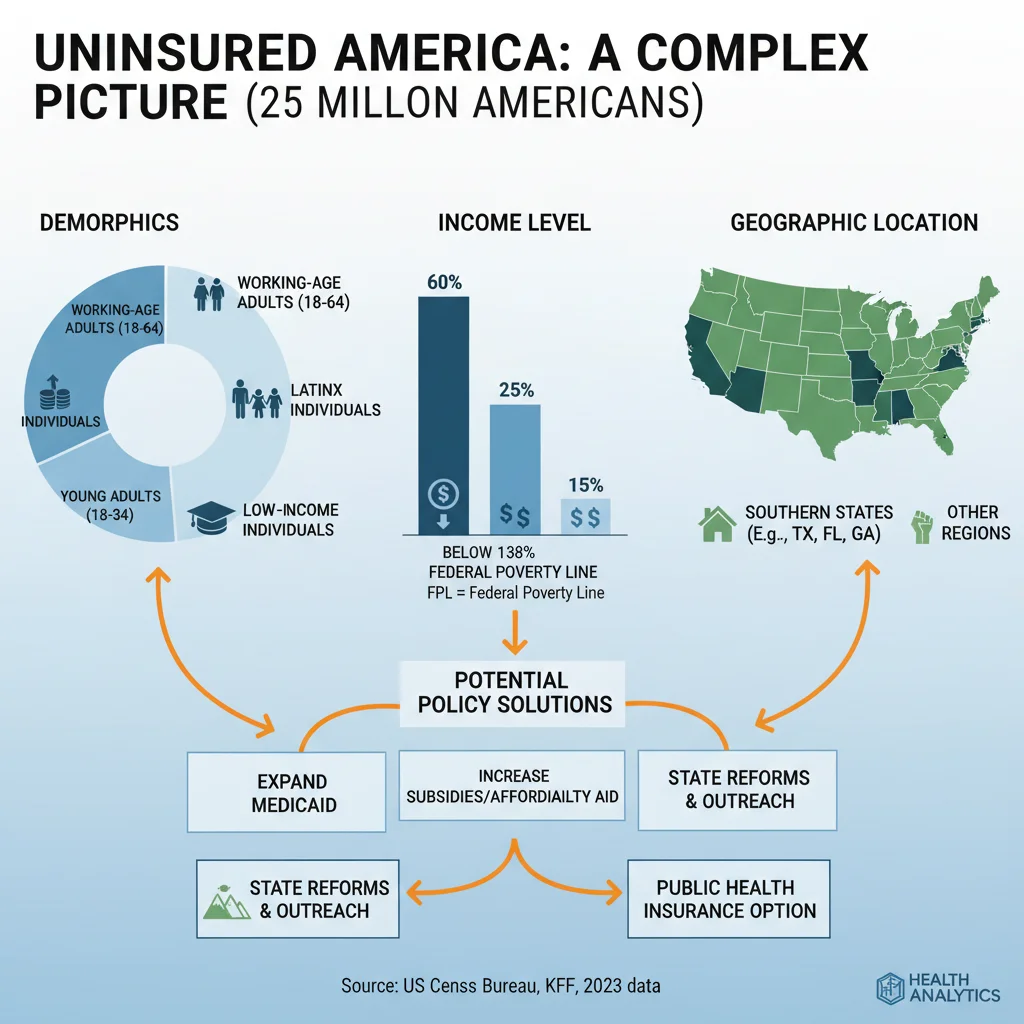
The Uninsured Landscape: Who Are the 25 Million?
Before diving into the proposed solutions for healthcare access in 2026, it’s essential to understand the demographic profile of the 25 million uninsured Americans. This group is not monolithic; it comprises a diverse range of individuals with varying circumstances, making a one-size-fits-all solution ineffective. Research indicates that the uninsured population disproportionately includes:
- Low-income adults: Many earn too much to qualify for Medicaid but too little to afford marketplace plans, even with subsidies. This “coverage gap” is particularly prevalent in states that have not expanded Medicaid.
- Young adults: While the ACA allowed young adults to stay on their parents’ plans until age 26, many still find themselves uninsured after this period, often due to entry-level jobs with no benefits or high premium costs.
- Racial and ethnic minorities: Systemic disparities and socioeconomic factors often contribute to higher rates of uninsurance among these communities.
- Immigrants: Both documented and undocumented immigrants often face barriers to coverage due to eligibility restrictions and fear of accessing public services.
- Gig economy workers and self-employed individuals: These workers often lack employer-sponsored insurance and may struggle to find affordable individual plans.
- Residents in states without Medicaid expansion: In these states, low-income adults without dependent children often have no viable pathway to affordable health insurance.
Understanding these distinct segments is paramount for designing targeted and effective policies to improve healthcare access in 2026. Any successful strategy must acknowledge these varied needs and tailor interventions accordingly.
New Policies for Healthcare Access in 2026: A Deep Dive
The proposed policies for healthcare access in 2026 are multifaceted, combining enhancements to existing frameworks with innovative new approaches. These initiatives aim to expand eligibility, reduce costs, and streamline the enrollment process. Here are some of the key policy thrusts:
1. Expanding and Strengthening the Affordable Care Act (ACA)
Many of the discussions around healthcare access in 2026 revolve around bolstering the ACA. Proposed enhancements include:
- Increased and Expanded Subsidies: A primary strategy is to make marketplace plans more affordable for a wider range of income levels. This involves increasing the generosity of premium tax credits and extending eligibility for these subsidies to individuals earning more than 400% of the federal poverty level (FPL). By reducing the net cost of premiums, more people are expected to enroll.
- Closing the Medicaid Coverage Gap: Efforts are underway to incentivize the remaining non-expansion states to adopt Medicaid expansion. This could involve enhanced federal funding or alternative models that achieve similar coverage outcomes for low-income adults.
- Enhanced Outreach and Enrollment: Significant investment in navigators and other outreach programs is planned to help eligible individuals understand their options and enroll in coverage. Simplifying the enrollment process and providing culturally competent assistance are crucial components.
- Public Option Expansion: The introduction of a public health insurance option, either at the state or federal level, is being considered. This government-administered plan would compete with private insurers, potentially driving down costs and offering more affordable choices, thereby improving healthcare access in 2026.
2. Innovative State-Level Initiatives
Beyond federal efforts, several states are pioneering their own approaches to improve healthcare access in 2026. These include:
- Basic Health Programs (BHPs): Some states are exploring or implementing BHPs, which offer more affordable coverage options for individuals with incomes between 138% and 200% of the FPL. These programs use federal funds that would otherwise go to marketplace subsidies, providing a more streamlined and often cheaper plan.
- Reinsurance Programs: States are using reinsurance to stabilize their individual insurance markets and lower premiums. By covering a portion of high-cost claims, reinsurance reduces financial risk for insurers, leading to lower overall premium costs for consumers.
- Direct Primary Care Models: While not traditional insurance, some states are supporting direct primary care models where patients pay a monthly fee directly to their primary care provider for a range of services, often at lower costs and with better access to preventive care.
3. Addressing Specific Vulnerable Populations
Policies are also being tailored to address the unique challenges faced by specific uninsured groups:
- Undocumented Immigrants: Discussions include exploring pathways for undocumented immigrants to access healthcare, potentially through state-level programs or expanded community health center services, though this remains a highly contentious area.
- Behavioral Health Integration: Recognizing the growing mental health crisis, new policies aim to integrate behavioral health services more seamlessly into primary care, ensuring that mental health support is an accessible and affordable component of healthcare access in 2026.
- Telehealth Expansion: The lessons learned during the pandemic regarding telehealth have led to proposals for permanent expansion of telehealth services, particularly in rural and underserved areas, making healthcare more accessible and convenient.
Financial Impact: Costs and Savings for Healthcare Access in 2026
The financial implications of these new policies for healthcare access in 2026 are complex, involving significant investments but also potential long-term savings.
Increased Government Spending
Expanding subsidies, closing the Medicaid coverage gap, and investing in outreach will undoubtedly require substantial federal and state funding. Estimates suggest that covering 25 million uninsured Americans could entail tens of billions of dollars in new government expenditures annually. However, proponents argue that this is an investment that yields significant returns.
Potential Savings and Economic Benefits
The financial benefits of expanding healthcare access are often overlooked but are substantial:
- Reduced Uncompensated Care: Hospitals and healthcare providers currently bear the burden of uncompensated care for uninsured patients, which is often passed on to insured individuals through higher premiums and taxes. Expanding coverage would significantly reduce these costs.
- Improved Public Health: When more people have access to preventive care and early treatment, the overall health of the population improves. This leads to fewer emergency room visits for preventable conditions, reduced spread of communicable diseases, and a healthier workforce.
- Increased Economic Productivity: A healthier workforce is a more productive workforce. Reduced illness and disability mean fewer lost workdays, higher earning potential, and greater economic output.
- Reduced Medical Debt: Medical debt is a leading cause of bankruptcy in the United States. Expanding coverage would alleviate this burden for millions, improving financial stability for families and communities.
- Stimulating Local Economies: Increased healthcare spending, particularly in underserved areas, can stimulate local economies through job creation in the healthcare sector and related industries.
Analyzing the financial impact requires a holistic view that considers both the upfront costs and the long-term societal and economic benefits. The goal for healthcare access in 2026 is not just to spend money, but to invest it wisely for a healthier and more prosperous nation.
Challenges and Criticisms of Healthcare Access in 2026
Despite the ambitious goals, the path to achieving universal healthcare access in 2026 is fraught with challenges and attracts considerable criticism.
Political Polarization
Healthcare policy remains one of the most politically divisive issues in the United States. Any significant expansion of government’s role in healthcare faces strong opposition, particularly regarding concerns about government overreach, increased taxes, and potential impacts on private insurance markets.
Funding Concerns
The “how to pay for it” question is central to the debate. Critics argue that the proposed funding mechanisms, such as increased taxes or deficit spending, are unsustainable or detrimental to the economy. Finding a stable and politically palatable funding source is a major hurdle.
Provider Capacity and Workforce Shortages
Even if more people gain insurance, ensuring adequate access to providers – especially in rural areas or for specialized care – remains a challenge. Physician, nurse, and mental health professional shortages could limit the effectiveness of expanded coverage, leading to longer wait times and reduced quality of care. Policies for healthcare access in 2026 must also address workforce development.
Administrative Complexity
The American healthcare system is notoriously complex. Adding new layers of subsidies, programs, or a public option could further complicate an already intricate system, potentially leading to confusion for consumers and administrative burdens for providers and insurers.
Balancing Choice and Cost
Another significant challenge is balancing consumer choice with cost control. While many advocate for a wide array of plan options, this can drive up administrative costs and make it harder to achieve economies of scale. Conversely, limiting choice can be unpopular. Finding the right equilibrium is crucial for effective healthcare access in 2026.
Recent Updates and Legislative Progress
As of late 2023 and early 2024, several legislative proposals and administrative actions are setting the stage for healthcare access in 2026. While no single “grand bargain” has been reached, incremental changes and ongoing debates are shaping the future:
- Inflation Reduction Act (IRA) Extensions: The enhanced ACA subsidies introduced by the IRA are currently set to expire. There is strong political will among some factions to make these subsidies permanent or extend them further, recognizing their crucial role in keeping premiums affordable.
- State-Level Innovation Waivers: More states are applying for and receiving “1332 waivers” from the federal government, allowing them to experiment with alternative approaches to healthcare coverage, such as reinsurance programs or state-specific public options. These waivers provide valuable insights into what works at a local level for healthcare access in 2026.
- Focus on Primary Care Investment: There’s a growing consensus across the political spectrum on the need to invest more in primary care and preventive services. Legislative efforts are exploring ways to increase reimbursement for primary care providers and expand access to these essential services.
- Prescription Drug Price Negotiation: The IRA also empowered Medicare to negotiate prescription drug prices, a move expected to lower costs for seniors and potentially have a ripple effect on the broader market, making medications more affordable for everyone and improving overall healthcare access.
These updates highlight a dynamic environment where various strategies are being tested and refined to achieve the overarching goal of broader healthcare coverage.
The Role of Technology in Expanding Healthcare Access
Technology is poised to play a transformative role in enhancing healthcare access in 2026. From telehealth to artificial intelligence, innovation offers promising avenues to overcome traditional barriers.
Telehealth and Remote Monitoring
The pandemic accelerated the adoption of telehealth, demonstrating its potential to deliver care to remote areas, improve convenience, and reduce costs. Permanent expansion of telehealth services – including appropriate reimbursement models and licensure portability across states – will be critical. Remote patient monitoring devices can also help manage chronic conditions, reducing the need for in-person visits and improving health outcomes, thereby improving healthcare access in 2026.
Artificial Intelligence and Data Analytics
AI can be leveraged to identify uninsured populations, predict healthcare needs, and personalize outreach efforts. Data analytics can help policymakers understand which interventions are most effective, allowing for more targeted and efficient allocation of resources. AI-powered tools can also assist in navigating complex insurance options and streamline the enrollment process.
Digital Health Records and Interoperability
Ensuring seamless sharing of digital health records across different providers and systems is crucial for coordinated care. Improved interoperability can prevent duplicate tests, reduce medical errors, and provide a more holistic view of a patient’s health, ultimately leading to better health outcomes and more efficient use of healthcare resources. This is a foundational element for robust healthcare access in 2026.
Mobile Health (mHealth) Applications
Mobile applications can empower individuals to manage their health, access educational resources, schedule appointments, and communicate with providers. For underserved populations, mHealth apps can bridge information gaps and facilitate engagement with the healthcare system.
Long-Term Vision: Sustainability and Equity
Achieving healthcare access in 2026 for 25 million uninsured Americans is not just about immediate coverage; it’s about building a sustainable and equitable system for the future. The long-term vision encompasses several key elements:
Focus on Preventive Care and Population Health
A sustainable system shifts from a reactive model of treating illness to a proactive one focused on preventing it. Investing in public health initiatives, promoting healthy lifestyles, and ensuring widespread access to preventive services will reduce the burden of chronic diseases and lower overall healthcare costs in the long run.
Addressing Social Determinants of Health
Healthcare access extends beyond insurance cards. Factors like housing, food security, education, and safe environments profoundly impact health outcomes. A truly equitable system for healthcare access in 2026 must integrate efforts to address these social determinants, recognizing that health is shaped by more than just medical care.
Cost Containment Strategies
While expanding coverage, it’s equally important to implement effective cost containment strategies. This includes value-based care models, transparency in pricing, negotiation for prescription drug costs, and reducing administrative waste. Without addressing the underlying drivers of healthcare inflation, expanded coverage may become financially unsustainable.
Health Equity and Disparity Reduction
The policies for healthcare access in 2026 must explicitly aim to reduce health disparities that disproportionately affect marginalized communities. This means not just providing insurance, but ensuring culturally competent care, addressing language barriers, and building trust within communities that have historically faced systemic discrimination in healthcare.

Conclusion: A Path Towards a Healthier Nation
The ambitious goal of improving healthcare access in 2026 for 25 million uninsured Americans represents a pivotal moment in the nation’s ongoing healthcare journey. The proposed policies – from strengthening the ACA and expanding subsidies to innovating at the state level and leveraging technology – offer a comprehensive approach to tackling this complex challenge. While significant financial investments will be required, the potential returns in terms of improved public health, enhanced economic productivity, and reduced medical debt are substantial.
However, the path forward is not without its obstacles. Political divisions, funding concerns, and workforce shortages demand careful consideration and collaborative solutions. Success will hinge on a willingness to compromise, a commitment to evidence-based policy-making, and a sustained focus on the long-term vision of a truly equitable and sustainable healthcare system. As we move closer to 2026, the discussions and decisions made today will shape the health and well-being of millions of Americans for generations to come. The effort to bridge these gaps is not just about statistics; it’s about ensuring that every individual has the opportunity to lead a healthy and fulfilling life, contributing to a stronger, more resilient nation.