Navigating the US Mental Health Crisis: Solutions & Support in 2026

Navigating the US Mental Health Crisis: Solutions & Support in 2026
The landscape of mental health support in the United States is at a critical juncture. Year after year, statistics paint a stark picture: a significant portion of the adult population grapples with mental health conditions. As we move further into 2026, the ongoing US Mental Health Crisis remains a top public health concern, demanding innovative solutions, increased awareness, and more accessible support systems. This comprehensive article delves into the current state of affairs, explores the multifaceted challenges, highlights recent updates, and outlines practical solutions being implemented and advocated for.
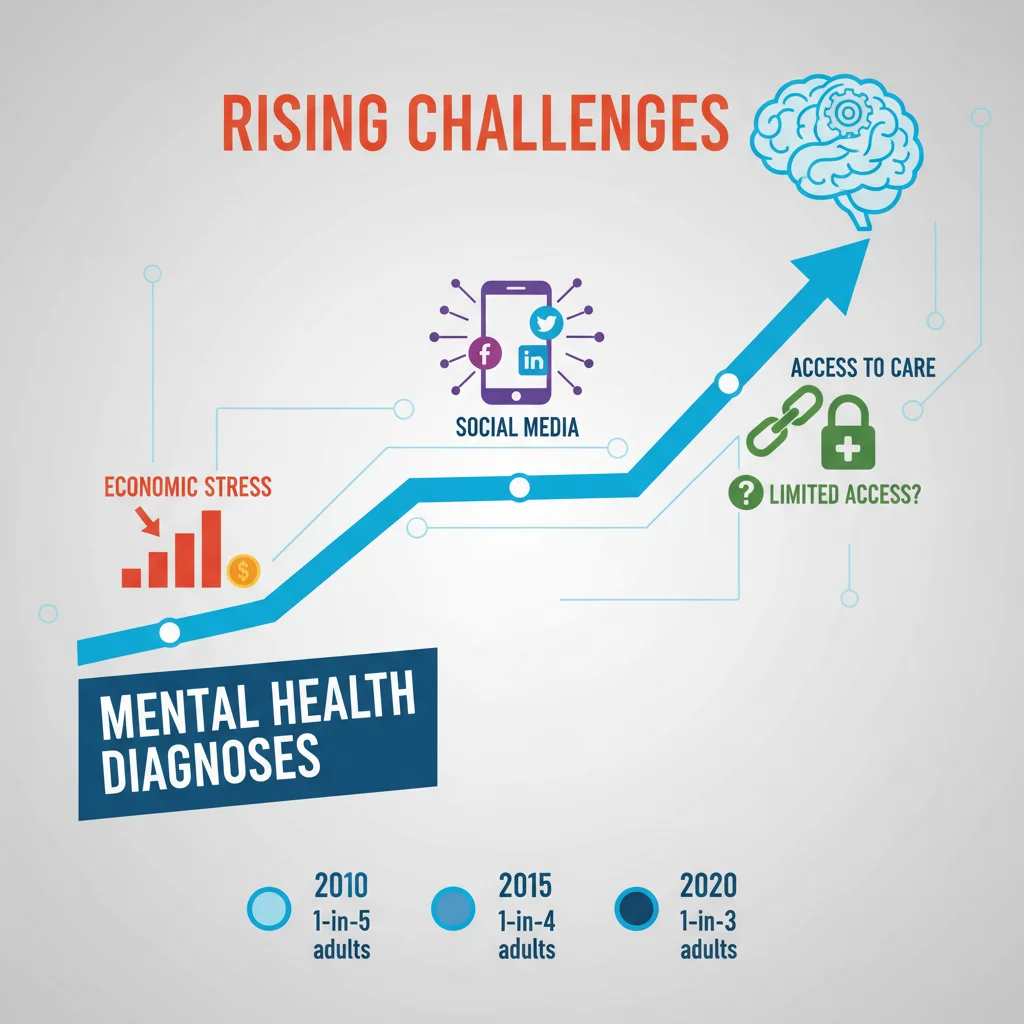
Understanding the sheer scale of the problem is the first step toward effective intervention. Reports consistently indicate that approximately 1 in 5 US adults experiences a mental illness annually. This staggering figure translates to millions of individuals, families, and communities directly impacted. The implications extend far beyond individual suffering, touching upon economic productivity, healthcare infrastructure, social cohesion, and overall national well-being. The pandemic undoubtedly exacerbated many existing vulnerabilities, bringing mental health issues to the forefront of public discourse and policy debates. However, even before the global health crisis, the trends were concerning, pointing to systemic issues that require sustained, collaborative effort to overcome.
The Alarming Scope of the US Mental Health Crisis in 2026
The term ‘crisis’ is not used lightly when describing the state of mental health in the United States. It reflects not only the prevalence of mental illness but also the significant gaps in access to care, the stigma associated with seeking help, and the profound impact on individuals’ lives. In 2026, data continues to confirm that anxiety disorders, major depressive episodes, and substance use disorders are among the most common conditions affecting adults. Furthermore, the youth mental health crisis is particularly troubling, with growing numbers of adolescents reporting symptoms of depression and anxiety, and an alarming rise in suicide rates among younger demographics.
Several factors contribute to the persistence and escalation of the US Mental Health Crisis. Socioeconomic disparities play a crucial role, with individuals from lower-income backgrounds or marginalized communities often facing higher rates of mental health conditions and fewer resources for treatment. The rising cost of living, job insecurity, and systemic discrimination all act as significant stressors. Additionally, the increasing reliance on digital technologies and social media, while offering connectivity, also presents new challenges, including cyberbullying, social comparison, and the pressure to maintain an idealized online persona, all of which can negatively impact mental well-being, especially among younger populations.
The healthcare system itself faces immense pressure. A shortage of mental health professionals, particularly in rural areas, means that many individuals cannot access timely or appropriate care. Long wait times for appointments, coupled with inadequate insurance coverage for mental health services, further exacerbate the problem. Even when care is available, the quality can vary, and integrated care models—where physical and mental health are treated holistically—are still not universally adopted. Addressing these systemic failures is paramount to turning the tide against the US Mental Health Crisis.
Understanding the Data: Who is Most Affected?
While the US Mental Health Crisis affects a broad spectrum of the population, certain demographics experience disproportionately higher rates of mental illness and face unique barriers to care. Young adults (ages 18-25) consistently show the highest prevalence of mental illness, with rates of major depressive episodes and anxiety disorders particularly elevated in this group. This period of life is often marked by significant transitions, academic pressures, and identity formation, making individuals particularly vulnerable.
Furthermore, racial and ethnic minority groups often encounter additional challenges. Systemic racism, cultural stigma surrounding mental illness, and a lack of culturally competent care providers contribute to lower rates of diagnosis and treatment within these communities. Veterans, too, represent a population with heightened mental health needs, frequently experiencing post-traumatic stress disorder (PTSD), depression, and anxiety as a result of their service. Understanding these disparities is crucial for developing targeted and equitable interventions.
The economic impact of the US Mental Health Crisis cannot be overstated. Mental illnesses contribute significantly to lost productivity, absenteeism, and presenteeism (being at work but not fully functional). The total economic burden, encompassing healthcare costs, lost wages, and disability benefits, runs into hundreds of billions of dollars annually. Investing in mental health care is not just a humanitarian imperative; it is an economic necessity, promising substantial returns in terms of improved public health and economic stability.
Recent Updates and Policy Shifts in 2026
In response to the escalating US Mental Health Crisis, there have been notable developments in policy, funding, and public awareness campaigns. The year 2026 sees a continued push for mental health parity—the principle that insurance coverage for mental health and substance use disorder treatment should be no more restrictive than for medical and surgical care. While parity laws have been in place for some time, enforcement and full implementation remain ongoing challenges.
One significant update is the increased investment in the 988 Suicide & Crisis Lifeline. Launched in 2022, 988 provides an easy-to-remember number for anyone experiencing a mental health crisis. In 2026, efforts are focused on expanding its capacity, ensuring rapid response times, and integrating it more effectively with local crisis services. This initiative aims to shift away from relying solely on emergency services and law enforcement for mental health crises, offering a more appropriate and compassionate first response.
Telehealth services have also seen a dramatic expansion, accelerated by the pandemic. In 2026, many of the temporary waivers that allowed for greater flexibility in telehealth provision have become permanent, significantly improving access to mental health care, especially for individuals in remote areas or those with mobility challenges. This shift has not only made therapy and psychiatric consultations more convenient but has also helped to reduce some of the stigma associated with in-person visits.
Technological Innovations and Digital Mental Health
Beyond telehealth, technological innovations are playing an increasingly vital role in addressing the US Mental Health Crisis. Mobile applications for mindfulness, meditation, mood tracking, and cognitive behavioral therapy (CBT) exercises are gaining traction. These apps offer convenient, often affordable, and sometimes anonymous ways for individuals to manage their mental well-being. While they are not a substitute for professional care, they can serve as valuable tools for self-management and early intervention.
Artificial intelligence (AI) and machine learning are also being explored for their potential in mental health. AI-powered chatbots can provide immediate support and guidance, while machine learning algorithms can help identify individuals at risk of developing mental health conditions based on digital footprints or health records, allowing for proactive outreach. However, ethical considerations regarding data privacy, algorithmic bias, and the need for human oversight remain critical discussion points as these technologies evolve.
Virtual reality (VR) and augmented reality (AR) are emerging as promising tools for exposure therapy, anxiety management, and even skills training for social interactions. By creating immersive and controlled environments, VR can help individuals confront fears, practice coping mechanisms, and develop resilience in a safe space. These cutting-edge technologies offer exciting new avenues for treatment, especially for conditions that have traditionally been difficult to treat with conventional methods.
Practical Solutions and Strategies for Mental Health Support
Addressing the US Mental Health Crisis requires a multi-pronged approach, encompassing prevention, early intervention, treatment, and ongoing support. No single solution will suffice; rather, a comprehensive strategy that integrates various initiatives is essential.
1. Enhancing Access to Care and Reducing Barriers
Improving access to mental health services remains a top priority. This includes:
- Expanding the Mental Health Workforce: Investing in training programs for psychiatrists, psychologists, social workers, and counselors. This also involves incentivizing professionals to work in underserved areas through loan forgiveness programs or grants.
- Integrating Mental Health into Primary Care: Embedding mental health professionals within primary care settings allows for earlier detection and treatment of conditions, reducing stigma and making care more convenient.
- Strengthening Insurance Coverage: Ensuring robust implementation of mental health parity laws and advocating for policies that expand coverage for a wider range of mental health services, including preventative care and long-term therapy.
- Community-Based Services: Developing and funding local mental health clinics, crisis centers, and mobile crisis units that can provide immediate support and connect individuals to ongoing care.
2. Prioritizing Prevention and Early Intervention
Preventative measures and early intervention programs are crucial, especially for children and adolescents:
- School-Based Mental Health Programs: Implementing comprehensive mental health education, screening, and counseling services in schools to identify issues early and provide support.
- Parental Support and Education: Equipping parents with resources and knowledge to recognize mental health challenges in their children and foster supportive home environments.
- Workplace Wellness Programs: Encouraging employers to create mentally healthy workplaces through stress reduction programs, employee assistance programs (EAPs), and flexible work arrangements.
- Public Awareness Campaigns: Continuing and expanding campaigns that educate the public about mental health, reduce stigma, and encourage help-seeking behaviors.
3. Fostering Community Support and De-Stigmatization
The power of community and the importance of de-stigmatization cannot be overstated in combating the US Mental Health Crisis:
- Peer Support Networks: Promoting and funding peer-led support groups where individuals with lived experience can offer empathy, understanding, and practical advice. These groups can be incredibly empowering and reduce feelings of isolation.
- Mental Health First Aid Training: Training individuals in the general public to recognize the signs of mental health crises and provide initial help, similar to physical first aid. This creates a more supportive and informed community.
- Challenging Stigma: Continuously working to dismantle the societal stigma surrounding mental illness through education, personal narratives, and public figures sharing their experiences. The more open conversations there are, the less shame individuals will feel about seeking help.
- Culturally Competent Care: Ensuring that mental health services are not only accessible but also culturally sensitive and responsive to the diverse needs of different communities. This includes training providers in cultural competence and increasing the diversity of the mental health workforce.

The Role of Advocacy and Policy Change
Sustainable change in addressing the US Mental Health Crisis hinges significantly on ongoing advocacy and impactful policy reform. Grassroots organizations, professional associations, and individuals with lived experience are all vital in driving these changes. Lobbying for increased federal and state funding for mental health services, advocating for stronger enforcement of mental health parity laws, and pushing for legislation that supports integrated care models are all critical components of this effort.
Furthermore, policy must address the social determinants of mental health. This means considering how factors like housing instability, food insecurity, access to education, and safe environments impact mental well-being. A holistic policy approach recognizes that mental health is not just about individual pathology but is deeply intertwined with broader societal conditions. Addressing these root causes through policy can have a profound and lasting impact on the overall mental health of the nation.
Looking Ahead: A Vision for 2026 and Beyond
The path to effectively addressing the US Mental Health Crisis is long and complex, but not insurmountable. The year 2026 represents a crucial point where the seeds of recent policy changes and technological advancements are beginning to bear fruit. The increased public recognition of mental health as a legitimate and pressing health concern is a significant positive shift.
A hopeful vision for the future includes a healthcare system where mental health is treated with the same urgency and resources as physical health. It envisions communities where individuals feel comfortable discussing their mental health without fear of judgment, and where support is readily available and culturally appropriate. It also imagines a society that prioritizes preventative measures, ensuring that children and adolescents grow up with the emotional tools and support systems they need to thrive.
Achieving this vision requires continued collaboration among policymakers, healthcare providers, educators, employers, community leaders, and individuals. It demands sustained investment, innovative thinking, and a collective commitment to empathy and understanding. While the statistics of 1 in 5 adults being affected annually are sobering, they also serve as a powerful call to action, reminding us that every effort to improve mental health support makes a tangible difference in human lives.
Practical Steps You Can Take Now
While systemic changes are underway, individuals also have a role to play in navigating the US Mental Health Crisis, both for themselves and for those around them. Here are some practical steps:
- Educate Yourself: Learn about common mental health conditions, their symptoms, and available treatments. Understanding can reduce stigma and empower you to seek help or support others.
- Practice Self-Care: Prioritize activities that promote your mental well-being, such as regular exercise, healthy eating, adequate sleep, mindfulness, and engaging in hobbies you enjoy.
- Reach Out for Support: If you are struggling, do not hesitate to contact a mental health professional. Utilize resources like the 988 Suicide & Crisis Lifeline or local community mental health centers.
- Be a Listener: If someone you know is struggling, offer a non-judgmental ear. Sometimes, just knowing someone cares can make a significant difference.
- Advocate: Support organizations working to improve mental health services and advocate for policies that prioritize mental well-being in your community and beyond.
- Reduce Stigma: Be mindful of your language surrounding mental health. Challenge stereotypes and promote open, honest conversations.
The journey to a mentally healthier nation is a collective one. By understanding the challenges, embracing innovative solutions, and fostering a culture of support, we can collectively work towards a future where everyone has the opportunity to achieve optimal mental well-being. The US Mental Health Crisis is a formidable challenge, but with concerted effort and compassion, it is a challenge we can overcome.