The Graying of America: How the 65+ Population Will Exceed 75 Million by 2030 and Its Societal Implications
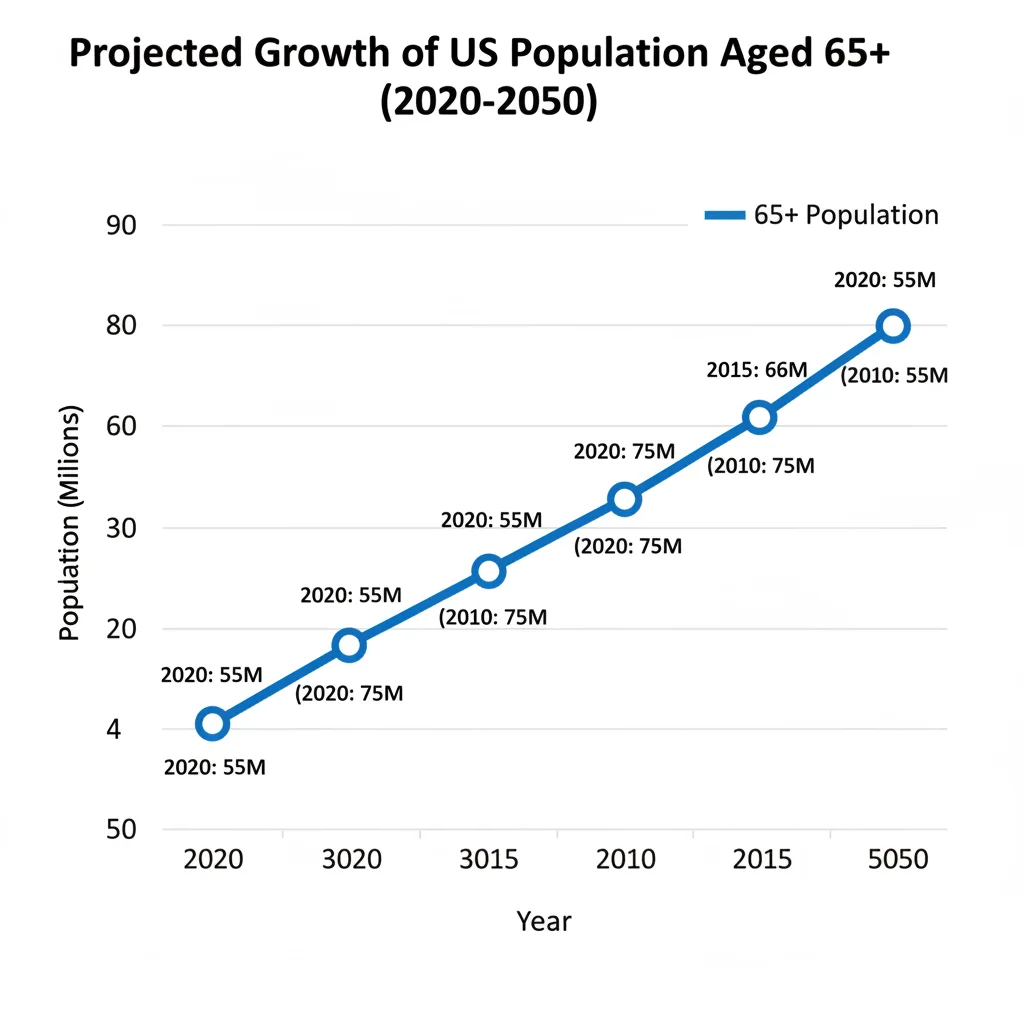
The demographic landscape of the United States is undergoing a profound transformation. What was once a distant projection is now an imminent reality: America’s aging population is rapidly expanding. By the year 2030, a mere six years away, the number of Americans aged 65 and older is projected to surpass a staggering 75 million. This unprecedented demographic shift, often referred to as the ‘graying of America,’ is not just a statistical anomaly; it represents a fundamental reordering of our society, with far-reaching implications across virtually every sector, from healthcare and economics to infrastructure and social dynamics. Understanding and preparing for this shift, particularly the growth of America’s aging population, is paramount for policymakers, businesses, families, and individuals alike.
This article delves deep into the anticipated challenges and opportunities presented by America’s aging population. We will explore the driving forces behind this demographic surge, analyze its potential impact on critical areas such as healthcare systems, the economy, labor markets, and social structures, and discuss innovative strategies and policy considerations to foster a resilient and inclusive society for all ages. The goal is to provide a comprehensive overview, offering insider knowledge and recent updates to equip readers with the insights needed to navigate this evolving future successfully.
The Demographic Tsunami: Understanding America’s Aging Population Trends
The rise in America’s aging population by 2030 is not a sudden phenomenon but the culmination of several long-term trends. Primarily, it’s the result of the aging of the Baby Boomer generation (those born between 1946 and 1964), who are now entering their senior years in unprecedented numbers. This large cohort is augmented by increased life expectancy, thanks to advancements in medicine, public health, and living standards. Americans are living longer and, in many cases, healthier lives than previous generations. While this is a testament to societal progress, it also presents unique challenges for infrastructure and support systems designed for a younger populace.
The U.S. Census Bureau projects that by 2034, older adults will outnumber children under 18 for the first time in U.S. history. This stark statistic underscores the magnitude of the demographic shift. The proportion of the population aged 65 and older is expected to grow from about 16% in 2020 to over 20% by 2030. This means that one in five Americans will be a senior citizen, a significant increase that will reshape societal norms and expectations regarding aging. The implications for America’s aging population are extensive and require proactive planning.
Furthermore, declining birth rates in recent decades also contribute to the relative increase in the older population. Fewer younger people entering the workforce and society means a higher dependency ratio, where a smaller working-age population supports a larger retired population. This dynamic creates pressure on social security, healthcare, and other public services. The interplay of these factors creates a complex demographic picture that demands careful consideration and strategic responses to support America’s aging population effectively.
Economic Ripples: Impact on Labor, Social Security, and Healthcare
Labor Market Transformations
As America’s aging population grows, the labor market will experience significant transformations. A large segment of experienced workers will exit the workforce, potentially leading to labor shortages in various sectors. This exodus could also result in a substantial loss of institutional knowledge and expertise. Businesses will need to adapt by developing strategies to retain older workers, facilitate knowledge transfer, and attract and train new generations of employees. Flexible work arrangements, reskilling programs, and age-friendly workplaces will become increasingly important.
However, the aging workforce also presents opportunities. Many older adults wish to remain employed, whether for financial stability, social engagement, or a sense of purpose. Tapping into this experienced talent pool can mitigate labor shortages and enrich the workplace with diverse perspectives and skills. Policies that encourage phased retirement, part-time work, and entrepreneurship among seniors can harness the economic potential of America’s aging population.
The Future of Social Security and Medicare
The financial sustainability of Social Security and Medicare, two cornerstone programs for America’s aging population, is a primary concern. These programs operate on a pay-as-you-go system, where current workers’ contributions fund current retirees’ benefits. With a shrinking ratio of workers to retirees, the financial strain on these systems is undeniable. Projections indicate that without reforms, both programs face significant funding shortfalls in the coming decades.
Potential solutions include adjusting the retirement age, modifying benefit formulas, increasing payroll taxes, or exploring alternative funding mechanisms. These are politically sensitive issues, but addressing them proactively is crucial to ensure the long-term solvency of these vital safety nets for America’s aging population. Public discourse and bipartisan cooperation will be essential to arrive at equitable and sustainable solutions.
Healthcare System Under Strain
Perhaps no sector will feel the impact of America’s aging population more acutely than healthcare. Older adults typically require more medical care, including chronic disease management, specialized treatments, and long-term care services. This increased demand will place immense pressure on healthcare infrastructure, workforce, and financial resources.
Key challenges include a projected shortage of geriatricians and other healthcare professionals specializing in elder care, the rising cost of prescription drugs, and the need for more accessible and affordable long-term care options. The current healthcare model, often reactive and focused on acute care, may not be adequately equipped to handle the prevalence of chronic conditions common among America’s aging population.
Innovations in healthcare delivery, such as telemedicine, remote monitoring, and integrated care models, will be vital. Emphasis on preventive care, healthy aging initiatives, and community-based support services can help manage demand and improve the quality of life for seniors. Furthermore, investing in research for age-related diseases and developing new technologies to assist older adults will be crucial. The focus on America’s aging population requires a systemic shift towards proactive and patient-centered care.
Societal Shifts: Housing, Infrastructure, and Community Life
Adapting Housing and Infrastructure
The built environment significantly impacts the quality of life for America’s aging population. Many existing homes and public spaces are not designed with the needs of older adults in mind. As the senior population grows, there will be an increasing demand for age-friendly housing options, including accessible homes, assisted living facilities, and continuing care retirement communities.
Urban planning and infrastructure development will need to prioritize accessibility, walkability, and public transportation options that cater to individuals with varying mobility levels. Sidewalks, public buildings, and transportation systems must be adapted to ensure that older adults can remain active and engaged in their communities. Smart city initiatives that leverage technology to support independent living and enhance safety will also play a crucial role in creating environments conducive to America’s aging population.
Redefining Community and Social Connections
Social isolation and loneliness are significant concerns for America’s aging population, impacting mental and physical health. As more people live longer, maintaining robust social connections becomes even more critical. Communities will need to foster intergenerational programs, senior centers, and volunteer opportunities that allow older adults to remain connected and contribute their wisdom and experience.
The role of family caregivers will also intensify. With a larger older population, the burden on family members, often juggling their own careers and families, will increase. Policies supporting caregivers, such as paid family leave, respite care, and educational resources, will be essential to sustain this vital support system. Strengthening community bonds and creating supportive networks will be key to enhancing the well-being of America’s aging population.
Policy and Innovation: Paving the Way for a Resilient Future
Government Policies and Legislative Action
Addressing the challenges and harnessing the opportunities presented by America’s aging population requires comprehensive policy responses at federal, state, and local levels. This includes reforms to entitlement programs, investments in healthcare infrastructure, and incentives for age-friendly development. Policymakers must engage in long-term strategic planning, moving beyond short-term political cycles to implement sustainable solutions.
Key policy areas include:
- Healthcare Reform: Shifting focus towards preventive care, chronic disease management, and affordable long-term care.
- Workforce Development: Promoting lifelong learning, reskilling older workers, and creating flexible employment options.
- Social Security and Medicare Modernization: Ensuring the financial stability and adequacy of these crucial programs.
- Housing and Urban Planning: Incentivizing the creation of age-friendly communities and accessible housing.
- Caregiver Support: Providing resources, training, and financial assistance to family caregivers.
Effective policy will require collaboration across different governmental agencies and engagement with stakeholders from various sectors, ensuring that the needs and contributions of America’s aging population are at the forefront.
Technological Advancements and Innovation
Technology offers immense potential to mitigate many of the challenges associated with America’s aging population. From assistive technologies that promote independent living to digital health platforms that improve care coordination, innovation will be a critical driver of progress.
Examples include:
- Smart Home Devices: Sensors and automated systems that monitor health, detect falls, and provide reminders.
- Telemedicine and Remote Monitoring: Enabling virtual consultations and continuous health tracking, reducing the need for frequent in-person visits.
- Robotics: Assisting with daily tasks, mobility, and even companionship.
- Artificial Intelligence: Personalizing healthcare, predicting health risks, and optimizing care delivery.
- Wearable Health Devices: Providing real-time health data and alerts to individuals and caregivers.
Embracing and investing in these technologies can significantly enhance the quality of life, independence, and safety for America’s aging population, while also making healthcare delivery more efficient and accessible. However, it’s crucial to address issues of digital literacy, accessibility, and affordability to ensure that these innovations benefit all seniors, regardless of their socioeconomic status or technological proficiency.
The Role of Individuals and Communities
Personal Preparedness and Lifelong Planning
While government and industry have significant roles, individuals also bear responsibility for preparing for their later years. Financial planning for retirement, maintaining a healthy lifestyle, and actively engaging in social and intellectual activities are crucial for personal well-being as part of America’s aging population.
Encouraging individuals to think proactively about their long-term care needs, housing preferences, and legacy planning can reduce future burdens on families and public systems. Education on healthy aging, financial literacy, and digital skills will empower individuals to navigate their later years with greater confidence and independence. The concept of ‘aging in place’ is gaining traction, where individuals modify their homes and communities to allow them to live independently for as long as possible. This requires foresight and planning from individuals and support from local communities.
Community Engagement and Intergenerational Solidarity
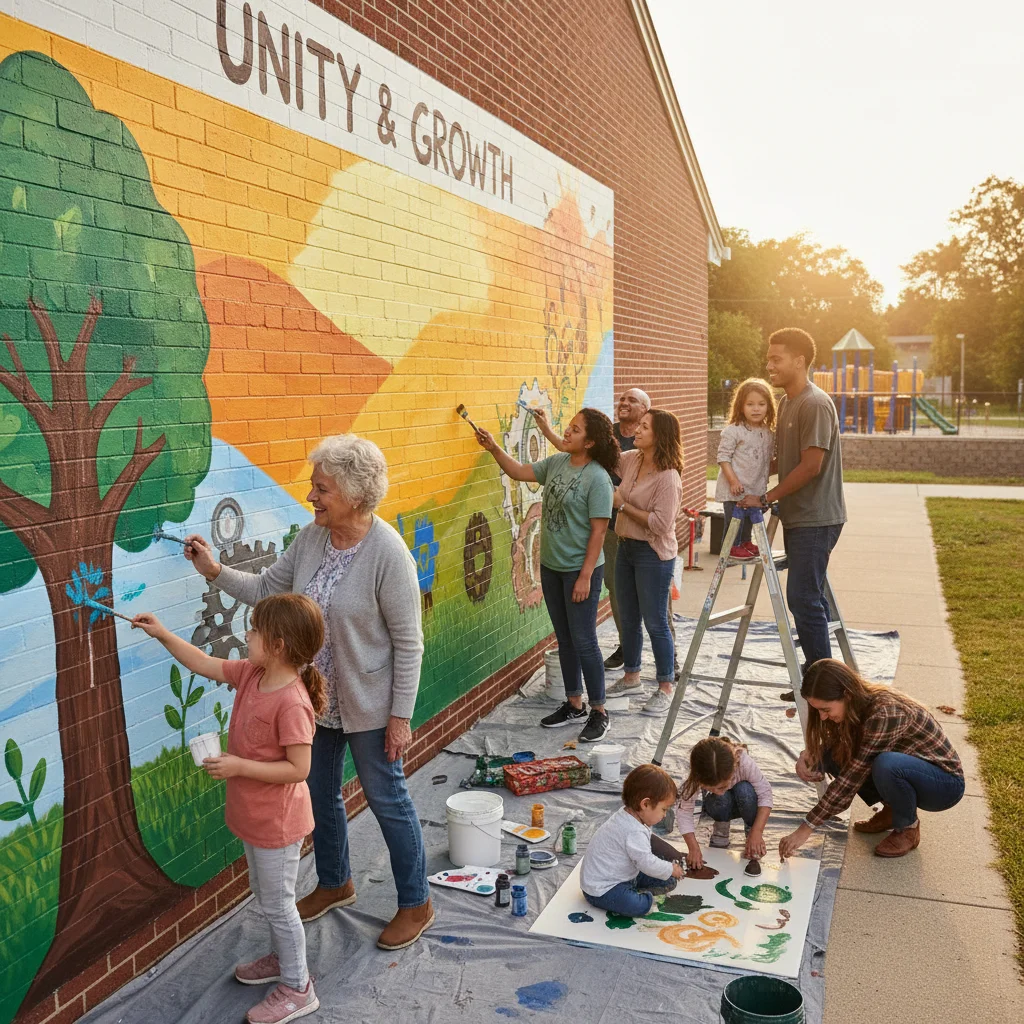
Strong, supportive communities are the backbone of a society with a large America’s aging population. Fostering intergenerational connections can combat ageism, promote understanding, and create a richer social fabric. Programs that bring together seniors and youth for mentorship, shared learning, or volunteer activities can yield benefits for all involved.
Local organizations, non-profits, and faith-based groups have a vital role to play in providing services, support networks, and opportunities for social engagement. Creating community hubs where seniors can access resources, participate in activities, and connect with peers and younger generations can significantly enhance their quality of life and reduce social isolation. The strength of America’s aging population lies not just in their numbers but in their potential to contribute to a vibrant, interconnected society.
Conclusion: Building a Future for All Ages
The graying of America, with its 65+ population set to exceed 75 million by 2030, is not merely a demographic shift; it is a societal imperative. It presents a complex array of challenges, from the sustainability of social safety nets and healthcare infrastructure to the dynamics of the labor market and community life. Yet, it also offers immense opportunities for innovation, economic growth, and the enrichment of our social fabric. By embracing proactive planning, fostering technological advancements, implementing thoughtful policies, and strengthening community bonds, we can transform these challenges into catalysts for positive change.
The future success of the United States will depend on our collective ability to adapt and create a society that values and supports its America’s aging population, recognizing their invaluable contributions and ensuring their well-being. This requires a paradigm shift in how we perceive aging – moving away from a narrative of decline towards one of continued growth, contribution, and vitality. By working together, we can build a resilient, inclusive, and age-friendly nation where all generations can thrive. The time to prepare for America’s aging population is now, to ensure a prosperous and equitable future for everyone.