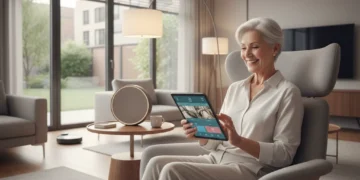
Aging in Place Technology: Stay Home Longer
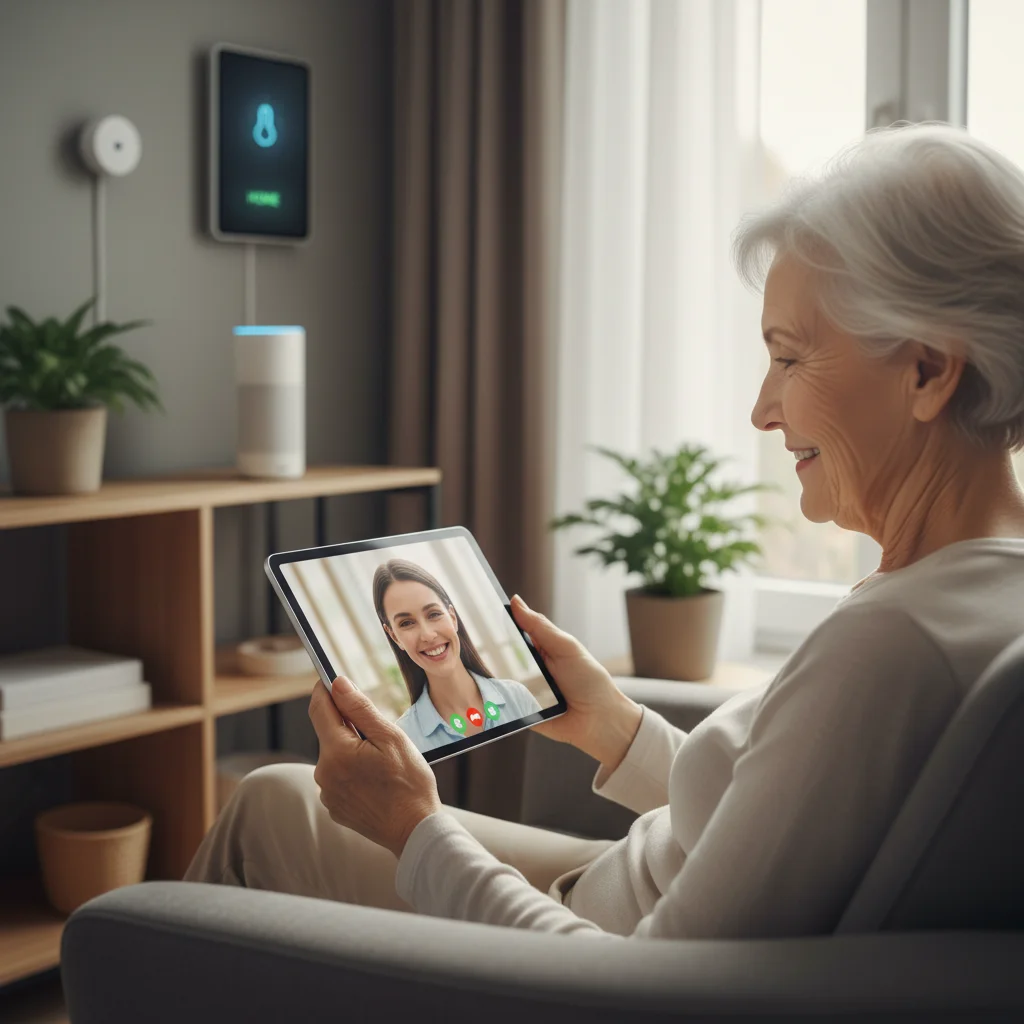
Aging in Place Technology: Empowering Seniors to Live Independently Longer
The desire to live independently in one’s own home for as long as possible is a sentiment shared by a vast majority of older adults. It’s not just about comfort and familiarity; it’s about maintaining dignity, autonomy, and a connection to a lifetime of memories. This profound preference is driving a significant shift in how we approach senior care, moving away from institutionalized settings and towards innovative solutions that support an individual’s choice to age in place. In fact, projections indicate that by 2026, a remarkable 60% of seniors will be enabled to stay in their homes longer, largely thanks to the rapid advancements and widespread adoption of aging in place technology.
For many, the concept of aging in place conjures images of traditional home care services. While these services remain invaluable, the true game-changer is the integration of technology. From sophisticated smart home systems to wearable health monitors and accessible communication tools, technology is redefining what’s possible for independent living. It’s not just about reacting to emergencies; it’s about proactive health management, enhanced safety, improved social connection, and a significantly better quality of life.
This comprehensive guide delves into the world of aging in place technology, offering insider knowledge and practical solutions for seniors, their families, and caregivers. We will explore the diverse range of technological innovations available today, understand their benefits, discuss implementation strategies, and look ahead to the future of independent senior living. Our goal is to equip you with the information needed to make informed decisions, ensuring that aging in place isn’t just a dream, but a sustainable and enriching reality.
The Growing Demand for Aging in Place Solutions
The demographic landscape is undeniably shifting. With an increasing global population of older adults, the demand for sustainable and effective senior care models is at an all-time high. Traditional care facilities, while serving a vital purpose, are often costly and can sometimes feel isolating. The overwhelming preference for aging in place stems from several key factors:
- Emotional Well-being: Remaining in a familiar environment provides comfort, reduces stress, and fosters a sense of continuity. The emotional attachment to one’s home, filled with personal history and cherished memories, is immeasurable.
- Autonomy and Control: Independent living allows seniors to maintain control over their daily routines, social interactions, and personal choices, which are crucial for mental health and self-esteem.
- Cost-Effectiveness: While initial investments in aging in place technology and home modifications may be required, they often prove to be more cost-effective in the long run compared to the escalating expenses of assisted living facilities or nursing homes.
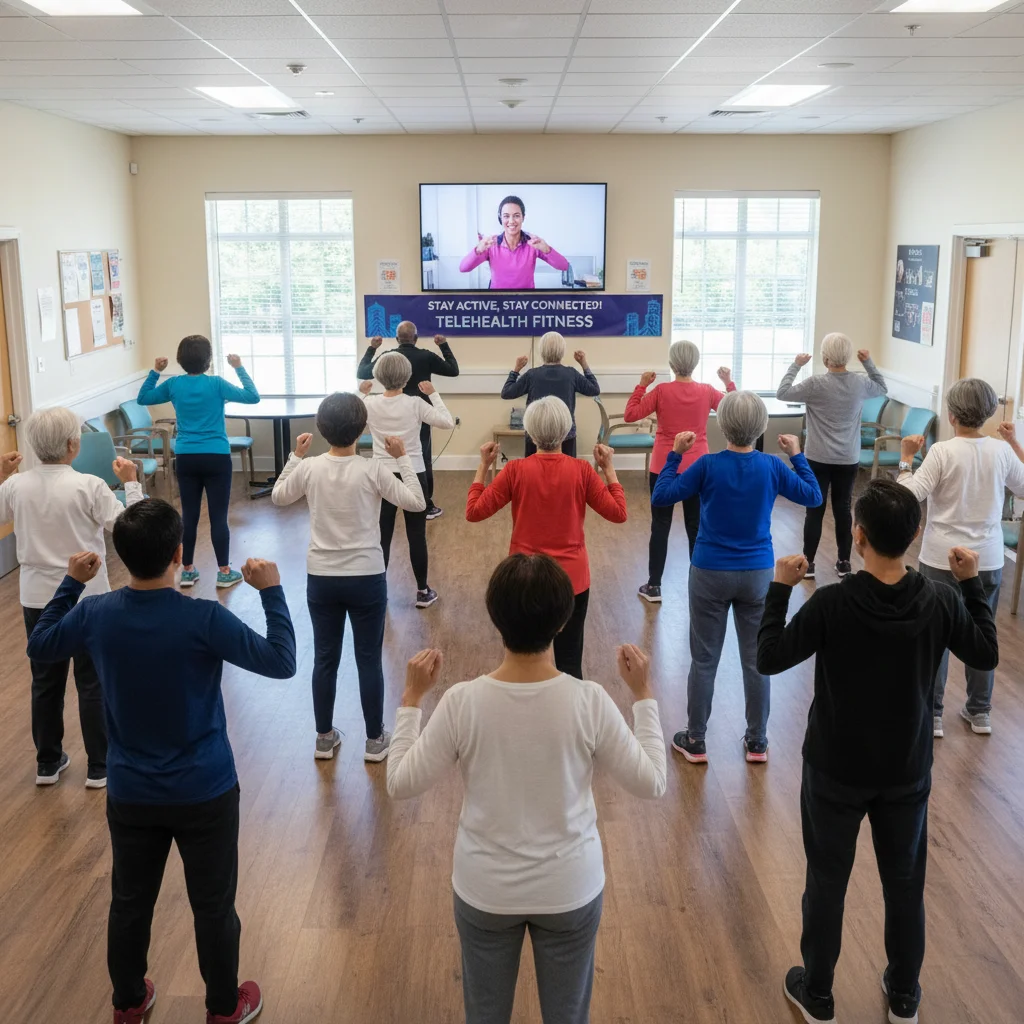
- Community Connection: Staying in one’s own home often means staying connected to established social networks, local communities, and familiar services, preventing isolation and promoting active engagement.
- Personalized Care: Technology, combined with personalized care plans, can offer a more tailored approach to individual needs, adapting as circumstances change.
Recognizing these profound benefits, innovators have poured resources into developing technologies that specifically address the challenges of independent living. This has led to an explosion of devices and services designed to enhance safety, health, and connectivity, making aging in place technology a cornerstone of modern senior care.
Pillars of Aging in Place Technology: Categories and Innovations
Aging in place technology encompasses a broad spectrum of solutions, each designed to address specific aspects of independent living. We can broadly categorize these innovations into several key pillars:
1. Safety and Security Systems
One of the primary concerns for seniors and their families is safety. Technology offers robust solutions to mitigate risks and provide peace of mind.
- Medical Alert Systems (PERS – Personal Emergency Response Systems): These are perhaps the most well-known aging in place technologies. They typically involve a wearable device (pendant or wristband) with a button that, when pressed, connects the user to an emergency response center. Advanced versions include fall detection, GPS tracking for outdoor use, and two-way communication.
- Smart Home Security: Beyond traditional alarm systems, smart security includes:
- Door and Window Sensors: Alerting to unauthorized entry.
- Smart Locks: Allowing remote access for caregivers or emergency personnel, and eliminating the need for physical keys.
- Video Doorbells: Enabling seniors to see and speak to visitors without opening the door, enhancing security and reducing social isolation.
- Environmental Sensors:
- Smoke and Carbon Monoxide Detectors: Integrated into smart home systems, these can send alerts to family members or monitoring centers.
- Water Leak Detectors: Preventing costly damage and safety hazards.
- Temperature Sensors: Ensuring a comfortable and safe living environment, alerting to extreme hot or cold conditions.
- Motion Sensors and Activity Monitoring: Discrete sensors placed around the home can track daily routines. Unusual patterns (e.g., no activity for an extended period, or excessive activity at unusual hours) can trigger alerts, indicating a potential issue without being intrusive. This type of aging in place technology offers a subtle layer of supervision.
2. Health Management and Monitoring
Maintaining health is paramount for independent living. Technology provides tools for proactive health management, remote monitoring, and medication adherence.
- Telehealth and Remote Consultations: The rise of telehealth has revolutionized access to healthcare. Seniors can consult with doctors, specialists, and therapists from the comfort of their homes, reducing the need for travel and minimizing exposure to illnesses. Video calls, secure messaging, and remote diagnostic tools are integral to this aspect of aging in place technology.
- Wearable Health Trackers: Smartwatches and fitness trackers can monitor vital signs such as heart rate, sleep patterns, activity levels, and even blood oxygen. Some advanced models offer ECG capabilities and fall detection, sending alerts to designated contacts.
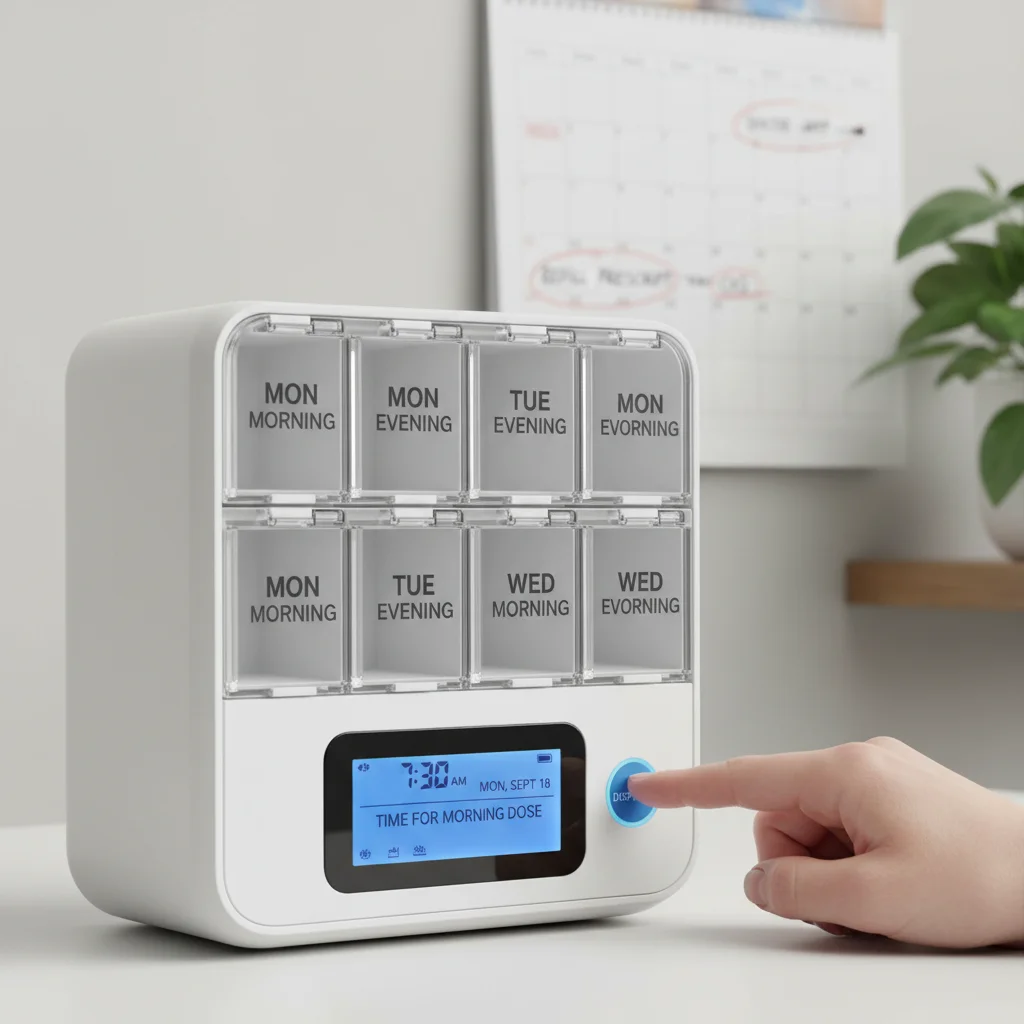
- Smart Medication Dispensers: These devices are crucial for medication adherence. They can be programmed to dispense the correct dosage at specific times, issuing audible and visual reminders. Some models alert caregivers if a dose is missed.
- Remote Patient Monitoring (RPM) Devices: For individuals with chronic conditions, RPM devices can transmit data like blood pressure, glucose levels, weight, and oxygen saturation directly to healthcare providers. This allows for continuous monitoring and timely intervention, preventing hospitalizations.
3. Cognitive Support and Engagement
Cognitive health is a significant factor in independent living. Technology can offer support for memory, organization, and mental stimulation.
- Smart Assistants (Voice-Activated Devices): Devices like Amazon Echo or Google Home can be incredibly helpful. Seniors can use voice commands to set reminders for appointments or medications, get weather updates, play music, listen to audiobooks, make calls, and even control other smart home devices. This simplifies daily tasks and provides companionship.
- Memory Aids and Reminders: Digital calendars, smart displays, and specialized apps can help manage schedules, remember names, and keep track of important information.
- Brain Training Apps and Games: Engaging in cognitive exercises through tablets or computers can help maintain mental acuity and provide entertainment.
- Virtual Reality (VR) for Cognitive Stimulation: Emerging as a promising tool, VR can offer immersive experiences that stimulate memory, provide travel experiences, and facilitate social interaction in a safe environment.
4. Social Connection and Communication
Combating social isolation is vital for senior well-being. Technology bridges distances and fosters connection.
- Video Calling Platforms: Easy-to-use tablets and smart displays with video calling capabilities allow seniors to connect face-to-face with family and friends, regardless of geographical distance.
- Dedicated Senior Communication Devices: Some devices are specifically designed with simplified interfaces and larger buttons, making communication more accessible for those less familiar with complex smartphones.
- Social Media and Online Communities: For tech-savvy seniors, platforms like Facebook or specialized online communities can offer opportunities to connect with peers, share interests, and participate in group activities.
- Digital Photo Frames: Wi-Fi enabled frames that display constantly updated photos from family members can provide a continuous visual connection to loved ones.
5. Mobility and Accessibility Aids
While not strictly ‘technology’ in the digital sense, advancements in mobility and accessibility are critical for aging in place.
- Smart Lighting Systems: Motion-activated lights, or lights controllable by voice or app, can prevent falls by ensuring well-lit pathways, especially at night.
- Automated Blinds and Curtains: Remote control over window coverings can enhance comfort and convenience.
- Robotics for Assistance: While still in early stages for home use, robotic vacuum cleaners are common, and more advanced personal assistant robots are being developed to help with tasks like fetching items or providing gentle mobility support.
- Lift Chairs and Stair Lifts: Though mechanical, these are essential for maintaining access to all areas of the home, preventing relocation due to mobility challenges.
The Benefits of Integrating Aging in Place Technology
The integration of aging in place technology offers a multitude of benefits, not just for seniors, but also for their families and the healthcare system as a whole.
- Enhanced Safety: From fall detection to smart security, technology significantly reduces the risks associated with living alone, providing peace of mind to both seniors and their loved ones.
- Improved Health Outcomes: Remote monitoring and medication adherence tools lead to better management of chronic conditions, fewer emergency room visits, and overall improved health.
- Greater Independence and Autonomy: By automating tasks, providing assistance, and facilitating communication, technology empowers seniors to maintain control over their lives and continue living on their own terms.
- Reduced Caregiver Burden: Technology can act as an extension of care, providing monitoring, reminders, and communication tools that lighten the load on family caregivers, allowing them to focus on quality time rather than constant supervision.
- Cost Savings: While there’s an initial investment, the long-term costs of aging in place with technological support are often substantially lower than those associated with residential care facilities.
- Increased Social Engagement: Overcoming geographical barriers through video calls and online communities helps combat loneliness and social isolation, which are significant risk factors for declining health in older adults.
- Personalized Care: Data collected from various devices can provide valuable insights into an individual’s health and activity patterns, allowing for more personalized and responsive care plans.
Implementing Aging in Place Technology: Practical Considerations
Adopting aging in place technology requires thoughtful planning and consideration to ensure it meets the specific needs and comfort levels of the senior.
1. Assess Individual Needs and Preferences
The most effective technological solutions are those tailored to the individual. Consider:
- Current Health Status: Are there chronic conditions requiring specific monitoring? Is fall risk a major concern?
- Cognitive Abilities: How comfortable is the senior with new technology? Voice-activated devices might be better for those with limited dexterity or visual impairment.
- Mobility Levels: What physical limitations need to be addressed?
- Technological Aptitude: Some seniors are tech-savvy, while others might prefer simpler, more intuitive devices.
- Personal Preferences: Involve the senior in the decision-making process. Their buy-in is crucial for successful adoption.
2. Start Small and Gradually Expand
Don’t overwhelm the senior with too many new devices at once. Begin with one or two key technologies that address the most pressing needs or concerns. For example, a medical alert system or a smart medication dispenser can be a great starting point. As comfort levels increase, more devices can be integrated.
3. Prioritize Ease of Use and Reliability
Simplicity is key. Look for devices with intuitive interfaces, clear instructions, and minimal maintenance. Reliable equipment is non-negotiable, especially for safety-critical systems. Ensure there is readily available technical support.
4. Ensure Connectivity and Infrastructure
Most aging in place technology relies on a stable internet connection. Ensure the home has robust Wi-Fi coverage. Consider smart home hubs that can integrate various devices into a single, manageable system.
5. Plan for Installation and Training
Professional installation may be necessary for some systems. Crucially, provide thorough training for the senior on how to use each device. Patience and repeated demonstrations are often required. Family members or caregivers should also be trained on how to monitor and troubleshoot the systems.
6. Address Privacy and Data Security Concerns
Discuss privacy implications with the senior. Understand how data is collected, stored, and shared. Choose reputable brands and services with strong data security protocols. Transparency is vital to build trust.
7. Consider the Cost and Funding Options
The cost of aging in place technology can vary widely. Research various options, compare features and prices. Explore potential funding sources, such as Medicare Advantage plans (which are increasingly covering some home health technologies), long-term care insurance, veterans’ benefits, and state or local programs.
The Future of Aging in Place Technology: What’s Next?
The field of aging in place technology is evolving at an incredible pace. What we see today is just the beginning. The future promises even more sophisticated, integrated, and personalized solutions.
- Artificial Intelligence (AI) and Machine Learning: AI will play an increasingly prominent role in predictive analytics, identifying subtle changes in behavior or health metrics that might indicate a developing problem, allowing for pre-emptive intervention. AI-powered virtual assistants will become more sophisticated, offering personalized companionship and cognitive support.
- Robotics: Beyond current robotic vacuums, expect to see more advanced service robots assisting with daily tasks, mobility, and even social interaction. These robots could help with meal preparation, light cleaning, fetching items, and providing gentle physical support.
- Advanced Biometric Monitoring: Non-invasive sensors embedded in furniture, floors, or even clothing will continuously monitor vital signs, gait, and sleep patterns without requiring the senior to wear any devices.
- Augmented Reality (AR): AR could be used to provide visual cues for memory support, overlay instructions on appliances, or create immersive virtual social experiences.
- Hyper-Personalization: Future systems will be even more adaptable to individual needs, learning preferences and routines to offer truly personalized support and intervention.
- Integrated Care Platforms: Expect greater integration between home-based technology, healthcare providers, and family caregivers, creating a seamless ecosystem of support.
Challenges and Considerations
While the promise of aging in place technology is immense, there are challenges that need to be addressed:
- Digital Divide: Not all seniors have equal access to or comfort with technology. Efforts must be made to bridge this digital divide through education, affordable access, and user-friendly designs.
- Privacy Concerns: The collection of personal data raises legitimate privacy concerns. Clear regulations and ethical guidelines are needed to ensure data protection and responsible use.
- Over-Reliance on Technology: Technology should augment human care, not replace it. The human touch, empathy, and social interaction remain indispensable.
- Maintenance and Support: Ensuring ongoing technical support, software updates, and maintenance for these systems is crucial for their long-term effectiveness.
- Cost: While often more cost-effective than institutional care, the initial investment can still be significant for some families. Finding ways to make these technologies more affordable and accessible is key.
Conclusion: A Brighter Future for Independent Living
The vision of seniors living independently and comfortably in their own homes for longer is not a distant dream; it is rapidly becoming a reality, significantly propelled by advancements in aging in place technology. From enhancing safety and managing health to fostering social connections and providing cognitive support, technology is empowering older adults to maintain their autonomy and enjoy a higher quality of life.
As we move towards 2026 and beyond, the integration of smart home devices, telehealth solutions, wearable monitors, and AI-powered assistance will become increasingly commonplace. These innovations are not just about convenience; they are about transforming the landscape of senior care, offering dignity, choice, and a sustainable path for an aging population.
For seniors, families, and caregivers, understanding and embracing these technological solutions is key to unlocking a future where aging in place is not just an aspiration, but an achievable and enriching lifestyle. By carefully assessing needs, prioritizing user-friendliness, and staying informed about emerging innovations, we can collectively build environments that support independent living for generations to come. The era of empowered aging, driven by intelligent technology, is here.