Combating Loneliness: Community Solutions for a Connected Future

Combating Loneliness: Community Solutions for a Connected Future
The United States is currently grappling with a public health crisis that often goes unaddressed, yet its impact is profound and far-reaching: the loneliness epidemic. This isn’t merely a fleeting emotion but a chronic state of social isolation that has been linked to severe health risks, comparable to smoking 15 cigarettes a day. From increased risks of heart disease and stroke to a higher likelihood of depression, anxiety, and even premature death, the consequences of prolonged loneliness are stark. The Surgeon General’s advisory in 2023 highlighted the urgency of this issue, calling for a national strategy to rebuild social connection and community. As we look towards 2026, innovative community-based solutions are emerging, offering beacons of hope in the quest to foster genuine connection and belonging. These initiatives recognize that while technology can connect us digitally, true human flourishing requires face-to-face interaction, shared purpose, and a sense of being an integral part of something larger than oneself. Addressing this pervasive challenge requires a multi-faceted approach, one that prioritizes the creation of environments where social bonds can naturally form and flourish. The focus is shifting from individual interventions to systemic changes within communities, understanding that our social fabric is a collective responsibility. The rising awareness of the ‘Community Loneliness Solutions’ is a testament to this evolving understanding, emphasizing the power of collective action to mend the fraying threads of social connection. This article will delve into four such groundbreaking initiatives, exploring how they are designed to bring people together, cultivate empathy, and ultimately, build more resilient, connected communities.
The Alarming Rise of the Loneliness Epidemic
Before we explore the solutions, it’s crucial to understand the scope and gravity of the problem. Data from various sources, including the American Psychological Association and the CDC, consistently show a significant increase in reported loneliness across all age groups, though particularly pronounced among young adults and older populations. The COVID-19 pandemic, with its enforced isolation and disruption of social norms, exacerbated an already growing issue. However, the roots of the loneliness epidemic run deeper, intertwined with societal shifts such as increased digital interaction over in-person contact, longer working hours, geographical mobility, and a decline in traditional community institutions like religious organizations and civic groups. The erosion of ‘third places’ – spaces outside of home and work where people can gather informally – has also played a significant role. These spaces, like local cafes, libraries, parks, and community centers, are vital for serendipitous encounters and the development of casual acquaintanceships that can evolve into deeper friendships. The impact extends beyond individual well-being; a less connected society is often a less trusting and less cohesive one, affecting everything from civic engagement to public health outcomes. The economic costs are also substantial, with loneliness contributing to increased healthcare expenditures and reduced productivity. Recognizing the multifaceted nature of this crisis is the first step towards formulating effective ‘Community Loneliness Solutions’. The challenge is not just to reduce feelings of isolation but to actively build and sustain environments that naturally foster connection and belonging. This requires a paradigm shift, moving away from a focus solely on individual resilience to one that emphasizes collective social infrastructure. The solutions we will discuss aim to bridge these gaps, creating new pathways for people to find their place within a supportive and engaging community.
1. Intergenerational Connection Hubs: Bridging the Age Gap
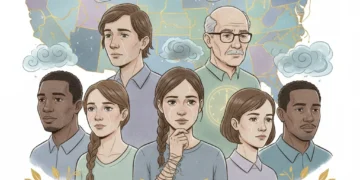
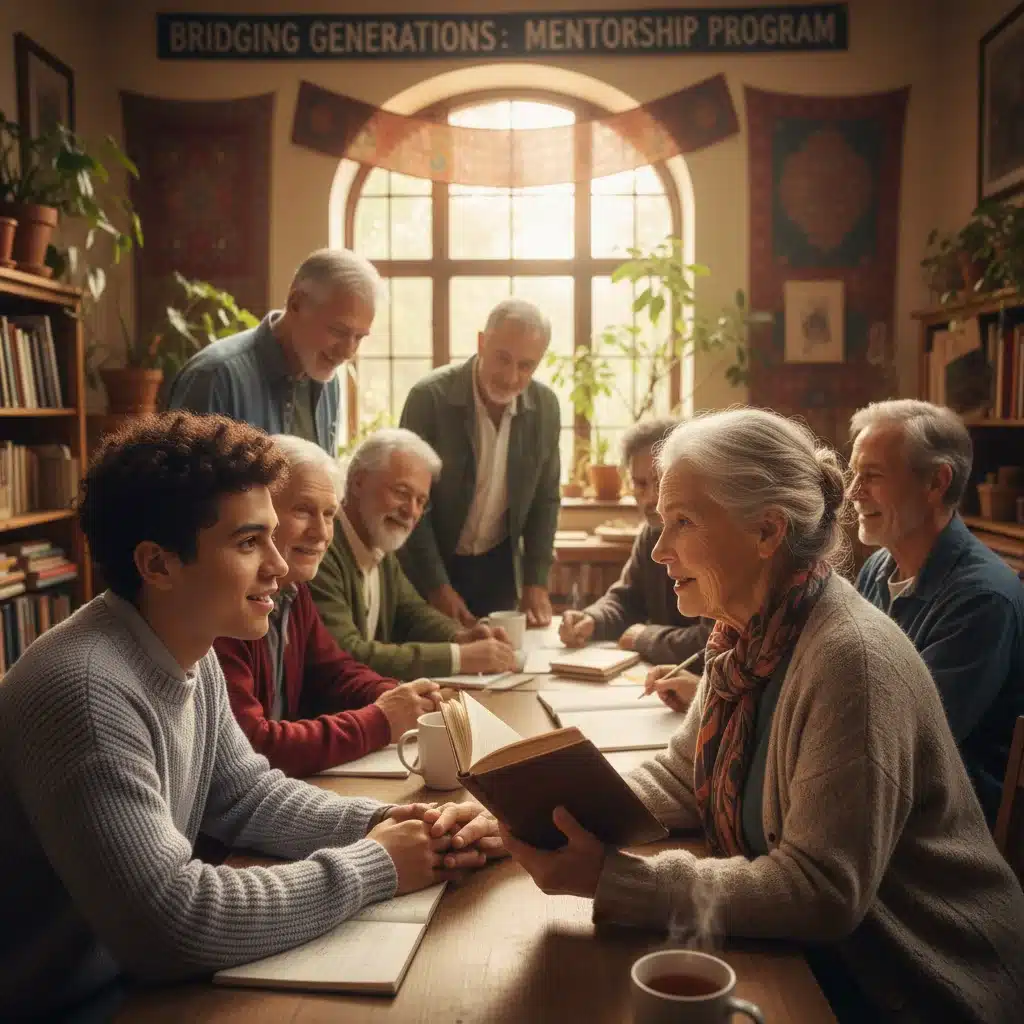
One of the most promising ‘Community Loneliness Solutions’ emerging in 2026 is the development of Intergenerational Connection Hubs. These innovative centers are designed to deliberately bring together different age groups, recognizing that both the young and the old often experience loneliness, albeit for different reasons. Older adults may face social isolation due to retirement, loss of loved ones, or mobility issues, while younger generations, despite being digitally connected, often report feelings of profound loneliness and a lack of meaningful in-person relationships. Intergenerational hubs address this by creating shared spaces and structured programs where seniors can mentor younger individuals, share life experiences, and participate in joint activities such as storytelling sessions, arts and crafts, gardening, or even tech support exchanges. Imagine a scenario where a high school student teaches a senior how to navigate social media, and in return, the senior shares recipes or historical anecdotes. These interactions not only provide companionship but also foster a sense of purpose and mutual respect. For older adults, it offers an opportunity to feel valued and contribute their wisdom; for younger generations, it provides guidance, perspective, and a sense of connection to history and tradition. Early pilot programs have shown remarkable success in reducing feelings of isolation in both age groups, improving cognitive function in seniors, and enhancing social skills in youth. These hubs are often integrated into existing community infrastructure, such as libraries, schools, or senior centers, making them accessible and sustainable. The key is intentional design, ensuring that programs are engaging, reciprocal, and built on shared interests, effectively creating a vibrant ecosystem of ‘Community Loneliness Solutions’. The success of these hubs lies in their ability to transcend superficial interactions, cultivating deep, meaningful relationships that enrich the lives of all participants. They are not just places to pass the time, but dynamic environments where different generations learn from and support each other, creating a stronger, more empathetic community fabric.
2. Hyper-Local Skill-Sharing Networks: Rebuilding Neighborhood Ties
In an increasingly specialized and individualistic society, the concept of neighbors helping neighbors has somewhat diminished. However, 2026 is seeing a resurgence of Hyper-Local Skill-Sharing Networks as a powerful ‘Community Loneliness Solution’. These networks leverage online platforms to facilitate offline interactions, allowing residents within a specific geographical area (a few blocks, a neighborhood) to offer and request skills, services, and resources. Think of it as a localized barter system for the modern age. Someone might offer gardening advice in exchange for help with computer troubleshooting. A retired carpenter might teach woodworking to a young adult, who in turn offers dog-walking services. These platforms are carefully curated to ensure safety and build trust, often requiring local verification and community moderation. The beauty of these networks lies in their ability to create organic connections based on shared needs and strengths. They empower individuals to contribute their unique talents while also receiving assistance, fostering a sense of interdependence and mutual aid. Beyond the practical benefits, these interactions naturally lead to conversations, shared experiences, and the formation of new friendships. The act of giving and receiving within a community context is a powerful antidote to loneliness, as it reinforces a sense of belonging and value. These networks are often initiated by local community organizers or grassroots movements, emphasizing local ownership and responsiveness to specific neighborhood needs. They are designed to be flexible and adaptable, allowing communities to shape them in ways that best serve their residents. By encouraging practical collaboration, these networks are not just solving immediate problems but are actively weaving a tighter social fabric, proving to be effective ‘Community Loneliness Solutions’ that empower residents to be both givers and receivers of support. The emphasis is on building social capital from the ground up, recognizing that strong communities are built on the countless small acts of kindness and collaboration that occur daily between neighbors. This model fosters resilience, not just for individuals, but for the entire community, creating a safety net of support and connection.
3. Community ‘Third Place’ Revitalization Projects: Creating Spaces for Spontaneous Connection
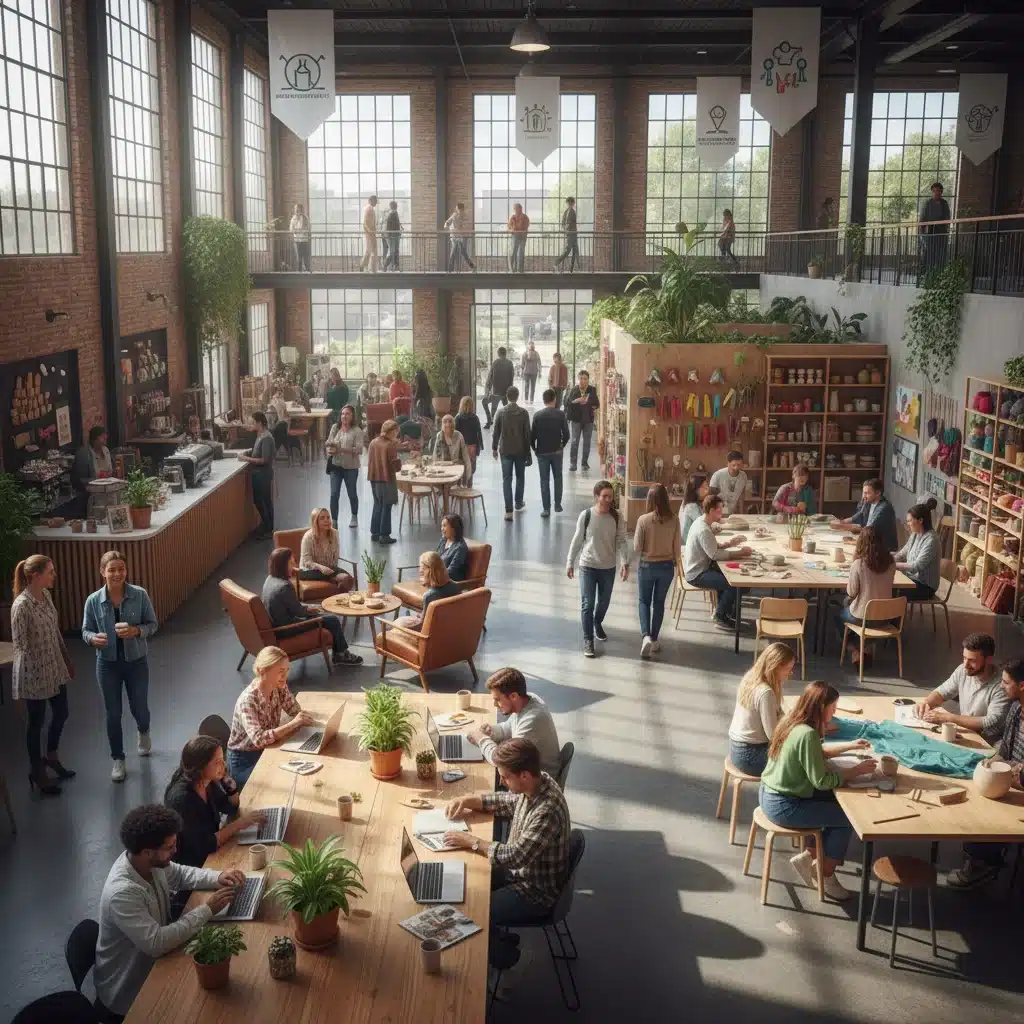
As mentioned earlier, the decline of ‘third places’ has significantly contributed to the loneliness epidemic. In response, ‘Community Loneliness Solutions’ in 2026 are heavily investing in Community ‘Third Place’ Revitalization Projects. These initiatives focus on transforming underutilized public spaces or establishing new ones that serve as informal gathering spots, accessible to everyone, regardless of age, income, or background. Examples include turning abandoned storefronts into pop-up cafes with community libraries, converting vacant lots into vibrant urban parks with seating and public art, or reimagining existing community centers to be more inviting and versatile. The key characteristics of successful third places are their accessibility, neutrality (not home, not work), and their capacity to foster spontaneous, unstructured social interaction. They are places where people can simply ‘be,’ observe, and occasionally engage with others without obligation. Revitalization projects often involve community input and design, ensuring that these spaces genuinely reflect the needs and desires of local residents. Funding can come from a mix of public grants, private donations, and local business partnerships. The goal is to create environments that are aesthetically pleasing, comfortable, and conducive to lingering. This might involve comfortable seating, free Wi-Fi, affordable refreshments, and a calendar of low-barrier events like open mic nights, board game groups, or community workshops. These revitalized third places act as social anchors, providing consistent opportunities for residents to encounter one another, build familiarity, and gradually develop deeper connections. They are vital ‘Community Loneliness Solutions’ because they address the fundamental need for shared public spaces where people can feel part of a collective, even if just by sharing a bench or a coffee. The success of these projects is measured not just by foot traffic, but by the quality of interactions and the sense of ownership and pride that residents develop for these shared spaces. They are powerful catalysts for social cohesion, transforming isolated individuals into engaged community members. By investing in these foundational elements of community life, we are investing in the social health and well-being of our entire society.
4. Digital Detox & Mindful Connection Programs: Rebalancing Our Social Lives
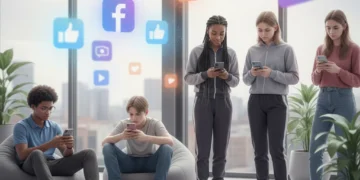
While technology has its benefits, its overuse has undeniably contributed to feelings of isolation and inadequacy for many. The fourth emerging ‘Community Loneliness Solution’ for 2026 focuses on Digital Detox & Mindful Connection Programs. These initiatives are not anti-technology but rather aim to help individuals and communities develop healthier relationships with digital devices and foster more intentional, high-quality in-person interactions. Programs might include community-wide ‘screen-free’ days or weekends, workshops on digital well-being, guided meditation and mindfulness sessions focused on presence, or organized ‘offline adventures’ like nature walks, book clubs, or volunteer days where phones are put away. Some programs even involve creating designated ‘no-phone zones’ in community centers or cafes, encouraging direct conversation. The core idea is to create opportunities for people to disconnect from the digital world and reconnect with themselves and those around them in a meaningful way. Participants learn to recognize the subtle ways digital overload can impair real-world social skills and contribute to feelings of comparison and isolation. These programs often incorporate educational components about the psychology of social media and its impact on mental health. By consciously reducing reliance on passive digital consumption and actively promoting engaged, in-person experiences, these initiatives help individuals cultivate deeper, more authentic relationships. This is a critical ‘Community Loneliness Solution’ because it addresses the behavioral patterns that often inadvertently lead to social withdrawal, encouraging a return to the foundational elements of human connection. The goal is not to eliminate technology, but to use it mindfully, ensuring it serves as a tool for connection rather than a barrier. By teaching individuals to be more present and engaged in their immediate surroundings, these programs empower them to build stronger, more resilient social bonds in their real-world communities. They are about reclaiming our attention and redirecting it towards what truly matters: human connection.
The Path Forward: Sustaining Community Loneliness Solutions
The loneliness epidemic is a complex challenge, but the emergence of these ‘Community Loneliness Solutions’ offers a hopeful vision for the future. Intergenerational Connection Hubs, Hyper-Local Skill-Sharing Networks, Community ‘Third Place’ Revitalization Projects, and Digital Detox & Mindful Connection Programs each tackle different facets of the problem, but all share a common goal: to foster genuine human connection and build more resilient communities. For these solutions to be truly effective and sustainable, several factors are crucial. First, there needs to be continued investment from local governments, philanthropic organizations, and private sectors. Funding for infrastructure, program development, and staffing is essential. Second, community engagement is paramount. Solutions must be co-created with residents, ensuring they are culturally relevant, accessible, and meet the specific needs of the local population. Third, ongoing evaluation and adaptation are necessary. What works in one community might need tweaking in another. Data collection on participation rates, reported feelings of connection, and overall well-being will be vital to refine these initiatives. Finally, a shift in societal mindset is required. We must collectively recognize social connection as a fundamental human need and a public good, much like clean water or education. Promoting empathy, encouraging civic participation, and valuing face-to-face interaction over purely digital engagement are cultural shifts that will reinforce the effectiveness of these ‘Community Loneliness Solutions’. As we move deeper into the 21st century, the health of our communities will increasingly depend on our ability to combat isolation and cultivate environments where everyone feels seen, heard, and valued. These emerging solutions are not just programs; they are a blueprint for a more connected, compassionate, and ultimately, healthier society. The journey to a more connected America is a shared one, requiring dedication, creativity, and a collective commitment to nurturing the social bonds that define our humanity. By embracing and expanding these innovative approaches, we can transform the landscape of loneliness into a vibrant tapestry of shared experiences and enduring connections.