Generational Wealth Transfer: Navigating the $68 Trillion Shift by 2030 in the US

The Unprecedented $68 Trillion Generational Wealth Transfer: A Deep Dive into the US Economy by 2030
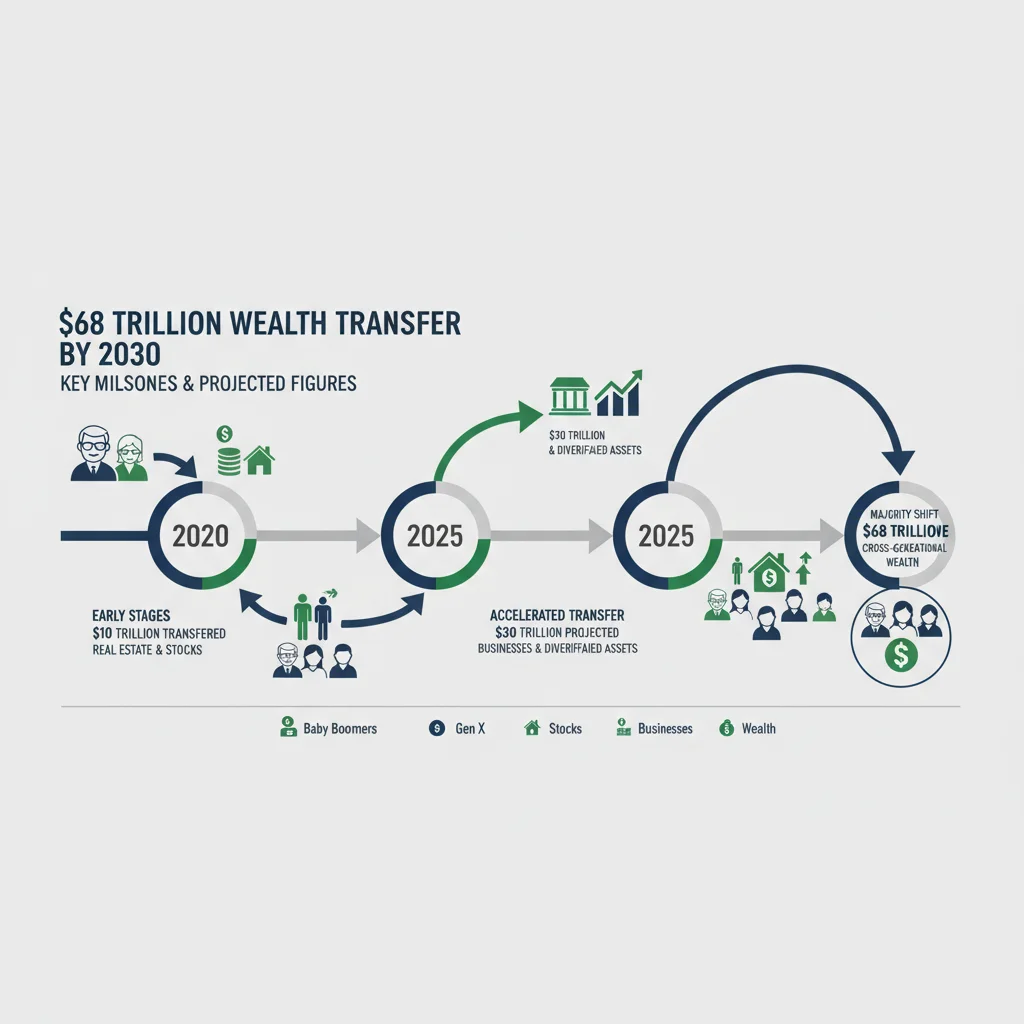
The United States is on the precipice of a monumental economic shift, one that will redefine financial landscapes and reshape the lives of millions. By 2030, an estimated $68 trillion in wealth is projected to transfer from older generations, primarily Baby Boomers, to younger generations, largely Gen X and Millennials. This generational wealth transfer isn’t just a statistic; it’s a profound demographic and economic phenomenon with far-reaching implications for individuals, families, financial institutions, and the broader economy.
Understanding this impending shift is crucial for anyone involved in financial planning, estate management, investment, or simply looking to secure their financial future. This comprehensive guide will delve into the intricacies of this unprecedented generational wealth transfer, exploring its drivers, its potential impacts, the challenges it presents, and the strategies necessary to navigate it successfully.
What is Generational Wealth Transfer?
At its core, generational wealth transfer refers to the passing of assets from one generation to the next. This can occur through various mechanisms, including inheritances, gifts, and trusts. While wealth has always moved between generations, the sheer scale and speed of the current transfer are unprecedented. The Baby Boomer generation, born between 1946 and 1964, accumulated substantial wealth over their lifetimes, driven by robust economic growth, rising asset values (particularly real estate and stocks), and favorable tax policies. As this generation ages, a significant portion of their accumulated wealth is beginning to flow to their children and grandchildren.
The Driving Forces Behind the $68 Trillion Shift
Several key factors contribute to the magnitude of this generational wealth transfer:
- Aging Population: The Baby Boomer generation is the largest and wealthiest generation in US history. As they enter their later years, the natural cycle of life dictates the transfer of their assets.
- Accumulated Wealth: Boomers benefited from decades of economic prosperity, leading to significant accumulation in retirement accounts, real estate, and other investments.
- Increased Longevity: While people are living longer, eventually wealth will still pass on. Longer lifespans have also allowed for greater wealth accumulation, making the eventual transfer larger.
- Tax Policies and Estate Planning: Current estate tax exemptions and sophisticated estate planning strategies play a role in how and when this wealth is transferred, often facilitating larger transfers to beneficiaries.
The $68 trillion figure is not merely an estimation; it’s a projection based on extensive research from institutions like Accenture and Cerulli Associates, highlighting the immense value tied to this impending shift. This makes understanding the dynamics of generational wealth transfer a critical undertaking for financial professionals and families alike.
The Impact on the US Economy: Opportunities and Challenges
The generational wealth transfer will reverberate throughout the US economy, creating both significant opportunities and considerable challenges.
Economic Opportunities
- Increased Consumer Spending: Younger generations receiving inheritances may use these funds for major purchases such as homes, education, or starting businesses, stimulating various sectors of the economy.
- Investment in New Ventures: A fresh injection of capital into the hands of younger, often more entrepreneurial generations could fuel innovation and investment in emerging technologies and industries.
- Philanthropic Growth: Many wealthy individuals and families have a strong philanthropic inclination. The transfer of wealth could lead to an increase in charitable giving, supporting non-profit organizations and social causes.
- Growth in Financial Services: Financial advisors, wealth managers, and estate planners will experience a surge in demand as families seek guidance on managing and transferring wealth effectively.
- Real Estate Market Dynamics: Inherited wealth can influence housing markets, potentially increasing demand for residential properties, especially among first-time homebuyers who receive significant inheritances.
Economic Challenges
- Wealth Inequality: While the transfer is massive, it won’t be evenly distributed. Wealth tends to be concentrated, meaning that a significant portion of the $68 trillion will go to a relatively small number of beneficiaries, potentially exacerbating existing wealth disparities.
- Intergenerational Conflict: Disputes over inheritances are common, and the sheer scale of this transfer could amplify family conflicts, leading to legal battles and strained relationships.
- Lack of Financial Literacy: Many beneficiaries, particularly younger ones, may lack the financial literacy or experience to manage substantial inheritances effectively, leading to poor investment decisions or rapid depletion of assets.
- Impact on Retirement Planning: Some beneficiaries might rely on anticipated inheritances, potentially delaying their own retirement savings, which could create future financial vulnerabilities if expectations aren’t met.
- Taxation and Policy Debates: The immense wealth transfer will inevitably reignite debates about estate taxes, inheritance taxes, and other fiscal policies aimed at addressing wealth concentration.
Who are the Beneficiaries? Understanding the Generational Divide
The primary beneficiaries of this generational wealth transfer will be Gen X and Millennials, with some wealth also flowing to Gen Z. Each generation approaches wealth and financial planning with different perspectives and priorities, which will influence how the inherited funds are utilized.
Gen X (Born 1965-1980)
Often referred to as the ‘sandwich generation,’ Gen X finds themselves supporting both aging parents and their own children. Inheritances for this group may be used to:
- Pay down debt: Mortgages, student loans, and other forms of debt are common burdens for Gen X.
- Boost retirement savings: Many Gen Xers are behind on their retirement planning and could use inherited funds to catch up.
- Support children’s education: Funding college tuition or other educational expenses for their children.
- Home improvements or upgrades: Investing in their primary residences.
Millennials (Born 1981-1996)
Millennials face unique financial challenges, including high student loan debt, volatile job markets, and a struggle to afford homeownership. Inheritances could provide a much-needed boost:
- Down payments on homes: Helping to overcome the significant barrier to entry in today’s housing market.
- Debt reduction: Tackling student loans and other consumer debts.
- Starting businesses: Providing capital for entrepreneurial ventures.
- Investing for the future: With a longer time horizon, Millennials might be more inclined to invest in growth-oriented assets.
Gen Z (Born 1997-2012)
While a smaller portion of the initial direct transfers, Gen Z will also benefit, often indirectly or through subsequent transfers from their parents (Gen X). Their priorities may include:
- Education funding: Paying for college or vocational training.
- Early investment: Starting investment portfolios at a younger age.
- Entrepreneurship: Funding innovative startups.
The varying financial priorities across generations underscore the need for personalized financial advice and tailored estate planning strategies during this massive generational wealth transfer.
Strategies for Successful Wealth Transfer
For both those transferring wealth and those receiving it, proactive planning is paramount to ensure a smooth and effective generational wealth transfer.
For Wealth Holders (Baby Boomers and Older Gen X)
- Early and Comprehensive Estate Planning: Don’t wait until it’s too late. Work with estate attorneys to create or update wills, trusts, and powers of attorney. This ensures your wishes are clearly documented and legally binding.
- Open Family Communication: Discuss your financial plans and wishes with your beneficiaries. Transparency can prevent misunderstandings and disputes down the line.
- Consider Gifting Strategies: Annual gift tax exclusions allow you to transfer wealth during your lifetime, potentially reducing your taxable estate and allowing you to see your loved ones benefit.
- Utilize Trusts: Trusts offer flexibility and control over how and when assets are distributed. They can protect assets from creditors, minimize taxes, and provide for beneficiaries with special needs.
- Charitable Giving: Incorporate philanthropic goals into your estate plan. Charitable trusts or bequests can provide tax benefits while supporting causes you care about.
- Professional Guidance: Engage financial advisors, estate attorneys, and tax professionals to navigate the complexities of wealth transfer.
For Beneficiaries (Gen X, Millennials, and Gen Z)
- Financial Education: Seek knowledge about investing, budgeting, and financial management. Understand the responsibilities that come with inherited wealth.
- Develop a Financial Plan: Before making any major decisions, create a comprehensive financial plan that incorporates the inherited assets. This plan should align with your long-term goals.
- Seek Professional Advice: Even if you’re financially savvy, a wealth manager or financial advisor can provide objective guidance, help you diversify investments, and navigate tax implications.
- Resist Impulsive Spending: Large inheritances can be tempting to spend quickly. Take time to assess your options and make thoughtful decisions.
- Understand Tax Implications: Be aware of potential inheritance taxes, capital gains taxes on inherited assets, and other tax considerations.
- Communicate with the Giver: Engage in respectful and open conversations with parents or grandparents about their wishes and expectations for their legacy.
The Role of Financial Advisors in the Generational Wealth Transfer
Financial advisors are poised to play a pivotal role in facilitating the generational wealth transfer. Their expertise will be invaluable for both the wealth creators and the inheritors.
For Wealth Creators:
- Estate Plan Review and Optimization: Helping clients ensure their estate plans are up-to-date, tax-efficient, and align with their legacy goals.
- Intergenerational Communication Facilitation: Acting as a neutral party to help families discuss sensitive financial topics and align on shared values.
- Tax-Efficient Transfer Strategies: Advising on strategies like gifting, charitable giving, and trust structures to minimize tax liabilities.
- Asset Management During Transition: Ensuring that assets are managed appropriately leading up to and during the transfer process.
For Beneficiaries:
- Financial Literacy and Education: Educating inheritors on responsible wealth management, budgeting, and investment principles.
- Investment Strategy Development: Helping beneficiaries create diversified investment portfolios that align with their risk tolerance and financial goals.
- Debt Management: Advising on the most effective ways to use inherited funds to reduce debt.
- Tax Planning: Guiding beneficiaries through the tax implications of their inheritance.
- Long-Term Financial Planning: Integrating inherited wealth into a comprehensive financial plan that addresses retirement, education, and other life goals.
The demand for skilled and empathetic financial advisors will only grow as the generational wealth transfer accelerates towards 2030. Advisors who can provide holistic, values-based planning will be particularly sought after.

Technological Advancements and the Future of Wealth Transfer
Technology is increasingly shaping how wealth is managed and transferred, and its influence will only grow during this massive generational wealth transfer. Digital platforms, artificial intelligence, and blockchain technology are already creating new possibilities and efficiencies.
Key Technological Trends:
- Robo-Advisors and Digital Platforms: These platforms offer accessible and cost-effective investment management, appealing particularly to younger generations who are comfortable with digital solutions. They can help beneficiaries manage smaller inheritances or get started with investing.
- AI-Powered Financial Planning: AI can analyze vast amounts of financial data to provide personalized recommendations, identify potential risks, and optimize wealth transfer strategies. This can assist advisors in offering more sophisticated and tailored advice.
- Blockchain and Digital Assets: The rise of cryptocurrencies and other digital assets introduces new complexities and opportunities for wealth transfer. Estate planning for digital assets is a growing area of concern and innovation. Blockchain technology could also offer secure and transparent ways to record and transfer certain types of assets.
- Cybersecurity: With more financial transactions and data moving online, robust cybersecurity measures are crucial to protect against fraud and data breaches during wealth transfers.
- Intergenerational Communication Tools: Technology can facilitate communication between family members about financial matters, such as secure portals for sharing documents and collaborative planning tools.
Embracing these technological advancements will be vital for financial institutions and individuals alike to effectively manage the complexities and scale of the generational wealth transfer.
The Social and Cultural Implications of Wealth Transfer
Beyond the economic and financial aspects, the generational wealth transfer also carries significant social and cultural implications that will shape American society for decades to come.
Shifting Philanthropic Landscape:
- Younger generations often have different philanthropic priorities than their predecessors. While Baby Boomers might have focused on established institutions, Millennials and Gen Z are often more interested in social justice, environmental causes, and impact investing. This shift will influence the types of organizations that receive funding and how charitable giving is structured.
- The rise of donor-advised funds (DAFs) and other flexible giving vehicles is a testament to this evolving landscape, allowing for more strategic and values-aligned philanthropy.
Impact on Entrepreneurship and Innovation:
- Access to inherited capital can empower younger generations to take entrepreneurial risks they might not otherwise consider. This could lead to a surge in startups and new businesses, fostering innovation across various sectors.
- However, it also raises questions about whether inherited wealth will disproportionately benefit those already privileged, potentially hindering social mobility for others.
Changing Family Dynamics:
- Wealth transfer can strengthen family bonds when handled with transparency and care, establishing a lasting legacy and shared financial vision.
- Conversely, poorly planned or communicated transfers can lead to resentment, conflict, and even family estrangement, highlighting the importance of open dialogue and professional mediation.
Redefining Retirement and Work:
- For some beneficiaries, an inheritance might mean the ability to retire earlier or pursue less financially lucrative but more fulfilling careers.
- For others, it might provide a safety net that allows them to take career risks or invest in further education, shaping their professional trajectories in unforeseen ways.
The social fabric of the US will undoubtedly be influenced by how this unprecedented generational wealth transfer unfolds, making it a topic of interest for sociologists, policymakers, and community leaders.
Conclusion: Preparing for the Future of Wealth
The impending generational wealth transfer of $68 trillion by 2030 is not merely a financial event; it’s a transformative force that will reshape the economic, social, and cultural landscape of the United States. For wealth holders, it’s an opportunity to leave a meaningful legacy and ensure their assets are managed according to their values. For beneficiaries, it represents both a significant opportunity and a profound responsibility.
Navigating this complex transition requires foresight, education, and professional guidance. Open communication within families, robust estate planning, and a clear understanding of financial implications are crucial for all parties involved. Financial advisors, equipped with expertise in intergenerational planning and modern technological tools, will be indispensable partners in this journey.
As the wealth shifts, so too will priorities, investment strategies, and philanthropic endeavors. By proactively preparing for this monumental generational wealth transfer, individuals and institutions can maximize its positive impacts, mitigate potential challenges, and contribute to a more secure and prosperous future for generations to come.
Are you ready for the largest wealth transfer in history? Start planning today to ensure your legacy and financial future are secure.