Family Structures US 2026: Single-Parent & Multi-Generational Trends
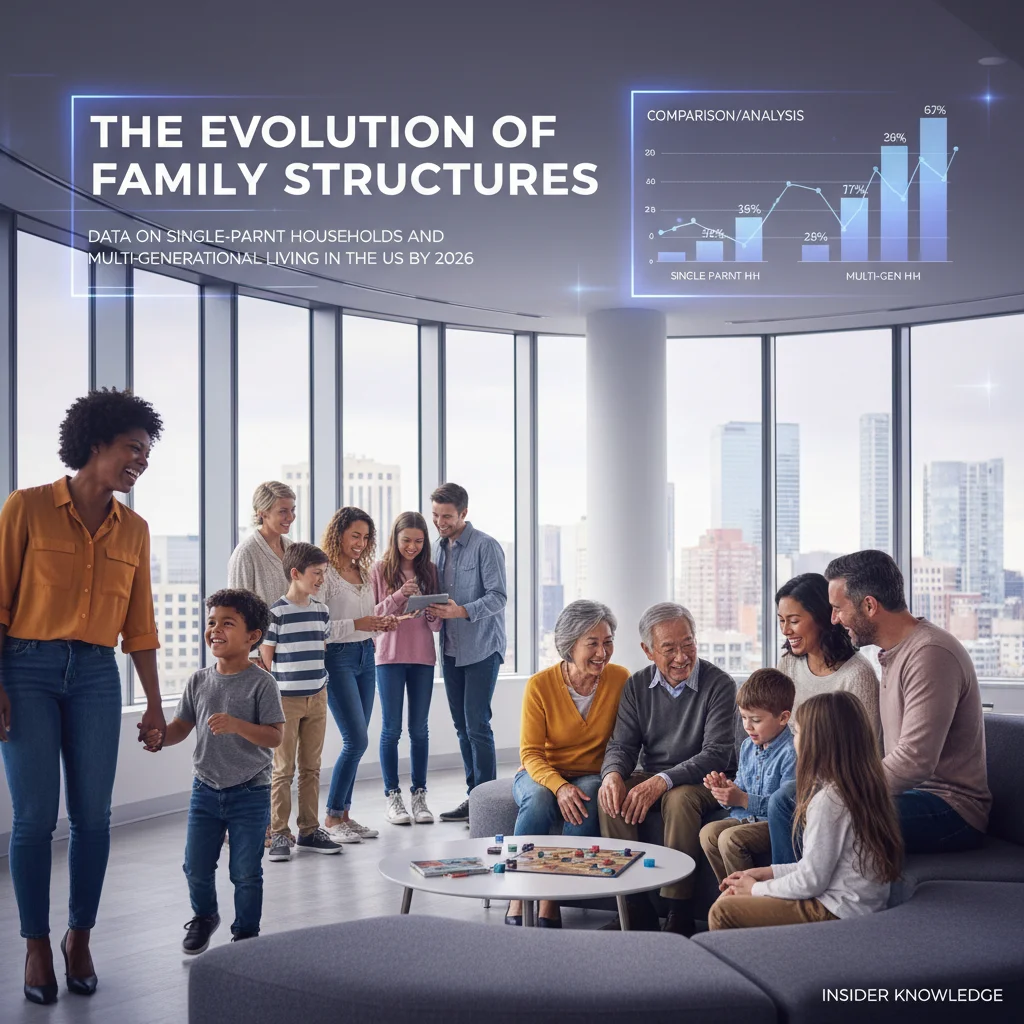
The Evolving Landscape of US Family Structures: Single-Parent Households and Multi-Generational Living by 2026
The concept of the ‘traditional’ family unit in the United States has been undergoing a profound transformation for decades. What was once predominantly viewed as a nuclear family comprising two parents and their biological children has diversified into a rich tapestry of living arrangements. As we approach 2026, understanding these shifts, particularly the rise of single-parent households and the increasing prevalence of multi-generational living, is crucial for policymakers, social service providers, businesses, and individuals alike. This in-depth analysis will explore the key data and trends shaping US family structures 2026, offering insights into the social, economic, and cultural forces at play.
The Shifting Definition of Family in the US
For much of the 20th century, the idealized American family often depicted a married heterosexual couple with children, residing in their own home. However, societal changes, economic pressures, evolving gender roles, and increased individualism have reshaped this ideal. Today, the definition of family is far more fluid and inclusive, encompassing a wide array of configurations. These changes are not merely statistical anomalies; they reflect fundamental shifts in how Americans live, love, and support one another. The focus on US Family Structures 2026 illuminates a future where adaptability and diverse support systems are paramount.
One of the most significant drivers of this evolution is the changing nature of marriage and partnership. Delayed marriage, higher divorce rates, and an increase in cohabitation without marriage have all contributed to a more varied family landscape. Furthermore, greater acceptance of diverse sexual orientations and gender identities has led to the recognition of same-sex partnerships and families formed through adoption or assisted reproduction, further broadening the scope of what constitutes a family.
These demographic shifts have profound implications for various sectors. For instance, housing markets must adapt to demand for smaller, more flexible living spaces for single-parent families, or larger homes with multiple master suites for multi-generational households. The education system must cater to children from diverse family backgrounds, understanding their unique needs and support structures. Healthcare providers need to consider the varying caregiving dynamics within these new family models. Understanding the nuances of US Family Structures 2026 is critical for future planning.
The Rise of Single-Parent Households: A Dominant Trend
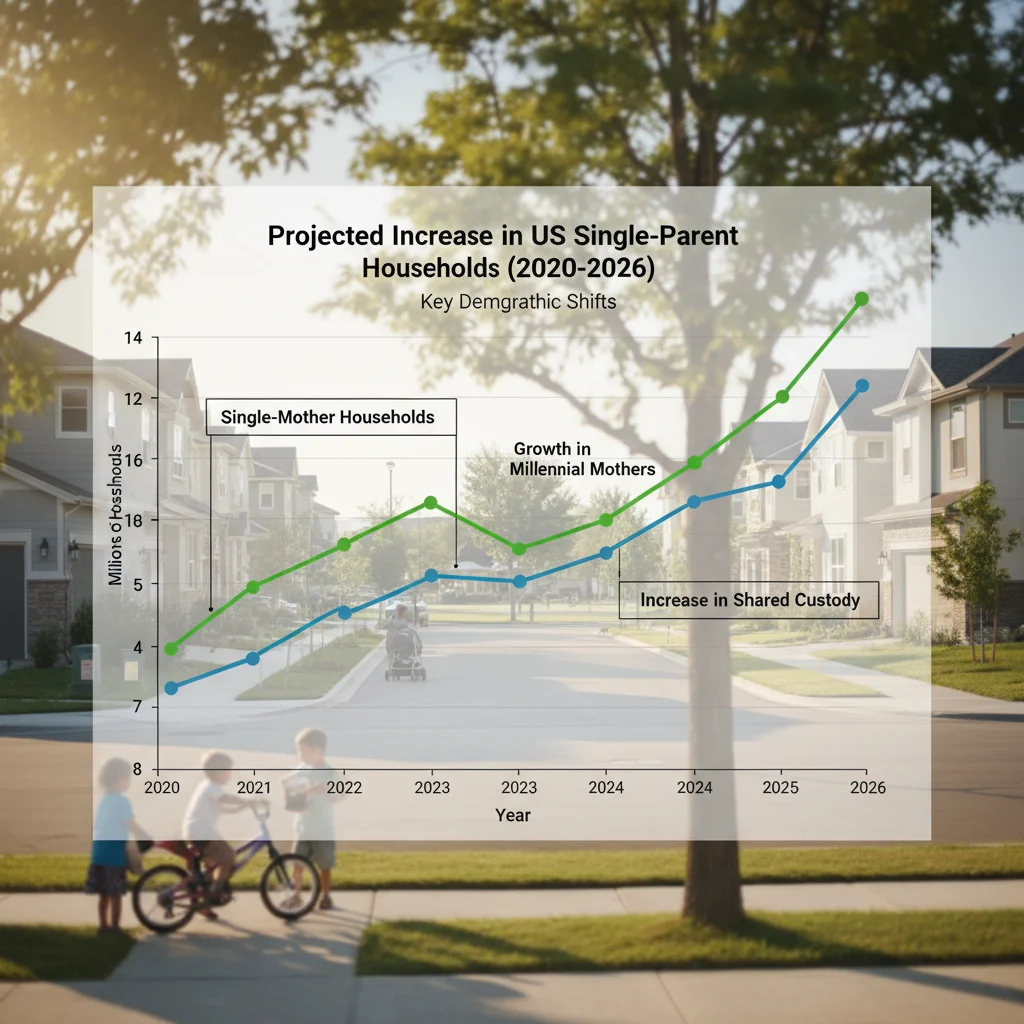
Single-parent households have become a significant and growing component of US Family Structures 2026. This trend is not new, but its trajectory continues upward. Data consistently shows that a substantial percentage of children in the US live in single-parent homes, a figure that is projected to continue its increase. This phenomenon is driven by several factors, including higher rates of divorce and separation, an increase in births to unmarried women, and, tragically, parental death. Economic independence for women, coupled with changing social norms, has also played a role in making single parenthood a more viable and accepted family structure.
Demographic Snapshot of Single-Parent Families
While single-parent families are diverse, they disproportionately affect certain demographic groups. Historically, single-mother households have been more common, often facing greater economic challenges. However, the number of single-father households has also been on the rise, albeit from a lower base. Racial and ethnic disparities are also evident, with single-parent households being more prevalent among Black and Hispanic families compared to White and Asian families. These disparities often intersect with socioeconomic factors, highlighting the complex challenges many single-parent families navigate.
The economic well-being of single-parent families is a critical aspect of understanding their context. These households often face greater financial strain due to a single income, limited access to affordable childcare, and a lack of shared resources. This can impact children’s educational outcomes, access to healthcare, and overall stability. As we look towards US Family Structures 2026, addressing these economic disparities will be paramount.
Challenges and Resilience in Single-Parent Homes
Life in a single-parent household can present unique challenges. Parents often juggle multiple roles – breadwinner, caregiver, disciplinarian, and emotional support system – with limited help. This can lead to increased stress, burnout, and financial insecurity. Children in single-parent homes may experience different developmental trajectories compared to those in two-parent homes, although research indicates that positive outcomes are strongly correlated with parental involvement, adequate resources, and a stable home environment, rather than just the number of parents.
Despite these challenges, single-parent families exhibit incredible resilience. Parents often develop strong bonds with their children, fostering independence and responsibility. Support networks, including extended family, friends, and community organizations, play a vital role in bolstering these families. Policy initiatives that support single parents through affordable childcare, flexible work arrangements, and educational opportunities are crucial for their success and for the well-being of their children. The continued growth of single-parent households within US Family Structures 2026 necessitates robust social support systems.
Multi-Generational Living: A Resurgent Model
Simultaneously with the rise of single-parent households, the US is witnessing a significant resurgence in multi-generational living. This arrangement, where at least two adult generations (e.g., parents and adult children) or three or more generations (e.g., grandparents, parents, and grandchildren) live under the same roof, was once common but declined during the mid-20th century. However, economic pressures, cultural shifts, and changing caregiving needs have fueled its comeback. This trend is a vital aspect of understanding US Family Structures 2026.
Drivers of Multi-Generational Households
Several factors contribute to the increasing popularity of multi-generational living:
- Economic Necessity: Rising housing costs, student loan debt, and the overall cost of living make it challenging for younger generations to live independently. Similarly, older adults may find it financially beneficial to pool resources with their adult children. The 2008 financial crisis and the subsequent economic downturn played a significant role in accelerating this trend, and its effects continue to shape US Family Structures 2026.
- Caregiving Needs: As the population ages, the need for elder care increases. Multi-generational living provides a practical solution, allowing adult children to care for aging parents while saving on expensive assisted living facilities. Conversely, grandparents often provide crucial childcare support, enabling parents to work.
- Cultural Preferences: For many immigrant families, multi-generational living is a deeply ingrained cultural norm that prioritizes familial interdependence and respect for elders. As these populations grow, their cultural practices increasingly influence broader US Family Structures 2026.
- Lifestyle Choices: Some families simply prefer the companionship, shared responsibilities, and built-in support system that multi-generational living offers. It can foster stronger family bonds and provide a sense of community within the home.
Benefits and Challenges of Multi-Generational Living
The benefits of multi-generational living are numerous. Economically, it can lead to significant savings on housing, utilities, and childcare. Emotionally, it can provide enhanced social support, reduce feelings of isolation, and strengthen family ties. Children often benefit from having multiple caregivers and the wisdom of their grandparents, while older adults can maintain a sense of purpose and connection. This model of living contributes significantly to the resilience of US Family Structures 2026.
However, multi-generational living also comes with its own set of challenges. Privacy can be a major concern, requiring careful planning of living spaces and clear boundaries. Potential conflicts over finances, parenting styles, and household responsibilities can arise. Open communication, mutual respect, and a willingness to compromise are essential for these arrangements to succeed. Adapting homes to accommodate multiple generations, such as adding separate entrances or living areas, is also a growing trend in response to these evolving US Family Structures 2026.
Intersections and Overlaps: The Complexities of Modern US Family Structures 2026
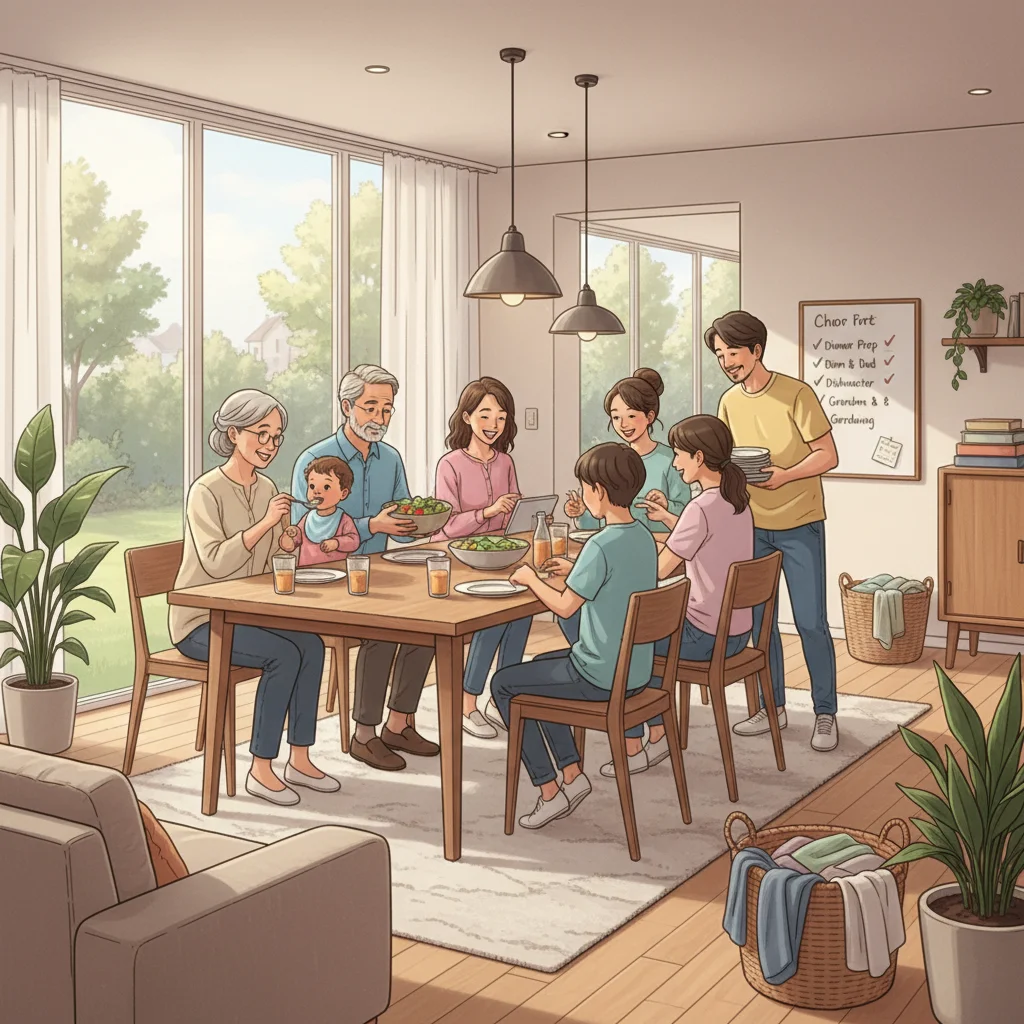
It is important to recognize that these trends – single-parent households and multi-generational living – are not mutually exclusive. A single-parent household might also be part of a multi-generational living arrangement, for example, a single mother living with her parents. These intersections create even more complex and varied family dynamics, highlighting the need for nuanced understanding and flexible support systems. The fluidity of US Family Structures 2026 demands a holistic perspective.
For instance, a single mother might rely heavily on her parents for childcare and financial support, making their multi-generational living situation a crucial element of her family’s stability. Conversely, an adult child caring for an aging parent might be doing so as a single parent, balancing the needs of their own children with those of their elder. These blended dynamics underscore the innovative ways families adapt to modern challenges.
The data on US Family Structures 2026 indicates a future where traditional categories are increasingly insufficient to capture the full spectrum of family life. Researchers and policymakers must move beyond simplistic categorizations to understand the intricate support networks and challenges inherent in these diverse arrangements. This requires more granular data collection and analysis, allowing for targeted interventions and policies.
The Societal and Economic Impact of Evolving US Family Structures 2026
The changes in US Family Structures 2026 have far-reaching implications for society and the economy.
Implications for the Economy and Workforce
The rise of single-parent households and multi-generational living impacts the workforce significantly. Single parents, often primary caregivers, require more flexible work options, affordable childcare, and robust social safety nets. The absence of these can lead to higher rates of poverty and reduced labor force participation. For multi-generational households, the distribution of caregiving responsibilities can influence career choices and work-life balance for adult children.
Businesses need to adapt by offering more flexible work schedules, remote work options, and family-friendly benefits. The demand for specific goods and services also shifts; for example, a growing market for products and services catering to multi-generational homes, or support services for single-parent families. Understanding these economic shifts is crucial for any business planning for US Family Structures 2026.
Impact on Social Services and Public Policy
Government agencies and social service organizations must evolve to meet the needs of these changing family structures. Policies related to housing, education, healthcare, and welfare need to be re-evaluated to ensure they are inclusive and effective for all types of families. For instance, housing policies might need to incentivize the construction of homes with accessory dwelling units (ADUs) or flexible layouts suitable for multi-generational living. Childcare subsidies and parental leave policies are even more critical for single-parent families.
Furthermore, mental health services must address the unique stresses faced by single parents and individuals in multi-generational households. Programs that foster intergenerational communication and support can also be beneficial. The goal is to create a societal framework that supports the well-being of all family configurations within US Family Structures 2026.
Cultural Shifts and Social Norms
The evolution of family structures also reflects and influences broader cultural shifts. Increased acceptance of diverse family forms challenges traditional notions of family and marriage. This cultural shift is reflected in media, advertising, and public discourse, gradually normalizing what was once considered unconventional. As US Family Structures 2026 continues to diversify, so too will our collective understanding of what it means to be a family.
This acceptance is vital for reducing stigma and ensuring that all individuals and families feel valued and supported by society. Educational institutions, community groups, and religious organizations all have a role to play in fostering environments that are inclusive and understanding of the rich diversity of family life in America.
Forecasting US Family Structures 2026: Key Projections and Future Outlook
Based on current trends and demographic projections, we can anticipate several key developments in US Family Structures 2026:
- Continued Growth of Single-Parent Households: While the rate of increase might fluctuate, the overall number and proportion of single-parent households are expected to remain high, possibly even seeing a modest increase. This will continue to be a significant factor in the overall family landscape.
- Sustained Multi-Generational Living: Economic pressures, an aging population, and cultural preferences suggest that multi-generational living will not only persist but may even become more common. This trend is likely to influence housing design and urban planning significantly.
- Increased Diversity: Beyond these two major trends, the overall diversity of family structures will continue to expand. Blended families, same-sex parent families, and families formed through non-traditional means will become even more common and recognized.
- Greater Emphasis on Support Networks: As family structures become more varied, the importance of informal and formal support networks will grow. Friends, community organizations, and government programs will play an increasingly vital role in supplementing family support.
- Policy Adaptation: There will be an increasing imperative for policymakers to create adaptive and inclusive policies that reflect the reality of modern family life, moving away from outdated models. This includes everything from tax codes to social welfare programs.
The future of US Family Structures 2026 is one of complexity, resilience, and adaptability. The ‘traditional’ family is no longer the sole model, and society is increasingly recognizing and embracing this diversity. This evolution presents both challenges and opportunities, demanding thoughtful consideration and proactive solutions from all sectors of society.
Conclusion: Embracing the New Normal of US Family Structures 2026
The landscape of US Family Structures 2026 is undeniably dynamic, characterized by significant growth in single-parent households and a robust resurgence of multi-generational living. These shifts are not merely statistical points; they represent profound changes in how individuals form bonds, raise children, care for elders, and navigate economic realities. The forces driving these changes – economic necessity, cultural preferences, caregiving demands, and evolving social norms – are deeply embedded in the fabric of American society.
For society to thrive, it is imperative that we move beyond outdated definitions and embrace the rich diversity of family forms. This means developing flexible policies, creating inclusive social services, and fostering cultural acceptance that supports all families, regardless of their structure. Businesses must adapt their products, services, and employment practices to cater to these evolving family needs. Communities must build infrastructures that accommodate diverse living arrangements and provide robust support networks.
As we look towards 2026 and beyond, the narrative of the American family is one of adaptation, resilience, and an ever-broadening definition of kinship. By understanding and responding to these key trends, we can build a more inclusive, supportive, and prosperous society for all US Family Structures 2026.