Decoding Gen Z’s Tech Habits: 8 Insider Tips for US Product Development in 2026
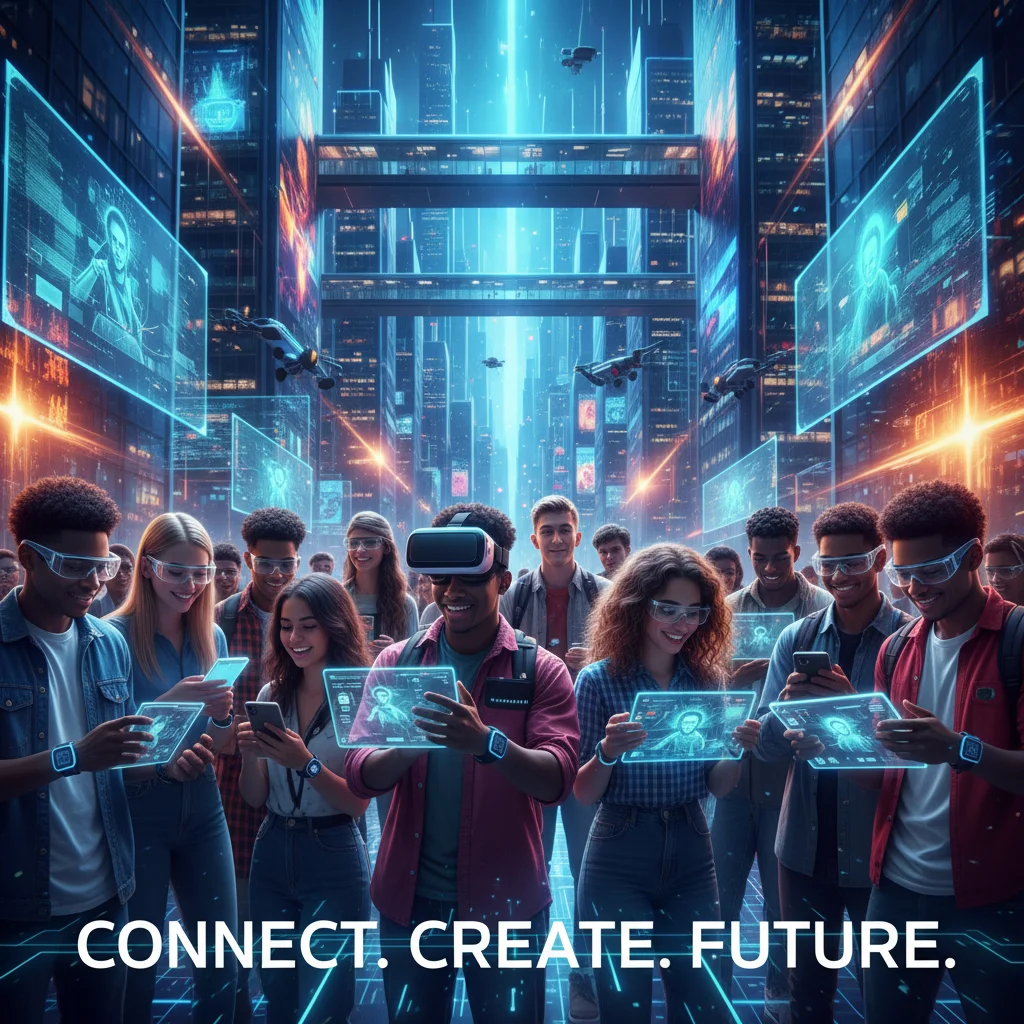
In the rapidly evolving landscape of technology, understanding the preferences and behaviors of the next generation of consumers is paramount for any business aiming for sustained success. Generation Z, born roughly between 1997 and 2012, represents not just a demographic shift but a fundamental change in how technology is perceived, used, and integrated into daily life. As we look towards 2026, their influence on the US market will be more pronounced than ever. This article delves deep into Gen Z tech habits, offering eight insider tips for product development that will help businesses not just adapt, but thrive in this new era.
Gen Z are true digital natives. They have never known a world without the internet, smartphones, or social media. This profound immersion from an early age has shaped their expectations, their communication styles, and their relationship with brands and products. For product developers, this means moving beyond superficial features and understanding the core values and digital ecosystems that define this generation. The future of product success hinges on this understanding.
The sheer scale of Gen Z’s influence is staggering. They are not just early adopters; they are co-creators, critics, and trendsetters. Their collective voice, amplified by social media, can make or break a product. Therefore, any product development strategy for 2026 must be intrinsically linked to a deep understanding of Gen Z tech habits. Ignoring this demographic is no longer an option; engaging with them authentically and innovatively is the only path forward. Let’s explore the key insights that will guide your product strategy.
1. Prioritize Authenticity and Transparency in Product Design
One of the most defining characteristics of Gen Z is their unwavering demand for authenticity. They are highly attuned to inauthenticity and can quickly spot marketing ploys that lack genuine intent. For product development, this translates into a need for transparency in how products are made, what materials are used, and the ethical practices of the company. Products that claim to be sustainable, inclusive, or socially responsible must genuinely embody these values, or face swift backlash.
This authenticity extends beyond corporate social responsibility. Gen Z values products that are honest about their limitations and clear about their functionalities. Over-promising and under-delivering is a sure way to lose their trust. Instead, focus on clear communication, user-generated content, and genuine testimonials. When developing new products, consider incorporating features that allow users to understand the product’s journey, from concept to creation, fostering a deeper connection and trust.
Furthermore, Gen Z appreciates brands that are transparent about their data collection and usage policies. With growing concerns about privacy, products that offer clear, concise, and easily understandable privacy controls will gain a significant advantage. This demographic is willing to share data for personalized experiences, but only if they trust the brand and understand the value exchange. Building this trust through transparent practices is a cornerstone of understanding Gen Z tech habits.
2. Embrace Hyper-Personalization and Customization
Gen Z expects products and services to be tailored to their individual needs and preferences. They grew up in an era of personalized feeds, customized playlists, and on-demand content. This expectation carries over to every product they interact with. Generic, one-size-fits-all solutions will struggle to gain traction.
Product developers should explore how to integrate hyper-personalization at every touchpoint. This could involve customizable interfaces, adjustable features, or AI-driven recommendations that evolve with user behavior. Think beyond simple color options; consider how the core functionality of a product can adapt to individual users. For example, a fitness app might offer training plans that adjust not only to fitness levels but also to mood, time constraints, and even environmental factors.
The key here is not just offering choices, but making those choices feel meaningful and impactful. Gen Z wants to feel seen and understood. Products that allow them to express their individuality and cater to their unique workflows or entertainment preferences will resonate deeply. This requires sophisticated data analytics and AI capabilities to predict and respond to individual user needs, a crucial aspect when considering Gen Z tech habits.
3. Design for Seamless Multi-Platform and Multi-Device Experiences
Gen Z lives in a fluid digital environment, constantly switching between smartphones, tablets, laptops, and smart devices. Their attention is fragmented, and their digital interactions are rarely confined to a single screen. Products must, therefore, offer seamless, consistent experiences across all platforms.
This means ensuring that a user can start an activity on one device and seamlessly continue it on another without any loss of progress or context. Cloud-based syncing, intuitive user interfaces that adapt to screen size, and cross-platform compatibility are no longer luxuries but necessities. Consider the entire user journey, from discovery to interaction, across all potential devices.
Furthermore, the rise of smart home devices, wearables, and augmented reality (AR) means that product experiences are extending beyond traditional screens. Developers should think about how their products can integrate with these emerging ecosystems, offering new ways for Gen Z to interact and engage. A truly successful product for 2026 will not just exist on one platform; it will be an integral part of Gen Z’s interconnected digital life. Understanding and catering to this multi-device fluidity is central to comprehending Gen Z tech habits.

4. Integrate Social Connectivity and Community Features
Social media is not just a tool for Gen Z; it’s an extension of their identity and a primary mode of communication and connection. Products that can integrate social elements or foster a sense of community are likely to succeed. This isn’t about simply adding a ‘share’ button, but about building genuine opportunities for interaction, collaboration, and shared experiences.
Think about features that enable users to create and share content directly from your product, collaborate on projects, or engage in discussions with like-minded individuals. Gaming platforms have long excelled at this, but the principle applies to a wide range of products, from educational tools to productivity apps and even e-commerce platforms. Live streaming, co-watching features, and integrated messaging can all enhance the social dimension of a product.
The desire for community also extends to brand engagement. Gen Z wants to be part of a brand’s story, not just a consumer. Products that offer forums, user groups, or even opportunities for co-creation will foster stronger loyalty. Building a product that inherently supports and encourages social interaction is a powerful strategy for tapping into core Gen Z tech habits.
5. Prioritize Ethical AI and Data Privacy
While Gen Z embraces technology, they are also keenly aware of its potential downsides, particularly concerning data privacy and the ethical implications of artificial intelligence. High-profile data breaches and discussions around algorithmic bias have made this generation more cautious and discerning than their predecessors.
Product developers must prioritize robust data security measures and transparent data handling policies. Beyond mere compliance, it’s about building trust. Clearly communicate how user data is collected, used, and protected. Offer granular control over privacy settings, empowering users to make informed decisions about their data.
Furthermore, as AI becomes more integrated into products, ethical considerations are paramount. Gen Z will scrutinize AI-driven features for fairness, bias, and transparency. Products that incorporate AI responsibly, with clear explanations of how algorithms work and safeguards against bias, will gain favor. This commitment to ethical AI and data privacy is not just a feature; it’s a foundational expectation for understanding and catering to Gen Z tech habits.

6. Embrace Short-Form Content and Immersive Experiences
Gen Z has grown up with TikTok, Instagram Reels, and YouTube Shorts. Their attention spans are often geared towards short, engaging, and visually rich content. Product development should reflect this preference for brevity and impact, especially in onboarding, tutorials, and promotional materials.
Think about how to convey information quickly and effectively through visual storytelling, interactive elements, and concise text. Long, text-heavy manuals or tutorials are likely to be ignored. Instead, use short video clips, animated guides, and gamified learning experiences. The goal is to make the product intuitive and easy to grasp, minimizing friction and maximizing immediate engagement.
Beyond short-form content, Gen Z also craves immersive experiences. Augmented Reality (AR) and Virtual Reality (VR) are no longer niche technologies; they are becoming increasingly accessible and expected in various applications. Products that can leverage AR for interactive shopping, virtual try-ons, or enhanced learning experiences will capture their imagination. VR could offer new dimensions of entertainment, collaboration, and exploration. Integrating these immersive technologies where appropriate can significantly boost a product’s appeal among those with modern Gen Z tech habits.
7. Design for Digital Wellness and Mental Health
Despite being constantly connected, Gen Z is also increasingly aware of the potential negative impacts of excessive screen time and digital overload on their mental health. There’s a growing demand for products that support digital wellness, help manage screen time, and promote healthy digital habits.
Product developers should consider integrating features that allow users to control notifications, set screen time limits, or even offer ‘digital detox’ modes. Mindfulness features, guided meditations, and tools for tracking and improving digital well-being can be highly valued. This isn’t about shaming users for their tech use, but empowering them to use technology more intentionally and healthily.
Furthermore, products that subtly encourage breaks, promote physical activity, or foster real-world connections can resonate deeply. For example, a productivity app could suggest short breaks or integrate with fitness trackers. By demonstrating a genuine concern for user well-being, brands can build stronger, more empathetic relationships with Gen Z, aligning with their evolving Gen Z tech habits.
8. Foster Co-Creation and User-Generated Content Opportunities
Gen Z doesn’t just want to consume; they want to create and contribute. They are the generation of TikTok creators, YouTube streamers, and Instagram influencers. Products that empower them to be active participants, rather than passive recipients, will thrive. This goes beyond simple customization; it’s about enabling genuine co-creation.
Consider integrating tools that allow users to modify, extend, or personalize the product in meaningful ways. This could involve open APIs for developers, in-app content creation tools, or platforms for sharing user-generated modifications. Gaming platforms like Roblox and Minecraft are prime examples of this co-creation model, where users are not just players but also designers and developers.
Soliciting feedback and actively incorporating user suggestions into product roadmaps is another powerful form of co-creation. Gen Z wants their voices heard and their ideas valued. By making them part of the development process, brands can build a loyal community and ensure their products remain relevant and innovative. This collaborative approach is a powerful way to tap into the creative and participative aspects of Gen Z tech habits.
Conclusion: The Future is Now for Gen Z Tech Habits
Understanding and adapting to Gen Z tech habits is not a fleeting trend; it’s a fundamental requirement for success in the US product market of 2026 and beyond. This generation demands more than just functional products; they seek authentic experiences, personalized interactions, ethical practices, and opportunities for connection and creation.
The eight insider tips outlined above provide a comprehensive framework for product developers to navigate this dynamic landscape. By prioritizing authenticity, embracing hyper-personalization, designing for seamless multi-platform experiences, fostering social connectivity, ensuring ethical AI and data privacy, leveraging short-form and immersive content, supporting digital wellness, and encouraging co-creation, businesses can build products that truly resonate with Gen Z.
The future of product development is not just about technological advancement, but about human-centered design that understands and respects the unique values and behaviors of the next generation. Those who successfully decode Gen Z tech habits will not only capture a significant market share but also build lasting relationships with the consumers who will shape the technological world for decades to come. The time to strategize and innovate for this powerful demographic is now.