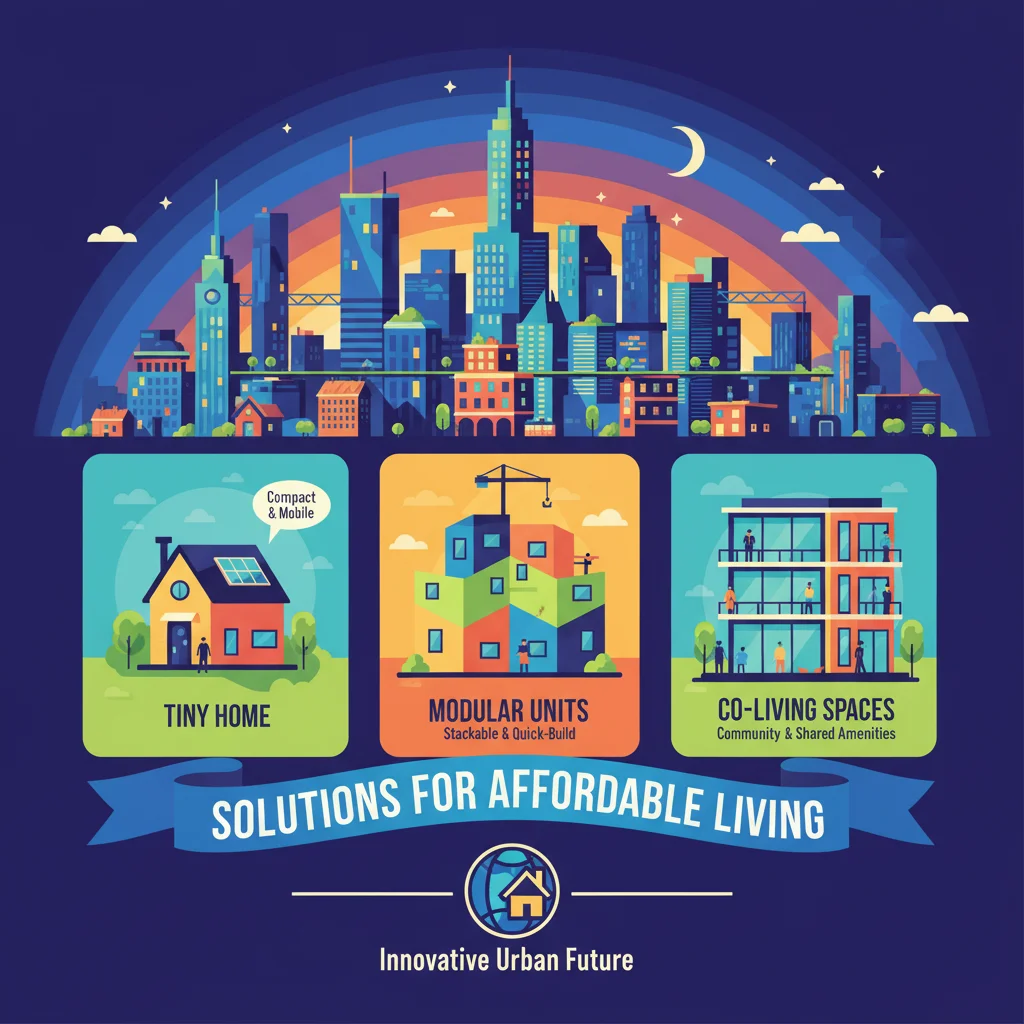
Navigating the Housing Affordability Crisis: 3 Innovative Solutions Being Piloted Across the US in 2026
The United States is grappling with a persistent and escalating housing affordability crisis. For millions of Americans, the dream of secure, affordable housing remains elusive, impacting everything from economic stability to overall quality of life. As we step into 2026, the urgency to find practical, scalable, and innovative solutions has never been greater. This comprehensive article delves into three groundbreaking housing affordability solutions that are not just theoretical constructs but are actively being piloted across various regions of the US, offering a beacon of hope and a roadmap for a more equitable housing future.
The core of the problem is multifaceted: stagnant wages in comparison to skyrocketing housing costs, insufficient housing supply, restrictive zoning laws, and a growing demand fueled by population shifts and economic factors. Traditional approaches, while important, have often fallen short in addressing the systemic nature of this crisis. This is where innovation steps in, challenging conventional wisdom and proposing novel frameworks for development, financing, and community living. Our focus will be on solutions that demonstrate a clear potential for widespread adoption and significant impact in mitigating the housing crisis.
Understanding these emerging strategies is crucial for policymakers, developers, community leaders, and individuals alike. They represent a paradigm shift, moving beyond incremental changes to more transformative interventions. By examining these pilot programs, we can glean insights into their effectiveness, challenges, and the potential for replication in other communities facing similar housing pressures. Let’s embark on this exploration of cutting-edge housing affordability solutions that are shaping the future of housing in America.
Solution 1: Expanding Community Land Trusts (CLTs) and Shared Equity Models
One of the most promising and increasingly adopted housing affordability solutions is the expansion of Community Land Trusts (CLTs) coupled with shared equity models. CLTs are non-profit organizations that acquire and hold land permanently for the benefit of a community, ensuring that housing built on that land remains affordable for generations. The key innovation lies in separating the ownership of the land from the ownership of the buildings on it. This allows homeowners to purchase the building at a significantly reduced price, as they are not paying for the underlying land.
How CLTs Work to Boost Housing Affordability
A typical CLT model involves the trust purchasing land, often through grants, donations, or public funding. They then lease this land to homeowners for a nominal fee, usually for a period of 99 years. When a homeowner decides to sell, they agree to sell the home at an affordable price, often with a formula that allows them to recoup their initial investment plus a predetermined percentage of the appreciation. This mechanism prevents speculative price increases and keeps homes affordable for subsequent buyers, creating a perpetual cycle of affordability.
In 2026, several cities, including Burlington, Vermont (home to one of the oldest CLTs), and newer initiatives in cities like Denver, Colorado, and Atlanta, Georgia, are piloting expanded CLT programs. These programs are not just focusing on single-family homes but are also adapting the CLT model to multi-family developments, rental properties, and even commercial spaces to foster holistic community development. The aim is to create a robust ecosystem of permanently affordable housing options.
Pilot Programs and Their Impact
For instance, the Denver Community Land Trust is leveraging partnerships with local government and private developers to acquire distressed properties and vacant lots, transforming them into affordable homeownership opportunities. Their 2026 pilot specifically targets essential workers, offering them a pathway to homeownership in an otherwise prohibitively expensive market. Early data from these pilots suggest a significant reduction in housing costs for participants and a marked increase in housing stability.
Another innovative aspect is the integration of CLTs with other supportive services. Some pilot programs are bundling homeownership opportunities with financial literacy training, home maintenance workshops, and even access to childcare, creating a comprehensive support system for residents. This holistic approach ensures that affordability is not just about the initial purchase price but about long-term sustainability and well-being. The success of these expanded CLT models in maintaining affordability and fostering community wealth building makes them a critical component of future housing affordability solutions.
Solution 2: Leveraging Modular and 3D-Printed Construction for Rapid Development
The slow pace and high cost of traditional construction are significant barriers to increasing housing supply, a fundamental cause of the housing affordability crisis. Innovative construction technologies, specifically modular and 3D-printed housing, are emerging as powerful housing affordability solutions by dramatically reducing construction timelines and costs. These methods promise to accelerate the delivery of high-quality, sustainable, and affordable homes.
Modular Construction: Efficiency and Scale
Modular construction involves fabricating building sections, or modules, in a factory setting, complete with plumbing, electrical, and finishes. These modules are then transported to the building site and assembled. This off-site manufacturing process significantly reduces waste, improves quality control, and is less susceptible to weather delays, leading to faster completion times and lower labor costs. In 2026, several states, particularly California, Texas, and New York, are actively piloting large-scale modular housing projects.
For example, a pilot program in California is utilizing modular construction to rapidly build supportive housing for individuals experiencing homelessness. These projects are demonstrating that entire multi-story apartment buildings can be erected in a fraction of the time it would take using conventional methods, often at a 20-30% cost reduction. The efficiency gains are allowing developers to deliver more units faster, directly addressing the supply shortage that exacerbates the housing affordability crisis.
3D-Printed Housing: Cost Reduction and Customization
Even more revolutionary is the advent of 3D-printed housing. This technology uses large-scale 3D printers to extrude concrete or other materials layer by layer, building walls and structural components on-site. While still in its nascent stages, 3D printing offers unprecedented potential for cost reduction, design flexibility, and speed. Projects in Texas, Arizona, and Florida are at the forefront of this innovation.
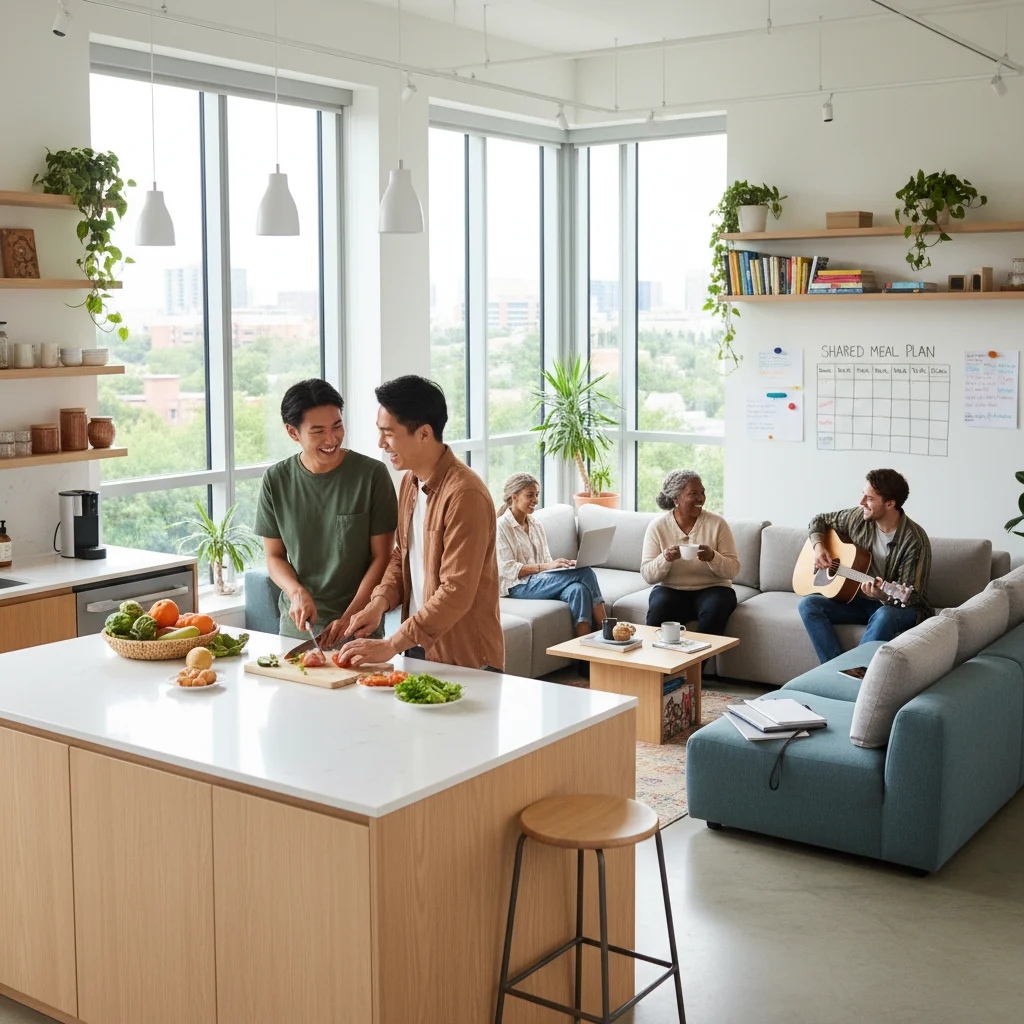
A notable pilot in Austin, Texas, involves a partnership between a non-profit and a construction tech company to 3D-print entire communities of small, single-family homes for low-income residents. These homes can be printed in a matter of days for a fraction of the cost of traditional builds. The long-term vision is to scale this technology to produce durable, energy-efficient, and aesthetically pleasing homes that are truly affordable. The ability to rapidly deploy housing units at a lower cost makes modular and 3D-printed construction invaluable housing affordability solutions.
Solution 3: Co-Living and Micro-Unit Developments with Supportive Services
As urban populations grow and traditional family structures evolve, alternative living arrangements are becoming increasingly relevant as housing affordability solutions. Co-living and micro-unit developments, especially when integrated with supportive services, offer a viable path to affordable housing in dense urban centers.
The Rise of Co-Living Spaces
Co-living spaces involve private bedrooms and bathrooms within a larger building, but with shared common areas like kitchens, living rooms, and workspaces. This model significantly reduces individual housing costs by spreading the expense of amenities and larger communal spaces among multiple residents. Beyond affordability, co-living fosters community and provides built-in social networks, which can be particularly appealing to young professionals, remote workers, and even seniors seeking companionship.
In 2026, major metropolitan areas like Seattle, Washington, and Boston, Massachusetts, are piloting advanced co-living models. These aren’t just dorm-style arrangements; they are thoughtfully designed, high-quality living environments that prioritize both privacy and community. Some pilot programs are even incorporating flexible lease terms and all-inclusive pricing (utilities, internet, cleaning) to further simplify living and budgeting for residents. The focus is on creating a comprehensive living experience that is both affordable and enriching.
Micro-Units and Efficiency Apartments
Cities like New York City and San Francisco are expanding their micro-unit initiatives, recognizing their potential to house a significant portion of the workforce in expensive urban cores. The 2026 pilots are focusing on integrating micro-units into mixed-use developments, ensuring residents have easy access to public transportation, retail, and community services. This integration makes micro-units not just affordable, but also highly livable and convenient.
Integrating Supportive Services for Enhanced Well-being
The true innovation in these 2026 pilots lies in the integration of supportive services. For co-living spaces, this might include on-site community managers, organized social events, professional development workshops, and even mental health resources. For micro-unit developments, it could mean shared amenities like fitness centers, communal gardens, and concierge services, transcending the basic function of housing to create a supportive environment.
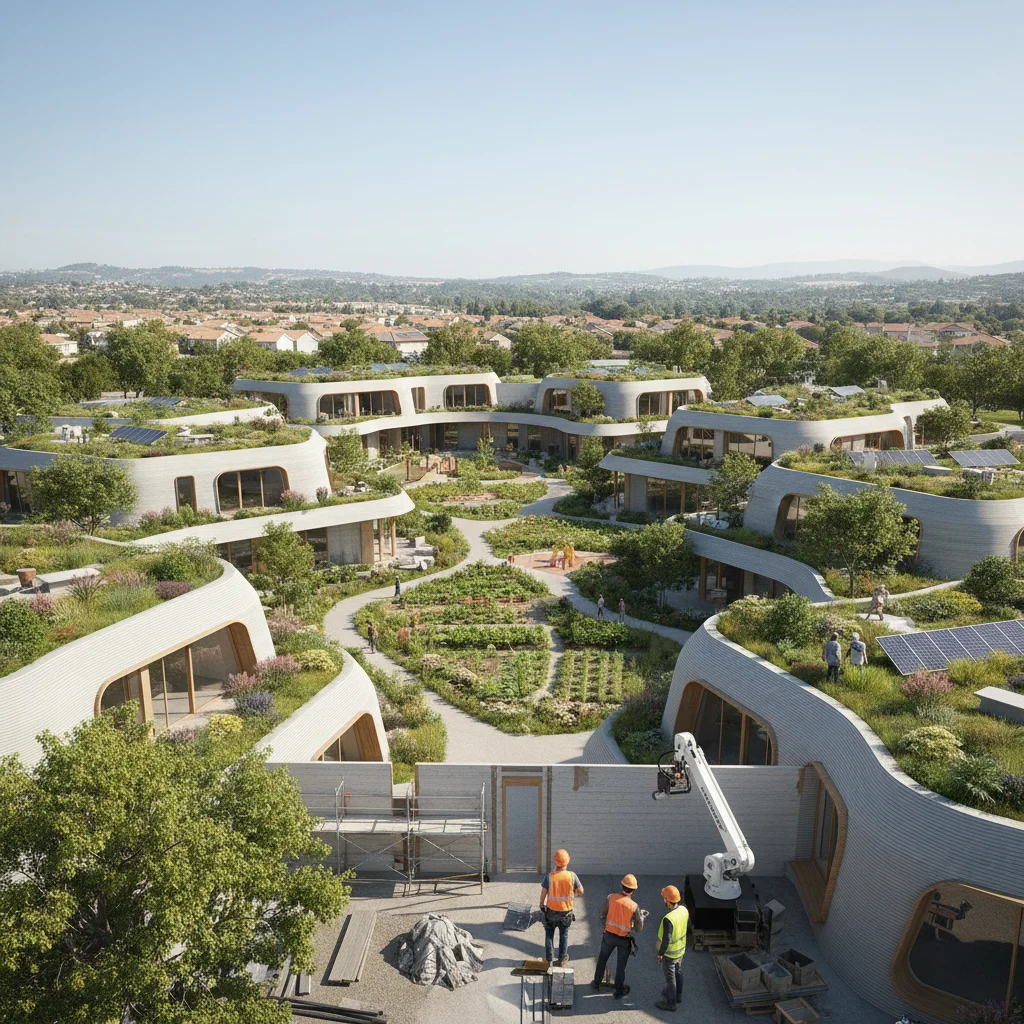
These integrated approaches are particularly impactful for vulnerable populations, including seniors, students, and individuals transitioning out of homelessness. By providing not just a roof over their heads but also a network of support, these models address the broader social determinants of health and well-being, proving to be holistic housing affordability solutions that go beyond mere shelter.
Challenges and Opportunities for Widespread Adoption
While these housing affordability solutions offer immense promise, their widespread adoption is not without challenges. Each approach faces unique hurdles that need to be addressed for them to move from successful pilots to national strategies.
Overcoming Regulatory Hurdles
One of the primary challenges across all three solutions is navigating existing zoning laws and building codes. Traditional regulations are often designed for conventional housing models and can be restrictive for innovative approaches. For instance, CLTs may face resistance from municipalities unfamiliar with their tenure model, while modular and 3D-printed homes might encounter outdated building codes that don’t account for new materials or construction techniques. Co-living and micro-units often clash with minimum unit size requirements or occupancy limits. Advocacy for regulatory reform and the development of flexible, innovation-friendly policies are crucial for these solutions to scale.
Securing Funding and Investment
Another significant challenge is securing consistent and adequate funding. While pilot programs often benefit from specific grants or philanthropic investment, scaling these solutions requires substantial capital. For CLTs, this means securing funds for land acquisition. For modular and 3D-printed construction, it involves investing in advanced manufacturing facilities and research and development. Co-living and micro-unit developments need investment to create high-quality, well-managed spaces. Public-private partnerships, innovative financing mechanisms (e.g., impact investing), and sustained government support are essential to overcome this barrier and unlock the full potential of these housing affordability solutions.
Public Perception and Acceptance
Public perception also plays a vital role. Some communities may initially view modular homes as “cheap” or temporary, or co-living as a step backward from traditional homeownership. Overcoming these misconceptions requires effective communication, showcasing the quality, sustainability, and community benefits of these new housing models. Successful pilot programs are crucial in demonstrating the value and viability of these alternatives, building trust and fostering broader acceptance.
Opportunities for Collaboration and Innovation
Despite these challenges, the opportunities for widespread adoption are significant. The current housing crisis is creating an imperative for collaboration among all stakeholders – government agencies, non-profits, private developers, and community groups. This collaborative spirit can lead to shared learning, pooling of resources, and the development of best practices that accelerate the implementation of these housing affordability solutions.
Furthermore, technological advancements continue to drive down costs and improve the quality of modular and 3D-printed housing. As these technologies mature and become more mainstream, their economic advantages will become even more compelling. Similarly, as the demand for flexible and community-oriented living grows, co-living and micro-unit models will naturally gain traction, especially among younger generations and those seeking alternatives to traditional, often isolating, housing options.
The Road Ahead for Housing Affordability
The housing affordability crisis is a complex issue with no single magic bullet. However, the innovative approaches being piloted across the US in 2026 – the expansion of Community Land Trusts, the embrace of modular and 3D-printed construction, and the growth of co-living and micro-unit developments with supportive services – represent a powerful toolkit for addressing this challenge. These housing affordability solutions are not just about building more homes; they are about building better, more sustainable, and more equitable communities.
The success of these pilots underscores the importance of continued experimentation, adaptation, and political will. It requires a willingness to challenge established norms, invest in new technologies, and prioritize the fundamental human right to affordable shelter. As these solutions mature and demonstrate their long-term viability, they have the potential to transform the housing landscape, creating a future where secure and affordable housing is within reach for all Americans.
Policy Recommendations for Scaling Innovative Housing Affordability Solutions
To truly scale these promising housing affordability solutions, a concerted effort from policymakers at all levels of government is essential. Here are some key policy recommendations:
- Zoning Reform: Modernize and streamline zoning ordinances to allow for diverse housing types, including modular homes, micro-units, and higher-density co-living developments. This includes reducing minimum lot sizes, eliminating single-family-only zoning, and simplifying the permit approval process.
- Increased Funding for CLTs: Establish dedicated state and federal funding streams for Community Land Trusts to acquire land and support their operational costs. Implement tax incentives for landowners who donate or sell land to CLTs.
- Investment in Construction Technology: Provide grants and tax credits for companies and non-profits investing in advanced manufacturing for modular construction and 3D printing. Fund research and development to further refine these technologies and reduce costs.
- Supportive Infrastructure: Invest in public infrastructure (transportation, utilities, broadband) in areas suitable for new affordable housing developments, making these locations more attractive and viable.
- Public Awareness Campaigns: Launch campaigns to educate the public about the benefits and quality of innovative housing models, helping to overcome NIMBYism (Not In My Backyard) and foster community acceptance.
- Data Collection and Evaluation: Establish robust systems for collecting data on the effectiveness and impact of these pilot programs. Use this data to inform policy decisions and identify best practices for replication.
By implementing such policies, governments can create an enabling environment for these innovative housing affordability solutions to thrive and make a significant dent in the national housing crisis. The time for incremental change is over; bold, transformative actions are needed, and these pilot programs show us the way forward.
Conclusion: A Hopeful Horizon for Housing Affordability
The challenges presented by the housing affordability crisis are immense, but the innovative housing affordability solutions being piloted across the US in 2026 offer a genuine sense of hope. From the equitable and perpetual affordability offered by Community Land Trusts to the rapid and cost-effective construction methods of modular and 3D printing, and the community-rich environments of co-living and micro-unit developments, a new era of housing is beginning to take shape.
These initiatives demonstrate that with creativity, collaboration, and a willingness to embrace new paradigms, we can construct a future where safe, stable, and affordable housing is a reality for everyone. The journey ahead will require sustained effort, policy innovation, and community engagement, but the foundational work being done today in these pilot programs is laying the groundwork for a more just and accessible housing market across the United States. Let’s continue to monitor their progress and advocate for the scaling of these vital solutions.