Social Media’s Impact on Youth: 2026 US Trends in Screen Time & Well-being
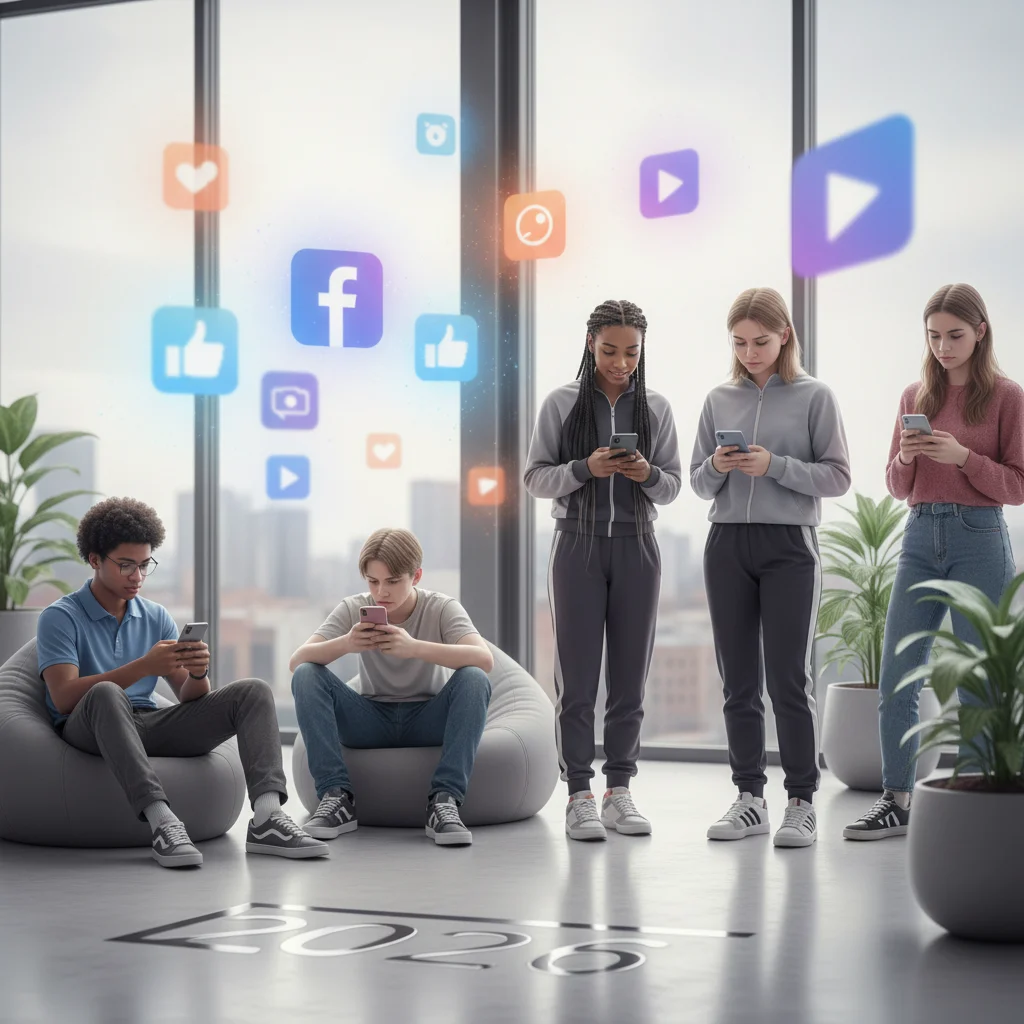
In an era defined by rapid technological advancement and ubiquitous digital connectivity, understanding the profound and multifaceted influence of social media on the younger generation has become more critical than ever. As we look towards 2026, the landscape of youth social media impact in the United States continues to evolve at an astonishing pace, presenting both unprecedented opportunities and significant challenges. This comprehensive analysis delves deep into the observable trends, shedding light on how screen time, mental health, and overall well-being are inextricably linked to the digital habits of American youth.
The digital native generation, those who have never known a world without the internet and social platforms, are navigating a complex social environment. For them, social media is not merely a tool for communication; it is an integral part of their identity formation, social interactions, and even their perception of reality. The sheer volume of content consumed, the constant pressure to present an idealized self, and the instantaneous nature of feedback loops create a unique psychological and social ecosystem. This article aims to provide a granular examination of these dynamics, offering insights that are crucial for parents, educators, policymakers, and indeed, young people themselves.
Our focus will be on the current state and projected trends for 2026, drawing on comparative data and insider knowledge to paint a clear picture. We will explore the nuances of screen time – distinguishing between passive consumption and active engagement – and its varying effects on cognitive development, sleep patterns, and academic performance. Furthermore, a significant portion of our discussion will be dedicated to the intricate relationship between social media use and mental health outcomes, including anxiety, depression, body image issues, and cyberbullying. Ultimately, this analysis seeks to foster a more informed dialogue around the responsible integration of social media into the lives of young individuals, promoting strategies that harness its positive potential while mitigating its inherent risks.
The Evolving Landscape of Youth Social Media Impact in 2026
The year 2026 marks a significant point in the ongoing evolution of social media’s role in the lives of US youth. What began as platforms for simple connection has blossomed into multifaceted ecosystems influencing everything from political discourse to personal identity. The sheer diversity of platforms available – from established giants like TikTok, Instagram, and Snapchat to emerging niche networks – means that young people are exposed to a broader range of content and social pressures than ever before. This expanded digital footprint directly contributes to the complex youth social media impact we observe today.
One of the most striking trends is the increasing integration of social media into daily routines, blurring the lines between online and offline existence. For many young people, their digital identity is as real, if not more so, than their physical one. This manifests in constant connectivity, where checking notifications, responding to messages, and scrolling through feeds become almost instinctual. The fear of missing out (FOMO) remains a powerful driver, compelling continuous engagement and contributing to elevated screen time. However, 2026 also sees a growing awareness among youth and parents about the need for digital balance, albeit with varying degrees of success in implementation.
Technological advancements also play a critical role. The proliferation of augmented reality (AR) filters, AI-driven content recommendations, and increasingly immersive virtual environments means that social media experiences are becoming more sophisticated and potentially more addictive. These innovations, while offering new avenues for creativity and connection, also amplify the challenges associated with body image, self-esteem, and the distinction between reality and digital fabrication. Understanding this evolving technological backdrop is essential to grasp the full scope of the youth social media impact.
Furthermore, the societal context of 2026 influences how youth engage with these platforms. Global events, social justice movements, and cultural phenomena are increasingly experienced and processed through the lens of social media. This can empower young people to become informed and active citizens, providing platforms for advocacy and community building. Conversely, it can also expose them to misinformation, online harassment, and the overwhelming pressure of constant societal scrutiny. Navigating these dualities is a central challenge for today’s youth, shaping their mental and emotional well-being.
Screen Time: A Deep Dive into US Youth Trends
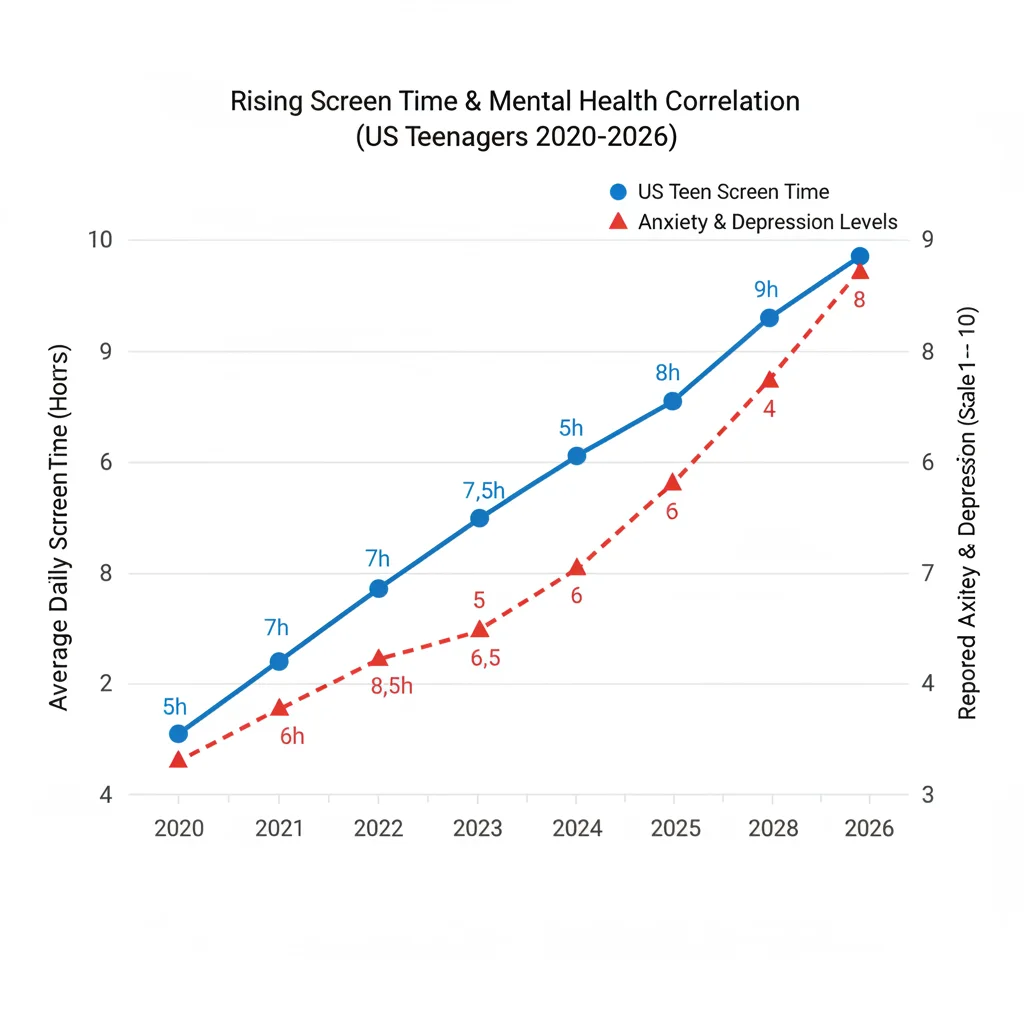
The concept of ‘screen time’ has become a ubiquitous, yet often misunderstood, metric in discussions about youth development. In 2026, simply counting hours spent in front of a screen no longer provides a complete picture; a nuanced understanding of how that time is spent is paramount. Our analysis reveals that average daily screen time for US youth (ages 13-18) has continued its upward trajectory, with estimates often exceeding 7-9 hours per day, excluding time spent on schoolwork. This significant figure underscores the pervasive nature of digital engagement and its role in shaping the youth social media impact.
However, it’s crucial to differentiate between passive and active screen time. Passive consumption, such as mindlessly scrolling through feeds, watching short-form videos, or consuming pre-recorded content, tends to be associated with higher rates of boredom, decreased attention spans, and poorer mental health outcomes. In contrast, active engagement – creating content, collaborating on projects, learning new skills, or meaningfully connecting with friends – can offer cognitive benefits, foster creativity, and strengthen social bonds. The challenge for 2026 lies in encouraging more active, purposeful screen use among young people.
The impact of excessive screen time extends beyond mental health. Research in 2026 continues to highlight concerns regarding sleep disruption, primarily due to blue light exposure and the stimulating nature of content consumed before bedtime. This, in turn, affects academic performance, mood regulation, and overall physical health. Sedentary behavior associated with prolonged screen use also contributes to rising rates of childhood obesity and other health issues. Addressing these physical ramifications is a key component of managing the overall youth social media impact.
Moreover, the advent of multi-screen usage has further complicated the measurement and understanding of screen time. It is common for young people to simultaneously engage with a smartphone, a tablet, and a television, leading to a fragmented and often overwhelming sensory experience. This constant input can hinder the development of focused attention and deep thinking, skills that are vital for academic success and critical problem-solving. Educators and parents are grappling with how to guide youth in an environment where digital multitasking is the norm, rather than the exception.
Policy responses to screen time have also evolved. While outright bans are largely ineffective and often counterproductive, there’s a growing emphasis on digital literacy programs in schools and community initiatives that promote balanced media diets. These programs aim to equip young people with the critical thinking skills necessary to navigate the digital world safely and constructively, empowering them to make informed choices about their screen use. The goal is not to eliminate screens but to cultivate healthy digital habits that minimize negative youth social media impact.
Social Media and Youth Mental Health: A Critical Intersection
Perhaps the most pressing concern surrounding the youth social media impact is its intricate relationship with mental health. By 2026, a substantial body of evidence underscores a correlation between heavy social media use and increased rates of anxiety, depression, loneliness, and body image dissatisfaction among adolescents. While social media itself is rarely the sole cause, it often acts as a significant amplifier of existing vulnerabilities and stressors.
The relentless pursuit of validation through likes, comments, and follower counts can create a volatile emotional landscape. Young people often base their self-worth on external digital metrics, leading to a constant state of comparison with curated, often unrealistic, online personas. This ‘highlight reel’ culture can foster feelings of inadequacy, envy, and a distorted perception of others’ lives, contributing significantly to mental health challenges. The pressure to maintain a perfect online image can be exhausting and detrimental to authentic self-expression.
Cyberbullying remains a pervasive and insidious threat. Unlike traditional bullying, cyberbullying can occur 24/7, reaching victims in their homes and personal spaces, making escape incredibly difficult. The anonymity afforded by some platforms, or the perceived distance of online interactions, can embolden aggressors, leading to severe emotional distress, self-harm ideation, and even suicide in extreme cases. Despite efforts by platforms to implement stricter moderation policies, the sheer volume of interactions makes complete eradication a formidable challenge, highlighting a critical aspect of negative youth social media impact.
Furthermore, the algorithms driving social media feeds are designed to maximize engagement, often by presenting content that elicits strong emotional responses. This can inadvertently expose young people to harmful content, such as pro-anorexia communities, self-harm encouragement, or extremist ideologies. While efforts are being made to filter such content, the sheer volume and evolving nature of online communities mean that complete protection is an ongoing battle. The impact of such exposure on developing minds can be profound and long-lasting.
However, it is important to acknowledge that social media is not solely a harbinger of negative mental health outcomes. For many LGBTQ+ youth, individuals with rare diseases, or those in marginalized communities, social media provides vital platforms for connection, support, and identity exploration that may be unavailable in their immediate physical environments. These online communities can foster a sense of belonging, reduce feelings of isolation, and provide access to valuable resources and peer support. This positive aspect of youth social media impact should not be overlooked.
The key lies in fostering digital resilience. This involves educating young people on media literacy, critical thinking about online content, and developing coping mechanisms for negative online experiences. Promoting self-compassion and encouraging real-world connections are also vital strategies to counterbalance the potential mental health risks associated with social media use. Mental health professionals are increasingly integrating digital well-being into their therapeutic approaches, recognizing the inseparable link between online habits and overall psychological health.
Well-being Trends: Beyond Mental Health
Beyond the direct implications for mental health, the youth social media impact extends to broader aspects of well-being, encompassing physical health, academic performance, and social development. These areas are often interconnected, creating a holistic picture of how digital engagement shapes young lives in 2026.
Physical Health Concerns
The sedentary nature of prolonged screen time is a significant contributor to physical health issues. Reduced physical activity, coupled with increased consumption of unhealthy snacks while online, contributes to rising rates of childhood obesity. Furthermore, musculoskeletal problems like ‘tech neck’ and eye strain are becoming more common, necessitating greater awareness and preventative measures. Encouraging regular breaks, promoting outdoor activities, and educating about ergonomic screen use are crucial for mitigating these physical health risks.
Academic Performance and Cognitive Development
The constant presence of social media can significantly impact academic performance. Studies continue to show a correlation between heavy social media use and lower grades, primarily due to distraction, reduced study time, and impaired concentration. The immediate gratification offered by social media can also hinder the development of patience and the ability to engage in deep, sustained focus required for complex academic tasks. Moreover, the prevalence of short-form content may be affecting the development of longer attention spans, a concern for cognitive development.
Social Development and Real-World Connections
While social media offers avenues for connection, its impact on real-world social development is complex. Some research suggests that an over-reliance on online interactions can lead to a deficit in face-to-face communication skills, including interpreting non-verbal cues and navigating complex social dynamics. The curated nature of online relationships can also lead to superficial connections, potentially reducing the depth and quality of friendships. However, for some shy or socially anxious individuals, online platforms can serve as a stepping stone to building confidence and eventually fostering real-world connections. The challenge is to ensure that digital interactions complement, rather than replace, genuine human connection.
Impact on Sleep Quality
One of the most consistently reported negative well-being trends is the detrimental impact of social media on sleep quality. The blue light emitted from screens can suppress melatonin production, interfering with the body’s natural sleep cycle. Furthermore, the stimulating content and the fear of missing out (FOMO) can keep young people awake late into the night, leading to chronic sleep deprivation. This, in turn, affects mood, cognitive function, and overall physical health, creating a vicious cycle that exacerbates other well-being challenges. Understanding this impact is crucial for addressing the broader youth social media impact.

Navigating the Digital World: Strategies for Parents, Educators, and Youth
Given the pervasive and complex youth social media impact, developing effective strategies to foster positive digital citizenship and mitigate risks is paramount. This requires a collaborative effort from parents, educators, and young people themselves.
Strategies for Parents: Fostering Healthy Digital Habits
- Open Communication: Establish an environment of trust where children feel comfortable discussing their online experiences, both positive and negative. Regularly talk about what they see and do online without judgment.
- Set Clear Boundaries: Implement consistent rules regarding screen time limits, content appropriateness, and device-free zones (e.g., bedrooms, dinner tables). Utilize parental controls and monitoring tools judiciously, focusing on education over mere restriction.
- Model Healthy Behavior: Children learn by example. Parents who demonstrate balanced screen use and engage in real-world activities provide a powerful role model for their children.
- Digital Literacy Education: Teach critical thinking skills to evaluate online information, recognize misinformation, and understand the permanence of digital footprints. Discuss cyberbullying and how to respond safely.
- Encourage Offline Activities: Actively promote and facilitate engagement in hobbies, sports, creative arts, and face-to-face social interactions to balance digital time.
Strategies for Educators: Integrating Digital Well-being into the Curriculum
- Comprehensive Digital Citizenship Programs: Schools should implement robust curricula that cover online safety, privacy, media literacy, digital etiquette, and the mental health implications of social media.
- Promote Critical Thinking: Teach students how to analyze online content, identify bias, and understand the algorithms that shape their digital experiences.
- Foster Empathy and Responsible Online Behavior: Address cyberbullying proactively through school-wide policies, educational campaigns, and restorative justice practices.
- Support Systems: Ensure that students have access to school counselors or mental health professionals who are knowledgeable about the unique challenges posed by social media.
- Technology Integration with Purpose: Use technology in the classroom in ways that enhance learning and collaboration, demonstrating its positive potential while also discussing its limitations and potential pitfalls.
Strategies for Youth: Empowering Self-Regulation and Resilience
- Mindful Use: Encourage self-awareness about how social media makes one feel. If a platform or content consistently evokes negative emotions, consider reducing or eliminating its use.
- Set Personal Limits: Young people can take ownership of their screen time by setting personal boundaries, using app timers, and designating ‘digital detox’ periods.
- Curate Your Feed: Actively unfollow accounts that promote unrealistic standards or negative content. Seek out positive, inspiring, and educational content.
- Prioritize Real-World Connections: Make an effort to spend time with friends and family offline. Engage in hobbies and activities that bring joy and fulfillment outside of the digital realm.
- Seek Help When Needed: Understand that it’s okay to struggle with digital pressures. Reach out to trusted adults, friends, or mental health professionals if social media is negatively impacting well-being.
The collective effort to address the youth social media impact is not about demonizing technology but about fostering a generation that is digitally literate, resilient, and capable of harnessing technology for positive outcomes. By working together, we can empower young people to navigate the complexities of the digital world in 2026 and beyond, ensuring their well-being remains a top priority.
The Future Outlook: Predictions for Youth Social Media Impact Beyond 2026
Looking beyond 2026, the trajectory of youth social media impact suggests several key developments. We anticipate an even greater emphasis on personalization and immersive experiences, driven by advancements in AI and virtual reality. This will likely lead to both more engaging and potentially more isolating digital environments. The challenge for future generations will be to maintain a strong sense of self and connection to the physical world amidst increasingly compelling digital alternatives.
Regulatory frameworks are also expected to evolve significantly. Governments worldwide, including in the US, are likely to impose stricter regulations on social media companies, particularly concerning data privacy, content moderation, and age verification. The aim will be to create safer digital spaces for minors and hold platforms more accountable for their impact on young users. This shift towards greater oversight will undoubtedly reshape the landscape of youth social media impact.
Furthermore, we may see a rise in ‘digital wellness’ technologies and tools. These could include more sophisticated self-monitoring apps, AI companions designed to promote healthy digital habits, and even platforms built with well-being at their core, rather than solely engagement. The market for products and services aimed at mitigating the negative youth social media impact is set to expand considerably, reflecting a societal recognition of the problem’s scale.
The role of education will also become increasingly vital. Digital literacy will transcend basic online safety to encompass critical media consumption, understanding algorithmic biases, and developing resilience against online manipulation. Schools and parents will need to equip children with the skills to be discerning digital citizens, capable of navigating complex information landscapes and protecting their mental and emotional health in a hyper-connected world. This proactive approach is essential for shaping a positive youth social media impact.
Finally, there’s a growing hope for a more balanced approach to technology integration. As the novelty of constant connectivity wanes, and as the negative consequences become more widely understood, there may be a societal shift towards valuing offline interactions and slower forms of communication. This ‘digital minimalism’ movement, already gaining traction, could see more young people intentionally disconnecting to reconnect with themselves and their immediate surroundings, ultimately leading to a healthier long-term youth social media impact.
Conclusion: Towards a Balanced Digital Future for US Youth
The youth social media impact in the US by 2026 is a complex tapestry woven with threads of opportunity, challenge, and continuous evolution. While social media platforms offer unparalleled avenues for connection, learning, and self-expression, their pervasive presence and design can significantly influence screen time, mental health, and overall well-being. Our analysis has underscored the critical need for a nuanced understanding of these dynamics, moving beyond simplistic views to embrace a more holistic perspective.
The trends observed – from escalating screen time and its correlation with mental health issues like anxiety and depression, to the intricate effects on physical health, academic performance, and social development – demand sustained attention and proactive intervention. The insights gathered from this 2026 analysis serve as a vital guide for all stakeholders invested in the healthy development of young people.
Ultimately, fostering a positive digital future for US youth is a shared responsibility. Parents must engage in open dialogue and set thoughtful boundaries. Educators must integrate comprehensive digital literacy into curricula, empowering students with critical thinking skills. And young people themselves must be encouraged to cultivate self-awareness and practice mindful engagement, recognizing the importance of balancing their digital lives with real-world experiences. By working collaboratively, we can harness the immense potential of social media while effectively mitigating its risks, ensuring that the next generation thrives in an increasingly digital world, leading to a net positive youth social media impact.