Mastering Time Management at Home: 6 Proven Techniques for US Families in 2026

In the whirlwind of modern life, American families often find themselves juggling more responsibilities than ever before. From school pickups and extracurricular activities to demanding careers and household chores, the quest for a harmonious balance can feel like an uphill battle. The year 2026 brings its own set of unique challenges and opportunities, with technological advancements and evolving societal norms influencing how we manage our precious time. This is where mastering family time management becomes not just a luxury, but a necessity.
Effective family time management is about more than just scheduling appointments; it’s about intentionally carving out moments for connection, growth, and personal well-being amidst the chaos. It’s about empowering every family member, from the youngest to the oldest, to contribute to a smoothly running household and to feel valued in the process. When time is managed effectively, stress levels decrease, productivity soars, and the quality of family interactions significantly improves. Imagine fewer rushed mornings, more relaxed evenings, and weekends filled with joy instead of endless chores. This isn’t a pipe dream; it’s an achievable reality with the right strategies.
This comprehensive guide will delve into six proven techniques for mastering family time management, specifically tailored for the dynamic environment of US families in 2026. We’ll explore practical, actionable steps that you can implement immediately to transform your family’s daily routines and long-term goals. From leveraging technology to fostering open communication, these techniques are designed to create a more organized, less stressful, and ultimately, a happier home. Let’s embark on this journey to reclaim your time and enrich your family life.
1. The Family Command Center: Your Central Hub for Organization
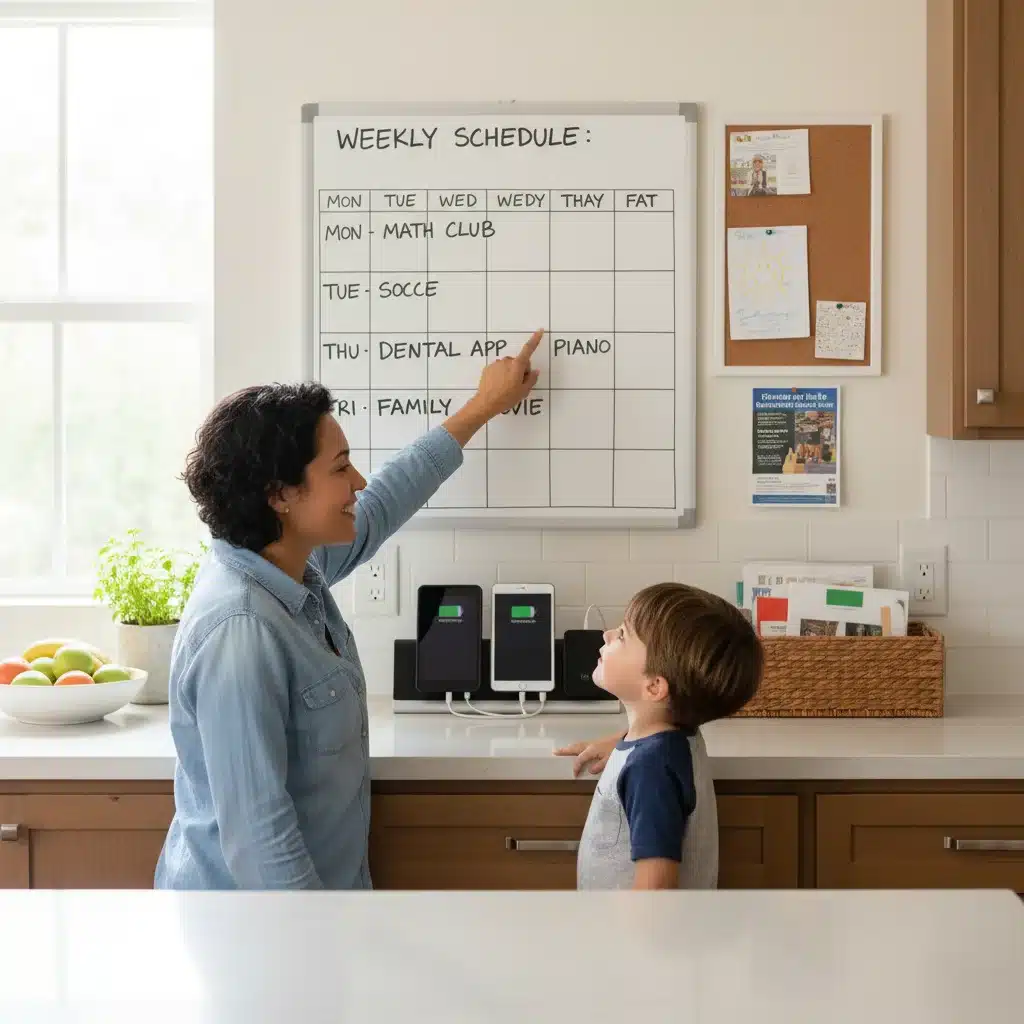
The concept of a ‘family command center’ might sound intimidating, but at its core, it’s simply a designated, centralized space where all essential family information, schedules, and communication tools reside. In 2026, with the proliferation of digital tools and smart home devices, this center can be a blend of physical and virtual elements, catering to the needs of a modern US family. The goal is to reduce mental load and ensure everyone is on the same page, fostering better family time management.
What to Include in Your Command Center:
- Shared Digital Calendar: Gone are the days of deciphering illegible handwriting on a paper calendar. Utilize apps like Google Calendar, Outlook Calendar, or Cozi Family Organizer. These allow for color-coding individual family members, setting reminders, and sharing events seamlessly across multiple devices. Every appointment, school event, and playdate should be here.
- Physical Whiteboard/Chalkboard: For quick notes, daily priorities, or a rotating chore chart, a physical board remains invaluable. It offers a visual anchor, especially for younger children who benefit from seeing tasks laid out.
- Mail & Document Sorting System: A simple system for incoming mail, bills, school notices, and permission slips prevents clutter and ensures important documents aren’t lost. Designate trays for ‘action,’ ‘to file,’ and ‘read.’
- Charging Station: With multiple devices in every household, a central charging station keeps phones, tablets, and smartwatches organized and ready for use, preventing frantic searches before school or work.
- Key Hooks: A seemingly small detail, but designated key hooks can save precious minutes each morning.
- Emergency Contact Information: Clearly displayed phone numbers for doctors, poison control, and trusted neighbors are crucial.
- Meal Planner: A weekly meal plan reduces decision fatigue and helps with grocery shopping efficiency. This is a cornerstone of effective family time management, saving both time and money.
Setting Up Your Command Center:
Choose a high-traffic area in your home, such as the kitchen, a hallway, or a mudroom. The key is accessibility and visibility. Involve all family members in its creation; kids are more likely to use a system they helped design. Regular review and updates are essential to keep it relevant and effective. This central hub will become the brain of your home, significantly enhancing your family time management efforts.
2. The Power of Batching and Time Blocking for Family Efficiency
Batching and time blocking are productivity techniques that, when applied to family life, can dramatically improve efficiency and reduce the feeling of being constantly overwhelmed. Instead of context-switching between different types of tasks, you group similar activities together and dedicate specific blocks of time to them. This minimizes distractions and maximizes focus, leading to better family time management.
Batching Tasks:
- Errand Batching: Instead of making multiple trips throughout the week, designate one or two specific times for all errands (grocery shopping, post office, dry cleaning, etc.). Plan your route efficiently to minimize travel time.
- Meal Prep Batching: Dedicate a block of time (e.g., Sunday afternoon) to chop vegetables, cook grains, or prepare components for several meals. This saves significant time during busy weeknights.
- Email/Communication Batching: Instead of constantly checking emails or messages, set aside specific times (e.g., 9 AM, 1 PM, 5 PM) to respond. This prevents constant interruptions that derail focus from other tasks.
- Household Chores Batching: Group similar chores together. For example, all bathroom cleaning on one day, or all laundry on another.
Time Blocking:
Time blocking involves scheduling specific blocks of time for particular activities on your calendar, treating them like appointments. This applies not only to work but also to family activities, personal time, and household duties, making it a powerful tool for family time management.
- Dedicated ‘Deep Work’ Blocks: If parents work from home, schedule uninterrupted blocks for focused work. Communicate these blocks to family members to minimize disturbances.
- Family Fun Blocks: Intentionally schedule time for family outings, games, or simply hanging out. These are non-negotiable appointments that reinforce family bonds.
- Individual ‘Me Time’ Blocks: Ensure each family member, including parents, has dedicated time for hobbies, exercise, or relaxation. This prevents burnout and fosters individual well-being, which in turn benefits the whole family.
- Household Management Blocks: Schedule specific times for reviewing the family calendar, paying bills, or planning for the week ahead.
The beauty of batching and time blocking is that they bring structure to your day, allowing you to be more proactive than reactive. By consciously deciding when and how you’ll tackle tasks, you regain control over your schedule and can better allocate time to what truly matters, significantly improving family time management.
3. The Art of Delegation and Empowering Family Members
One of the most common pitfalls in family time management is the tendency for one or two individuals (often parents) to shoulder the majority of household responsibilities. This leads to burnout, resentment, and missed opportunities for other family members to develop essential life skills. Delegation isn’t about offloading; it’s about empowering. By involving everyone, you distribute the workload more evenly and foster a sense of shared responsibility.
Effective Delegation Strategies:
- Age-Appropriate Chores: Even young children can contribute. Toddlers can put toys away, preschoolers can help set the table, and school-aged children can manage their laundry or help with meal prep. Provide clear instructions and demonstrate tasks.
- The ‘Fair Share’ Principle: Instead of assigning chores arbitrarily, discuss as a family what needs to be done and how to distribute tasks fairly. This can be done through a rotating chore chart or by allowing family members to choose tasks they prefer.
- Teach, Don’t Just Tell: Don’t expect perfection immediately. Invest time in teaching children how to complete tasks properly. This might mean doing it together a few times. Patience is key.
- Leverage Strengths: Does one child enjoy cooking? Let them take ownership of a meal once a week. Is another good at organizing? Task them with tidying up a common area.
- Outsource When Possible: If your budget allows, consider outsourcing tasks that are particularly time-consuming or disliked, such as lawn care, house cleaning, or grocery delivery. Even small acts of outsourcing can free up significant time for more meaningful family interactions.
When everyone contributes, the burden is lighter, and there’s more collective time for leisure and bonding. Empowering children with responsibilities builds their confidence, independence, and understanding of how a household functions. This active participation is a cornerstone of successful family time management.
4. Embracing Technology for Smarter Family Time Management
The year 2026 offers an unprecedented array of technological tools designed to streamline daily life. Far from being a distraction, technology can be a powerful ally in family time management when used intentionally and strategically. From smart home devices to productivity apps, these tools can automate tasks, improve communication, and provide valuable insights into how your family spends its time.
Key Technological Aids:
- Smart Home Assistants (Alexa, Google Assistant, Siri): These devices can do much more than play music. Use them to set timers for chores, add items to grocery lists, broadcast messages to other family members, or even control smart appliances like robot vacuums. Imagine saying, ‘Alexa, add milk to the shopping list,’ or ‘Hey Google, remind me to pick up Sarah at 4 PM.’
- Family Organizer Apps: Beyond shared calendars, apps like Cozi, OurHome, or FamilyWall offer features such as chore tracking, shared to-do lists, meal planning, and even family journaling. They centralize information and make it accessible to everyone.
- Grocery Delivery/Meal Kit Services: Save significant time on shopping and meal planning. Services like Instacart, Amazon Fresh, Blue Apron, or HelloFresh can deliver groceries or pre-portioned ingredients directly to your door, drastically cutting down on errand time and decision fatigue.
- Productivity & Focus Apps: For parents working from home, apps like Forest or Pomodoro timers can help maintain focus during work blocks. For children, educational apps can turn screen time into learning time.
- Cloud Storage & Document Sharing: Keep important family documents (medical records, school forms, vaccination records) organized and accessible through platforms like Google Drive, Dropbox, or OneDrive.
Setting Boundaries with Technology:
While technology is a great aid, it’s crucial to set boundaries. Establish ‘tech-free zones’ (e.g., dining table, bedrooms) and ‘tech-free times’ (e.g., during family meals, an hour before bedtime) to ensure genuine connection and prevent digital overload. The goal is to use technology to enhance family time management, not to replace meaningful interactions.
5. Prioritizing and Setting Realistic Expectations with the Eisenhower Matrix
One of the biggest hurdles in effective family time management is the sheer volume of tasks and commitments. It’s easy to get caught up in the urgent but unimportant, leaving critical tasks undone. The Eisenhower Matrix, also known as the Urgent/Important Matrix, is a powerful tool for prioritizing tasks and setting realistic expectations for your family.
Understanding the Eisenhower Matrix:
This matrix divides tasks into four quadrants:
- Urgent & Important (Do First): These are tasks that require immediate attention and have significant consequences if not completed. Examples: a sick child, a looming work deadline, a broken appliance.
- Not Urgent & Important (Schedule): These are critical for long-term goals and well-being but don’t require immediate action. Examples: family planning, exercise, preventative maintenance, skill development, quality family time. This quadrant is often neglected but is vital for proactive family time management.
- Urgent & Not Important (Delegate): These tasks demand immediate attention but don’t contribute significantly to your long-term goals. Examples: some emails, non-critical phone calls, helping a child with a task they can do themselves. These are prime candidates for delegation or automation.
- Not Urgent & Not Important (Eliminate): These are distractions and time-wasters. Examples: excessive social media scrolling, endless TV watching, unproductive meetings.
Applying the Matrix to Family Life:
- Weekly Family Meeting: Use this matrix during a weekly family meeting to discuss and categorize tasks. What’s truly urgent and important this week? What can be scheduled for later? What can be delegated to a child? What can be eliminated entirely?
- Protect ‘Not Urgent & Important’ Time: Consciously block out time for activities in this quadrant. This might mean scheduling ‘date night’ with your spouse, a dedicated hour for reading with your children, or time for personal hobbies. These are the activities that build strong family bonds and prevent burnout.
- Learn to Say No: One of the hardest but most crucial aspects of prioritization is learning to decline commitments that fall into the ‘Not Important’ categories, especially if they don’t align with your family’s values or current capacity.
- Review and Adjust: Life is dynamic. What’s urgent today might not be tomorrow. Regularly review your priorities and adjust as needed.
By consciously categorizing tasks, families can make more intentional choices about where to invest their energy and time, leading to a much more effective approach to family time management and a greater sense of control over their lives.
6. The Importance of Regular Family Meetings and Communication
Effective family time management isn’t a solo endeavor; it’s a team sport. Regular family meetings provide a dedicated forum for communication, planning, and problem-solving. They foster a sense of unity, ensure everyone feels heard, and keep the family aligned on goals and schedules. In 2026, with busy schedules and digital distractions, these face-to-face (or even virtual, if family members are geographically dispersed) check-ins are more critical than ever.
Structuring Your Family Meetings:
- Consistency is Key: Schedule a regular time and day for your family meeting (e.g., Sunday evening for 30 minutes). Treat it as a non-negotiable appointment.
- Agenda Setting: Have a simple agenda. This might include:
- Reviewing the Past Week: What went well? What could have been better?
- Looking Ahead: Reviewing the shared calendar for the upcoming week. Who needs to be where, when? Are there any conflicts?
- Task Assignment/Chore Review: Who is responsible for what? Are chores being completed? (Refer back to delegation).
- Problem-Solving: Address any issues or frustrations. Encourage open discussion and brainstorming solutions together.
- Fun Planning: What fun activities can the family do together this week? This reinforces the ‘why’ behind all the organization.
- Involve Everyone: Encourage all family members, even young children, to participate. They can contribute ideas, voice concerns, and take ownership of their roles.
- Keep it Positive: While meetings address challenges, maintain a positive and collaborative tone. Celebrate successes and focus on solutions rather than blame.
- Document Decisions: Briefly note down any decisions made or tasks assigned. This can be on your family command center whiteboard or in a shared digital document.
Regular communication through family meetings strengthens bonds, prevents misunderstandings, and ensures that everyone is invested in the collective effort of managing the household effectively. It’s a proactive approach to family time management that pays dividends in reduced stress and increased harmony.

Conclusion: Reclaiming Your Time, Enriching Your Family Life
The journey to mastering family time management is an ongoing one, not a destination. It requires patience, flexibility, and a willingness to adapt strategies as your family grows and evolves. The six proven techniques discussed – establishing a family command center, leveraging batching and time blocking, empowering through delegation, embracing technology, prioritizing with the Eisenhower Matrix, and fostering communication through family meetings – provide a robust framework for American families in 2026 to navigate the complexities of modern life.
By implementing these strategies, you’re not just creating a more efficient household; you’re actively investing in the well-being and happiness of every family member. You’re reducing stress, building resilience, and most importantly, creating more opportunities for quality time, connection, and shared experiences. Imagine the peace of mind that comes from knowing everyone is on the same page, tasks are being managed, and there’s still ample time left for laughter, learning, and love.
Start small, choose one or two techniques that resonate most with your family, and gradually integrate them into your routine. Celebrate small victories and don’t be afraid to adjust your approach when something isn’t working. Remember, the ultimate goal of family time management is not to fill every minute with activity, but to intentionally create space for what truly matters: a thriving, connected, and joyful family life. Embrace these techniques, and watch your family flourish in 2026 and beyond.