Optimizing Laundry Day: 4 Strategies to Reduce Energy Use by 25% in US Homes by Mid-2026

Optimizing Laundry Day: 4 Strategies to Reduce Energy Use by 25% in US Homes by Mid-2026
In the quest for a more sustainable future and significant household savings, optimizing everyday chores has become paramount. Among these, laundry stands out as a major energy consumer in American homes. The good news? Achieving a substantial reduction in your laundry energy reduction footprint is not only possible but also surprisingly straightforward. Our ambitious goal for US homes by mid-2026 is a 25% reduction in energy dedicated to laundry. This article will delve into four pivotal strategies that, when implemented collectively, can help you reach and even exceed this target, leading to both environmental benefits and noticeable savings on your utility bills.
The average American household does hundreds of loads of laundry each year, consuming a considerable amount of electricity and water. Heating water for washing and powering the dryer are the primary culprits behind this energy drain. By making conscious choices and adopting smarter habits, you can transform your laundry routine into an eco-friendly powerhouse. Let’s explore how to achieve this ambitious laundry energy reduction goal.
Strategy 1: Embrace Cold Water Washing for Significant Savings
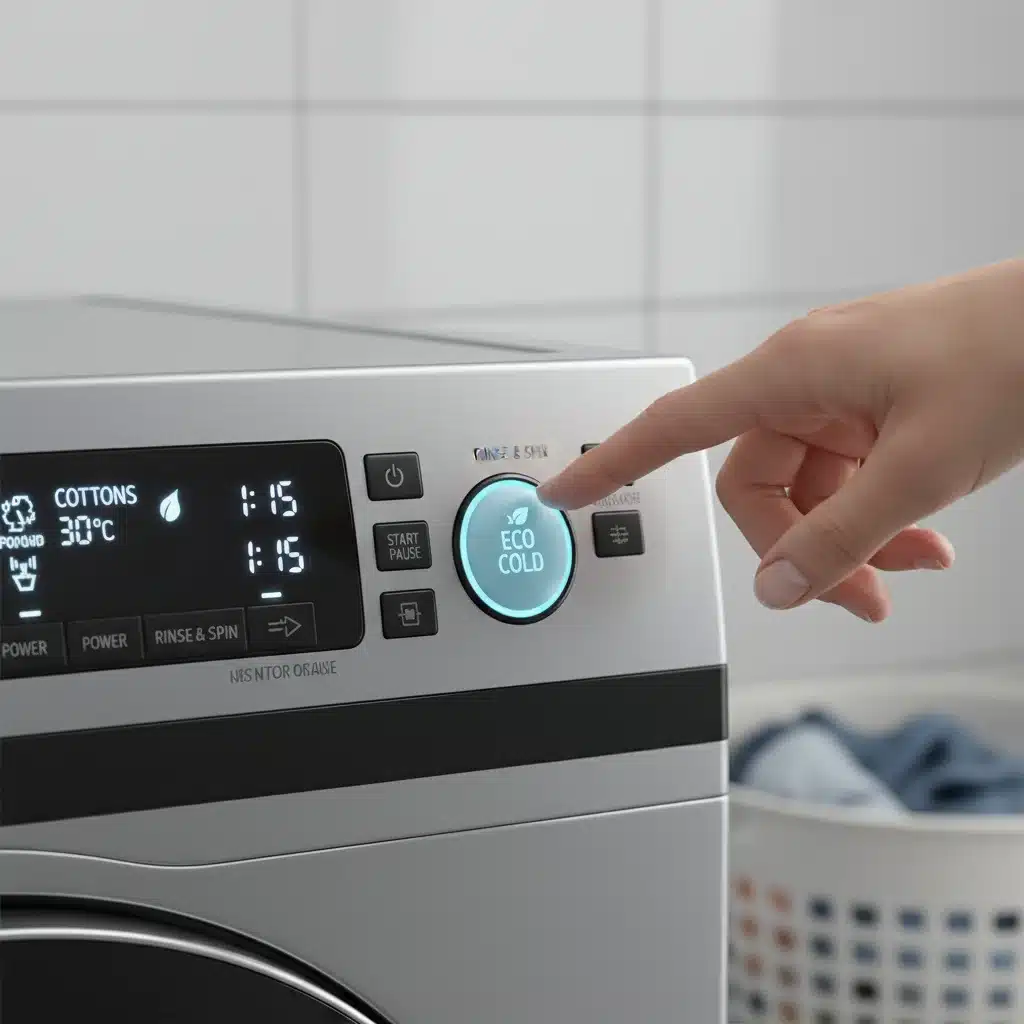
One of the most impactful changes you can make to achieve laundry energy reduction is to switch to cold water washing. Historically, hot water was deemed essential for effective cleaning, especially for heavily soiled items. However, advancements in detergent technology have rendered this notion largely obsolete. Modern detergents are formulated to perform exceptionally well in cold water, breaking down dirt and stains without the need for additional heat.
The Science Behind Cold Water Savings
Approximately 90% of the energy consumed by a washing machine goes into heating the water. By opting for cold water, you essentially bypass this energy-intensive step. Imagine the cumulative effect of this simple change over hundreds of loads per year. The energy savings are immediate and substantial. For an average household, switching to cold water for all laundry loads can save hundreds of kilowatt-hours annually, translating into significant cost reductions.
Dispelling Myths About Cold Water Washing
Many consumers are hesitant to switch to cold water due to concerns about cleaning effectiveness, germ killing, or color fading. Let’s address these:
- Cleaning Effectiveness: As mentioned, modern detergents are specifically designed for cold water. They contain enzymes and surfactants that work efficiently at lower temperatures.
- Germ Killing: While hot water can kill some germs, it’s not a sterilization process. For items requiring disinfection, consider using a laundry sanitizer that works in cold water or a bleach alternative for whites.
- Color Fading: In fact, cold water is often better for preserving fabric colors and preventing shrinkage, making your clothes last longer.
Tips for Maximizing Cold Water Washing Efficiency
- Use the Right Detergent: Look for detergents specifically labeled for cold water use.
- Pre-Treat Stains: For tough stains, pre-treating with a stain remover before washing in cold water can enhance results.
- Don’t Overload: Give your clothes enough room to move freely in the washer for optimal cleaning.
- Choose Shorter Cycles: If your clothes aren’t heavily soiled, a shorter cold water cycle can save even more energy.
By making cold water washing your default, you’re taking a monumental step towards achieving your laundry energy reduction goals. This single change alone can contribute significantly to the 25% target.
Strategy 2: Air Drying: The Ultimate Energy Saver
After the washing machine, the clothes dryer is typically the second-highest energy consumer in the laundry process. Eliminating or significantly reducing its use is a powerful strategy for laundry energy reduction. Air drying, whether indoors or outdoors, is a completely free and energy-efficient alternative that offers numerous benefits.
Benefits Beyond Energy Savings
- Zero Energy Consumption: This is the most obvious benefit. No electricity or gas is used when air drying.
- Extends Clothing Lifespan: The high heat from dryers can be harsh on fabrics, leading to premature wear and tear, fading, and shrinkage. Air drying is much gentler, helping your clothes last longer.
- Fresh Scent: Clothes dried outdoors often have a natural, fresh scent that can’t be replicated by a machine.
- Reduces Wrinkles: While not entirely wrinkle-free, many items, especially shirts and delicate fabrics, can dry with fewer wrinkles if hung properly, potentially reducing ironing time.
- Improved Indoor Air Quality: Dryers release lint and moisture into the air, which can affect indoor air quality. Air drying eliminates this issue.
Practical Tips for Effective Air Drying
- Outdoor Clothesline: If weather permits, an outdoor clothesline is the ideal solution. It harnesses the power of the sun and wind, drying clothes quickly and efficiently.
- Indoor Drying Racks: For colder months or rainy days, indoor drying racks are excellent alternatives. Place them in a well-ventilated area, ideally near a window or fan, to speed up drying.
- Utilize Hangers: Hang shirts, dresses, and trousers directly on hangers to dry. This not only saves space on drying racks but also helps reduce wrinkles.
- Spin Cycle Optimization: Before air drying, ensure your washing machine’s spin cycle is set to its highest speed. This extracts as much water as possible, significantly reducing drying time.
- Proper Spacing: Don’t overcrowd your clothes on the line or rack. Allow for adequate airflow between items for faster and more even drying.
- Consider a Dehumidifier: In humid indoor environments, a dehumidifier can help speed up drying and prevent musty odors.
Even if you can’t air dry every load, committing to air drying just a few loads per week, especially towels and heavier items that take longer to dry in a machine, will make a substantial contribution to your laundry energy reduction efforts. This strategy is a cornerstone of achieving the 25% goal.

Strategy 3: Invest in High-Efficiency Washing Machines and Dryers
While adopting new habits is crucial, upgrading to energy-efficient appliances can provide a foundational boost to your laundry energy reduction strategy. Modern high-efficiency (HE) washing machines and dryers are designed to use significantly less water and electricity than older models, making them a smart long-term investment.
High-Efficiency Washing Machines
HE washers typically use 20-60% less water and 20-50% less energy than conventional machines. They achieve this through several innovations:
- No Agitator: Most HE top-loaders and all front-loaders use a tumbling action rather than a central agitator, which allows for larger loads and gentler cleaning with less water.
- Advanced Sensors: Many HE models feature sensors that detect load size and fabric type, automatically adjusting water levels and wash cycles for optimal efficiency.
- Faster Spin Speeds: HE washers have much faster spin speeds, extracting more water from clothes. This, in turn, reduces the time and energy required for drying.
When shopping for an HE washer, look for the ENERGY STAR® label, which indicates that the appliance meets strict energy efficiency guidelines set by the U.S. Environmental Protection Agency and U.S. Department of Energy. An ENERGY STAR certified washer can save you around $45 a year on utility bills compared to a conventional model, and even more if you factor in the reduced drying time.
High-Efficiency Dryers
While dryers are inherently energy-intensive, HE models offer improvements:
- Moisture Sensors: ENERGY STAR certified dryers often come with moisture sensors that automatically shut off the machine when clothes are dry, preventing over-drying and saving energy. Older models typically rely on a timer, which can lead to unnecessary run time.
- Heat Pump Dryers: These are the most energy-efficient electric dryers available. Instead of venting hot, moist air, they recirculate it through a heat pump to remove moisture, using significantly less energy. While they have a higher upfront cost, the long-term savings can be substantial.
- Gas Dryers: If you have a gas hookup, gas dryers are generally more energy-efficient and cost-effective to operate than traditional electric dryers.
Investing in ENERGY STAR certified laundry appliances, especially when your old ones are nearing the end of their lifespan, is a strategic move for long-term laundry energy reduction. The initial investment will pay off through lower utility bills and a reduced environmental impact, bringing you closer to the 25% energy reduction goal.
Strategy 4: Optimize Laundry Scheduling and Load Management
Beyond the technology and water temperature, how you manage your laundry loads can also significantly impact your overall laundry energy reduction. Smart scheduling and load management are simple habits that cost nothing to implement but yield considerable energy savings.
Full Loads, Every Time
Running your washing machine and dryer with partial loads is one of the biggest energy wastes in the laundry room. Both appliances consume roughly the same amount of energy regardless of whether they are half-empty or completely full. Therefore, waiting until you have a full load is crucial. This doesn’t mean cramming clothes in until they can’t move; a full load allows for proper cleaning and drying without overworking the machine.
- Washing Machine: Fill the drum to its capacity, ensuring there’s still enough space for clothes to tumble and water to circulate effectively.
- Dryer: Avoid overloading, as this can extend drying times and make clothes more wrinkled. However, aim for a full load that allows for good air circulation.
Strategic Timing for Energy Savings
Many utility companies offer time-of-use (TOU) electricity rates, where the cost of electricity varies depending on the time of day. Peak hours (often late afternoon/early evening) are typically the most expensive, while off-peak hours (late night, early morning, or weekends) are cheaper. By scheduling your laundry during off-peak hours, you can significantly reduce the cost of the laundry energy reduction, even if the energy consumption remains the same.
- Check Your Utility Provider: Contact your local electricity provider to inquire about TOU rates in your area.
- Set a Schedule: Plan your laundry days and times around off-peak hours. Many modern washing machines and dryers come with delay start features, allowing you to load them and set them to start automatically during cheaper periods.
Maintenance and Best Practices
Regular maintenance of your appliances also contributes to their efficiency and longevity:
- Clean Lint Filter: Clean the dryer’s lint filter before every load. A clogged filter restricts airflow, making the dryer work harder and longer, consuming more energy. It’s also a fire hazard.
- Check Vents: Periodically check and clean your dryer vent hose and exterior vent to ensure there are no blockages. A clear vent improves efficiency and safety.
- Use the Right Cycle: Understand your appliance’s settings. Use permanent press cycles for appropriate items, and delicate cycles for fragile garments, as these often use less heat and gentler actions.
- Match Water Level to Load Size: While HE machines often do this automatically, if you have an older machine, manually select the appropriate water level for the load size to avoid wasting water and the energy to heat it.
By integrating these smart scheduling and load management practices, you add another layer of effectiveness to your laundry energy reduction efforts. These small, consistent changes collectively lead to substantial savings and contribute to the overall 25% goal.
The Cumulative Impact: Achieving 25% Laundry Energy Reduction
Individually, each of these strategies offers a path to energy savings. However, the true power lies in their cumulative effect. Imagine combining cold water washing with regular air drying, especially for items that don’t need machine drying, and performing these tasks in an energy-efficient appliance during off-peak hours. The synergy created by these actions can easily push you beyond the 25% laundry energy reduction target.
Let’s consider a hypothetical scenario:
- Baseline: A household uses hot water for all washes and machine dries all loads in an older, inefficient appliance.
- Strategy 1 (Cold Water): Switching 90% of washes to cold water immediately saves a significant portion of the washing machine’s energy consumption.
- Strategy 2 (Air Drying): Air drying 50% of loads (e.g., all delicates, most shirts, and sheets) drastically cuts down dryer energy use.
- Strategy 3 (HE Appliances): If the household upgrades to an ENERGY STAR certified washer and a heat pump dryer, the remaining machine washing and drying are done with much higher efficiency.
- Strategy 4 (Smart Scheduling): Performing the remaining machine loads during off-peak hours further reduces the cost and carbon footprint associated with grid demand.
This combined approach creates a powerful force for change. The initial effort to adjust habits or make an investment will quickly be overshadowed by the long-term benefits: lower utility bills, a reduced carbon footprint, longer-lasting clothes, and a sense of contributing to a more sustainable planet.
Beyond 2026: A Continuous Journey of Sustainability
The goal of a 25% laundry energy reduction by mid-2026 is an ambitious but achievable milestone. However, the journey towards sustainability doesn’t end there. As technology continues to evolve, even more efficient appliances and smarter home energy management systems will become available. Staying informed about these advancements and continuously seeking ways to optimize your home’s energy consumption will be key to ongoing savings and environmental stewardship.
Consider also the broader implications of your choices. By reducing your energy demand, you contribute to a more stable energy grid and lessen the reliance on fossil fuels. This collective action, when adopted by millions of households across the US, can have a profound impact on national energy consumption and climate goals.
Furthermore, educating family members, especially younger generations, about these energy-saving practices instills valuable habits that will benefit them throughout their lives. Making laundry energy reduction a household priority fosters a culture of environmental responsibility.
Conclusion: Your Role in a Greener Laundry Future
Achieving a 25% laundry energy reduction in US homes by mid-2026 is a tangible and impactful goal. By consistently applying the four strategies outlined – embracing cold water washing, prioritizing air drying, investing in high-efficiency appliances, and optimizing laundry scheduling and load management – you can make a significant difference. These aren’t just minor adjustments; they are powerful steps towards a more sustainable and cost-effective household. Start today, and watch as your efforts contribute to a cleaner environment and healthier savings account. Your laundry day can truly be a force for good.