Urban Exodus to Rural Renaissance: US Migration Patterns 2026 Analysis
The Great Reshuffle Continues: A 2026 Look at US Internal Migration Patterns
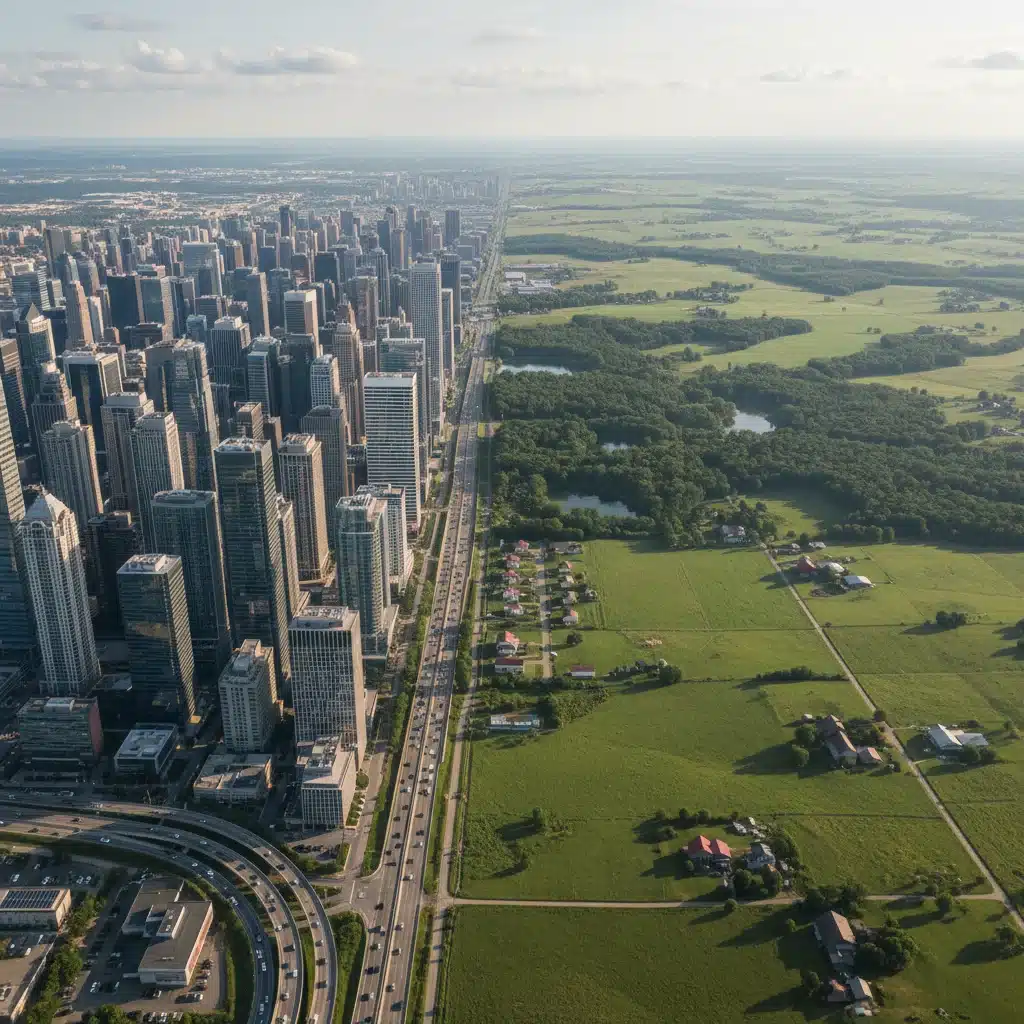
The landscape of where Americans choose to live has been in flux for several years, a dynamic shift profoundly accelerated by the events of the early 2020s. As we look at 2026, the trends indicate not a temporary blip, but a sustained, evolving phenomenon: the US internal migration. This isn’t just about people moving; it’s about a fundamental reassessment of lifestyle, work, community, and opportunity. The narrative has largely centered on an ‘urban exodus’ – a significant outflow from densely populated metropolitan centers – paving the way for what many are calling a ‘rural renaissance’ or a ‘suburban surge’. Understanding these complex patterns requires a deep dive into the underlying drivers, the demographic shifts, and the long-term implications for the nation’s economic and social fabric.
The concept of US internal migration is not new. Historically, America has always been a nation on the move, from westward expansion to the Great Migration of the 20th century. However, the current wave is distinct in its motivations and consequences. Gone are the days when the allure of the big city was almost universally paramount for career advancement and cultural enrichment. While cities still hold significant appeal, a combination of factors has tipped the scales for many, making smaller towns, exurban areas, and even genuinely rural locales increasingly attractive. This article will dissect the primary forces behind these movements, compare the pre- and post-pandemic migration landscapes, and project what these trends signify for the future of American communities.
Understanding the Drivers of 2026 US Internal Migration
Several key factors continue to fuel the shifting patterns of US internal migration in 2026. These drivers are often interconnected, creating a powerful impetus for individuals and families to reconsider their geographic anchors.
The Enduring Impact of Remote Work and Digital Nomads
Perhaps the single most transformative factor has been the widespread adoption and normalization of remote work. What began as a necessity during the pandemic has evolved into a preferred, and often expected, mode of operation for a significant portion of the workforce. By 2026, many companies have embraced hybrid models or fully remote structures, severing the traditional tie between physical office location and an employee’s residence. This freedom has unleashed a wave of migration, allowing individuals to prioritize factors beyond commute times or proximity to corporate headquarters.
For many, this means escaping the high cost of living in major urban centers without sacrificing career progression. It also enables a pursuit of better quality of life, whether that means more space, access to nature, a slower pace, or a stronger sense of community. The rise of the ‘digital nomad’ within national borders is a testament to this, with individuals and families relocating to scenic towns or affordable regions, bringing their urban salaries and skills to new local economies. This trend is particularly evident among younger professionals and those with established careers, who are less tied to entry-level roles that often require in-person presence.
Affordability and Cost of Living Crisis
The escalating cost of living, particularly housing, in major metropolitan areas remains a dominant driver of US internal migration. Even with increased wages in some sectors, the price of real estate in cities like New York, San Francisco, and Los Angeles has become prohibitive for many, especially those looking to buy a home or raise a family. Smaller cities, suburbs, and rural areas offer significantly more bang for the buck, allowing migrants to achieve homeownership, acquire larger living spaces, and reduce overall expenses.
This pursuit of affordability isn’t just about housing; it extends to everyday expenses like groceries, transportation, and childcare. The economic calculus for many households now strongly favors locations where their income can stretch further, providing greater financial stability and reducing stress. This is particularly relevant for middle-income families who find themselves priced out of the urban dream but are not yet ready to compromise on certain amenities or opportunities.
Quality of Life and Lifestyle Preferences
Beyond economic considerations, a significant portion of the current US internal migration is driven by a desire for an improved quality of life. This encompasses a broad spectrum of preferences:
- Access to Nature: Many individuals and families are seeking proximity to national parks, forests, lakes, and outdoor recreational opportunities. The pandemic highlighted the value of open spaces and fresh air, a preference that has persisted.
- Community and Connection: While cities can be isolating, many smaller towns offer a stronger sense of community, with local events, friendly neighbors, and a more integrated social fabric.
- Reduced Stress and Pace: The frenetic pace of urban life, with its long commutes and constant pressure, is a deterrent for some. A slower, more deliberate lifestyle in a less crowded environment is a powerful draw.
- Better Schools and Family Environment: For families with children, access to highly-rated public schools and safer, more child-friendly environments often outweighs the perceived cultural advantages of big cities.
These lifestyle factors are increasingly prioritized, especially as remote work mitigates the career penalties traditionally associated with moving away from urban hubs.
Technological Advancements and Infrastructure
The viability of moving to more remote areas is heavily dependent on technological infrastructure. By 2026, the expansion of high-speed internet (broadband and 5G) to previously underserved rural and exurban areas has been a game-changer. Reliable connectivity is no longer a luxury but a necessity for work, education, healthcare, and entertainment. Without it, the dream of a rural renaissance would remain largely unattainable for many. Government initiatives and private investments have played a crucial role in closing the digital divide, making these migrations practical for a broader segment of the population.
The Urban Exodus: A Deeper Look at Outflows
The term ‘urban exodus’ might suggest a complete emptying of cities, which is an oversimplification. Rather, it signifies a net outflow, particularly from the largest, most expensive metropolitan areas. Data from 2026 continues to show that cities like New York, Los Angeles, and Chicago, while still population centers, are experiencing more residents leaving than arriving, especially when factoring in domestic migration.
Demographic Shifts in Urban Areas
The demographics of those leaving cities are varied but often include:
- Young Families: Seeking better schools, more space, and lower costs for raising children.
- Mid-Career Professionals: Leveraging remote work flexibility to improve their quality of life and financial standing.
- Retirees: Looking for a quieter life, lower property taxes, and a more relaxed environment.
This outflow can lead to changes in the urban demographic profile, potentially leaving a higher proportion of younger, single individuals or those in specific industries that still require in-person presence. The long-term implications for urban tax bases, public services, and cultural institutions are a subject of ongoing debate and adaptation.
Challenges for Remaining Urban Populations
While some cities are adapting, the urban exodus presents challenges. Decreased demand in certain housing markets could impact property values, while a shrinking tax base might strain public services. Businesses that relied on dense foot traffic or a specific demographic might need to pivot. However, many urban centers are also seeing an opportunity to redefine themselves, focusing on sustainability, innovation, and creating more affordable housing options to attract new residents or retain those who might otherwise leave. The dynamism of cities means they are constantly evolving, and this period of migration is simply another chapter in their ongoing transformation.
The Rural Renaissance and Suburban Surge
The counterpoint to the urban exodus is the revitalized interest in rural and suburban areas. This isn’t just a simple return to the suburbs of old; it’s a more nuanced movement driven by a combination of factors.
Growth in Exurban and Rural Communities
Many smaller towns and exurban communities, often within a reasonable driving distance of a larger city but offering a distinctly different lifestyle, are experiencing significant growth. These areas provide a blend of affordability, more space, and a slower pace, while still retaining some access to urban amenities. The ‘hub-and-spoke’ model of living, where one resides in a quieter area but can easily commute or access a city when needed, has become increasingly popular.
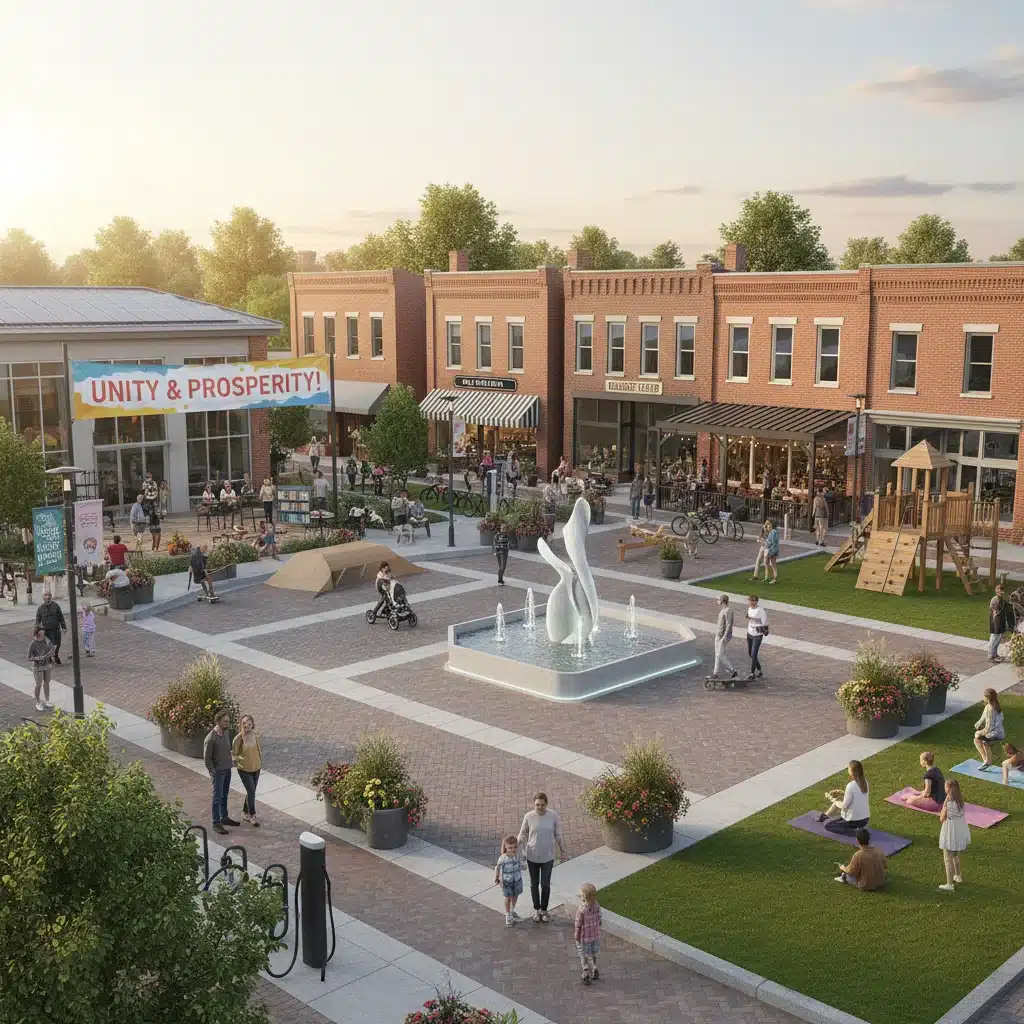
Genuine rural areas, particularly those with natural attractions or strong community ties, are also seeing a resurgence. This ‘rural renaissance’ is characterized by new residents bringing diverse skills, remote work opportunities, and a desire to contribute to local economies. This influx can revitalize struggling main streets, boost local services, and introduce new perspectives and entrepreneurial spirit.

Economic and Social Impacts on Receiving Communities
The inflow of new residents into rural and suburban areas brings both opportunities and challenges:
- Economic Boost: New residents often bring higher incomes, boosting local spending, property values, and tax revenues. This can support local businesses, fund public services, and create new job opportunities.
- Housing Market Pressure: Increased demand can lead to rising housing prices, potentially pricing out long-term residents or making it difficult for local workers to afford to live where they work. This requires careful planning and policy interventions to ensure equitable growth.
- Infrastructure Strain: Growing populations put pressure on existing infrastructure, including schools, roads, water systems, and healthcare facilities. Communities must invest in upgrading and expanding these services to accommodate growth.
- Cultural Shifts: Newcomers can bring fresh ideas and diversity, but also potential cultural clashes with established residents. Successful integration requires open communication and community engagement.
Many receiving communities are actively planning for this growth, implementing strategies to manage development, preserve local character, and ensure that the benefits are shared broadly.
Regional Variations in US Internal Migration
While the broad trends of urban exodus and rural renaissance are evident, the specifics of US internal migration vary significantly by region. Certain states and regions are net gainers, while others are net losers.
The Sun Belt Continues to Shine
The Sun Belt states, particularly Florida, Texas, Arizona, and the Carolinas, continue to be major destinations for internal migrants. This is driven by a combination of factors: warmer climates, lower taxes (especially no state income tax in some), relatively lower cost of living compared to coastal metros, and robust job markets in specific industries. These states have been adept at attracting both retirees and working-age populations, leading to sustained population growth and economic expansion.
Mountain West and Pacific Northwest Allure
States in the Mountain West (e.g., Idaho, Montana, Utah, Colorado) and parts of the Pacific Northwest (e.g., Oregon, Washington, though with more localized urban outflows) also remain popular. These regions offer stunning natural beauty, outdoor recreation, and a growing tech presence that allows for remote work. However, some of these areas are now grappling with their own affordability crises as demand surges, leading to concerns about sustainable growth.
Northeast and Midwest: Mixed Pictures
The Northeast and parts of the Midwest have historically seen net outflows, but the picture is becoming more nuanced. While major cities in the Northeast continue to see residents leave, some smaller cities and rural areas within these regions are experiencing inflows. The Midwest, with its relatively low cost of living and robust manufacturing or agricultural sectors, is also seeing some communities successfully attract remote workers and families. The key for these regions is often leveraging specific advantages, such as strong community ties, specific industry niches, or proximity to natural resources.
Long-Term Implications for 2026 and Beyond
The sustained patterns of US internal migration have profound long-term implications for the nation’s economy, infrastructure, social equity, and political landscape.
Economic Restructuring
The redistribution of population means a redistribution of economic activity. Rural and exurban areas that gain population will see increased demand for goods and services, potentially fostering new businesses and industries. Conversely, urban centers may need to adapt their economic strategies, focusing on high-value industries, innovation, and amenities that continue to attract a certain demographic.
Infrastructure and Planning Challenges
Both gaining and losing regions face significant infrastructure challenges. Growing areas need to expand roads, utilities, schools, and healthcare facilities, often requiring substantial public investment. Shrinking urban areas may face underutilized infrastructure and the challenge of maintaining services for a smaller or changing population.
Social Equity and Inclusivity
Migration patterns can exacerbate or alleviate existing social inequalities. If new residents drive up costs in previously affordable areas, it can displace long-term, lower-income residents. Conversely, a diverse influx of new residents can bring new perspectives and resources to communities that have historically struggled with brain drain or economic stagnation. Policies promoting affordable housing, equitable development, and community integration are crucial.
Political and Electoral Shifts
Population shifts inevitably lead to changes in political representation and electoral power. States gaining population may gain congressional seats and electoral votes, while those losing population may lose them. This can have significant impacts on national politics and policy priorities. Local elections are also profoundly affected, with new residents bringing different political leanings and priorities to their adopted communities.
Conclusion: A Nation in Motion, Redefining Home
As we navigate 2026, the patterns of US internal migration are clearly here to stay, reshaping the very fabric of American society. The urban exodus is not a death knell for cities but a catalyst for their evolution, while the rural renaissance offers a vital lifeline and new dynamism to countless smaller communities. The drivers are complex – a potent mix of economic pressures, technological enablement, and a deep human desire for a better quality of life.
The future will demand adaptable urban planning, thoughtful community development, and robust investment in infrastructure, particularly digital connectivity, across all regions. Understanding these ongoing shifts is paramount for policymakers, businesses, and individuals alike, as they collectively work to build a more resilient, equitable, and prosperous future for all Americans, no matter where they choose to call home. The great reshuffle continues, inviting us to rethink what ‘home’ truly means in a rapidly changing world.