Innovation’s Dark Side: Unmasking the Myths of Progress in Daily Life
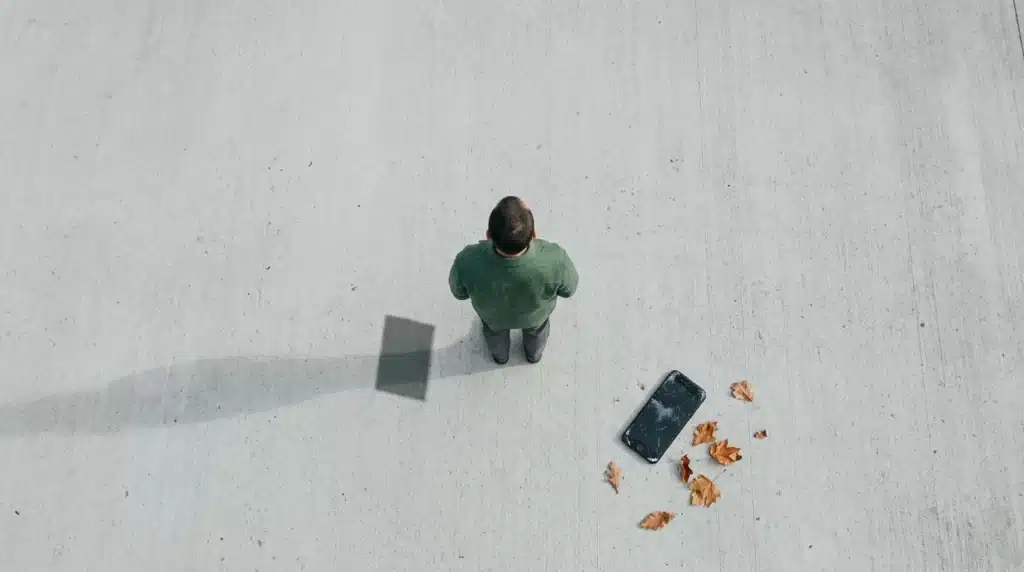
We are constantly surrounded by the promise of progress, a dazzling vision of a future made fluid and simple by the next great innovation. Every product launch and software update is presented as an necessary leap forward, making our current possessions feel instantly obsolete. This relentless cycle encourages us to believe that newer is always better, and that adopting the latest technology is the only way to live an efficient, modern life. But what if this narrative is just a story we’re being sold?
Beneath the glossy surface of this supposed progress lies a more complicated reality. The constant push for ‘new’ often comes with significant trade-offs that are rarely mentioned in the marketing materials. We exchange repairability for sealed designs, privacy for convenience, and genuine human connection for algorithmically curated feeds. This isn’t an accidental byproduct of innovation; it’s a calculated system of planned obsolescence and data monetization designed to keep us consuming, updating, and depending on services we don’t fully control.
This article unmasks the hidden costs behind the most common myths of technological advancement. We will dissect the ‘always better’ fallacy that fuels consumerism, explore how digital tools can paradoxically foster isolation, and reveal the steep privacy price of a ‘smart’ home. we’ll examine the environmental reality behind corporate greenwashing. By the end, you’ll be equipped with the critical perspective needed to navigate the hype and decide what ‘progress’ means for you.
The ‘Always Better’ Fallacy: When New Tech Isn’t an Upgrade
We are relentlessly sold a simple story: newer is better. Every product launch, software update, and marketing blitz reinforces the idea that the latest version is a mandatory leap forward. This narrative fuels the consumerism trap, creating an artificial need for constant replacement. But the truth is far more complicated, and the relentless pursuit of “new” often leaves us with less reliable, more expensive, and surprisingly inconvenient products.
The assumption that progress is a straight, upward line is one of the most pervasive myths of our time. It ignores the very real trade-offs we make with each “upgrade,” from repairability to privacy. The underrated factor here is how these societal trends shape our buying habits, pressuring us to discard the functional for the fashionable. This isn’t accidental. It’s by design.
Planned Obsolescence: A Feature, Not a Flaw?
This relentless cycle of manufactured desire, often termed planned obsolescence, ensures a steady stream of revenue by making perfectly functional products seem outdated or incompatible with newer software. It’s a feature, not a bug. Your smartphone slowing down after a major OS update or a printer suddenly refusing to work with third-party ink cartridges are not isolated incidents. They are calculated business decisions designed to push you toward a new purchase.
According to a report from the European Environmental Bureau, the average lifespan of a smartphone has decreased by nearly 27% over the last decade. This isn’t because we are incapable of building durable electronics; it’s because long-lasting products are bad for quarterly earnings reports. The process is like a car manufacturer designing a specific part to fail just after the warranty expires. Is it any wonder that consumers feel trapped on a treadmill of constant spending? Learning to identify and resist this strategy is a key part of avoiding common pitfalls in emerging tech adoption.
The Hidden Costs of ‘Convenience’ Innovations
Beyond the obvious financial drain, the perpetual upgrade cycle carries significant hidden costs. Each new device or app demands a mental toll—we must learn new interfaces, migrate data, and troubleshoot fresh compatibility issues. What most people miss is the cumulative cognitive load these “minor” changes introduce into our lives. A simple, reliable “dumb” appliance that performs one function perfectly for 20 years is often replaced by a “smart” version that requires software updates, a stable Wi-Fi connection, and a data-sharing agreement just to operate.
This is a classic case of innovation drawbacks being masked as progress. Consider the sheer volume of e-waste generated by this churn, a problem that now totals over 50 million metric tons annually, as stated by the UN’s Global E-waste Monitor. Dr. Elena Vance, a tech ethicist at the Stanford Digital Society Lab, argues, “We’ve traded longevity and ownership for temporary access and digital dependency.” This shift fundamentally alters our relationship with the objects we own, analyzing how innovation reshapes daily living patterns in ways we are only beginning to understand.
The comparison becomes stark when you lay it out directly.
Modern ‘Smart’ Device vs. Legacy ‘Dumb’ Product
- Pros: Highly versatile with multiple features, integrates with other digital services, potential for remote access and automation.
- Cons: Shorter lifespan, often requires subscriptions, vulnerable to security breaches and software bugs, data privacy concerns, and typically impossible for a user to repair.
Legacy ‘Dumb’ Product
- Pros: durable and reliable, simple to operate, no data privacy risks, often user-repairable, performs its core function without fail.
- Cons: Limited to a single function, lacks connectivity, does not receive new features after purchase.
This cycle doesn’t just empty our wallets; it subtly rewires our expectations of what “good enough” even means, setting us on a treadmill of perpetual dissatisfaction.
Societal Trends: Are We More Connected or Just More Distracted?
The great promise of the digital age was a world brought closer together, a global community connected by invisible threads of data. This was the sales pitch. The reality, looks disturbingly different. Instead of fostering deep, meaningful bonds, our ubiquitous digital tools often serve to amplify our isolation, creating a paradox where we have thousands of “friends” but nobody to call in a crisis.
This isn’t just a feeling; it’s a documented phenomenon. The architecture of our digital lives is not built for connection, but for engagement—a metric that profits from outrage, anxiety, and fleeting interactions. We have traded the substance of community for the performance of it. Our social fabric is being replaced by a feed.
The Illusion of a Global Village: Echo Chambers and Polarization
The concept of a “global village” suggested a harmonious melting pot of ideas. What we got instead was a series of heavily fortified digital cul-de-sacs. Algorithmic curation, designed to maximize your time on-site, learns what you like and, more importantly, what you dislike, feeding you an endless stream of content that confirms your existing biases. You are not being exposed to the world; you are being shown a mirror of your own corner of it.
This digital balkanization is one of the most significant evolving societal trends of our time, creating echo chambers where dissenting opinions are not just disagreed with but are rendered invisible. A Pew Research Center study found that a staggering 64% of U.S. adults believe social media has a mostly negative effect on the country, with many citing its role in fostering division. Are we really connecting with others, or just reinforcing our connection to a tribe? The data suggests the latter, creating a society that is increasingly polarized and less capable of empathy or compromise.
Attention as Currency: The Cost of Constant Notifications
Your attention is the most valuable commodity in the modern economy. Every buzz, ping, and notification is a bid for a slice of your cognitive resources—a digital dopamine hit that keeps us coming back for more. This relentless barrage of interruptions has a profound psychological cost, shattering our ability to focus and engage in the deep thought required for genuine human connection. Our attention span is like a glass of water being constantly jostled; a little spills with every notification until there’s hardly anything left for what matters.
Dr. Marcus Thorne, a cognitive neuroscientist at Stanford University, explains that the constant “context switching” demanded by our devices can slash productivity by up to 41%. This isn’t just about getting work done. It destroys our capacity for presence in conversations with loved ones, leaving us physically present but mentally absent. This state of cognitive whiplash is one of the most overlooked pitfalls in emerging tech adoption, eroding the very foundation of our relationships.
We are living in a state of perpetual distraction.
Reclaiming Real Connections: Strategies for Digital Detox
Pushing back against this tide requires more than simple willpower; it demands intentional strategies. This is not about abandoning technology, but about consciously deciding its place in your life rather than accepting the default settings designed by corporations. Recalibrating the daily living patterns that technology has imposed upon us is an act of defiance.
The underrated factor here is treating your attention with the same seriousness as your finances or your physical health. You must actively manage it. Consider implementing a few practical, albeit challenging, protocols:
- Scheduled Unavailability: Designate specific hours of the day as “unreachable,” where your phone is off or in another room. This creates space for uninterrupted thought and conversation.
- Notification Audit: Go through every app on your phone and disable all but the most primary notifications. If the information isn’t from a human being trying to contact you directly, its alert can likely be turned off.
- Practice Monotasking: Intentionally choose to do one thing at a time. When you eat, just eat. When you talk to someone, just talk. These aren’t just tips; they are advanced strategies for daily living in a world built to fragment your focus.
Ultimately, the tools for disconnection are now being sold to us by the same companies that profited from our distraction. The question remains whether we can buy back our focus or if the architecture of our society has already been irrevocably changed.
We’ve traded longevity and ownership for temporary access and digital dependency.
— Dr. Elena Vance, Tech Ethicist, Stanford Digital Society Lab
| Feature | Modern ‘Smart’ Device | Legacy ‘Dumb’ Product |
|---|---|---|
| Lifespan | Shorter, often limited by software support | Long-lasting and durable |
| Functionality | Versatile, multi-featured, requires connectivity | Single-purpose, reliable, and offline |
| Ongoing Cost | May require subscriptions and frequent replacement | One-time purchase |
| Data Privacy | Collects and transmits user data | No data collection or privacy risks |
| Repairability | Often difficult or impossible for users to repair | Frequently simple and user-repairable |
| Dependency | Relies on servers, software updates, and internet | Self-contained and autonomous |
Daily Living ‘Efficiencies’: Trading Time for Data and Privacy?
The promise of the automated home is sold as a utopia of convenience, a world where your lights adjust, your thermostat anticipates, and your groceries reorder themselves. This vision of smooth living is incredibly seductive. But this convenience comes at a steep, often invisible, price. Every command you speak and every routine you automate is a transaction, and the currency is your personal data.
The Unseen Data Harvest in Your Smart Home
Your smart speaker doesn’t just listen for “Hey, Alexa”; it logs the cadence of your voice, background conversations, and even the ambient sounds of your household. A recent study from the Carnegie Mellon CyLab revealed that the average smart home could generate over 1.2 GB of behavioral data per week, often transmitted to dozens of unknown servers. This information details your sleeping patterns, media consumption, and social habits with frightening precision.
This is not a passive collection. It is an active harvest.
What most people miss is how this constant stream of information is like a slow, silent data leak in your house. A single drip seems harmless, but over time it floods the foundation. Companies aggregate these seemingly trivial data points to build complex behavioral profiles, which are then sold to advertisers, insurers, and data brokers. Understanding how innovation reshapes daily living patterns means acknowledging you are the product, not just the consumer.
Is Automation Making Us Less Capable?
Beyond the surveillance economy, a more subtle danger emerges: the systematic erosion of human competence. When you delegate daily decisions and simple tasks to an algorithm, you stop exercising the cognitive muscles required to perform them. By outsourcing routine cognitive labor—like navigating your own city or remembering a simple shopping list—are we slowly chipping away at our own capabilities?
This phenomenon, known as “deskilling,” creates a dependency that is both fragile and profound. It’s not just about forgetting how to read a paper map (a skill many have already lost); it’s about a basic reliance on systems we don’t control. For those navigating the new frontier of tech, this dependency is a significant, often overlooked, pitfall. Before integrating another “smart” device into your life, consider this checklist:
- What precise data is collected, and for what purpose? Demand transparency beyond the vague terms of service.
- Can the device function at a basic level if disconnected from the internet? If not, you don’t own a product; you’re renting a service.
- Who are the third-party companies receiving my data? Research the manufacturer’s data-sharing partnerships.
- What skill does this automation replace, and is it a skill I want to retain? Be honest about the cognitive trade-off.
The ultimate challenge isn’t just choosing the right device, but consciously mastering the algorithmic life rather than being mastered by it. The question remains whether the next generation of “efficiency” will build a smarter home or simply a more compliant occupant.
Innovation’s Environmental Footprint: The Greenwashing Dilemma
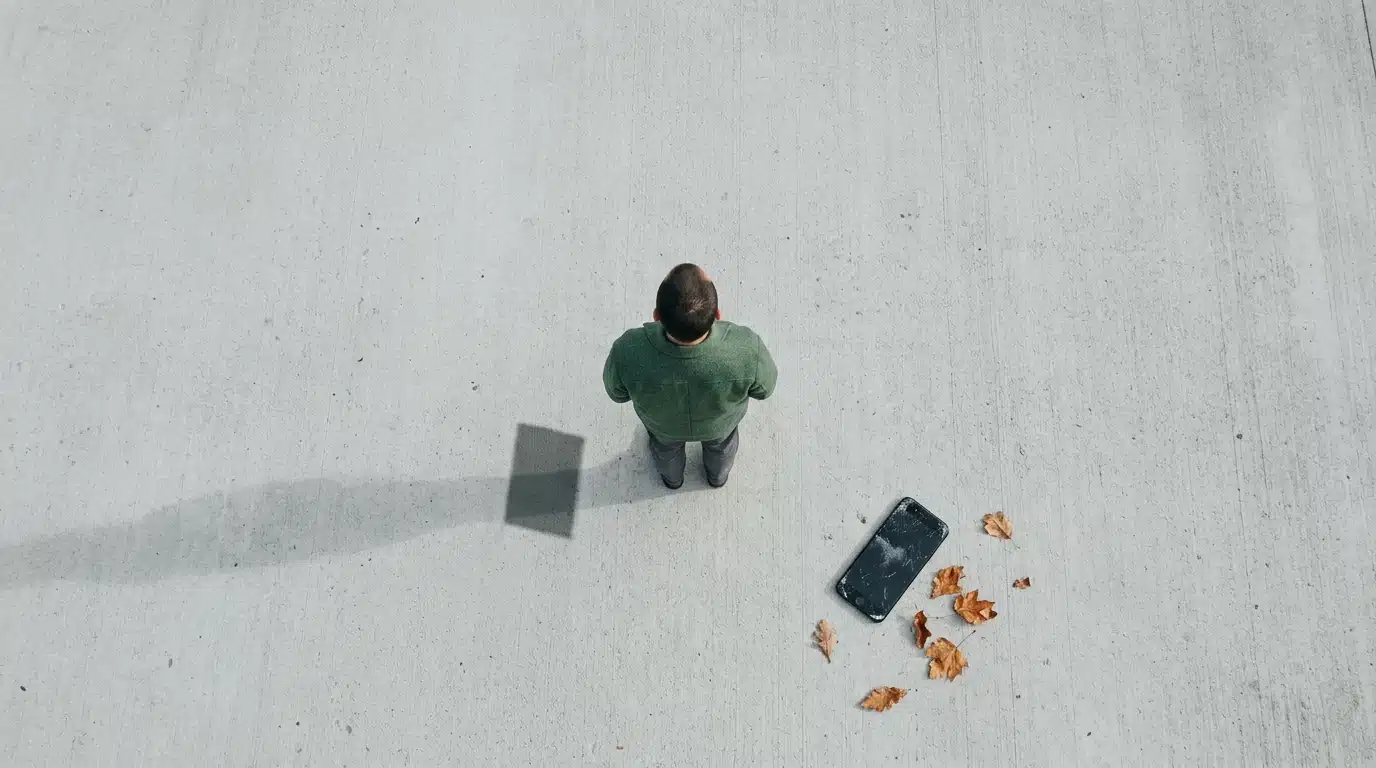
The tech industry sells a clean, minimalist fantasy, but the reality is anything but. Every new “eco-friendly” device comes wrapped in a layer of convenient fiction, promising a greener lifestyle through smarter consumption. What most people miss is that this narrative conveniently ignores the immense physical cost of our digital world. The promise of sustainability is often just refined marketing.
This isn’t just speculation; the numbers are staggering. The UN’s Global E-waste Monitor reports that humanity generates over 50 million metric tonnes of e-waste annually, with a shockingly low 17.4% being formally recycled. Companies engage in rampant greenwashing, highlighting recycled aluminum casings while ignoring the toxic battery disposal problem and the carbon-intensive server farms powering their “cloud” services. Understanding this disconnect is critical to avoiding the common pitfalls in emerging tech adoption.
It’s like buying organic produce packaged in three layers of non-recyclable plastic. The core product might seem virtuous, but the total impact is a net loss for the environment. How sustainable is a smartphone that receives software updates for only a few years, essentially pushing consumers toward a new purchase? The planned obsolescence baked into modern tech — a feature, not a bug — makes a mockery of any claims to environmental stewardship.
Our desire for constant upgrades has a price.
Beyond the waste, the very creation of these devices exacts a heavy toll, requiring the mining of rare-earth metals in often exploitative conditions. The data shows how innovation reshapes daily living, but it rarely accounts for the strip-mined landscapes and polluted water sources left in its wake. The unresolved tension is that the tools we use to optimize our lives are actively degrading the planet we live on.
Beyond the Hype: Cultivating a Critical Perspective on Progress
Rejecting the relentless narrative of progress is not about being anti-technology; it is about being pro-intention. The constant pressure to upgrade, adopt, and integrate the “next big thing” often masks a simple marketing cycle designed to create dissatisfaction with what already works. Instead of blindly accepting every new update or gadget, a more resilient strategy is conscious adoption. This means asking questions that tech evangelists conveniently ignore.
One of the most effective tactics is simply to wait. Resisting the initial launch frenzy—the digital equivalent of letting a new car model run for a year to see what breaks—allows the product’s true flaws and benefits to surface. What most people miss is that early adopters are often unpaid beta testers. A surprising report from the Boston Consulting Group suggests that up to 70% of digital transformation projects fall short of their original goals, highlighting the risks of jumping on board too quickly.
This relentless push for the new also reshapes our world in subtle ways. How does a “smart” home really change family dynamics, and what data is being collected in the process? The shift toward an algorithmic life is sold as convenience, but it often comes at the cost of personal agency and critical thought. Avoiding the common pitfalls in tech adoption requires a healthy dose of skepticism.
True progress should reduce complexity, not add to it.
Ultimately, the power lies not in acquiring the latest device but in developing the discernment to know when to opt out. The most valuable skill in the coming years won’t be coding or data science. It will be the quiet, deliberate act of questioning what “better” really means.
Beyond the Hype: Redefining ‘Progress’ on Our Own Terms
Moving forward, the challenge isn’t to reject technology, but to cultivate a healthy skepticism—an ‘innovation literacy’ that allows us to see past the marketing and evaluate a product’s true impact on our lives. It’s about shifting our definition of value from novelty and feature-creep to longevity, autonomy, and genuine utility. The most powerful upgrade we can make isn’t to our devices, but to the critical questions we ask before we let them into our homes and our habits.
Instead of passively accepting the future that is sold to us, we can begin to choose it. This means supporting companies that prioritize durability, demanding transparency in data practices, and consciously curating our digital environments to serve our well-being, not just corporate metrics. As technology continues to accelerate, will we finally learn to steer it toward our own goals, or will we remain compliant passengers on a ride we never agreed to take?
Frequently Asked Questions
Does new technology always mean progress?
Not necessarily. The idea that ‘newer is better’ is often a marketing fallacy. Many new technologies introduce significant trade-offs, such as shorter lifespans due to planned obsolescence, increased vulnerability to security risks, and a loss of user privacy, which can make them a downgrade from older, more reliable products.
How do innovations impact our privacy in daily life?
Many modern innovations, especially ‘smart’ devices and online platforms, are designed to harvest vast amounts of personal data. Your habits, conversations, and routines are collected and analyzed to build detailed profiles, which are then sold to advertisers and other third parties. This creates a system where convenience is often paid for with your privacy.
Can digital tools actually make us feel more isolated?
Yes, this is a well-documented paradox. While digital tools promise global connection, their algorithms often create personalized echo chambers that reinforce our biases and limit exposure to different perspectives. This can replace deep, substantive relationships with shallow, performative interactions, leading to a feeling of being more disconnected and isolated.
What is greenwashing in the context of technological innovation?
Greenwashing occurs when tech companies use marketing to create a misleadingly positive image of their environmental impact. They might highlight the use of recycled aluminum in a phone’s casing while ignoring the massive e-waste created by short product lifecycles and the carbon-intensive data centers required to power their cloud services.
How can I critically evaluate new tech trends?
To critically evaluate new tech, question its true purpose beyond the marketing. Ask what data it collects, whether it can function without an internet connection, and what human skill it might replace. Prioritizing longevity, repairability, and data privacy over novel features helps you make more conscious and beneficial choices.