Maximize Small Space Living: 6 Expert Tips for 40% More Efficiency
In an increasingly urbanized world, small space living is becoming not just a trend, but a necessity for many. Whether you’re in a studio apartment, a tiny home, or simply have a compact room you want to optimize, the challenge remains the same: how to make the most of every square inch without feeling cramped or cluttered? The good news is, it’s entirely possible to transform your compact dwelling into a highly functional, comfortable, and aesthetically pleasing sanctuary. With the right strategies and a bit of creativity, you can boost your small space efficiency by as much as 40%, making your home feel significantly larger and more organized.
This comprehensive guide delves into 6 expert tips that will revolutionize your approach to small space living. We’ll explore everything from strategic furniture choices to innovative storage solutions and psychological tricks that create an illusion of grandeur. Prepare to unlock the hidden potential within your compact home and embrace a more streamlined, efficient, and enjoyable lifestyle.
The Philosophy Behind Small Space Efficiency
Before diving into the practical tips, it’s crucial to understand the underlying philosophy of small space efficiency. It’s not just about cramming more things into a tiny area; it’s about thoughtful design, intentional choices, and a shift in mindset. The goal is to create a living environment where every item serves a purpose, every piece of furniture is optimized, and visual clutter is minimized. This philosophy emphasizes quality over quantity, multi-functionality, and a deep understanding of your daily needs and routines.
Embracing this philosophy means asking yourself critical questions: Do I truly need this item? Can this furniture piece serve more than one function? How can I utilize vertical space more effectively? By adopting this thoughtful approach, you lay the groundwork for truly transformative changes in your small home.
Tip 1: Embrace Multi-Functional Furniture – The Cornerstone of Small Space Efficiency
When every square foot counts, single-purpose furniture becomes a luxury you can’t afford. This is where multi-functional furniture shines as the absolute cornerstone of small space efficiency. These ingenious pieces are designed to adapt, transform, and serve multiple roles, effectively doubling or even tripling the utility of your living area without adding bulk.
Sofa Beds and Futons: More Than Just Seating
The classic sofa bed is a prime example. In a studio apartment, your living room can effortlessly convert into a guest bedroom or even your primary sleeping area. Modern designs have come a long way, offering comfortable sleeping surfaces and stylish aesthetics during the day. Similarly, futons offer flexibility, transforming from a couch to a bed with ease, making them excellent choices for small apartments or guest rooms.
Ottomans with Storage: Hidden Treasures
An ottoman can be much more than a footrest. Opt for models with hinged tops that reveal generous storage space. These can store blankets, books, remote controls, or even serve as an impromptu coffee table when topped with a tray. This simple addition tackles clutter while providing extra seating or a surface.
Nesting Tables: Flexible Surfaces
Nesting tables are a brilliant solution for dynamic spaces. A set of two or three tables can be neatly tucked away when not in use, taking up minimal floor space. When entertaining or needing extra surface area for work or dining, they can be pulled out and arranged as needed. This flexibility is key to adapting your small home to various activities.
Wall-Mounted or Fold-Down Desks: Your Home Office Solution
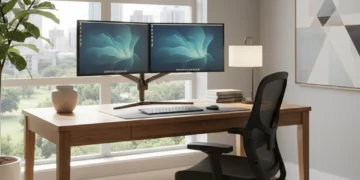
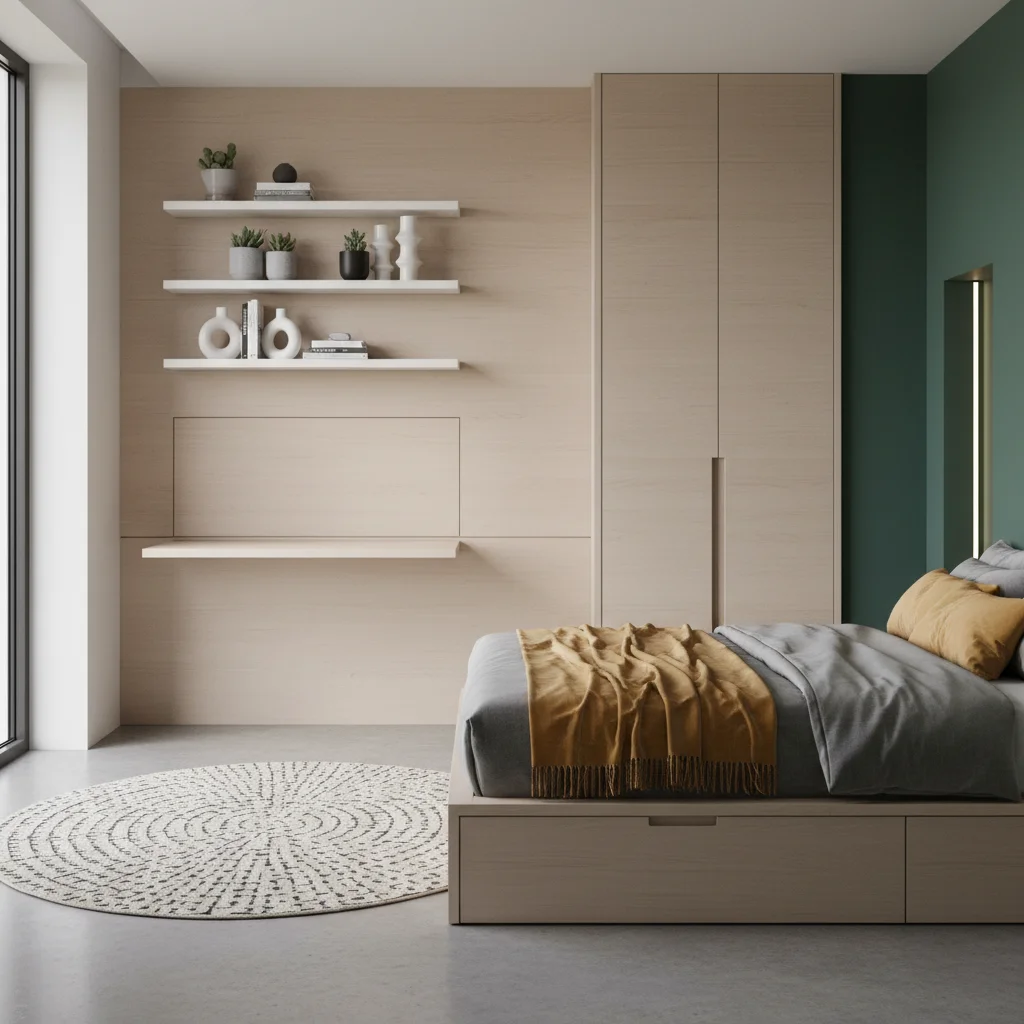
For those working from home or needing a dedicated workspace, a traditional desk can be a significant space hog. Consider a wall-mounted desk that folds down when needed and disappears when not in use. Some models even integrate shelving, further maximizing their utility. This allows you to reclaim valuable floor space and maintain a clean, uncluttered look when work is done.
Storage Beds: Underneath the Comfort
Your bed occupies a substantial footprint in any room. Don’t let the space beneath it go to waste! Storage beds come with built-in drawers or lift-up mechanisms that reveal vast storage compartments. This is an ideal spot for seasonal clothing, extra linens, books, or anything you don’t need daily access to. Maximizing this often-overlooked area significantly boosts your small space efficiency.
Tip 2: Master Vertical Storage – Reaching New Heights in Organization
In small space living, when you can’t expand outwards, you must expand upwards. Mastering vertical storage is perhaps the most impactful strategy for boosting small space efficiency. Think of your walls as untapped real estate, waiting to be utilized for organization and display.
Floor-to-Ceiling Shelving: Maximizing Wall Space
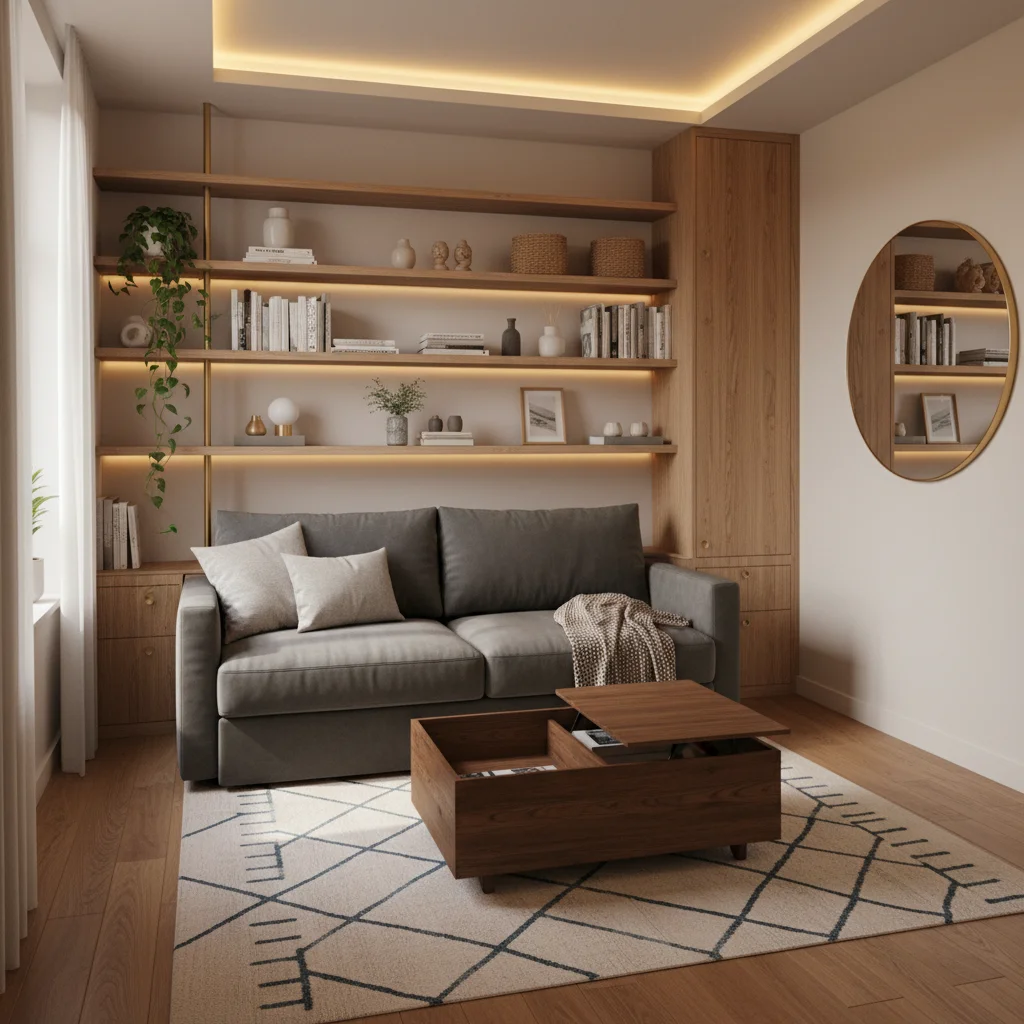
Instead of short bookcases, invest in or build custom floor-to-ceiling shelving units. These draw the eye upward, making the room feel taller, and provide an incredible amount of storage for books, decor, and even concealed items in baskets or decorative boxes. Ensure they are securely anchored to the wall for safety.
Floating Shelves: Light and Airy Storage
Floating shelves offer a sleek, minimalist look while providing practical storage or display space without the bulk of traditional units. They are perfect for kitchens to hold spices and dishes, bathrooms for toiletries, or living areas for small decor items and art. Their open design helps maintain an airy feel, preventing the space from feeling overwhelmed.
Wall-Mounted Organizers: Beyond the Kitchen
Think beyond standard shelves. Wall-mounted pegboards, magnetic strips, and various hanging organizers can transform otherwise unused wall sections. In the kitchen, a pegboard can hold pots, pans, and utensils. In an entryway, it can organize keys, mail, and coats. In a craft room, it’s a dream for tools and supplies. These solutions keep items off countertops and floors, dramatically improving small space efficiency.
Over-the-Door Solutions: Hidden Storage Gems
The back of any door – be it a bedroom, bathroom, or pantry door – is prime real estate for vertical storage. Over-the-door shoe organizers, towel racks, hooks for robes, or even small shelving units can provide significant additional storage without encroaching on floor space. These are particularly useful for items that don’t need to be constantly on display.
Stackable Bins and Drawers: Modular Organization
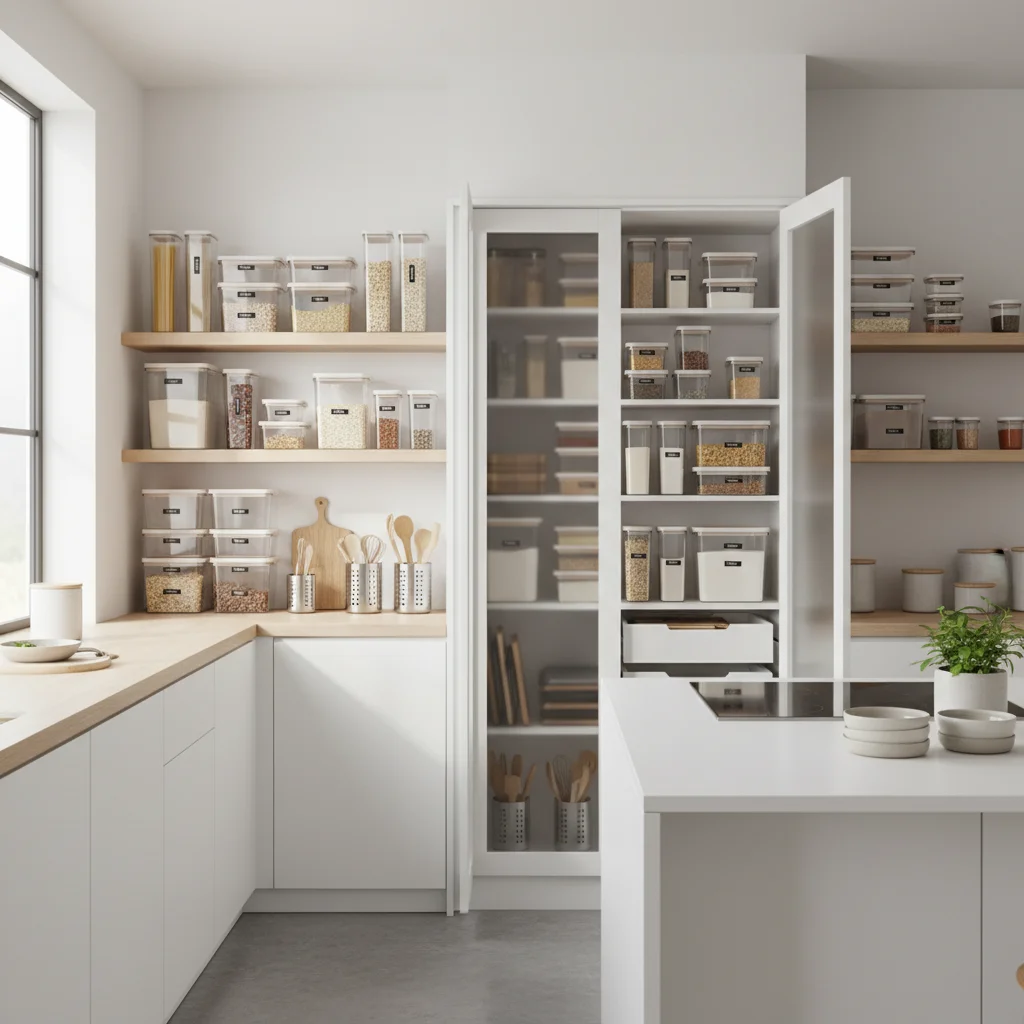
Inside cabinets and on shelves, utilize stackable bins, drawers, and risers to create multiple layers of storage. This is especially effective in kitchens for maximizing pantry space or in closets for organizing clothes and accessories. Clear containers allow you to easily see contents, reducing rummaging and maintaining order.
Tip 3: Optimize Your Layout and Flow – The Art of Strategic Placement
An efficient layout is paramount in small space living. Even with the best furniture and storage, a poorly arranged room will feel cluttered and difficult to navigate. Optimizing your layout is about creating clear pathways, defining zones, and ensuring a harmonious flow throughout your home.
Define Zones with Purpose
In open-plan or studio spaces, it’s essential to delineate different functional zones without using solid walls. This can be achieved with area rugs, strategically placed furniture (like the back of a sofa creating a living room boundary), or even clever lighting. For example, a rug can define your living area, while a different lighting fixture can mark your dining space. This mental segmentation makes a small space feel more structured and intentional.
Keep Pathways Clear
Ensure there are clear, unobstructed pathways between different areas of your home. A general rule of thumb is to allow at least 30-36 inches for main pathways. Avoid placing large furniture pieces that block natural routes. If you constantly have to squeeze past items, your home will feel smaller and less inviting.
Furniture Against Walls (Mostly)
While design trends sometimes favor floating furniture, in small spaces, pushing larger pieces like sofas and beds against walls often frees up central floor space, creating a sense of openness. However, don’t be afraid to experiment. Sometimes pulling a small armchair slightly away from a wall can create a cozy nook without sacrificing flow.
Consider Scale and Proportion
When selecting furniture, pay close attention to its scale relative to the room. Oversized furniture will overwhelm a small space, making it feel even tinier. Opt for pieces with slim profiles, exposed legs (which allow light to pass through, creating an airy feel), and lighter colors. Avoid bulky, heavy pieces that visually anchor the room down.
Utilize Corners and Awkward Nooks
Don’t let corners go to waste. Corner shelves, small corner desks, or even a tall, slim plant can utilize these often-overlooked areas. Awkward nooks can be transformed into built-in storage, a cozy reading corner, or a display area, turning a challenge into an opportunity for improved small space efficiency.
Tip 4: Harness the Power of Light and Color – Creating Illusions of Grandeur
Beyond physical objects, the perception of space is heavily influenced by light and color. These elements are powerful tools in small space living, capable of making a compact room feel expansive, bright, and welcoming.
Light Colors for Walls and Ceilings
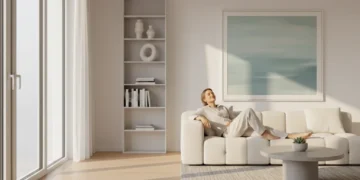
It’s a classic tip for a reason: light colors reflect light, making walls recede and rooms feel larger and airier. White, off-white, pale grays, and soft pastels are excellent choices. Painting the ceiling a lighter color than the walls can also make the room feel taller. Consistency in color palette across multiple rooms can also create a sense of continuity and openness.
Maximize Natural Light
Natural light is your best friend in a small space. Keep windows unobstructed by heavy drapes. Opt for sheer curtains, blinds, or Roman shades that can be pulled up completely. If privacy isn’t an issue, consider leaving windows bare. The more natural light you let in, the brighter and more open your space will feel.
Strategic Artificial Lighting
Layered lighting is crucial. Instead of just one overhead light, incorporate various light sources: floor lamps, table lamps, and wall-mounted sconces. This creates depth and eliminates dark corners, which can make a room feel smaller. Uplighting can make ceilings appear higher, while task lighting illuminates specific areas without cluttering the main space.
Mirrors: The Ultimate Space Expander
Mirrors are magical in small spaces. Placed strategically, a large mirror can reflect light and views, effectively doubling the perceived size of a room. Position a mirror opposite a window to amplify natural light and bring the outdoors in. A floor-length mirror leaning against a wall can add depth without requiring permanent installation.
Minimize Visual Clutter
While not strictly about light and color, minimizing visual clutter is closely related to creating an open, airy feel. Too many small objects, busy patterns, or disparate colors can make a space feel chaotic and cramped. Opt for a cohesive color scheme, tuck away unnecessary items, and embrace clean lines. A calm visual environment significantly enhances the perceived small space efficiency.
Tip 5: Think Custom and Built-In – Tailored Solutions for Tight Spots
While off-the-shelf solutions are convenient, custom or built-in elements can dramatically elevate small space efficiency. These solutions are designed to fit your unique dimensions and needs, utilizing every available inch that standard furniture might leave unused.
Built-In Shelving and Cabinetry
Recessed shelves or custom-built cabinetry that fits snugly into an alcove or along an entire wall can provide seamless storage without protruding into the room. This creates a clean, integrated look that maximizes storage while maintaining open floor space. Think about built-in bookcases around a doorway or a custom entertainment unit that incorporates storage for media and other items.
Window Seats with Storage
If you have a window, consider building a window seat with storage underneath. This provides comfortable seating, a cozy reading nook, and valuable hidden storage for blankets, toys, or seasonal items. It’s a perfect example of combining comfort and utility in a compact footprint.
Integrated Desks and Workspaces
Similar to fold-down desks, a custom-built desk that integrates into a wall unit or a corner can be a game-changer. These solutions can be designed to include specific shelving for office supplies, cable management, and even a pull-out keyboard tray, ensuring a highly functional workspace that blends seamlessly with your living area.
Custom Wardrobes and Closets
Standard wardrobes often leave awkward gaps or don’t utilize the full height of a room. A custom-built wardrobe can be designed to fit floor-to-ceiling, incorporating specialized compartments for different clothing types, shoes, and accessories. This bespoke approach ensures every inch is used effectively, significantly boosting your clothing storage capacity and overall small space efficiency.
Murphy Beds: The Ultimate Space Saver
For the ultimate in flexibility, especially in studio apartments or multi-purpose rooms, a Murphy bed (or wall bed) is an unparalleled solution. These beds fold up into a wall cabinet when not in use, completely freeing up the floor space for other activities during the day. Modern Murphy beds often include integrated shelving or desks, adding even more functionality.
Tip 6: Declutter Ruthlessly and Regularly – The Ongoing Maintenance of Small Space Living
All the clever furniture and storage solutions in the world won’t matter if you’re constantly fighting against clutter. Ruthless and regular decluttering is not just a one-time event; it’s an ongoing practice that is absolutely vital for maintaining small space efficiency.
The ‘One In, One Out’ Rule
To prevent accumulation, adopt the ‘one in, one out’ rule. When you buy a new item, especially in categories prone to clutter like clothing, books, or kitchen gadgets, commit to donating or discarding an old item from the same category. This simple rule helps maintain balance and prevents your possessions from overwhelming your space.
Regular Purges: Schedule It In
Don’t wait until your space feels suffocating. Schedule regular decluttering sessions – perhaps quarterly or even monthly for high-traffic areas. Focus on one category or one room at a time to make it less daunting. Ask yourself: Have I used this in the last six months to a year? Does it bring me joy or serve a practical purpose? If not, it might be time to let it go.
Digitalize When Possible
Reduce physical clutter by digitalizing documents, photos, and even entertainment. Cloud storage can eliminate piles of papers, and streaming services mean fewer DVDs or CDs. This frees up significant physical space and makes information more accessible.
Embrace Minimalism (to Your Comfort Level)
You don’t have to become a strict minimalist, but adopting some of its principles can be incredibly beneficial. Focus on owning fewer, higher-quality items that you truly love and use. Resist the urge to buy things just because they are on sale or trendy. Every item in a small space has a greater impact, so make sure each one earns its place.
Everything Has a Home
For every item you own, designate a specific ‘home.’ When something isn’t in use, return it to its designated spot. This simple habit prevents items from accumulating on surfaces, ensuring your home stays tidy and organized. When everything has a place, putting things away becomes a quick and easy task, rather than a frustrating search for space.
Beyond the Tips: The Mindset of Small Space Efficiency
Ultimately, achieving optimal small space efficiency is as much about a mindset as it is about practical strategies. It’s about embracing creativity, adaptability, and intentional living. It’s about recognizing that a smaller footprint doesn’t mean sacrificing comfort or style, but rather calls for smarter, more deliberate choices.
By implementing these six expert tips, you’re not just organizing your home; you’re transforming your relationship with your living environment. You’re creating a space that feels more open, more functional, and more aligned with your lifestyle. The journey to a more efficient compact home is an ongoing one, but with these strategies, you’re well-equipped to maximize every inch and truly thrive in your small sanctuary.
Conclusion: Your Path to 40% More Space
Living in a small space doesn’t have to mean compromising on comfort, style, or functionality. In fact, it can be an opportunity to cultivate a more intentional, organized, and creative lifestyle. By diligently applying these 6 expert tips – embracing multi-functional furniture, mastering vertical storage, optimizing your layout, harnessing light and color, thinking custom, and decluttering ruthlessly – you can realistically enhance your small space efficiency by a remarkable 40% or more.
Imagine a home where every item has its place, where your living area seamlessly transforms into a workspace or guest room, and where light and thoughtful design make every room feel expansive. This isn’t a pipe dream; it’s an achievable reality with the strategies outlined above. Start small, implement one tip at a time, and watch as your compact home evolves into a highly efficient, beautiful, and perfectly tailored living environment. Your journey to maximizing your small space starts now!