AI Learning Tools: Transforming American Schools by 2026

The landscape of American education is on the cusp of a profound transformation, driven by the rapid advancements and integration of artificial intelligence. Insider knowledge suggests a significant shift: by 2026, an estimated 20% of American schools are projected to have adopted AI learning tools. This isn’t just a trend; it’s a fundamental re-imagining of how students learn, how teachers teach, and how educational institutions operate. The rise of AI learning tools promises an era of personalized education, enhanced efficiency, and unprecedented access to knowledge, but also brings with it a host of challenges and considerations that must be navigated carefully.
For decades, educators have strived to provide tailored learning experiences for each student, recognizing that no two learners are identical. However, the sheer scale of this endeavor within traditional classroom settings has always been a formidable barrier. Enter AI learning tools, which are poised to break down these barriers, offering dynamic, adaptive, and highly personalized educational pathways. This article delves into the exciting future of education, exploring the driving forces behind this rapid adoption, the benefits and challenges it presents, and what this means for students, teachers, and the broader educational ecosystem.
The Dawn of Personalized Learning with AI Learning Tools
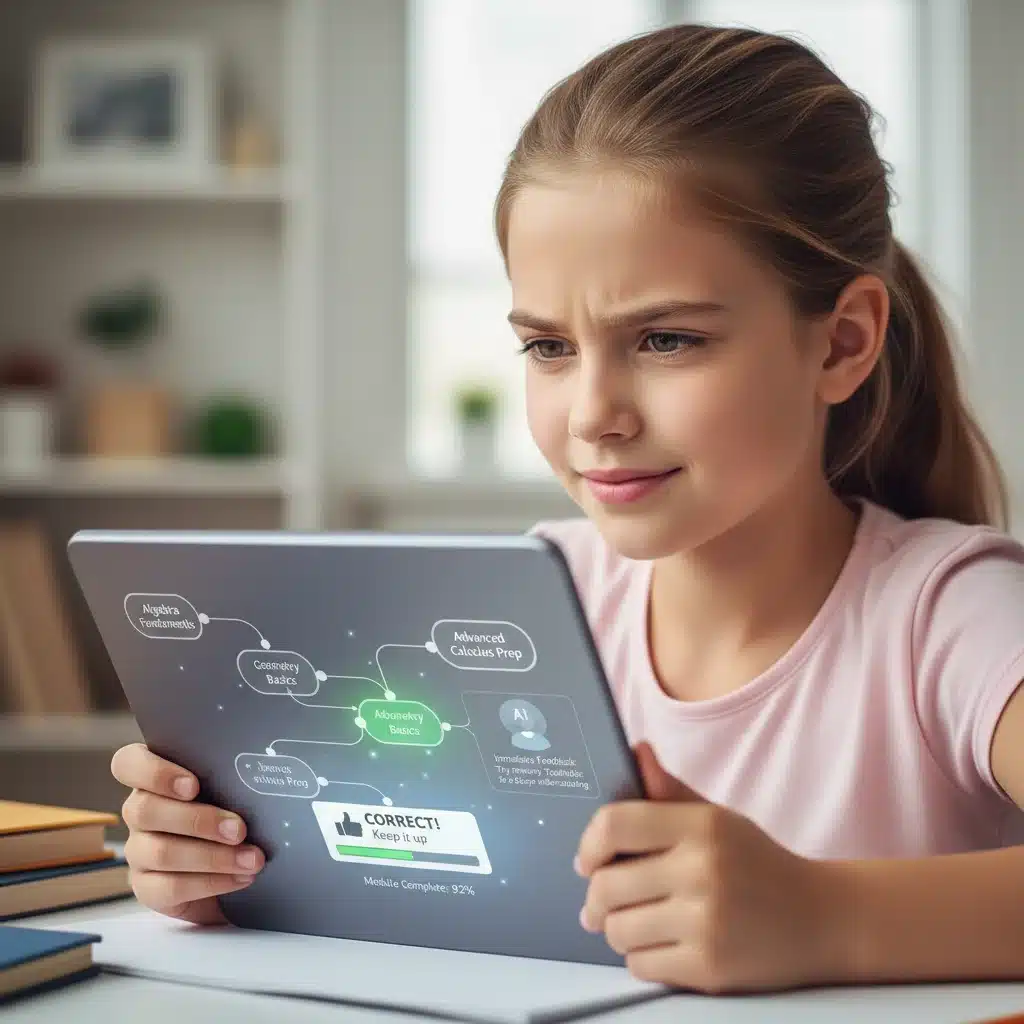
One of the most compelling promises of AI learning tools is their ability to deliver truly personalized learning experiences. Imagine a system that understands a student’s unique learning style, pace, strengths, and weaknesses, then customizes content, exercises, and feedback in real-time. This is no longer the stuff of science fiction; it’s becoming a reality in classrooms across the nation.
Traditional education often adopts a ‘one-size-fits-all’ approach, where curriculum delivery is standardized, and students are expected to keep pace with the general class progression. This model, while effective for some, can leave others behind or fail to adequately challenge advanced learners. AI learning tools address this by providing adaptive learning platforms. These platforms utilize sophisticated algorithms to analyze a student’s performance, identify areas where they struggle or excel, and then adjust the learning material accordingly. For instance, if a student consistently masters a concept quickly, the AI can present more challenging problems or introduce new topics. Conversely, if a student is having difficulty, the AI can offer additional explanations, different examples, or recommend supplementary resources until mastery is achieved.
This level of individualization can significantly enhance student engagement and outcomes. When students feel understood and supported, they are more likely to remain motivated and take ownership of their learning journey. Furthermore, AI learning tools can provide immediate feedback, a crucial element for effective learning that is often difficult for teachers to provide consistently in a busy classroom. This instant gratification helps students correct misconceptions before they become deeply ingrained and reinforces correct understanding.
Beyond adaptive content, AI can also personalize the learning environment itself. Some AI learning tools can recommend specific learning strategies based on a student’s cognitive profile, suggest collaborative projects with peers who have complementary skills, or even identify optimal times for a student to engage with certain types of material. This holistic approach to personalization moves beyond simply delivering content to truly optimizing the entire learning process for each individual.
Enhanced Efficiency and Support for Educators
The integration of AI learning tools isn’t just about benefiting students; it also offers immense potential to empower and support educators. Teachers are often burdened with administrative tasks, grading, and the challenge of addressing diverse learning needs within a single classroom. AI can significantly alleviate these pressures, allowing teachers to focus more on high-value activities like mentorship, critical thinking development, and emotional support.
One of the most immediate impacts of AI learning tools on teachers is in the realm of assessment and grading. AI-powered systems can automatically grade assignments, quizzes, and even essays, providing instant feedback to students and freeing up countless hours for teachers. This automation extends beyond simple multiple-choice questions; advanced AI models can evaluate written responses for grammar, coherence, and even conceptual understanding, offering suggestions for improvement. This not only saves time but also ensures consistency and objectivity in grading.
Furthermore, AI learning tools can act as powerful diagnostic instruments. By collecting and analyzing vast amounts of data on student performance, these tools can provide teachers with invaluable insights into individual student progress and class-wide trends. Teachers can quickly identify common misconceptions, pinpoint students who are struggling, and understand which teaching methods are most effective. This data-driven approach enables educators to make more informed instructional decisions, tailor their lessons more effectively, and intervene proactively when students need extra support.
Consider the scenario where an AI system flags several students who are consistently struggling with a particular mathematical concept. The teacher can then use this information to pull those students into a small group for targeted intervention, rather than waiting for a major exam to reveal the problem. This proactive approach, facilitated by AI learning tools, can significantly improve academic outcomes and reduce the likelihood of students falling behind.
AI can also assist teachers in curriculum development and resource discovery. By analyzing learning objectives and student profiles, AI can suggest relevant educational materials, create customized lesson plans, and even generate practice problems. This transforms the teacher’s role from a sole content deliverer to a facilitator of learning, a mentor, and a guide who can leverage powerful technological allies to create more impactful educational experiences.
Key Areas of AI Learning Tools Adoption
The projected 20% adoption rate by 2026 indicates a broad embrace of AI learning tools across various facets of American education. While personalized learning and administrative support are overarching themes, several specific applications are driving this integration:
- Adaptive Learning Platforms: As discussed, these are perhaps the most common and impactful AI learning tools. Companies like Knewton, DreamBox Learning, and ALEKS have been pioneers in creating platforms that adjust content difficulty and pace based on student performance.
- Intelligent Tutoring Systems (ITS): These systems go beyond adaptive content by simulating one-on-one human tutoring. They can engage students in dialogue, answer questions, provide hints, and offer detailed explanations, often using natural language processing (NLP) to understand student queries.
- Automated Grading and Feedback: From multiple-choice assessments to complex essays, AI is increasingly used to grade and provide constructive feedback, particularly in subjects like English, mathematics, and computer science.
- Educational Chatbots and Virtual Assistants: These AI learning tools can answer student questions about coursework, provide technical support, offer study tips, or even guide students through complex problem-solving scenarios.
- Learning Analytics and Predictive Modeling: AI analyzes student data to identify patterns, predict academic risk, and recommend interventions. This helps schools identify students who might be disengaging or struggling before they drop out or fail.
- Content Curation and Generation: AI can help teachers find and curate relevant educational resources from vast online repositories. In some cases, AI can even generate new learning materials, such as practice questions, summaries, or even simple explanations of complex topics.
- Language Learning Applications: AI-powered apps are revolutionizing language acquisition by providing personalized pronunciation feedback, grammar correction, and conversational practice.
The diversity of these applications highlights the versatility of AI learning tools and their potential to address a wide range of educational needs and challenges. The rapid evolution of AI technology means that new and innovative applications are constantly emerging, further accelerating the adoption curve.
Challenges and Ethical Considerations in AI Adoption
While the benefits of AI learning tools are substantial, their widespread adoption is not without challenges and ethical considerations. As American schools embrace this technology, it’s crucial to address these issues proactively to ensure equitable and responsible implementation.
Data Privacy and Security
AI learning tools collect vast amounts of student data – from academic performance and learning styles to behavioral patterns. Protecting this sensitive information is paramount. Schools must implement robust data security measures and adhere to strict privacy regulations (like FERPA in the US). Parents and students need to be informed about what data is collected, how it’s used, and who has access to it. Any breach of trust or security could severely undermine the public’s confidence in AI in education.
Equity and Access
The digital divide remains a significant concern. Not all students have equal access to reliable internet, devices, or even a conducive home learning environment. If AI learning tools are primarily implemented in well-funded districts or for students with existing technological advantages, it could exacerbate existing educational inequalities. Ensuring equitable access and providing necessary infrastructure and support for all students, regardless of socioeconomic background, is critical for successful and fair adoption.
Teacher Training and Professional Development
The introduction of AI learning tools requires a significant shift in teaching methodologies. Teachers need comprehensive training not only on how to use these tools but also on how to integrate them effectively into their pedagogy. This includes understanding how to interpret AI-generated data, how to leverage AI to personalize instruction, and how to maintain the human element of teaching. Without adequate professional development, the full potential of AI may not be realized, and teachers might feel overwhelmed or displaced.
Bias in Algorithms
AI algorithms are only as unbiased as the data they are trained on. If the training data reflects existing societal biases (e.g., racial, gender, socioeconomic), the AI learning tools could inadvertently perpetuate or even amplify these biases. For example, an AI designed to predict academic success might unfairly disadvantage students from certain demographic groups if the historical data it learned from was skewed. Continuous auditing, diverse data sets, and ethical AI development practices are essential to mitigate this risk.
The Role of the Teacher
There’s a natural concern that AI learning tools might diminish the role of the teacher or even replace them. It’s crucial to emphasize that AI is a tool to augment human intelligence, not replace it. Teachers provide emotional support, foster critical thinking that goes beyond algorithmic logic, and facilitate social-emotional development – aspects that AI cannot replicate. The goal is to free up teachers from mundane tasks so they can focus on these uniquely human aspects of education.
Over-reliance on Technology
While AI learning tools offer incredible benefits, an over-reliance on technology without developing fundamental human skills could be detrimental. Students still need to develop problem-solving skills independently, engage in critical thinking without constant algorithmic guidance, and interact effectively with peers and adults. A balanced approach that integrates AI thoughtfully, rather than making it the sole mode of instruction, is vital.
The Future Outlook: Beyond 2026
The projected 20% adoption of AI learning tools by American schools by 2026 is just the beginning. This initial wave will lay the groundwork for even more sophisticated and integrated AI applications in the years to come. What might the educational landscape look like beyond this initial phase?
Hyper-Personalization and Predictive Analytics
As AI models become more advanced and data sets grow, we can expect even deeper levels of personalization. AI might not only adapt content but also predict potential learning obstacles before they arise, offering preventative interventions. It could identify optimal learning environments for individual students, suggest career paths based on evolving skills and interests, and even simulate complex real-world scenarios for immersive learning.
Virtual and Augmented Reality Integration
The combination of AI learning tools with Virtual Reality (VR) and Augmented Reality (AR) holds immense potential. Imagine students exploring historical sites in VR, dissecting virtual organs in AR, or practicing public speaking with AI-powered virtual audiences that provide real-time feedback. AI will power the intelligence behind these immersive experiences, making them adaptive and responsive to the learner.
Lifelong Learning and Skill Development
The rapid pace of technological change demands continuous learning. AI learning tools will play a crucial role in supporting lifelong learning, helping individuals reskill and upskill throughout their careers. AI can identify emerging skill gaps, recommend relevant courses, and provide personalized learning paths for professional development, extending its impact far beyond K-12 education.
Global Collaboration and Access
AI can facilitate unprecedented global collaboration, connecting students and educators across continents. Language barriers can be overcome with real-time AI translation, and access to high-quality educational resources can be democratized, reaching underserved populations worldwide. This could foster a truly global learning community powered by AI learning tools.

Implementing AI Learning Tools: A Strategic Approach
For schools and districts aiming to be part of the 20% by 2026, a strategic and thoughtful implementation plan is essential. This isn’t about simply purchasing software; it’s about fostering a culture of innovation and readiness.
- Define Clear Educational Goals: Before adopting any AI learning tools, schools must clearly articulate what problems they are trying to solve or what educational outcomes they aim to achieve. Is it improving math scores? Enhancing reading comprehension? Reducing teacher workload? Clear goals will guide technology selection and implementation.
- Pilot Programs and Phased Rollouts: Instead of a district-wide immediate deployment, schools should start with pilot programs in specific classrooms or subjects. This allows for testing, gathering feedback, and making necessary adjustments before scaling up.
- Invest in Infrastructure: Reliable internet connectivity, sufficient devices, and robust IT support are non-negotiable. Without a solid technological foundation, even the most advanced AI learning tools will fail to deliver their promise.
- Prioritize Professional Development: As mentioned, ongoing training for teachers and administrators is crucial. This should not be a one-time event but a continuous process that evolves with the technology.
- Engage Stakeholders: Involve teachers, parents, students, and community members in the decision-making process. Address their concerns, explain the benefits, and build a collaborative environment for adoption.
- Focus on Ethical AI Use: Establish clear policies regarding data privacy, algorithmic bias, and responsible AI usage. Regularly review and update these policies as technology evolves.
- Measure Impact and Iterate: Continuously monitor the effectiveness of AI learning tools. Collect data on student performance, teacher satisfaction, and engagement. Use this data to refine implementation strategies and ensure the technology is genuinely serving educational objectives.
Conclusion: A New Chapter for American Education
The projection that 20% of American schools will adopt AI learning tools by 2026 marks a pivotal moment in the history of education. This rapid integration signifies a collective recognition of AI’s transformative power to personalize learning, empower educators, and enhance educational outcomes for all students. While challenges related to equity, privacy, and teacher training must be diligently addressed, the potential rewards are immense.
As we move forward, the focus must remain on leveraging AI not as a replacement for human connection and critical thinking, but as a powerful enabler. AI learning tools offer the opportunity to create more dynamic, engaging, and effective learning environments, preparing students not just for the jobs of tomorrow, but for a future where adaptability, creativity, and lifelong learning are paramount. The journey has begun, and the future of American education, shaped by intelligent technologies, promises to be more innovative and inclusive than ever before.