Eco-Friendly Home Cleaning: 4 Routines for a Healthier US Home in 2026
Beyond Basic Cleaning: 4 Eco-Friendly Routines for a Healthier US Home in 2026
In an era where personal well-being and planetary health are increasingly intertwined, the way we clean our homes has never been more critical. Traditional cleaning products, while effective, often harbor a cocktail of harsh chemicals that can pollute indoor air, irritate skin, trigger allergies, and contribute to broader environmental degradation. As we step further into 2026, the demand for sustainable, non-toxic alternatives is soaring, and for good reason. Embracing eco-friendly home cleaning isn’t just a trend; it’s a fundamental shift towards creating a genuinely healthier living space for ourselves, our families, and the planet.
This comprehensive guide will delve into four essential eco-friendly cleaning routines designed to transform your US home into a sanctuary of cleanliness and health. We’ll move beyond superficial tidying, exploring practical, actionable steps that integrate seamlessly into your daily life. From understanding the hidden dangers of conventional cleaners to mastering the art of DIY solutions and adopting mindful consumption habits, you’ll gain the knowledge and tools to make your home shine, naturally.
The journey to a healthier home begins with awareness. Many conventional cleaning products contain volatile organic compounds (VOCs), phthalates, ammonia, and chlorine bleach, which can lead to respiratory issues, headaches, skin irritation, and even long-term health concerns. Children and pets, due to their smaller size and closer proximity to floors and surfaces, are particularly vulnerable to these chemical exposures. By opting for eco-friendly home cleaning methods, you significantly reduce these risks, fostering an environment where everyone can thrive.
Moreover, the environmental benefits are profound. Chemical runoff from conventional cleaning products can contaminate waterways, harming aquatic life and ecosystems. The manufacturing and disposal of these products also contribute to air pollution and landfill waste. Choosing green alternatives supports sustainable industries, reduces your carbon footprint, and helps preserve the natural world for future generations. It’s a holistic approach to home care that extends its positive impact far beyond your four walls.
Let’s embark on this enlightening journey to discover how simple changes can lead to monumental improvements in your home’s health and your family’s well-being. Get ready to embrace the power of nature’s cleaners and transform your living space into a beacon of sustainability.
Routine 1: The Daily Detox – Quick & Green Maintenance
Maintaining a consistently clean and healthy home doesn’t require exhaustive, once-a-week cleaning marathons. Instead, it thrives on consistent, quick, and efficient daily habits. This first routine focuses on ‘daily detox’ – small, impactful actions you can take each day to prevent grime buildup and ensure your home remains a fresh, healthy haven. The key to successful eco-friendly home cleaning at this level is consistency and simplicity.
Morning Refresh (10-15 minutes)
- Ventilate: Upon waking, open windows for 5-10 minutes. This simple act flushes out stale air, reduces indoor air pollutants, and introduces fresh oxygen. It’s a cornerstone of a healthy indoor environment.
- Bed Making: While seemingly minor, making your bed airs out sheets and prevents dust mite accumulation. Consider washing bedding weekly with eco-friendly detergents.
- Kitchen Wipe-Down: After breakfast, wipe down countertops, the stovetop, and the sink with a natural all-purpose cleaner. A simple solution of white vinegar (diluted 1:1 with water) and a few drops of essential oil (like lemon or tea tree) works wonders for disinfecting and deodorizing without harsh chemicals. Use reusable microfiber cloths to reduce paper waste.
- Bathroom Quick Clean: A quick wipe of the sink, faucet, and toilet seat with your natural all-purpose cleaner can prevent soap scum and grime from setting in. Keep a dedicated cloth for the bathroom.
Evening Tidy (10-15 minutes)
- Clear Clutter: Before bed, take 5 minutes to put things back in their place. Clutter attracts dust and makes thorough cleaning harder.
- Floor Sweep/Vacuum (High-Traffic Areas): A quick sweep or vacuum of high-traffic areas (kitchen, entryway) can significantly reduce tracked-in dirt and allergens. For vacuuming, ensure your model has a HEPA filter to trap fine particles effectively.
- Dish Duty: Load the dishwasher or wash dishes immediately after dinner. This prevents food residue from attracting pests and growing bacteria. Use an eco-friendly dish soap that is biodegradable and free from phosphates and dyes.
- Trash Management: Empty small trash cans in the kitchen and bathroom regularly, especially those containing food waste. Use compostable trash bags where possible.
By integrating these small, consistent actions, you’ll find that your home stays remarkably cleaner, reducing the need for intensive, chemical-laden deep cleans. This daily detox routine is the foundation for effective eco-friendly home cleaning.
Routine 2: Weekly Deep Dive – Targeting Key Areas Naturally
While daily maintenance keeps things tidy, a weekly deep dive ensures that key areas receive thorough attention, preventing the buildup of dirt, grime, and allergens. This routine leverages powerful natural ingredients and techniques to achieve a truly clean and sanitized home without resorting to harsh chemicals. This is where your commitment to eco-friendly home cleaning truly shines.
Kitchen Refresh (60-90 minutes)
- Appliance Exterior: Wipe down the exterior of all appliances (refrigerator, oven, microwave) with your natural all-purpose cleaner. For stainless steel, a microfiber cloth with a small amount of olive oil can leave a streak-free shine.
- Microwave Interior: Place a bowl of water with lemon slices or white vinegar in the microwave and heat for 2-3 minutes until steamy. Let it sit for another 5 minutes, then easily wipe away grime.
- Sink & Faucet Deep Clean: Sprinkle baking soda into the sink, scrub with a brush or sponge, then rinse with white vinegar. The fizzing action helps lift stains and deodorize.
- Floor Scrub: Mop kitchen floors with a solution of warm water and a few tablespoons of white vinegar, optionally adding a few drops of essential oil for scent. For tough spots, a paste of baking soda and water can be used as a gentle abrasive.
- Trash Can Cleaning: Empty, rinse, and spray the inside of your trash can with a vinegar solution to disinfect and eliminate odors.
Bathroom Blitz (45-60 minutes)
- Toilet Bowl: Sprinkle baking soda into the toilet bowl, let it sit for 15-30 minutes, then scrub with a toilet brush and flush. For tougher stains, add a cup of white vinegar before scrubbing.
- Shower/Tub: For soap scum, spray a solution of equal parts white vinegar and dish soap. Let it sit for 15-30 minutes, then scrub and rinse. For mildew, a paste of baking soda and hydrogen peroxide can be effective.
- Mirrors & Glass: Mix equal parts white vinegar and water in a spray bottle. Spray onto glass and wipe with a lint-free cloth or newspaper for a streak-free shine.
- Floor Clean: Mop bathroom floors with the same vinegar and water solution used for the kitchen. Pay attention to corners and around the toilet.
- Tile Grout: A paste of baking soda and water, applied with an old toothbrush, can work wonders on discolored grout. Spray with vinegar for extra fizz and scrubbing power.
Living Areas & Bedrooms (30-45 minutes)
- Dusting: Use a damp microfiber cloth (dampened with water or a very dilute vinegar solution) to dust all surfaces, furniture, and electronics. This traps dust rather than just spreading it around.
- Vacuuming/Sweeping: Thoroughly vacuum all carpets and rugs, and sweep or damp mop hard floors. Focus on under furniture and in corners. Ensure your vacuum’s HEPA filter is clean.
- Window Sills & Blinds: Wipe down window sills and blinds with a damp cloth. For blinds, a sock over your hand can make cleaning individual slats easier.
- Door Handles & Light Switches: These are high-touch areas. Disinfect them with your natural all-purpose cleaner to reduce germ spread.
This weekly deep dive ensures that every corner of your home receives proper attention, keeping it not just visually clean, but genuinely healthy and free of harmful residues. It’s a testament to effective eco-friendly home cleaning practices.
Routine 3: Seasonal Overhaul – Comprehensive Green Cleaning
Beyond daily and weekly tasks, a seasonal overhaul (typically quarterly or twice a year) allows for a more comprehensive and intensive approach to eco-friendly home cleaning. These deeper cleans address areas often overlooked in regular routines, ensuring your home remains pristine and functional year-round. Think of it as a reset button for your healthy home environment.
Spring/Summer Refresh
- Window Washing: Clean windows inside and out with your vinegar and water solution. For exterior windows, a squeegee can be very effective. This lets more natural light in, boosting mood and reducing the need for artificial lighting.
- Curtains & Blinds: Launder washable curtains with eco-friendly detergent or vacuum blinds and drapes thoroughly to remove accumulated dust and allergens.
- Carpet & Upholstery Cleaning: If possible, rent an eco-friendly carpet cleaner or hire a professional who uses green solutions. Alternatively, sprinkle baking soda on carpets, let it sit for an hour (or overnight), then vacuum thoroughly to deodorize. For spot cleaning upholstery, a mixture of mild eco-friendly dish soap and water can work.
- Deep Kitchen Clean: Clean out and wipe down the refrigerator and pantry. Discard expired items. Wash cabinet exteriors and interiors. Defrost and clean the freezer. Clean the oven with a baking soda paste (mix baking soda with a little water to form a thick paste, apply to oven interior, let sit overnight, then scrape and wipe clean).
- Outdoor Areas: Sweep porches, patios, and decks. Clean outdoor furniture with a hose and a mild soap solution.
Fall/Winter Preparation
- Dusting High & Low: Use an extendable duster to reach ceiling fans, light fixtures, and high shelves. Dust baseboards and crown molding.
- Mattress Care: Vacuum your mattress thoroughly. Sprinkle baking soda over it, let it sit for a few hours, then vacuum again to absorb moisture and deodorize. Flip or rotate your mattress.
- Ventilation System Check: Clean air vents and replace HVAC filters with eco-friendly, high-efficiency options. This is crucial for maintaining excellent indoor air quality, a cornerstone of eco-friendly home cleaning.
- Appliance Maintenance: Clean out the lint trap and vent hose of your dryer. Run a cleaning cycle on your washing machine with white vinegar. Clean dishwasher filters.
- Toy Sanitization: Wash children’s plastic toys in a solution of warm water and a small amount of eco-friendly dish soap. Disinfect with a diluted hydrogen peroxide spray if desired. Launder soft toys.
These seasonal overhauls tackle larger tasks, ensuring that all aspects of your home contribute to a healthy, natural living environment. They are essential for a truly comprehensive eco-friendly home cleaning strategy.
Routine 4: Mindful Consumption & DIY Solutions – The Core of Green Living
Beyond the physical act of cleaning, true eco-friendly home cleaning is deeply rooted in mindful consumption and the embrace of DIY solutions. This routine is less about scheduled tasks and more about a philosophy – a conscious choice to reduce waste, avoid harmful chemicals, and empower yourself with natural alternatives. It’s about changing your mindset towards household management.
Embrace DIY Cleaning Products
The beauty of DIY cleaning is its simplicity, effectiveness, and cost-efficiency. You control the ingredients, ensuring no hidden toxins. Here are some staple recipes:
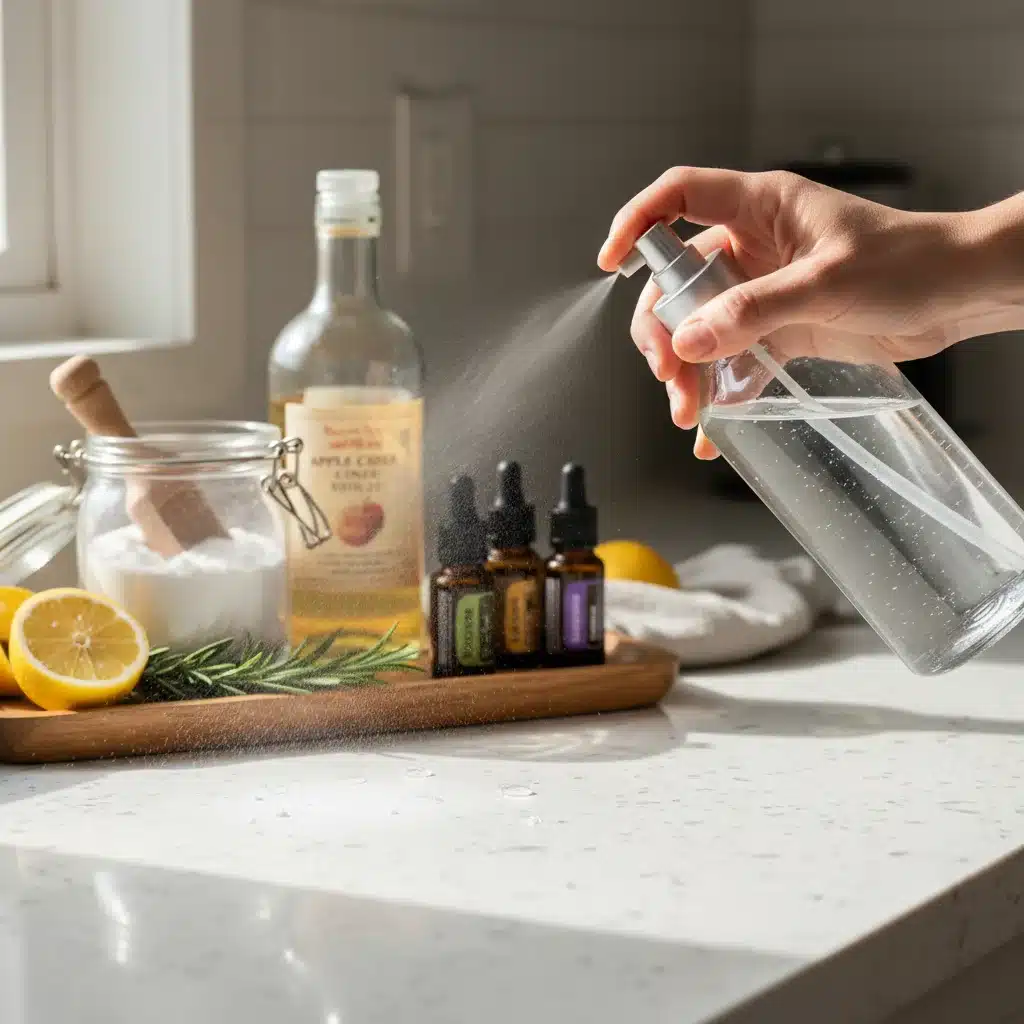
- All-Purpose Cleaner: Mix 1 part white vinegar, 1 part water, and 10-15 drops of essential oil (lemon, tea tree, lavender) in a spray bottle. Shake well before each use.
- Glass Cleaner: Mix 1 part white vinegar, 1 part water, and a tiny drop of eco-friendly dish soap (to help break surface tension) in a spray bottle.
- Scouring Paste: Combine baking soda with just enough water to form a thick paste. Add a few drops of lemon essential oil for extra cleaning power and scent. Use for sinks, tubs, and tough stains.
- Floor Cleaner: For hard floors, mix 1/2 cup white vinegar into a gallon of warm water. For wood floors, use a very diluted solution of castile soap and water, wiping almost dry immediately.
- Air Freshener: Instead of chemical aerosols, simmer citrus peels, cinnamon sticks, or cloves in water on the stove. Alternatively, use an essential oil diffuser.
These simple recipes form the backbone of a truly eco-friendly home cleaning regimen, saving you money and protecting your health.
Mindful Consumption Habits
- Read Labels Diligently: Don’t just trust marketing claims like ‘natural’ or ‘green.’ Look for third-party certifications (e.g., EPA Safer Choice, Leaping Bunny for cruelty-free). Avoid products containing ammonia, chlorine bleach, phthalates, parabens, synthetic fragrances, and phosphates.
- Choose Concentrates & Refills: Opt for concentrated cleaning products that require less packaging and last longer. Many brands now offer refill pouches or bulk options, significantly reducing plastic waste.
- Invest in Reusable Tools: Ditch paper towels for reusable microfiber cloths, cotton rags, or Swedish dishcloths. Use reusable scrub brushes with natural bristles instead of disposable sponges.
- Reduce, Reuse, Recycle: Before buying new, consider if you can make do with what you have. Reuse old t-shirts as cleaning rags. Recycle all eligible packaging.
- Support Sustainable Brands: Research and support companies committed to environmental responsibility, ethical sourcing, and transparency in their ingredients.
- Plant Power: Incorporate houseplants into your home. Certain plants like snake plants, spider plants, and peace lilies are known to help filter indoor air pollutants naturally, complementing your eco-friendly home cleaning efforts.
By integrating mindful consumption and DIY solutions, you’re not just cleaning; you’re actively participating in a sustainable lifestyle that benefits your home and the planet. This routine elevates eco-friendly home cleaning from a chore to a conscious act of care.

The Future of Clean: Your Healthier Home in 2026 and Beyond
As we navigate the complexities of modern living, the choice to embrace eco-friendly home cleaning becomes more than just a preference; it becomes a responsibility. The four routines outlined – daily detox, weekly deep dive, seasonal overhaul, and mindful consumption with DIY solutions – provide a robust framework for transforming your home into a healthier, more sustainable sanctuary. These practices are not about perfection but about progress, making conscious choices that align with your values for well-being and environmental stewardship.
In 2026, a truly healthy US home is one where the air is fresh, surfaces are clean without chemical residue, and the products used support both individual health and ecological balance. By adopting these routines, you’re not just cleaning your living space; you’re nurturing it. You’re reducing your exposure to harmful toxins, minimizing your environmental footprint, and setting a powerful example for your family and community.
The transition to eco-friendly home cleaning might seem daunting at first, especially if you’re accustomed to conventional products. However, remember that even small steps make a big difference. Start with one routine, one DIY recipe, or one product swap. Over time, these incremental changes will accumulate, leading to a profound transformation in your home environment.
Consider the long-term benefits: fewer allergies, improved respiratory health, safer spaces for children and pets, and the peace of mind that comes from knowing you’re making responsible choices. The investment of time and effort into learning and implementing these green practices will pay dividends in the health and happiness of your household for years to come.
Empower yourself with knowledge, experiment with natural solutions, and become an advocate for a cleaner, greener future. Your healthier home in 2026 is within reach, built on the foundation of conscious, sustainable cleaning. Let’s make every wipe, scrub, and spray a step towards a better world.