Gig Economy Trends 2026: The Rise of the Side Hustle Nation

The landscape of work is undergoing a profound transformation, and nowhere is this more evident than in the burgeoning gig economy. Once seen as a peripheral segment of the labor market, the gig economy has matured into a formidable force, reshaping how millions earn a living and influencing broader economic paradigms. As we peer into 2026, the United States is firmly establishing itself as a "Side Hustle Nation," where flexibility, autonomy, and diverse income streams are not just aspirations but realities for a growing segment of the workforce. Understanding these evolving gig economy trends is crucial for workers, businesses, and policymakers alike.
The term "gig economy" itself has expanded beyond its initial connotation of ride-sharing and food delivery. It now encompasses a vast array of services, from highly specialized consulting and creative projects to online tutoring, virtual assistance, and micro-tasking. This diversification is a key indicator of its resilience and adaptability. The technological infrastructure supporting these roles has become more sophisticated, enabling seamless connections between service providers and consumers, often transcending geographical boundaries.
What drives this monumental shift? A confluence of factors, including technological advancements, changing worker preferences, and economic pressures, has fueled the growth of the gig economy. The COVID-19 pandemic, while disruptive, paradoxically accelerated its adoption, as many sought alternative income sources and businesses embraced remote work and flexible staffing solutions. Now, as we move further into the post-pandemic era, these changes appear to be permanent fixtures, continually evolving and presenting new challenges and opportunities.
This article will delve into three major gig economy trends that are poised to define the US labor market in 2026. We will explore the continued evolution of platform-based work, the increasing focus on worker empowerment and benefits, and the impact of artificial intelligence and automation on gig roles. By analyzing these trends, we aim to provide a comprehensive understanding of what the future holds for the millions participating in and affected by the Side Hustle Nation.
The journey through these trends will not only highlight the dynamism of the gig economy but also shed light on the critical discussions around its sustainability, fairness, and long-term societal implications. From the independent contractor navigating multiple platforms to the established company leveraging flexible talent, everyone has a stake in these developments. Let’s embark on this exploration of the future of work.
1. The Maturation of Platform Ecosystems and Niche Specialization
One of the most significant gig economy trends for 2026 is the continued maturation and diversification of platform ecosystems, coupled with a pronounced shift towards niche specialization. Early iterations of the gig economy were often dominated by a few large, generalist platforms. However, the market is now fragmenting, with a proliferation of platforms catering to very specific skills, industries, and even micro-tasks. This specialization offers both challenges and opportunities for gig workers and businesses.
The "super-app" model, where a single platform attempts to offer a multitude of services, is giving way to a more nuanced landscape. While some larger players will undoubtedly maintain their dominance, a growing number of specialized platforms are emerging. These platforms often provide more tailored tools, better matching algorithms, and a stronger sense of community for specific professional cohorts. For instance, instead of a general freelancing site, we see platforms dedicated solely to UX/UI design, medical transcription, legal document review, or even highly specialized coding languages.
The Rise of "Gig Aggregators" and "Skill Wallets"
As the number of platforms grows, so does the complexity for gig workers managing multiple income streams. This has led to the emergence of "gig aggregators" – platforms or services that allow workers to manage their profiles, earnings, and schedules across various gig platforms from a single interface. Think of it as a universal dashboard for your side hustles. These aggregators are becoming indispensable tools for maximizing efficiency and minimizing administrative overhead, a key element in navigating the evolving gig economy trends.
Furthermore, the concept of a "skill wallet" or "digital professional passport" is gaining traction. This involves a verified, portable record of a gig worker’s skills, certifications, performance ratings, and work history, designed to be easily shared across different platforms. This reduces the need for repeated vetting processes and helps workers build a stronger, more credible professional brand within the fluid gig market. Blockchain technology is often explored as a secure and immutable solution for these digital credentials.
Hyper-Customization and AI-Powered Matching
The algorithms powering gig platforms are becoming incredibly sophisticated. In 2026, we can expect hyper-customized matching between gig workers and tasks. AI will play a pivotal role in analyzing not just stated skills but also work patterns, past performance, preferred hours, and even personality traits to suggest the most suitable gigs. This benefits both sides: workers get tasks that align better with their expertise and preferences, leading to higher satisfaction and efficiency, while clients receive higher-quality work from better-matched professionals. This advanced matching is a cornerstone of future gig economy trends.
For businesses, this means unprecedented access to a highly specialized, on-demand workforce. Companies can quickly scale up or down teams with specific expertise without the overhead of traditional hiring. However, it also demands a more strategic approach to integrating gig talent into core operations, moving beyond ad-hoc tasks to more structured project-based collaborations. The challenge lies in maintaining quality control and fostering a sense of cohesion with a transient workforce.
The implications for gig workers are profound. While increased specialization can lead to higher earning potential for those with coveted skills, it also necessitates continuous learning and upskilling to remain competitive. The "generalist" gig worker might find it harder to compete against highly specialized counterparts, pushing individuals to identify and cultivate unique skill sets. This focus on continuous professional development will be a defining characteristic of successful gig workers in the coming years.
This evolving platform landscape, with its emphasis on niche markets and intelligent matching, marks a significant shift from the early days of the gig economy. It promises greater efficiency and opportunity but also demands adaptability and a proactive approach to career management from those participating in it.

2. The Ascendancy of Worker Empowerment and Benefits
Perhaps one of the most critical and impactful gig economy trends for 2026 is the growing focus on worker empowerment, improved benefits, and fairer working conditions. The initial rapid growth of the gig economy often came at the expense of traditional worker protections, leading to widespread debate and legal challenges regarding the classification of gig workers as independent contractors versus employees. By 2026, this debate will have matured, leading to more nuanced solutions and a greater emphasis on the well-being of the gig workforce.
Hybrid Worker Classifications and Portable Benefits
The traditional binary classification of "employee" or "independent contractor" is proving insufficient for the realities of gig work. We are seeing and will continue to see the development of "hybrid" worker classifications that attempt to grant gig workers some benefits and protections traditionally associated with employment, without necessarily stripping them of the flexibility they value. This could involve mandated minimum earnings, access to sick leave, or contributions to portable benefits funds.
The concept of "portable benefits" is gaining significant traction. Instead of benefits being tied to a single employer, they would be tied to the individual gig worker and could be accrued across multiple platforms or clients. This could include contributions to retirement accounts, health savings accounts, or even unemployment insurance. States and federal agencies are exploring models to facilitate such systems, with some platforms proactively experimenting with their own versions to attract and retain talent. This move towards portable benefits is a direct response to the long-standing critique of the gig economy’s lack of safety nets, and it represents a significant shift in gig economy trends.
Collective Bargaining and Gig Worker Associations
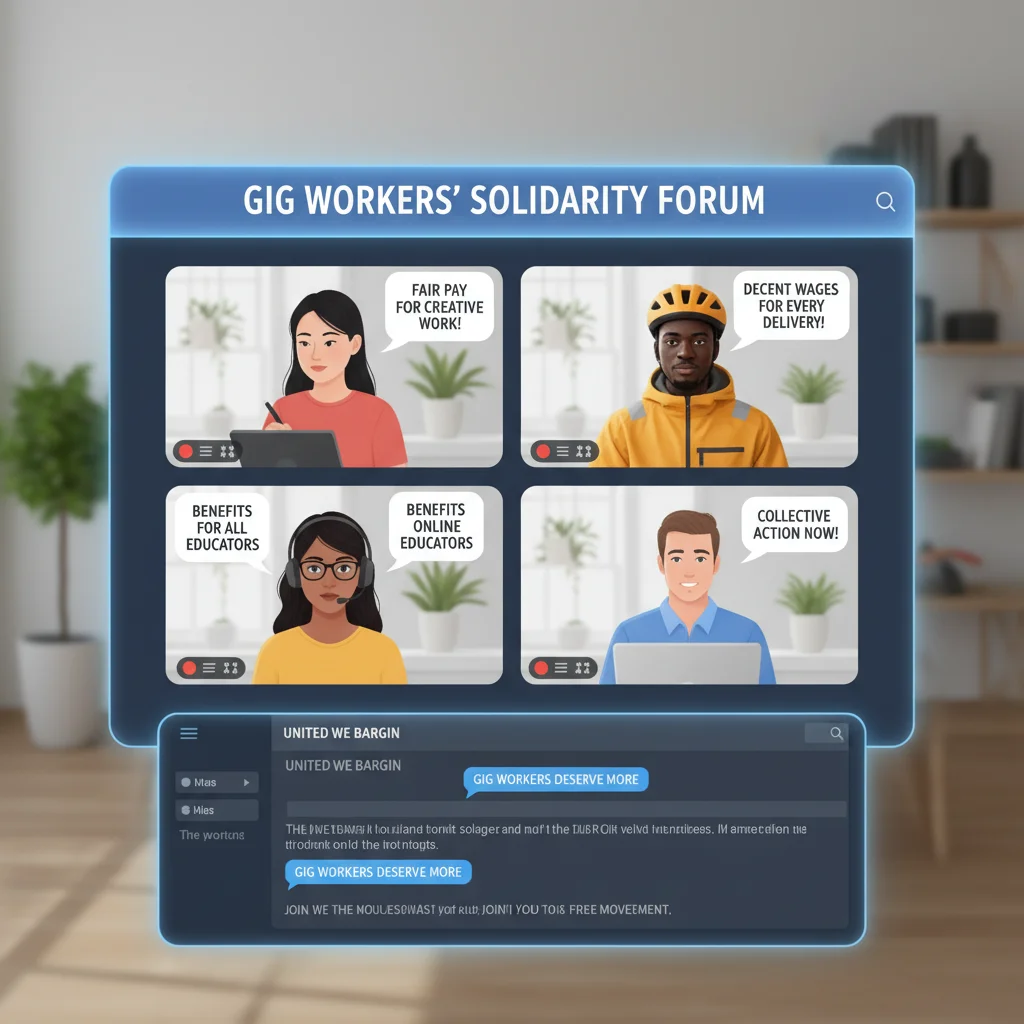
Gig workers are increasingly organizing and advocating for their rights. While traditional unionization faces legal hurdles due to independent contractor status, new forms of collective action are emerging. These include app-based worker associations, advocacy groups, and digital communities that facilitate information sharing, peer support, and collective negotiation with platforms. In 2026, these groups will likely wield greater influence, pushing for transparency in algorithms, fairer dispute resolution processes, and a stronger voice in platform governance.
The power dynamics between platforms and workers are slowly rebalancing. Platforms that fail to address worker concerns regarding pay, safety, and transparency risk reputational damage, talent drain, and increased regulatory scrutiny. This pressure, both from grassroots movements and legislative bodies, is compelling platforms to adopt more worker-centric policies, recognizing that a stable and satisfied workforce is essential for long-term growth. The Great Resignation’s 2026 Evolution highlights similar shifts in workforce priorities.
Enhanced Safety and Training Protocols
Beyond financial benefits, there’s a growing emphasis on the safety and professional development of gig workers. This includes more robust background checks, improved safety protocols for those engaged in physical tasks, and access to training and upskilling opportunities provided by or subsidized by platforms. As the gig economy matures, the expectation is that platforms will invest more in their "extended workforce," viewing them not just as interchangeable contractors but as valuable assets. This investment in human capital is a crucial aspect of sustainable gig economy trends.
Ultimately, the push for worker empowerment is about creating a more equitable and sustainable gig economy. It acknowledges that while flexibility is highly valued, it should not come at the cost of basic economic security and dignity. This trend will continue to shape legislation, platform policies, and the overall perception of gig work, moving it closer to a mainstream and respected form of employment.
3. The Double-Edged Sword: AI and Automation in Gig Work
Artificial intelligence (AI) and automation are not just buzzwords; they are transformative forces that will profoundly impact gig economy trends in 2026. This trend presents a double-edged sword: offering unprecedented efficiency and new opportunities while also raising concerns about job displacement and the de-skilling of certain roles. Understanding this interplay is vital for navigating the future of work.
AI as an Enabler: New Gig Opportunities
AI is creating entirely new categories of gig work. For instance, the demand for "AI trainers" or "data annotators" – individuals who help train AI models by labeling data, evaluating AI outputs, or refining algorithms – is skyrocketing. These roles require human judgment and contextual understanding that AI currently lacks, creating a new frontier for micro-tasking and specialized gig work. Similarly, AI-powered platforms can connect creatives with highly specific projects, from generating AI art prompts to editing AI-written content, enhancing rather than replacing human creativity.
Furthermore, AI tools are empowering gig workers to be more productive and efficient. Freelance writers can use AI assistants for drafting and editing, designers can leverage AI for generating initial concepts, and virtual assistants can automate routine administrative tasks. This "AI augmentation" allows gig workers to take on more complex projects, deliver higher quality work, and potentially increase their earning capacity. Platforms themselves are using AI for better fraud detection, customer support, and dynamic pricing, leading to smoother operations for all participants.
Automation and the Threat of Displacement
However, the rise of AI and automation also poses a significant threat to certain types of gig work. Routine, repetitive tasks that were once the bread and butter for some gig workers are increasingly being automated. This includes data entry, simple content generation, basic customer service, and even some aspects of delivery and transportation as autonomous vehicles become more prevalent. As AI models become more sophisticated, the range of tasks susceptible to automation will expand, potentially displacing a segment of the gig workforce.
The challenge lies in distinguishing between tasks that AI can augment and those it can fully replace. Gig workers whose value proposition is primarily based on performing easily replicable tasks will need to adapt by acquiring new skills, focusing on tasks requiring human creativity, critical thinking, emotional intelligence, or complex problem-solving – areas where AI still lags. This necessitates a proactive approach to continuous learning and skill development, a recurrent theme in the evolving gig economy trends.
Ethical Considerations and Fair AI Implementation
The integration of AI into gig platforms also raises important ethical questions. How will algorithms determine task allocation and pricing? What safeguards are in place to prevent algorithmic bias against certain demographics of workers? How transparent will platforms be about their AI-driven decision-making processes? These questions are at the forefront of regulatory discussions and will influence public trust in AI-powered gig platforms.
By 2026, we can expect a greater emphasis on "ethical AI" in the gig economy, with platforms and policymakers working to establish guidelines for fair and transparent algorithmic management. This might include independent audits of algorithms, mechanisms for workers to appeal AI-driven decisions, and a commitment to using AI to enhance human work rather than simply replace it. The responsible deployment of AI will be critical for the long-term health and social acceptance of the gig economy.
Ultimately, the impact of AI on the gig economy will depend on how it’s designed and implemented. If used to empower workers, create new opportunities, and improve efficiency, it can be a net positive. If deployed without consideration for human impact, it risks exacerbating inequalities and creating a more precarious work environment. This tension will be a defining characteristic of the gig economy in the years to come.
Conclusion: Navigating the Future of the Side Hustle Nation
The US gig economy is a dynamic and ever-evolving ecosystem, and the gig economy trends for 2026 paint a picture of continued growth, increasing sophistication, and a necessary focus on sustainability and worker well-being. From the proliferation of specialized platforms and AI-powered matching to the critical developments in worker empowerment and the dual impact of automation, the future of work is undeniably flexible, tech-driven, and increasingly complex.
For gig workers, adaptability and continuous learning will be paramount. The ability to identify niche skills, leverage technological tools, and advocate for fair working conditions will determine success in this new landscape. Building a robust "skill wallet" and actively participating in professional communities will become as important as the gigs themselves.
For businesses, the gig economy offers unparalleled access to talent and flexibility. However, it also demands a strategic approach to integrating gig workers, fostering positive relationships, and understanding the evolving regulatory environment. Platforms that prioritize worker satisfaction, transparency, and ethical AI implementation will be the ones that thrive and attract the best talent.
For policymakers, the challenge lies in crafting legislation that supports innovation and flexibility while providing adequate protections and benefits for a diverse workforce. The move towards hybrid classifications and portable benefits represents a crucial step in this direction, aiming to strike a balance that benefits all stakeholders.
The "Side Hustle Nation" of 2026 is not just a collection of independent contractors; it’s a vibrant, interconnected community that is redefining traditional notions of employment. By understanding and proactively responding to these major gig economy trends, we can collectively shape a future of work that is more equitable, efficient, and ultimately, more rewarding for everyone involved. The journey ahead promises both challenges and immense opportunities, making the gig economy one of the most exciting and impactful areas of economic development to watch.