Mastering Meal Prep: Save $50 Weekly on Groceries with This 3-Step Strategy
In an era where every penny counts, finding effective ways to save money without sacrificing quality of life is paramount. One area where many households can significantly cut costs is groceries. The average family spends a substantial portion of their budget on food, and often, a lack of planning leads to impulse buys, food waste, and higher bills. But what if there was a proven strategy to consistently reduce your grocery spending by a considerable amount, say $50 weekly, while still enjoying delicious and nutritious meals? Enter the 3-step meal prep strategy, a powerful approach designed to revolutionize your kitchen habits and boost your financial health.
This comprehensive guide will walk you through a detailed, actionable plan to master meal prep savings. We’re not just talking about packing lunches for the week; we’re talking about a holistic system that encompasses smart planning, strategic shopping, and efficient cooking to ensure you get the most out of every dollar you spend on food. By following these steps, you’ll not only save money but also reclaim precious time, reduce stress, and potentially improve your dietary habits. Imagine having healthy, ready-to-eat meals throughout the week, knowing you’ve saved significant cash. That’s the power of effective meal prep.
The promise of saving $50 weekly might sound ambitious, but with dedication and the right techniques, it’s entirely achievable. This strategy focuses on minimizing waste, leveraging sales, and cooking in bulk, all while keeping your nutritional goals in mind. Let’s dive into the specifics of how you can transform your grocery budget and culinary routine for the better.
Step 1: The Art of Strategic Planning and Menu Creation
The foundation of successful meal prep savings lies in meticulous planning. Without a clear plan, you’re susceptible to the whims of the grocery store aisles and the siren song of takeout menus. This step is about taking control, identifying your needs, and creating a roadmap for your weekly meals.
Assess Your Current Habits and Needs
Before you even think about recipes, take an honest look at your current eating habits. How many meals do you typically eat at home? How many people are you cooking for? Do you have any dietary restrictions or preferences? Understanding your baseline will help you create a realistic and sustainable meal plan. For example, if you often skip breakfast, perhaps focus on easy-to-grab options. If your evenings are hectic, prioritize dinners that can be reheated quickly.
Inventory Your Pantry and Fridge
This is a crucial, often overlooked step in maximizing meal prep savings. Before heading to the store, open your pantry, fridge, and freezer. What ingredients do you already have on hand? Can any of these be incorporated into your weekly meals? Using what you already own reduces waste and prevents you from buying duplicates. Make a list of these items; they will be the starting point for your menu.
Crafting Your Weekly Menu
Now for the fun part: designing your menu. Aim for 3-5 main recipes that can be easily scaled up for batch cooking. Think about dishes that use similar ingredients to further streamline your shopping list and reduce waste. For instance, if you’re buying a large pack of chicken breasts, plan for a grilled chicken salad, chicken and vegetable stir-fry, and chicken tacos. This versatility is key to avoiding meal fatigue and ensuring you consume all your purchased ingredients.
- Theme Your Days: Assigning themes (e.g., Meatless Monday, Taco Tuesday, Pasta Thursday) can simplify decision-making.
- Repurpose Leftovers Creatively: Instead of just eating the same meal repeatedly, think about how components can be transformed. Leftover roasted vegetables can become part of a frittata, or cooked rice can be the base for a grain bowl.
- Consider Breakfasts and Lunches: Don’t forget these meals! Overnight oats, hard-boiled eggs, and fruit are excellent, simple breakfast preps. For lunches, salads with pre-portioned dressing, wraps, or extra dinner portions work wonderfully.
Recipe Selection for Cost-Effectiveness
When selecting recipes, prioritize those that are:
- Ingredient-Flexible: Recipes that allow you to swap out vegetables or proteins based on what’s on sale or what you have.
- Bulk-Cook Friendly: Soups, stews, casseroles, roasted vegetables, and grains are perfect for making large quantities.
- Freezer-Friendly: If you’re cooking a very large batch, ensure some portions can be frozen for future weeks, extending your meal prep savings even further.
By investing time in this planning phase, you’re setting yourself up for success in the subsequent steps and laying the groundwork for significant meal prep savings.
Step 2: Smart Shopping Strategies for Maximum Savings
With your menu and inventory list in hand, you’re ready to hit the grocery store. This step is all about making intelligent purchasing decisions that directly impact your weekly savings. Remember, every dollar saved at the store is a dollar that stays in your pocket.
Create a Detailed Shopping List
This is non-negotiable. Based on your menu and pantry inventory, create a precise shopping list. Organize it by grocery store sections (produce, dairy, meat, pantry, frozen) to save time and prevent impulse buys. Stick to this list religiously. The fewer deviations, the more effective your meal prep savings will be.
Leverage Sales and Coupons
Before you even write your list, check your local grocery store flyers and digital coupons. Plan your menu around what’s on sale. If chicken is significantly cheaper this week, incorporate more chicken dishes. Don’t be afraid to stock up on non-perishable sale items that you use regularly, like canned goods, pasta, or frozen vegetables, provided you have storage space. This proactive approach to using sales is a cornerstone of effective meal prep savings.
Buy in Bulk (Wisely)
Bulk buying can lead to substantial savings, especially for staples like rice, oats, beans, and certain proteins. However, buy in bulk only if:
- You have a plan to use the entire quantity before it spoils.
- You have adequate storage space.
- The unit price is genuinely lower than smaller packages.
For example, buying a large sack of rice is usually more cost-effective than small boxes. Similarly, a family pack of chicken breasts can be cheaper per pound and then portioned and frozen for later use.
Focus on Seasonal Produce
Seasonal fruits and vegetables are not only fresher and more flavorful but also typically less expensive. Learn what’s in season in your region and incorporate these items into your menu. This simple change can make a big difference in your grocery bill and the nutritional value of your meals.
Avoid Pre-Cut and Pre-Packaged Items
While convenient, pre-cut vegetables, pre-marinated meats, and individual snack packs come with a significant markup. Doing a little extra chopping and portioning yourself can save you a surprising amount of money over time. This is a small effort for substantial meal prep savings.
Shop with a Full Stomach
Never go grocery shopping when you’re hungry! Hunger can lead to impulse purchases and veering off your carefully crafted list. Eat a meal or a substantial snack before you head to the store to keep your focus on your budget and plan.
Consider Store Brands
Generic or store brands often offer the same quality as their name-brand counterparts but at a lower price. Give them a try for pantry staples like flour, sugar, spices, and canned goods. The savings can add up quickly.

Step 3: Efficient Cooking and Storage for Lasting Freshness
You’ve planned, you’ve shopped smartly, now it’s time to bring your meal prep savings to life in the kitchen. This step focuses on optimizing your cooking process and ensuring your prepared meals stay fresh and delicious throughout the week.
Designate a Meal Prep Day
Choose one day a week (for many, it’s Sunday) to dedicate a few hours to cooking. Having a specific time set aside helps create a routine and ensures you get it done. Put on some music, listen to a podcast, and make it an enjoyable part of your week.
Batch Cooking Techniques
The essence of efficient meal prep is batch cooking. Instead of cooking individual meals, cook larger quantities of components or entire dishes that can be portioned out later.
- Multi-Tasking: While one dish is baking, chop vegetables for another. While rice is cooking, prepare your protein. Use all your burners and oven space strategically.
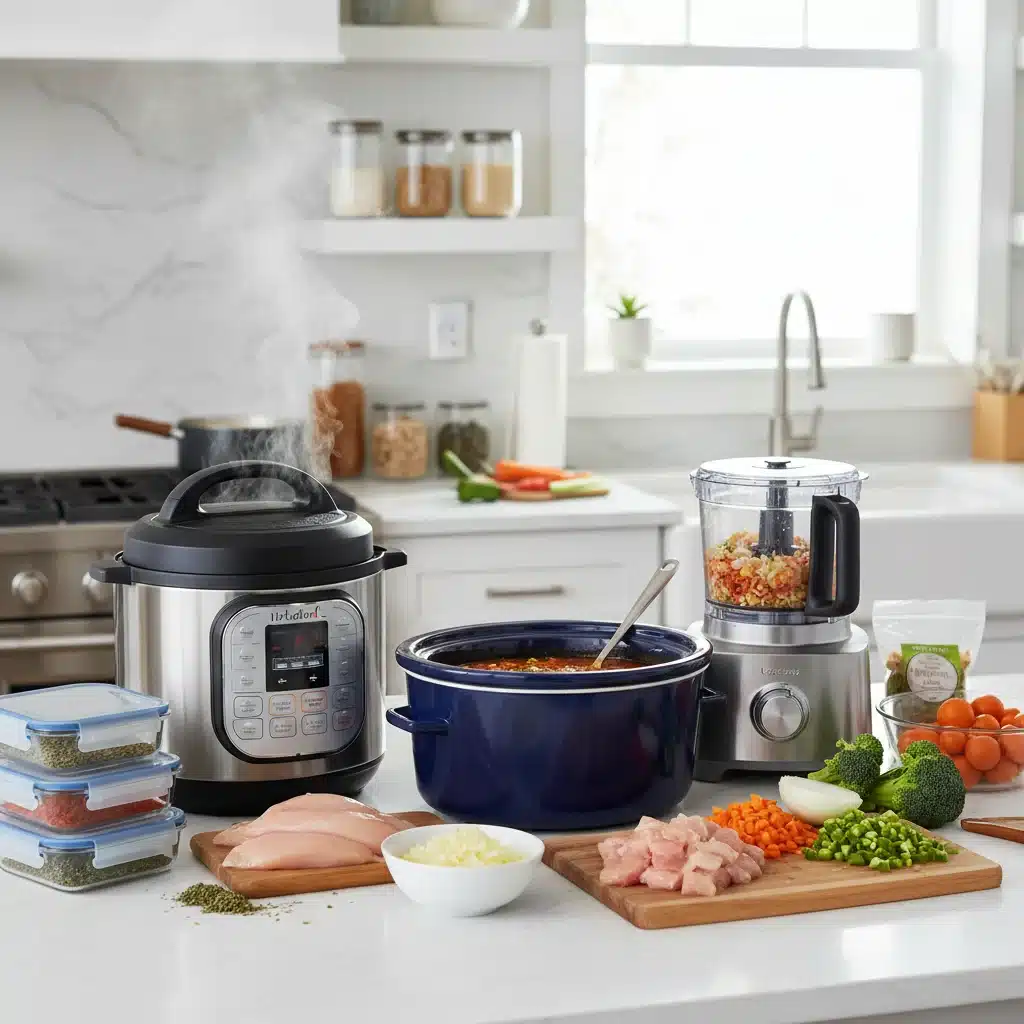
- Utilize Appliances: Your slow cooker, Instant Pot, and oven are your best friends. Use them to cook large batches of grains, stews, roasted vegetables, or whole chickens with minimal active supervision.
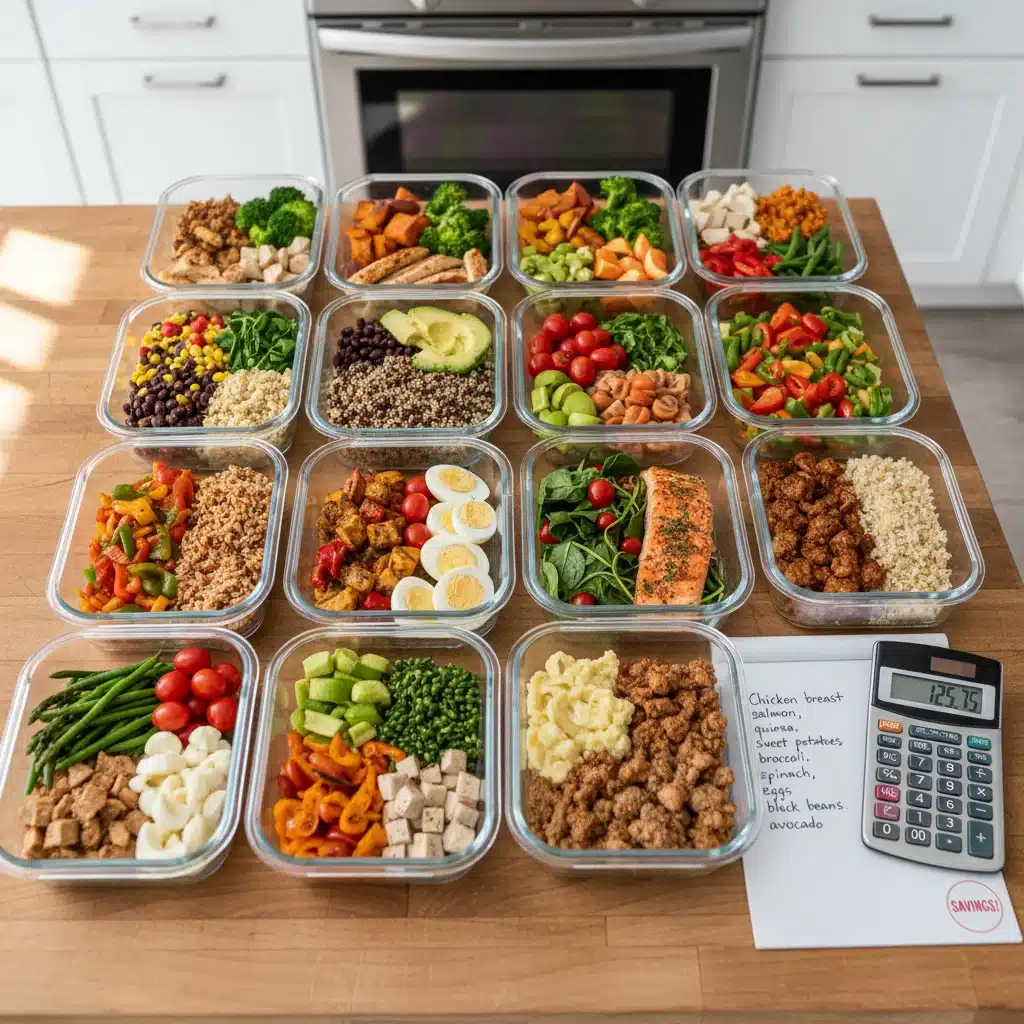
- Cook Components, Not Just Full Meals: Sometimes, it’s more flexible to cook individual components rather than entire meals. For example, roast a large tray of mixed vegetables, cook a big batch of quinoa or brown rice, and bake or grill a large amount of protein (chicken, fish, tofu). You can then mix and match these components throughout the week to create varied meals.
Proper Portioning and Storage
This is critical for both food safety and maintaining your meal prep savings. Invest in good quality, airtight food storage containers. Glass containers are excellent as they are microwave-safe, dishwasher-safe, and don’t absorb odors. Plastic containers are also viable, just ensure they are BPA-free and durable.
- Portion Control: Divide your cooked meals into individual servings right after they cool down. This prevents overeating and makes grabbing a meal on the go incredibly easy.
- Cool Down Quickly: Allow hot food to cool down to room temperature (within 1-2 hours) before sealing and refrigerating or freezing. This prevents bacterial growth.
- Label and Date: Especially if you’re freezing meals, label containers with the dish name and date. This helps you keep track of freshness and avoid food waste.
- Refrigeration Guidelines: Most prepped meals are good for 3-4 days in the refrigerator. Foods with high moisture content or delicate ingredients might have a shorter shelf life.
- Freezing for Longer: For meals you won’t eat within 3-4 days, freeze them. Soups, stews, casseroles, cooked grains, and many proteins freeze well for up to 2-3 months.
Beyond the 3 Steps: Advanced Tips for Sustained Meal Prep Savings
Once you’ve mastered the core 3-step strategy, you can implement additional tactics to further boost your meal prep savings and efficiency.
Embrace Budget-Friendly Proteins and Plant-Based Meals
Meat can be one of the most expensive components of your grocery bill. Incorporate more budget-friendly protein sources like:
- Legumes: Beans, lentils, and chickpeas are incredibly versatile, nutritious, and inexpensive. They can be used in soups, stews, salads, and even as meat substitutes.
- Eggs: A powerhouse of protein, eggs are relatively cheap and can be used for breakfasts, lunches, or even light dinners.
- Tofu/Tempeh: Excellent plant-based options that are affordable and absorb flavors beautifully.
- Chicken Thighs/Drumsticks: Often cheaper than breasts, these cuts are flavorful and great for batch cooking.
Aim for at least one or two plant-based meals per week. This not only saves money but also introduces more variety and nutrients into your diet.
Homemade Staples
Many items you buy pre-made can be easily and cheaply made at home:
- Dressings and Sauces: Store-bought dressings can be expensive and often contain unwanted additives. Making your own vinaigrettes, pestos, or hummus is simple and much more cost-effective.
- Broth: Save vegetable scraps and chicken bones to make your own flavorful and nutritious broths.
- Snacks: Instead of buying individual snack packs, make your own trail mix, roast chickpeas, or bake granola.
These small changes contribute significantly to your overall meal prep savings.
Track Your Spending and Savings
To truly understand the impact of your efforts, track your grocery spending. Before implementing this strategy, note down your typical weekly or monthly grocery bill. After a few weeks of consistent meal prepping, compare your new spending habits. Seeing the tangible meal prep savings can be incredibly motivating and reinforce your new habits.
Batch Prep Ingredients, Not Just Meals
Sometimes, simply prepping ingredients can be more effective than full meals. Wash and chop all your vegetables for the week, cook a large batch of grains, or pre-cook ground meat. This allows for more flexibility during the week to assemble meals on the fly, reducing cooking time during busy evenings.
Don’t Fear the Freezer
The freezer is an invaluable tool for maximizing meal prep savings and preventing food waste. Learn which foods freeze well (soups, stews, chili, casseroles, cooked grains, berries, sliced bread, even some sauces) and make it a habit to freeze excess portions or ingredients that are about to expire.
Meal Prep for Snacks
Don’t overlook snacks. Prepping healthy snacks like chopped veggies with hummus, portioned nuts, fruit, or homemade energy bites can prevent you from buying expensive convenience foods or hitting the vending machine, adding to your meal prep savings.
The Real-World Impact of Meal Prep Savings
Implementing this 3-step meal prep strategy isn’t just about saving $50 a week on groceries, though that’s a fantastic benefit. It’s about a ripple effect that touches multiple aspects of your life:
- Financial Freedom: An extra $200 a month (or $2600 a year!) can be used for debt repayment, savings, investments, or discretionary spending.
- Healthier Eating: When healthy, home-cooked meals are readily available, you’re less likely to opt for unhealthy takeout or processed foods.
- Time Savings: While meal prep day requires a few hours, it frees up significant time during busy weekdays, eliminating decision fatigue and last-minute cooking stress.
- Reduced Stress: Knowing what you’re going to eat and having it ready provides a sense of calm and control over your daily routine.
- Less Food Waste: Careful planning and portioning mean fewer ingredients go bad and fewer leftovers are thrown away. This is a direct saving and an environmental benefit.
Imagine the peace of mind that comes with knowing your meals are sorted for the week, your budget is on track, and you’re consistently nourishing your body with delicious, wholesome food. This isn’t a temporary diet fad; it’s a sustainable lifestyle change that offers long-term benefits.
Overcoming Common Meal Prep Challenges
Even with the best intentions, challenges can arise. Here’s how to tackle them:
- Lack of Motivation: Start small. Prep only lunches for the first week, then add breakfasts. Don’t try to tackle every meal for every day at once.
- Boredom with Meals: Incorporate variety. Use different spices, sauces, and cooking methods for the same core ingredients. Repurpose components into different dishes.
- Time Constraints: Even 1-2 hours of prep can make a huge difference. Focus on cooking just a few components rather than full meals.
- Storage Issues: Invest in a good set of stackable, airtight containers. Utilize your freezer efficiently.
- Unexpected Changes: Life happens. If your plans change, adapt. Freeze what you can, or adjust your menu for the following week. Don’t let one missed prep day derail your entire strategy.
Conclusion: Your Path to Significant Meal Prep Savings
The journey to cutting your grocery spending by $50 weekly through meal prep is a rewarding one. It requires commitment and consistency, but the financial, health, and time-saving benefits are undeniable. By diligently following the 3-step strategy – strategic planning, smart shopping, and efficient cooking – you’ll transform your relationship with food and your budget.
Start today by assessing your habits, inventorying your kitchen, and planning your first week’s menu. Embrace the power of sales, bulk buying, and seasonal produce. Then, dedicate time to batch cook and properly store your nutritious creations. With each successful week, you’ll see your meal prep savings grow, empowering you to achieve your financial goals and live a healthier, more organized life.
This isn’t just about food; it’s about freedom. Freedom from debt, freedom from stress, and the freedom to enjoy delicious, homemade meals without breaking the bank. So, grab your planner, make your list, and get ready to unlock the incredible potential of meal prep savings!