Water Conservation at Home: 6 Simple Adjustments That Save 10% on Your US Water Bill Annually
Water is an invaluable resource, essential for life, and a significant component of our household budgets. In the United States, the average family uses over 300 gallons of water per day at home, with a substantial portion of this usage often going unnoticed and, more importantly, wasted. This translates directly into higher utility bills and a larger environmental footprint. The good news is that achieving meaningful home water conservation doesn’t require drastic lifestyle changes or expensive overhauls. In fact, just a few simple, strategic adjustments can lead to a remarkable 10% annual reduction in your water bill, contributing to both your financial well-being and the planet’s health.
This comprehensive guide will walk you through six actionable strategies for home water conservation that are easy to implement, highly effective, and designed to make a tangible difference. From optimizing your bathroom routines to smarter outdoor practices, we’ll explore how small shifts can yield significant savings, helping you become a more conscious and efficient water user. Let’s dive into how you can start saving water and money today.
Understanding Your Water Footprint: Why Home Water Conservation Matters
Before we delve into specific tips, it’s crucial to understand why home water conservation is so vital. Beyond the obvious benefit of reducing your utility bills, conserving water has far-reaching environmental implications. Water treatment and delivery consume a significant amount of energy, contributing to greenhouse gas emissions. By using less water, you’re indirectly reducing energy consumption and your carbon footprint. Furthermore, in many regions, water scarcity is a growing concern, making responsible usage imperative for community resilience and ecological balance.
Most people are surprised to learn where the majority of their household water goes. According to the EPA, flushing toilets accounts for the largest percentage of indoor water use (around 24%), followed by showers (20%), faucets (19%), and washing machines (17%). Outdoor irrigation can account for even more, particularly in drier climates. Recognizing these key areas of consumption is the first step toward effective home water conservation.
Our goal is to help you identify and address these areas efficiently, ensuring that every drop counts. The following six adjustments are specifically chosen for their ease of implementation and high impact on reducing overall water usage, ultimately leading to that desirable 10% annual saving on your US water bill.
1. Upgrade to Low-Flow Fixtures: A Smart Investment for Home Water Conservation
One of the most impactful and straightforward ways to boost your home water conservation efforts is by upgrading to low-flow fixtures. This includes showerheads, toilets, and faucet aerators. These modern devices are engineered to deliver efficient performance using significantly less water without compromising comfort or effectiveness.
Low-Flow Showerheads
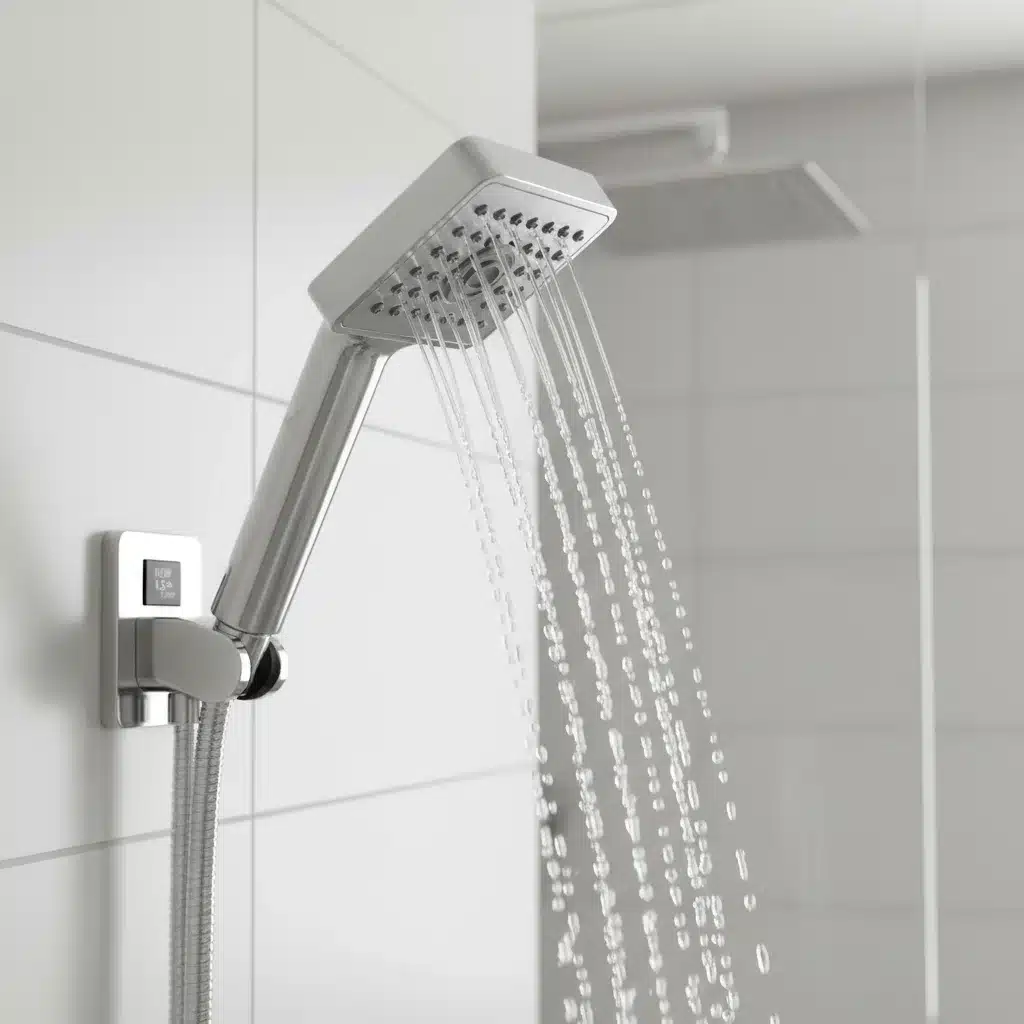
Traditional showerheads can use 2.5 gallons per minute (GPM) or more. By contrast, EPA WaterSense labeled showerheads use no more than 2.0 GPM, and many models offer excellent pressure and spray patterns. Replacing just one old showerhead can save thousands of gallons of water per year. The initial investment is minimal, often paying for itself within a few months through reduced water and heating bills (as you’re heating less water).
When selecting a low-flow showerhead, look for the WaterSense label, which indicates that the product meets EPA criteria for both water efficiency and performance. There are various styles and features available, from handheld to rain shower options, ensuring you don’t have to sacrifice your showering experience for the sake of home water conservation.
High-Efficiency Toilets (HETs)
Toilets are notorious water guzzlers. Older models can use 3.5 to 7 gallons per flush (GPF). Modern high-efficiency toilets, on the other hand, use 1.6 GPF or less, with WaterSense labeled models using 1.28 GPF or less. Given that flushing accounts for the largest portion of indoor water use, upgrading your toilet can lead to substantial savings.
If replacing your entire toilet isn’t feasible right now, consider adjusting the flush volume if your toilet allows, or placing a displacement device (like a plastic bottle filled with water) in the tank to reduce the amount of water used per flush. However, for maximum home water conservation, an HET is the way to go.
Faucet Aerators
Faucet aerators are small, inexpensive devices that screw onto the end of your faucets, mixing air into the water stream to reduce flow while maintaining pressure. Standard kitchen faucets flow at 2.2 GPM, while bathroom faucets typically flow at 2.2 GPM. WaterSense labeled aerators can reduce flow to 1.5 GPM or less, saving a significant amount of water over the course of a year, especially for tasks like handwashing or rinsing dishes.
Installing aerators is a simple DIY project that can be done in minutes and offers immediate benefits for home water conservation.
2. Detect and Fix Leaks Promptly: Preventing Hidden Water Waste
Even the smallest leak can lead to significant water waste over time, silently increasing your water bill and undermining your home water conservation efforts. A leaky faucet dripping at one drip per second can waste over 3,000 gallons per year, equivalent to the amount of water needed to take 180 showers! Toilet leaks are often even worse, potentially wasting hundreds of gallons a day.
Regularly checking for leaks is a critical step in effective home water conservation. Here’s how to do it:
Check Faucets and Showerheads
Listen for dripping sounds and visually inspect all faucets and showerheads for visible drips. Even a slow drip indicates a worn-out washer or O-ring that can be easily replaced. For showerheads, check around the base where it connects to the pipe for any signs of leakage.
The Toilet Leak Test
Toilet leaks are often silent and can go unnoticed for extended periods. To check for a toilet leak, add a few drops of food coloring to the toilet tank. Wait about 15-20 minutes without flushing. If color appears in the bowl, you have a leak, likely from a faulty flapper valve. These are inexpensive and relatively easy to replace, making it a high-impact fix for home water conservation.
If you’re interested in learning more about detecting and fixing leaks, this video provides some excellent visual guides and additional tips:
Outdoor Leaks and Irrigation Systems
Don’t forget to check outdoor spigots, garden hoses, and especially your irrigation system. Look for soggy spots in your yard that don’t correspond to recent rain or watering. Inspect sprinkler heads for breaks or misalignment, and ensure hoses are tightly connected and free of cracks.
Promptly fixing leaks, no matter how small they seem, is one of the most effective strategies for home water conservation and can prevent hundreds, if not thousands, of gallons from being wasted annually. Many minor repairs are DIY-friendly, but don’t hesitate to call a plumber for more complex issues.
3. Optimize Laundry and Dishwashing Habits: Maximizing Efficiency
Washing clothes and dishes are essential household tasks that consume a considerable amount of water. By adopting smarter habits and leveraging technology, you can significantly reduce water usage in these areas, contributing greatly to your home water conservation goals.
Full Loads Only
This is perhaps the simplest yet most effective tip for both laundry and dishwashing. Always run your washing machine and dishwasher with a full load. Both appliances use roughly the same amount of water whether they are half-empty or completely full. Waiting until you have a full load maximizes the efficiency of each cycle, reducing the total number of cycles and thus the overall water consumption.
Consider the capacity of your appliances when purchasing new ones. Front-loading washing machines are generally more water-efficient than top-loaders, and many modern dishwashers are designed to be extremely efficient, often using less water than handwashing a similar number of dishes.
Choose Water-Saving Settings
Many modern washing machines and dishwashers come with various cycles and settings. Opt for the ‘eco,’ ‘light wash,’ or ‘energy-saving’ settings when appropriate. These cycles often use less water and lower temperatures, further enhancing your home water conservation efforts and reducing energy costs.
For laundry, consider using cold water for most loads. This not only saves the energy required to heat the water but also helps preserve clothing colors and fabrics. Modern detergents are formulated to be effective in cold water.
Pre-rinsing Dishes: A Myth?
For most modern dishwashers, pre-rinsing dishes is unnecessary and wastes water. Scrape food scraps into the trash, but let your dishwasher do the rest. Advanced sensors and powerful jets are designed to handle tough food residues. Only heavily soiled items might require a quick pre-wipe or rinse. This small change in habit can save gallons of water with every cycle, making it a key component of effective home water conservation.
4. Rethink Your Landscaping and Outdoor Water Use: Smart Gardening for Home Water Conservation
Outdoor water use, particularly for irrigation, can account for 50% or more of a household’s total water consumption, especially in regions with dry climates or during summer months. Optimizing your outdoor watering practices is paramount for effective home water conservation.
Consider transforming your landscape with xeriscaping principles, which involve designing landscapes to reduce or eliminate the need for irrigation. This includes using drought-tolerant native plants, which are naturally adapted to your local climate and require less water once established. Replacing water-intensive lawns with groundcovers, mulch, or hardscaping can dramatically reduce your outdoor water footprint.
If you love your lawn, consider reducing its size. Even small changes can make a big difference in your overall home water conservation efforts.
Smart Irrigation Systems
If you have an automatic irrigation system, ensure it’s equipped with a rain sensor or a smart controller that adjusts watering schedules based on local weather conditions, soil moisture, and plant needs. These systems prevent unnecessary watering during or after rainfall, saving significant amounts of water.
Regularly inspect your sprinkler heads to ensure they are watering plants, not sidewalks or driveways, and are free from leaks or blockages. Proper nozzle selection and pressure regulation are also crucial for efficient watering.
Watering Wisely
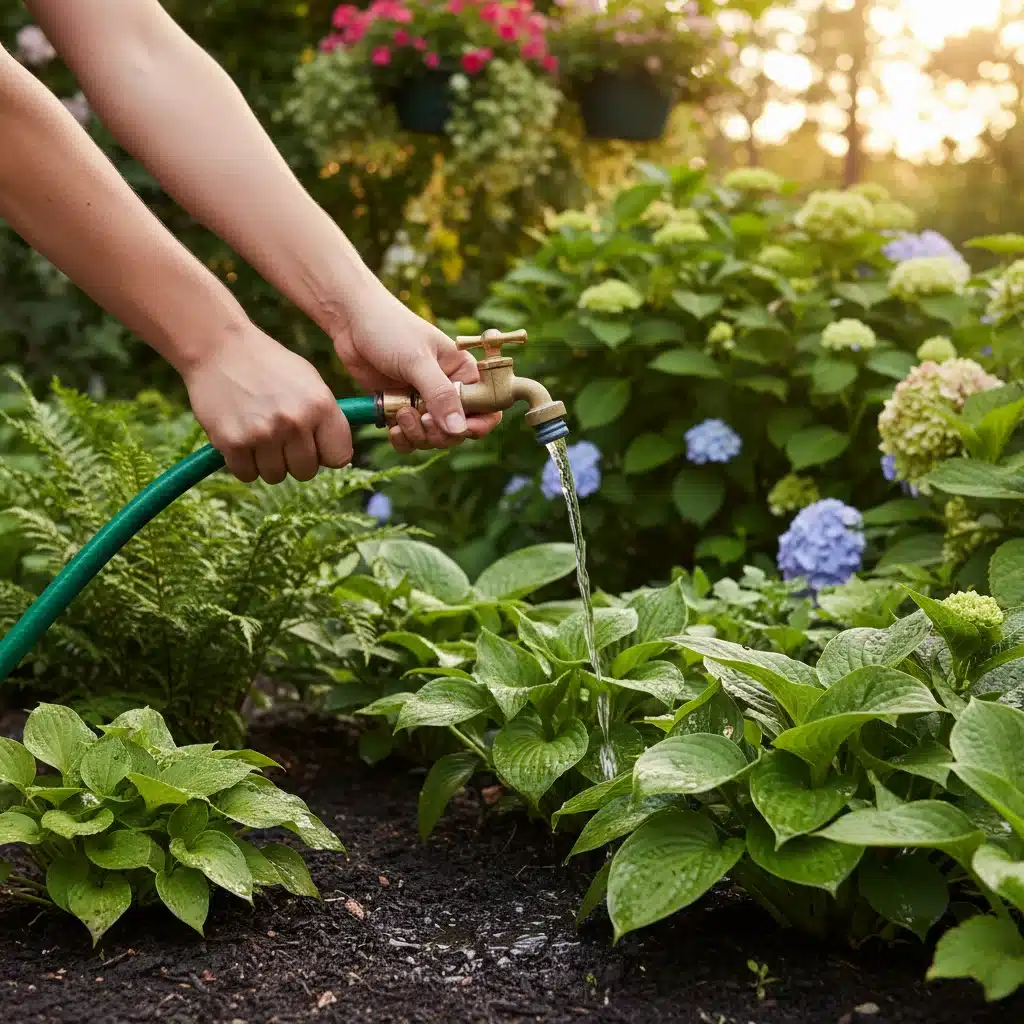
Even without a smart system, you can implement smarter watering habits. Water your garden early in the morning or late in the evening to minimize evaporation. Deep and infrequent watering encourages deeper root growth, making plants more drought-resistant. Avoid overwatering, which can lead to runoff and plant disease.
Using mulch around plants helps retain soil moisture, suppresses weeds, and moderates soil temperature, further reducing the need for frequent watering. For container plants, consider self-watering pots or adding water-retaining crystals to the soil.
5. Adopt Water-Conscious Personal Habits: Everyday Home Water Conservation
Beyond appliances and landscaping, our daily personal habits play a significant role in our overall water consumption. Small changes in how we use water can add up to substantial savings, reinforcing a culture of home water conservation.
Shorter Showers
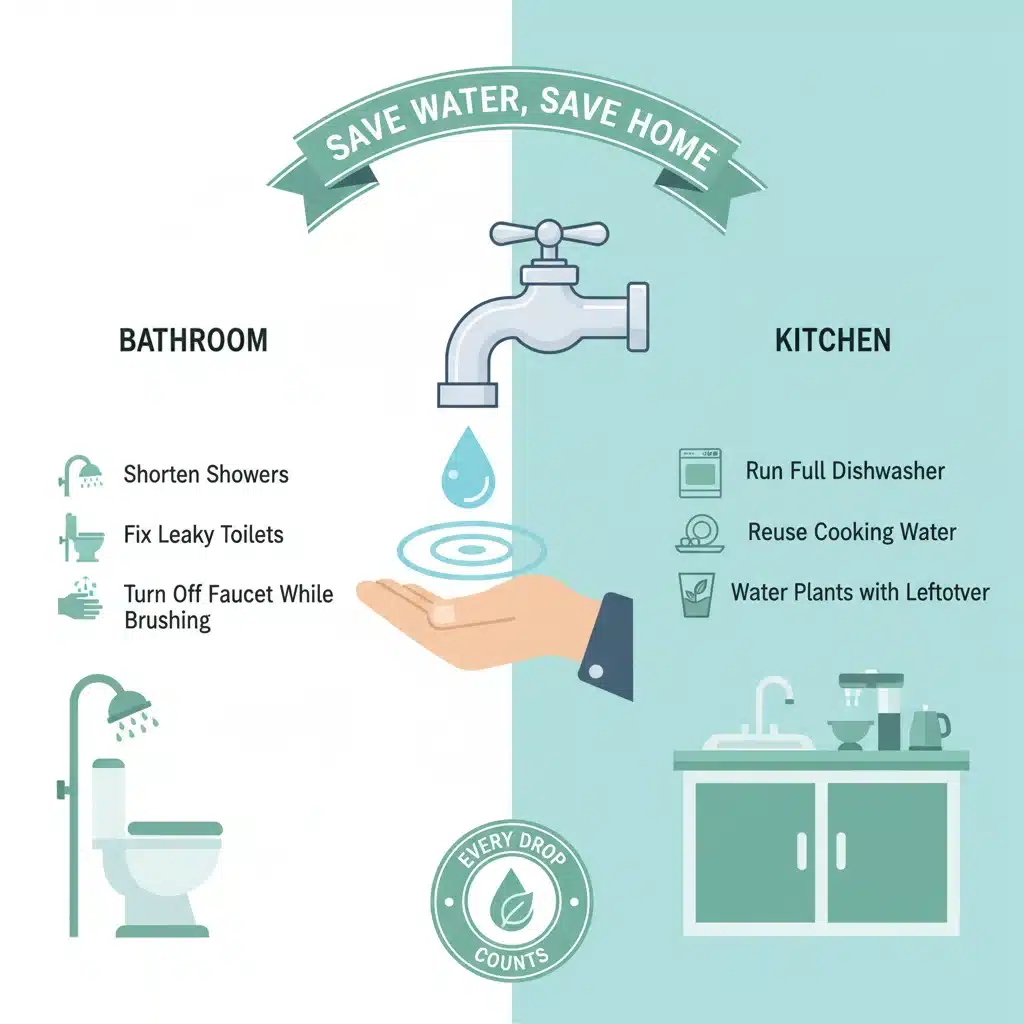
Reducing your shower time by just a few minutes can save gallons of water each day. A typical shower uses about 2.5 gallons per minute. Cutting a 10-minute shower down to 5 minutes saves 12.5 gallons of water per shower. Challenge yourself or your family to take shorter showers. Consider using a timer or turning off the water while lathering up.
Turn Off the Tap
This is a classic but often overlooked tip for home water conservation. Turn off the faucet while brushing your teeth, shaving, or washing your hands. Letting the water run unnecessarily can waste several gallons in just a few minutes. Similarly, when washing dishes by hand, fill one basin with wash water and another with rinse water instead of letting the tap run continuously.
Collect Rainwater and Greywater (Where Permitted)
For outdoor use, consider installing a rain barrel to collect rainwater from your roof. This free, natural water source is excellent for watering plants and gardens. Some regions also permit the use of ‘greywater’ (gently used water from sinks, showers, and washing machines) for landscape irrigation. Always check local regulations before implementing a greywater system, as rules vary widely.
Defrost Food Smartly
Instead of using running water to defrost frozen food, plan ahead and thaw items in the refrigerator overnight. For quicker thawing, use the microwave or place food in a sealed bag in a bowl of cold water (changing the water every 30 minutes). This simple change avoids wasting gallons of water.
6. Educate Your Household and Community: Spreading the Word on Home Water Conservation
The final, and perhaps most crucial, adjustment for lasting home water conservation is education and engagement. When everyone in your household understands the importance of saving water and actively participates, the collective impact is far greater than individual efforts.
Involve Everyone in the Family
Teach children about the value of water and involve them in water-saving activities. Make it a game to see who can take the shortest shower or identify leaks. Explain how their actions contribute to both saving money and protecting the environment. When children learn these habits early, they become lifelong advocates for sustainability.
Lead by Example
Demonstrate good water-saving practices yourself. Your actions speak louder than words. If family members see you turning off the tap, fixing a drip, or choosing water-efficient settings, they are more likely to adopt similar behaviors.
Share Tips and Resources
Talk to friends, neighbors, and community members about home water conservation. Share the tips you’ve learned and the benefits you’ve experienced. Encourage them to check for leaks, upgrade fixtures, and adopt water-smart landscaping. Local water utilities often provide resources, rebates for water-efficient appliances, and educational programs that can further support community-wide conservation efforts.
Monitor Your Water Bill
Regularly review your water bill. It’s not just a payment reminder; it’s a report card on your water usage. Track your consumption month-to-month and year-over-year. This allows you to see the direct impact of your home water conservation efforts and identify any unexpected spikes that might indicate a new leak or a change in habits. Many utilities offer online portals where you can monitor your usage in detail.
Conclusion: The Lasting Impact of Home Water Conservation
Achieving a 10% annual reduction in your US water bill through home water conservation is not just an ambitious goal; it’s a highly attainable reality with the right knowledge and commitment. By implementing these six simple adjustments – upgrading to low-flow fixtures, promptly fixing leaks, optimizing laundry and dishwashing, rethinking outdoor water use, adopting water-conscious personal habits, and educating your household – you’ll not only see tangible savings on your utility bills but also contribute to a more sustainable future.
Every gallon saved is a step towards conserving a precious natural resource, reducing energy consumption, and lessening your environmental footprint. These changes are often inexpensive, easy to integrate into your daily life, and provide immediate and long-term benefits. Start with one or two tips today, gradually incorporate more, and witness the profound positive impact of effective home water conservation on your budget and the planet.
Embrace these strategies, and become a champion of water efficiency in your home and community. The power to make a difference is in your hands – literally, with every turn of the faucet and every flush of the toilet. Let’s work together to make every drop count.