DIY Home Maintenance: 5 Essential Tasks to Save Hundreds Annually in the US, Updated for 2026

DIY Home Maintenance: 5 Essential Tasks to Save Hundreds Annually in the US, Updated for 2026
In the ever-evolving landscape of homeownership, proactive measures are not just advisable; they are essential. For homeowners across the United States, mastering a few key DIY home maintenance tasks can translate into significant annual savings, preventing costly professional interventions and extending the lifespan of your home’s critical systems. As we move into 2026, the emphasis on efficiency, sustainability, and self-reliance has never been stronger. This comprehensive guide will walk you through five essential DIY home maintenance tasks that every US homeowner should know to keep their property in top shape and their wallets happier.
The Unseen Costs of Neglect: Why DIY Home Maintenance Matters
Many homeowners underestimate the power of regular, hands-on DIY home maintenance. The allure of professional services can be strong, promising convenience and expertise. However, the truth is that a significant portion of common home issues can be easily addressed with a bit of knowledge, the right tools, and a willingness to get your hands dirty. Neglecting small problems often leads to their escalation into major, expensive repairs. A leaky faucet might seem minor, but it can waste thousands of gallons of water annually and lead to mold growth. A clogged gutter can cause foundation damage. These are not mere inconveniences; they are financial drains that can be largely avoided through diligent DIY home maintenance.
Beyond the immediate financial savings, engaging in DIY home maintenance fosters a deeper understanding of your home’s systems, empowering you to make informed decisions and detect potential problems before they become critical. In 2026, with rising labor costs and the increasing complexity of home systems, being able to handle basic repairs and preventative tasks yourself is an invaluable skill. This article focuses on providing actionable advice tailored for the average US homeowner, ensuring that these tasks are not only achievable but also highly impactful on your annual budget.
1. HVAC System Tune-Up: Breathe Easier, Save More
The Importance of a Healthy HVAC System
Your Heating, Ventilation, and Air Conditioning (HVAC) system is arguably one of the most critical and expensive systems in your home. It’s responsible for your indoor comfort year-round, and its efficiency directly impacts your utility bills. Professional HVAC maintenance can cost anywhere from $100 to $300 per visit, often recommended twice a year. By performing basic DIY home maintenance on your HVAC, you can significantly reduce these costs and improve your system’s performance and longevity.
DIY HVAC Maintenance Steps for 2026
- Change Air Filters Regularly: This is the simplest yet most effective DIY home maintenance task. Dirty filters restrict airflow, making your system work harder and consume more energy. Check filters monthly and replace them every 1-3 months, or more frequently if you have pets or allergies. The cost of filters is minimal compared to the energy savings and reduced wear and tear on your unit.
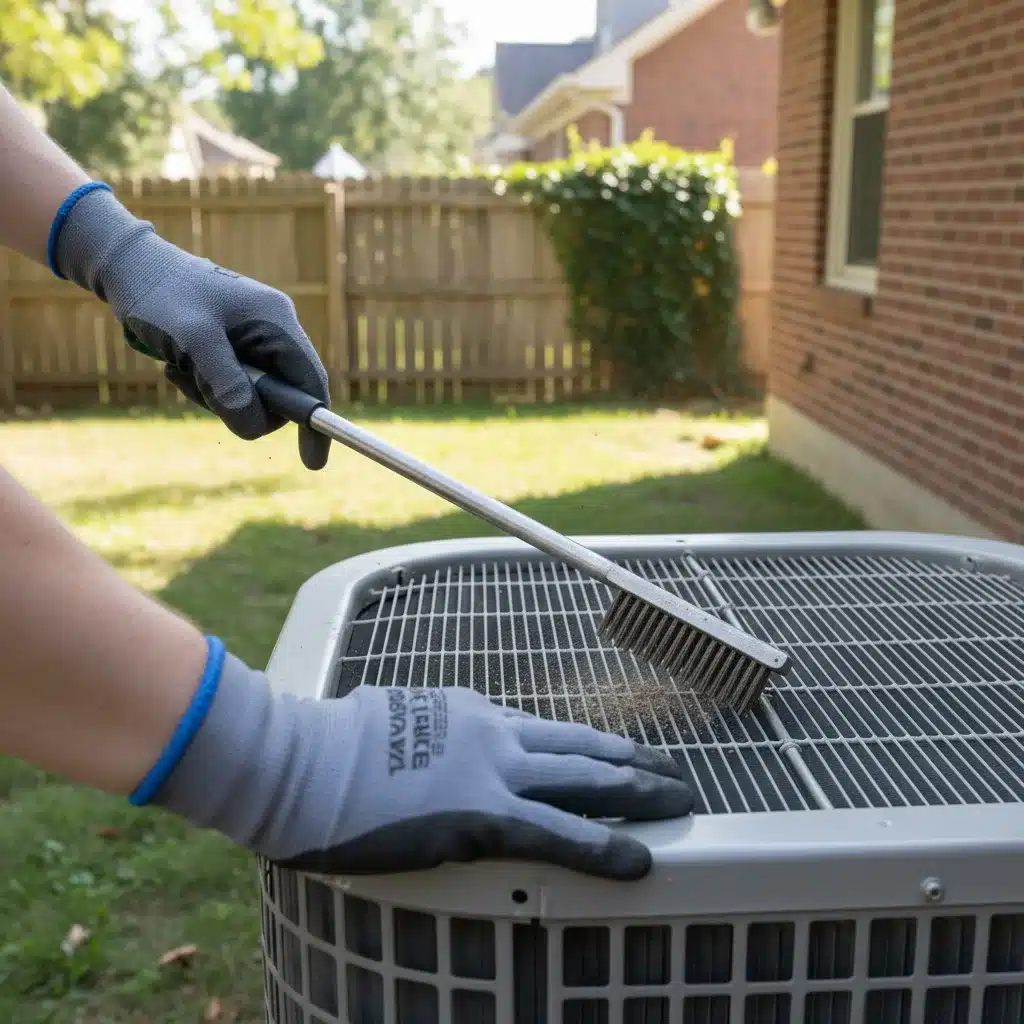
- Clean Outdoor Condenser Coils: Over time, the outdoor unit’s coils can become caked with dirt, leaves, and debris, hindering heat exchange. Turn off power to the unit at the disconnect switch. Use a stiff brush or a specialized fin comb (available at hardware stores) to gently remove debris from the fins. You can also rinse them carefully with a garden hose. This crucial DIY home maintenance step can drastically improve efficiency.
- Clear Around the Outdoor Unit: Ensure there’s at least two feet of clearance around your outdoor condenser unit. Trim back shrubs, weeds, and remove any obstructions that could impede airflow. Good airflow is essential for optimal operation.
- Check and Clear the Condensate Drain Line: This line removes moisture from your AC unit. If it gets clogged, water can back up, potentially causing leaks and mold. Locate the PVC pipe, often near the indoor unit, and check for standing water or algae. You can clear minor clogs by pouring a cup of distilled vinegar down the line to kill algae.
- Inspect Ductwork: Look for any obvious leaks or disconnections in your visible ductwork (e.g., in the attic or basement). Leaky ducts can waste a significant amount of conditioned air, forcing your system to work harder. Seal minor leaks with mastic sealant or foil tape.
By dedicating a few hours twice a year to these DIY home maintenance tasks, you can expect to save hundreds of dollars annually on energy bills and extend the life of your HVAC system, delaying expensive replacements.
2. Plumbing System Checks: Prevent Leaks, Preserve Property
Understanding Your Home’s Plumbing
Water damage is one of the most common and costly homeowner insurance claims. Many of these issues stem from preventable leaks or clogs that could be identified and addressed through regular DIY home maintenance. A professional plumber’s visit can easily run $150-$400 for a basic repair. By performing simple checks, you can catch problems early and save a substantial amount of money.
Essential DIY Plumbing Checks for 2026
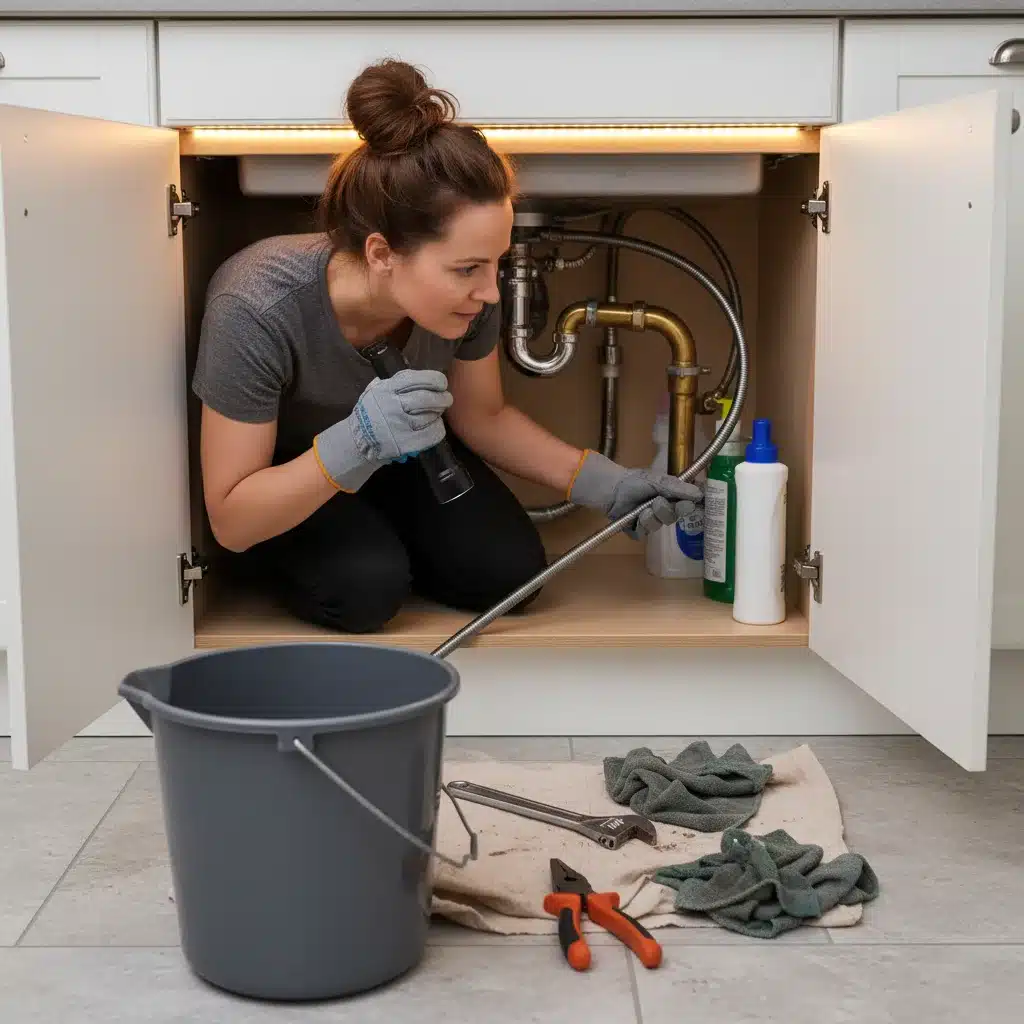
- Inspect for Leaks: Periodically check all exposed pipes under sinks, behind toilets, and around water heaters for any signs of moisture, drips, or water stains. Even a slow drip can waste hundreds of gallons of water over time and lead to mold or structural damage. Tighten connections if necessary, or apply plumber’s tape to threads.
- Check Faucets and Toilets: Listen for dripping faucets and running toilets. A running toilet can waste hundreds of gallons of water per day. Often, fixing a running toilet is as simple as replacing a worn flapper valve, a cheap and easy DIY home maintenance fix.
- Clear Drains and P-Traps: Prevent clogs by routinely pouring a mixture of baking soda and vinegar down drains, followed by hot water. For more stubborn clogs, a drain snake can be a useful tool. Periodically clean P-traps under sinks, where hair and debris often accumulate. Place a bucket underneath, unscrew the slip nuts, and clean out the trap.
- Test Your Water Heater’s Pressure Relief Valve: Once a year, carefully open the pressure relief valve on your water heater to ensure it’s working correctly and to flush out sediment. This helps prevent pressure buildup and extends the life of your unit. Consult your water heater’s manual for specific instructions and safety precautions.
- Know Your Main Water Shut-Off Valve: In an emergency (like a burst pipe), knowing how to quickly turn off your home’s main water supply can save you from extensive water damage. Locate it, ensure it’s easily accessible, and test it annually to make sure it’s not seized.
These DIY home maintenance plumbing checks are quick, require minimal tools, and can prevent catastrophic water damage and expensive professional calls. Investing a little time here can yield immense savings.
3. Gutter and Downspout Cleaning: Protect Your Foundation
The Critical Role of Gutters
Often overlooked, your home’s gutters and downspouts play a vital role in protecting your roof, siding, foundation, and landscaping from water damage. When clogged, they can cause water to back up, overflow, and wreak havoc. Professional gutter cleaning can cost $75-$200 per visit, depending on the size of your home and the extent of the blockage. This is a prime example of DIY home maintenance that offers significant returns.
DIY Gutter Cleaning Steps for 2026
- Gather Your Tools Safely: You’ll need a sturdy ladder, work gloves, a small scoop or trowel, and possibly a garden hose. Always ensure your ladder is stable on a level surface. Consider having a spotter.
- Remove Debris: Starting at one end, scoop out leaves, twigs, and other debris from the gutters. Pay special attention to areas near downspouts, as these are common choke points.
- Flush with Water: Once visible debris is removed, use a garden hose to flush water through the gutters and downspouts. Watch for water flowing freely from the bottom of the downspouts. If water backs up, you have a clog in the downspout.
- Clear Downspout Clogs: For downspout clogs, you can try flushing with higher water pressure from the top. If that doesn’t work, a plumber’s snake can be fed down the downspout to break up the blockage.
- Inspect for Damage: While you’re up there, check for any loose gutter hangers, sagging sections, or cracks. Address minor repairs promptly to maintain the system’s integrity.
Cleaning your gutters twice a year (typically in late fall after leaves have fallen and in spring) is a highly effective DIY home maintenance task. It prevents costly foundation repairs, basement flooding, and fascia board rot, saving you potentially thousands of dollars.
4. Appliance Care: Extend Lifespan, Enhance Efficiency
The Workhorses of Your Home
From your refrigerator to your washing machine, home appliances are integral to daily life. When they break down, it’s not just an inconvenience; it’s a significant expense. Repair costs can range from $100 to $500 or more, and replacing an appliance can be thousands. Regular DIY home maintenance can drastically extend their lifespan, improve their efficiency, and prevent unexpected breakdowns.
Key DIY Appliance Maintenance for 2026
- Refrigerator Coil Cleaning: The condenser coils on your refrigerator (usually at the back or underneath) collect dust and pet hair, making the compressor work harder. Unplug the fridge, and use a vacuum cleaner with a brush attachment to clean the coils every 6-12 months. This simple DIY home maintenance task can reduce energy consumption and prevent premature compressor failure.
- Washing Machine Maintenance: Run a cleaning cycle monthly with a specialized washing machine cleaner or a cup of white vinegar to remove detergent residue and mildew. Leave the door ajar between washes to allow the drum to dry, preventing odors. Check hoses for cracks or bulges and replace them every 3-5 years to prevent catastrophic leaks.
- Dishwasher Filter Cleaning: Many modern dishwashers have a removable filter at the bottom that traps food particles. Consult your manual to locate and clean this filter regularly (monthly or bi-monthly) to ensure proper drainage and prevent odors and food redeposit on dishes.
- Dryer Vent Cleaning: This is crucial for both efficiency and safety. A clogged dryer vent forces your dryer to work harder, increasing energy consumption, and is a significant fire hazard. Disconnect the dryer from the wall and the vent hose. Use a vacuum cleaner to remove lint from the hose and the dryer’s vent opening. Consider using a dryer vent cleaning kit for longer runs. Perform this DIY home maintenance task annually, or more frequently if you notice clothes taking longer to dry.
- Garbage Disposal Care: Avoid putting fibrous or hard items down the disposal. Regularly grind ice cubes and citrus peels to sharpen the blades and remove odors. If a jam occurs, always unplug the unit before attempting to clear it with an Allen wrench from the bottom center hole.
By integrating these appliance-specific DIY home maintenance routines into your schedule, you’ll not only save on repair and replacement costs but also reduce your utility bills and enjoy more reliable appliances.
5. Weatherproofing and Sealing: Boost Energy Efficiency
The Silent Energy Drain
In the US, heating and cooling account for the largest portion of a home’s energy consumption. Air leaks around windows, doors, and other openings are silent energy vampires, allowing conditioned air to escape and outside air to infiltrate. Addressing these issues through DIY home maintenance is one of the most cost-effective ways to improve your home’s energy efficiency and save hundreds on utility bills annually.
DIY Weatherproofing Tasks for 2026
- Caulk and Seal Gaps: Inspect around all windows, doors, and any penetrations in your home’s exterior (e.g., where pipes or wires enter). Use a good quality exterior caulk to seal any gaps or cracks. For interior gaps, acrylic latex caulk is suitable. This DIY home maintenance step is quick and yields immediate results.
- Add or Replace Weatherstripping: Check the weatherstripping around your doors and windows. If it’s cracked, brittle, or missing, replace it. You can test for leaks by closing a dollar bill in the door or window; if it pulls out easily, you need better weatherstripping. Various types are available, from foam to V-strip, suitable for different applications.
- Seal Electrical Outlets and Switches: Many older homes have significant air leaks through wall outlets and switch plates, especially on exterior walls. Install foam gaskets behind these plates for a cheap and effective seal.
- Insulate Attic Hatch/Pull-Down Stairs: These are often significant sources of air leakage into your attic. Purchase an attic stair insulator kit or create a DIY cover with rigid foam insulation to seal this opening.
- Check for Drafts with an Incense Stick: On a windy day, light an incense stick and slowly move it around windows, doors, electrical outlets, and baseboards. If the smoke wavers or is drawn inward, you’ve found an air leak that needs sealing.
Prioritizing these weatherproofing DIY home maintenance tasks will make your home more comfortable, reduce strain on your HVAC system, and significantly cut down on your energy bills, providing substantial savings year after year.
Tools and Safety for Your DIY Home Maintenance Journey
Embarking on DIY home maintenance doesn’t require a professional workshop, but having a basic set of tools is essential. A good toolbox should include:
- Screwdrivers (Phillips and flathead)
- Adjustable wrench
- Pliers
- Utility knife
- Measuring tape
- Level
- Flashlight or headlamp
- Work gloves
- Safety glasses
- Sturdy ladder
Safety should always be your top priority. When performing any DIY home maintenance task, especially those involving electricity or heights:
- Always turn off power at the breaker before working on electrical components.
- Use a stable ladder and have a spotter when working at heights.
- Wear appropriate personal protective equipment (PPE) like gloves and eye protection.
- Read appliance manuals and consult online resources if you’re unsure about a task.
- Don’t hesitate to call a professional if a task feels beyond your skill level or comfort zone.
Remember, the goal of DIY home maintenance is to save money and prevent problems, not to create new, more dangerous ones.
The Long-Term Benefits of Consistent DIY Home Maintenance
The immediate financial savings from performing these five DIY home maintenance tasks are compelling enough. However, the benefits extend far beyond just saving hundreds annually. Consistent maintenance leads to:
- Increased Home Value: A well-maintained home commands a higher resale value. Buyers appreciate a property that shows care and attention.
- Extended Appliance and System Lifespan: Regular upkeep prevents premature wear and tear, meaning your HVAC, plumbing, and appliances will last longer, delaying expensive replacements.
- Improved Safety: Clean dryer vents prevent fires, properly maintained water heaters prevent leaks, and sealed homes reduce the risk of pests.
- Enhanced Comfort and Health: Efficient HVAC systems and sealed homes lead to more consistent indoor temperatures and better air quality.
- Reduced Stress: Knowing your home is in good working order provides peace of mind and fewer unexpected emergencies.
In 2026 and beyond, the savvy US homeowner understands that DIY home maintenance is an investment in their property’s future and their financial well-being. It’s about taking control, learning valuable skills, and building a more resilient and efficient home.