Smart Home Appliances 2026: The Future of Convenient and Eco-Friendly Living
The landscape of our homes is undergoing a profound transformation, driven by an insatiable demand for convenience, efficiency, and seamless integration. As we hurtle towards 2026, the evolution of smart home technology continues to accelerate, with Smart Appliance Trends leading the charge. These aren’t just gadgets; they are intelligent companions designed to simplify our lives, conserve resources, and offer an unprecedented level of control over our domestic environments. This comprehensive guide will delve into the most impactful trends shaping the future of smart appliances, exploring how they promise to deliver at least 20% more convenience and significant energy savings, ultimately redefining what it means to live in a modern home.
The Dawn of Hyper-Connected Living: Smart Appliance Trends in 2026
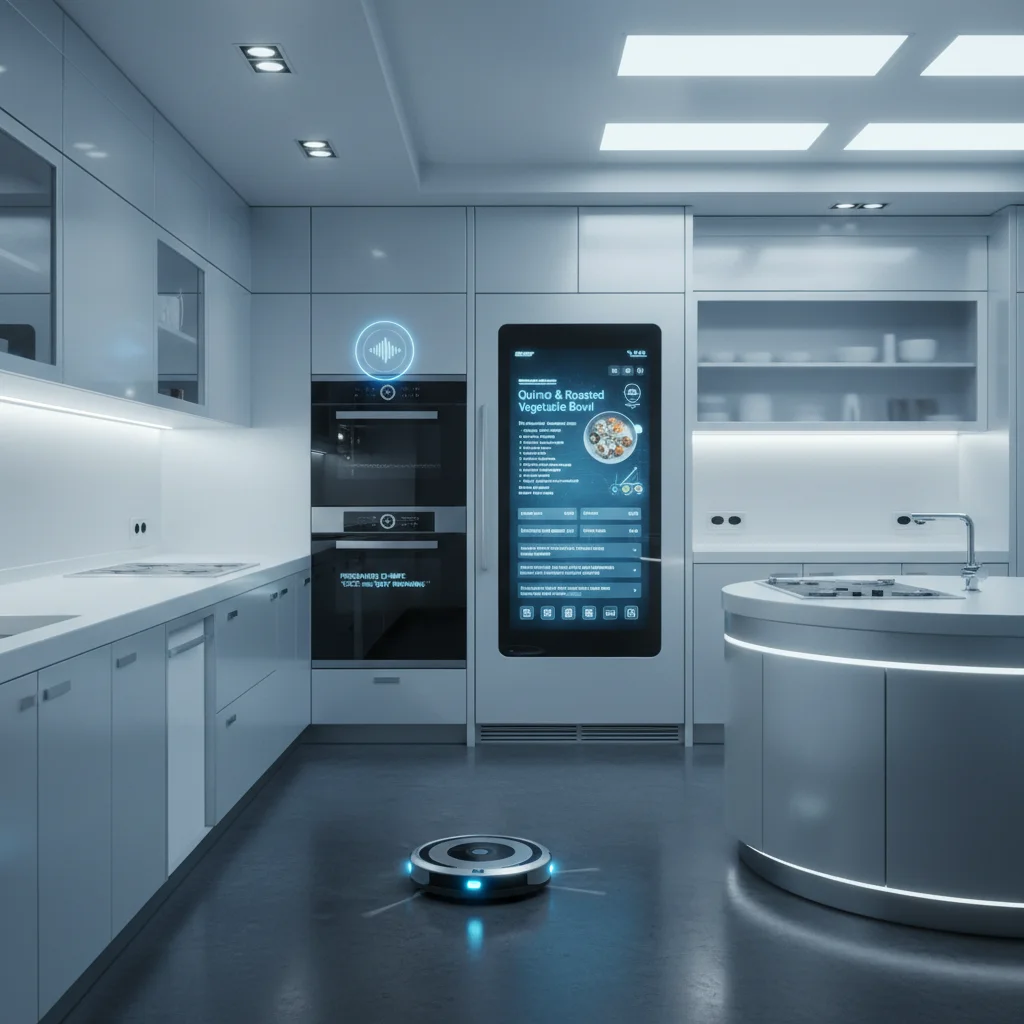
The concept of a ‘smart home’ is no longer a futuristic fantasy; it’s a tangible reality that’s becoming more sophisticated with each passing year. By 2026, Smart Appliance Trends will have pushed the boundaries of connectivity, creating ecosystems where every device communicates harmoniously. Imagine a refrigerator that not only tracks its contents but also suggests recipes based on what’s available and even orders groceries when supplies run low. Envision an oven that preheats itself based on your commute home, or a washing machine that optimizes its cycle based on the garment type and current energy prices. This level of interconnectedness is no longer aspirational; it’s the new standard.
The core of these trends lies in advanced AI and machine learning algorithms. These technologies enable appliances to learn user habits, anticipate needs, and adapt their operations accordingly. This proactive intelligence is what truly sets the next generation of smart appliances apart, moving beyond mere remote control to genuine predictive assistance. The focus is on creating a truly intuitive living space that understands and responds to its inhabitants, making daily chores feel less like obligations and more like effortless interactions.
Predictive Maintenance and Self-Diagnosis: A New Era of Reliability
One of the most significant advancements in Smart Appliance Trends for 2026 is the widespread adoption of predictive maintenance and self-diagnosis capabilities. Traditional appliances often fail unexpectedly, leading to costly repairs and inconvenience. The new wave of smart appliances, however, will be equipped with sensors and AI that constantly monitor their own performance. They will be able to detect subtle anomalies that indicate potential issues long before they escalate into major breakdowns.
For instance, your smart dishwasher might detect a slight blockage in its spray arm and notify you via an app, suggesting a cleaning cycle or even preemptively ordering a replacement part. Your smart HVAC system could identify an impending filter issue, prompting you to replace it before it impacts air quality or energy efficiency. This proactive approach not only extends the lifespan of appliances but also minimizes downtime and reduces repair costs, offering a tangible increase in convenience and peace of mind.
Energy Efficiency Redefined: Saving Money and the Planet
Beyond convenience, a paramount driver behind Smart Appliance Trends is energy efficiency. As global awareness of climate change and the cost of living continues to rise, consumers are increasingly seeking ways to reduce their carbon footprint and save on utility bills. Smart appliances in 2026 will be engineered with these priorities at their core, offering innovative solutions to optimize energy consumption without compromising performance.
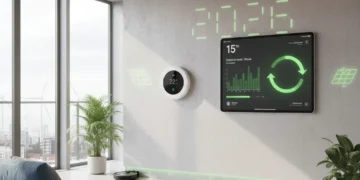
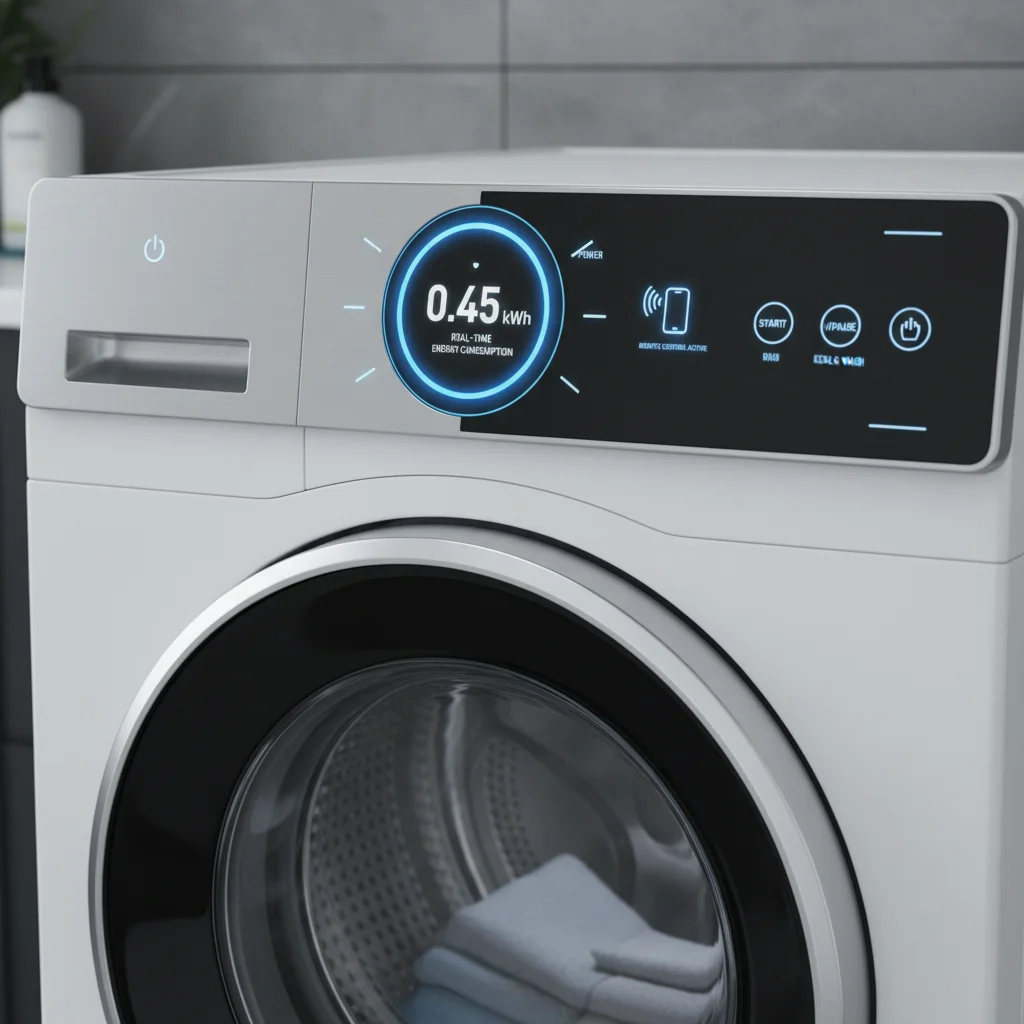
This goes beyond simply having an ‘eco mode.’ Future smart appliances will integrate with smart grids, dynamically adjusting their operation based on real-time energy prices and availability. Imagine your smart dryer automatically running during off-peak hours when electricity is cheaper, or your smart refrigerator subtly adjusting its cooling cycles to minimize energy draw during peak demand. This intelligent energy management can lead to substantial savings, significantly exceeding the 20% convenience boost and translating directly into lower household expenses.
Dynamic Energy Optimization: The Grid-Aware Home
The concept of a ‘grid-aware home’ is central to the energy efficiency aspect of Smart Appliance Trends. This means appliances are not just smart within your home but are also aware of the broader energy ecosystem. They can communicate with your utility provider (with your permission, of course) to understand peak demand times, renewable energy availability, and pricing fluctuations.
For example, a smart electric vehicle charger could prioritize charging during periods of high solar or wind power generation, ensuring your car is powered by the cleanest and cheapest energy available. A smart water heater could preheat water when renewable energy is abundant, storing it for later use. This dynamic optimization transforms individual appliances into active participants in a sustainable energy future, offering unparalleled environmental benefits alongside financial savings.
Personalization and Health: Tailoring Your Home to Your Life
The next generation of Smart Appliance Trends emphasizes deep personalization and an enhanced focus on health and well-being. Appliances are moving beyond generic settings to offer experiences tailored to individual preferences, dietary needs, and health goals.
Consider smart ovens with advanced sensors that precisely cook meals to your preferred doneness, learning your culinary habits over time. Smart refrigerators might not only track food expiry dates but also suggest healthy meal plans based on your family’s nutritional profiles and any allergies. Even beyond the kitchen, smart air purifiers will monitor indoor air quality, automatically adjusting filtration based on pollen counts or detected pollutants, creating a healthier living environment.
Advanced Sensors and AI for Wellness
The integration of sophisticated sensors and AI is key to this personalization. Smart beds might monitor sleep patterns and adjust firmness or temperature for optimal rest. Smart mirrors could offer personalized skincare advice based on real-time skin analysis. The possibilities are vast, all aimed at creating a home environment that actively supports and enhances your physical and mental well-being. This level of personalized care, delivered seamlessly by your home, represents a significant leap in convenience and quality of life.
Seamless Integration and Voice Control: The Intuitive Interface
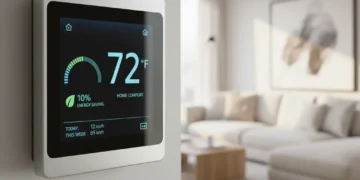
The user interface for smart appliances is becoming increasingly intuitive, with voice control and seamless integration into existing smart home ecosystems at the forefront of Smart Appliance Trends. Gone are the days of needing multiple apps for different devices. By 2026, a single, unified smart home platform will likely manage the majority of your appliances, accessible via voice commands, touchscreens, or a single mobile application.
Imagine simply telling your smart assistant, "Prepare dinner," and your oven preheats, your smart lighting adjusts, and your kitchen ventilation turns on. Or, "Start laundry," and your washing machine begins a cycle, notifying you when it’s done. This hands-free operation and centralized control dramatically enhance convenience, making daily routines feel effortless and allowing you to focus on more important tasks.
Interoperability Standards: The Universal Language of Smart Homes
A major hurdle in early smart home adoption was the lack of interoperability between different brands and ecosystems. However, significant progress is being made in establishing universal standards, ensuring that various smart appliances can communicate and work together seamlessly. This means you won’t be locked into a single brand for all your smart home needs, offering greater flexibility and choice. The goal is to create a truly cohesive smart home experience where devices from different manufacturers can collaborate to achieve common goals, further amplifying the convenience factor of Smart Appliance Trends.
Sustainability and Circular Economy: Beyond Energy Savings
While energy efficiency is a crucial aspect of sustainability, Smart Appliance Trends for 2026 are also embracing a broader commitment to the circular economy. This means appliances are being designed with longevity, repairability, and recyclability in mind. Manufacturers are increasingly using modular designs, making it easier to replace individual components rather than the entire appliance. Furthermore, advancements in materials science are leading to the use of more sustainable and recycled materials in their construction.
Smart appliances will also play a role in promoting sustainable consumption habits. For example, smart refrigerators might suggest recipes that utilize ingredients nearing their expiry date, reducing food waste. Smart water systems could monitor and report on water consumption, encouraging more mindful usage. This holistic approach to sustainability ensures that smart appliances not only save energy but also contribute to a more responsible and eco-friendly lifestyle.
Extended Lifespan and Repairability
The move towards extended lifespan and enhanced repairability is a direct response to consumer demand and environmental concerns. Smart appliances will be designed to last longer, with software updates that can enhance their functionality over time, rather than requiring frequent replacements. This shift away from a ‘throwaway’ culture is a significant positive development, reducing electronic waste and offering greater value for money to consumers.
Security and Privacy: Protecting Your Smart Home
As our homes become more connected, concerns about security and privacy naturally arise. Manufacturers are acutely aware of these issues, and Smart Appliance Trends in 2026 will feature robust security protocols and transparent privacy policies. Enhanced encryption, multi-factor authentication, and regular security updates will be standard across all smart appliances. Users will also have greater control over their data, with clear options for managing what information is collected and how it is used.
The focus is on building trust and ensuring that the convenience and efficiency offered by smart appliances do not come at the cost of personal security. Secure-by-design principles will be integrated from the ground up, making smart homes resilient against cyber threats and protecting sensitive personal information.
Blockchain for Enhanced Security
Emerging technologies like blockchain are also being explored to enhance the security and integrity of smart home networks. By creating decentralized and immutable ledgers of device interactions, blockchain could offer an additional layer of protection against tampering and unauthorized access, further solidifying the security foundations of future smart homes. This innovative approach promises to elevate the level of trust and confidence consumers can place in their connected appliances.
The Future is Now: Embracing Smart Appliance Trends
The evolution of Smart Appliance Trends for 2026 paints a picture of a future where our homes are not just living spaces but active partners in our daily lives. From predictive maintenance and dynamic energy optimization to deep personalization and robust security, these innovations are set to deliver an unprecedented level of convenience, efficiency, and peace of mind. The promise of at least 20% more convenience is not an exaggeration; it’s a conservative estimate of the transformative impact these technologies will have.
As consumers, embracing these trends means investing in a lifestyle that is more sustainable, more efficient, and undeniably more comfortable. The initial investment in smart appliances is increasingly offset by long-term savings on energy bills, reduced repair costs, and the invaluable benefit of reclaiming time and mental space from mundane chores. The smart home of 2026 is an intelligent ecosystem designed to cater to our needs, anticipate our desires, and contribute positively to both our personal well-being and the health of the planet.
What to Look For When Upgrading
When considering an upgrade to smart appliances, look for devices that offer interoperability with major smart home platforms, robust security features, and clear commitments to energy efficiency and sustainability. Prioritize appliances that can receive over-the-air software updates, ensuring they remain current and functional for years to come. Ultimately, the best smart appliances are those that seamlessly integrate into your life, making it easier, more efficient, and more enjoyable.
The journey towards truly intelligent living is well underway, and the Smart Appliance Trends of 2026 are set to mark a significant milestone. Prepare to experience a home that works harder, smarter, and more harmoniously for you.