Blockchain for Supply Chain: 10% Cost Reduction by 2026 for US Companies
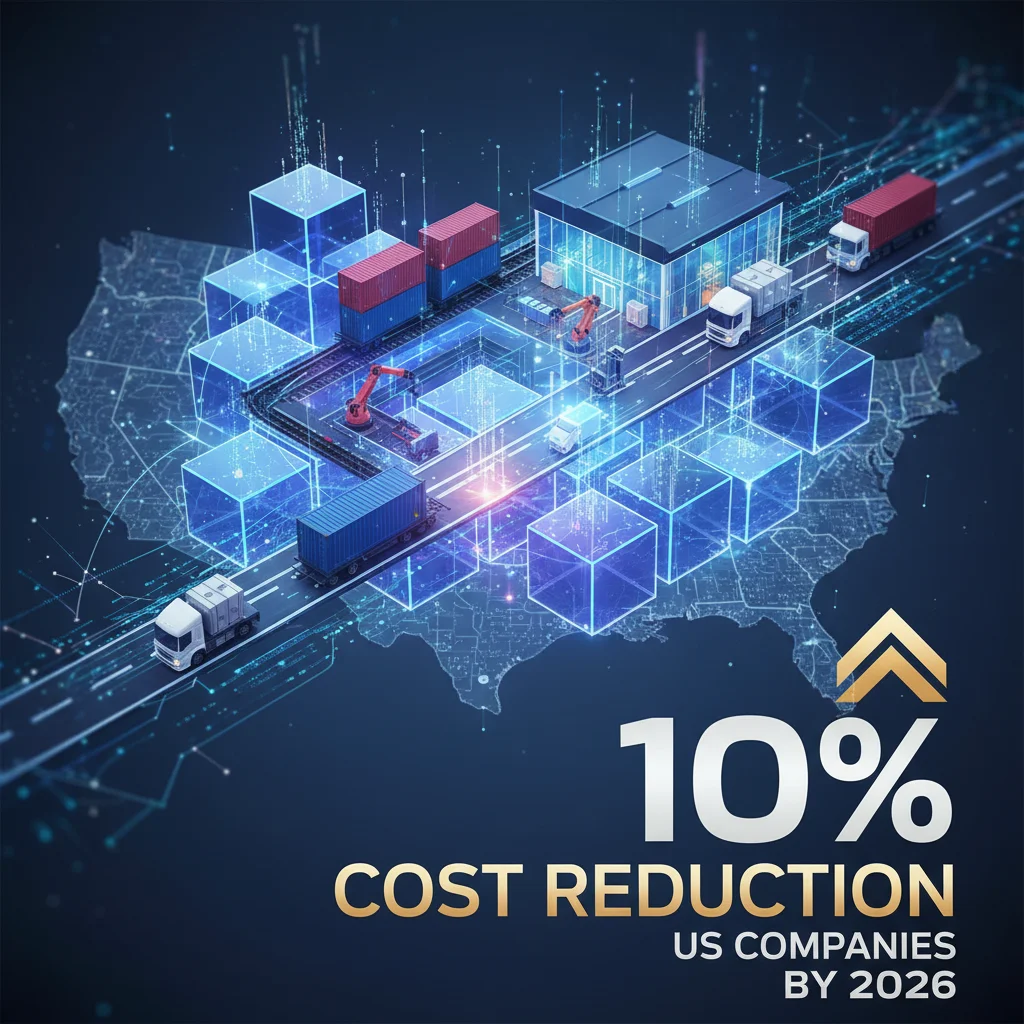
How US Companies Can Leverage Blockchain for a 10% Supply Chain Cost Reduction in 2026 (FINANCIAL IMPACT)
In an increasingly competitive global landscape, US companies are constantly seeking innovative solutions to optimize operations, enhance efficiency, and ultimately, bolster their bottom line. The supply chain, often a complex web of processes, stakeholders, and risks, presents a significant opportunity for such improvements. While digital transformation has been a buzzword for years, the advent of blockchain technology offers a profound paradigm shift, promising not just incremental gains but a revolutionary overhaul. This article delves into how US companies can strategically implement blockchain to achieve a remarkable 10% supply chain cost reduction by 2026, meticulously examining the financial impact and practical pathways to this ambitious goal.
The promise of blockchain extends far beyond cryptocurrencies; its core principles of decentralization, transparency, and immutability are perfectly suited to address many of the chronic inefficiencies plaguing traditional supply chains. From reducing administrative overhead and mitigating fraud to enhancing traceability and optimizing inventory, the potential for tangible financial benefits is immense. For US companies navigating fluctuating markets, geopolitical uncertainties, and consumer demands for greater ethical sourcing, blockchain offers a robust framework for resilience and cost-effectiveness.
Understanding the Current State of US Supply Chains and Their Cost Drivers
Before we can fully appreciate the transformative power of blockchain, it’s crucial to understand the inherent complexities and significant cost drivers within typical US supply chains. These systems are often characterized by:
- Lack of Transparency: Information silos between different parties (suppliers, manufacturers, logistics providers, retailers) lead to delays, errors, and an inability to quickly identify and resolve issues. This opacity can result in increased inventory holding costs, expedited shipping fees, and penalties for missed deadlines.
- Inefficient Data Management: Manual data entry, disparate systems, and a reliance on paper-based documentation are still prevalent. This not only slows down processes but also introduces human error, leading to reconciliation issues, disputes, and audit complexities.
- Fraud and Counterfeiting: The lack of end-to-end visibility makes supply chains vulnerable to fraudulent activities, including counterfeit goods, unauthorized diversions, and warranty claims for non-original products. These issues can result in significant financial losses, reputational damage, and legal liabilities.
- High Administrative Costs: Managing contracts, invoices, purchase orders, and compliance documentation across multiple stakeholders is incredibly labor-intensive. This administrative burden contributes substantially to operational expenses.
- Suboptimal Inventory Management: Without real-time, accurate data on product movement and demand, companies often face either overstocking (leading to increased warehousing costs and obsolescence) or understocking (resulting in lost sales and customer dissatisfaction).
- Dispute Resolution Delays: When discrepancies arise regarding shipments, quality, or payments, resolving these issues can be a lengthy and costly process, often involving legal teams and protracted negotiations.
- Limited Traceability and Compliance Challenges: Meeting stringent regulatory requirements, especially in sectors like food, pharmaceuticals, and defense, demands meticulous record-keeping. Achieving full traceability with traditional methods is challenging and expensive, exposing companies to fines and recalls.
These challenges collectively contribute to a substantial portion of a company’s operating costs, often eroding profit margins. A 10% reduction in these areas, as targeted by this article, would translate into billions of dollars in savings across the US economy.
Blockchain’s Core Principles and Their Application to Supply Chain Finance
At its heart, blockchain is a distributed, immutable ledger that records transactions in a secure and verifiable manner. Each ‘block’ contains a timestamped set of transactions, and once recorded, it cannot be altered. This fundamental design offers several compelling advantages for supply chain management and, crucially, its financial aspects:
- Decentralization: No single entity controls the entire network. This fosters trust among participants who may otherwise be competitors or have limited prior relationships.
- Immutability: Once data is recorded on the blockchain, it cannot be tampered with. This creates an unalterable audit trail, significantly reducing disputes and enhancing data integrity.
- Transparency (Selective): Participants can have access to specific, agreed-upon information without revealing sensitive proprietary data. This shared, single source of truth eliminates information silos.
- Security: Cryptographic techniques ensure the integrity and authenticity of transactions, making the system highly resistant to fraud.
- Smart Contracts: These are self-executing contracts with the terms of the agreement directly written into code. They automatically execute predefined actions (e.g., releasing payment) when specific conditions are met, eliminating manual intervention and delays.
When applied to the supply chain, these principles directly address the cost drivers identified earlier, paving the way for significant financial improvements. The keyword blockchain supply chain finance perfectly encapsulates the intersection of these technologies and their fiscal benefits.
Pathways to a 10% Cost Reduction: Specific Blockchain Use Cases
Achieving a 10% cost reduction by 2026 isn’t a singular event but rather a cumulative effect of implementing various blockchain-powered solutions across the supply chain. Here are key areas where US companies can leverage blockchain for maximum financial impact:
1. Enhanced Traceability and Transparency
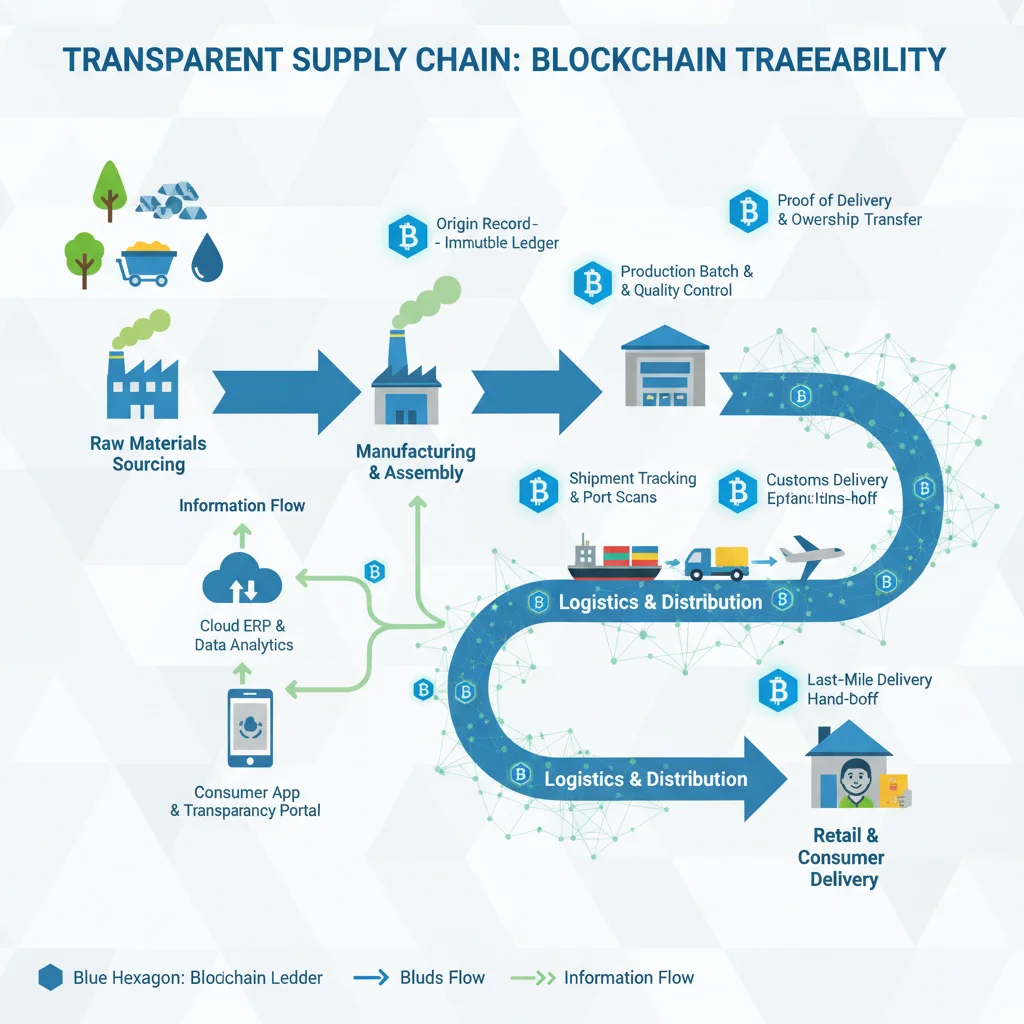
By recording every step of a product’s journey on a blockchain – from raw material sourcing to manufacturing, shipping, and final delivery – companies gain unparalleled visibility. This has several direct financial benefits:
- Reduced Counterfeiting and Fraud: Authentic products can be verified at any point, protecting brand reputation and preventing financial losses from fake goods. This is especially critical in industries like luxury goods, pharmaceuticals, and electronics.
- Faster Recall Management: In case of quality issues or contamination, pinpointing the exact origin and affected batch becomes instantaneous, minimizing the scope of recalls, reducing associated costs, and protecting consumer safety.
- Improved Compliance and Auditing: An immutable record simplifies regulatory compliance, making audits faster and less resource-intensive, thereby reducing legal and administrative expenses.
- Better Ethical Sourcing: Companies can verify the origin of materials, ensuring they meet ethical labor and environmental standards, which can enhance brand value and avoid costly PR crises.
2. Streamlined Payments and Financial Transactions via Smart Contracts
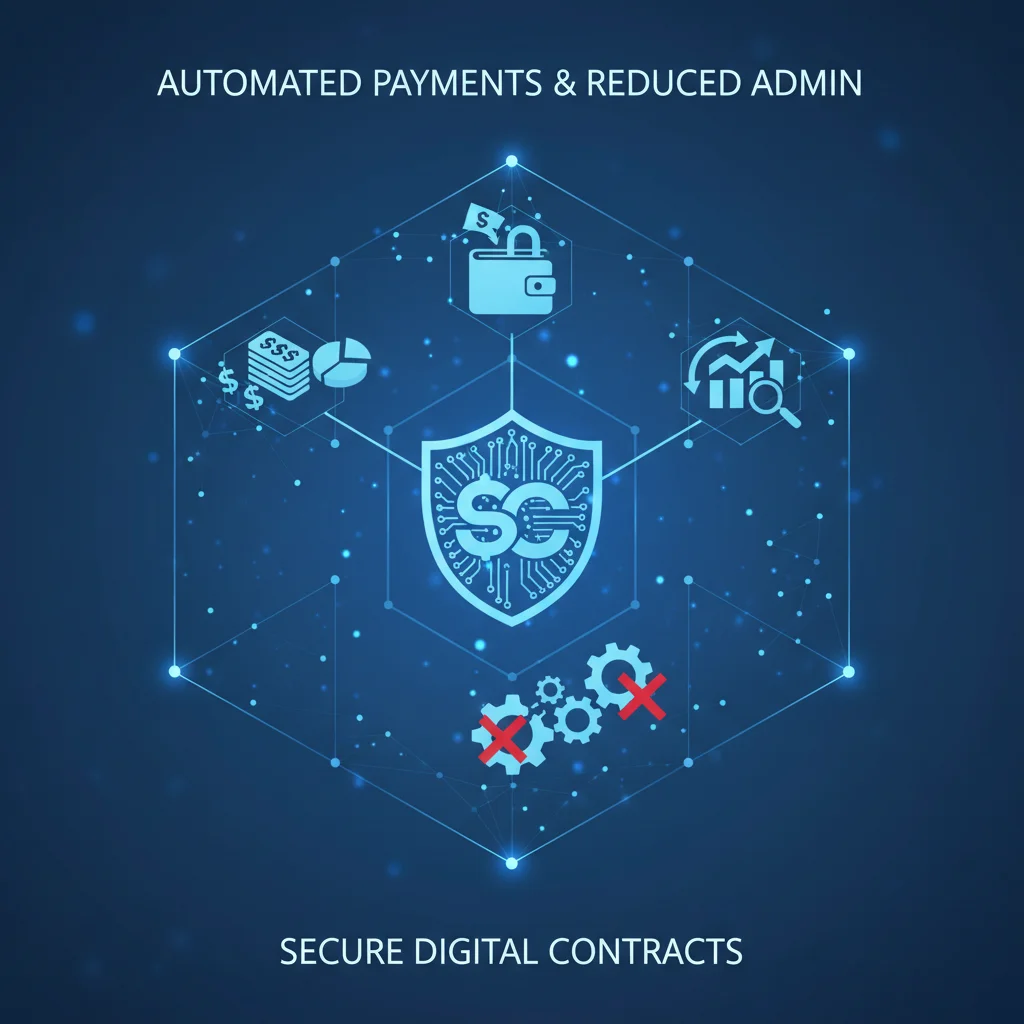
This is where blockchain supply chain finance truly shines. Smart contracts automate payment processes, eliminating delays and reducing administrative burdens:
- Automated Payments: Payments can be automatically released upon verified delivery or completion of milestones (e.g., goods passing quality inspection, shipment reaching a port). This reduces human error, processing time, and the need for manual reconciliation.
- Reduced Working Capital Needs: Faster payment cycles improve cash flow for suppliers, potentially leading to better terms for the buyer. It also reduces the need for extensive working capital to cover payment gaps.
- Lower Transaction Fees: By bypassing traditional intermediaries, some blockchain solutions can offer lower transaction costs, especially for cross-border payments.
- Dispute Resolution Efficiency: With all terms codified and executed automatically, the potential for payment disputes is significantly reduced. When disputes do arise, the immutable record provides clear evidence, speeding up resolution.
Consider a scenario where a US manufacturer orders components from an international supplier. Traditionally, this involves multiple bank transfers, letters of credit, and significant lag time. With blockchain and smart contracts, payment can be triggered instantly upon the components being scanned into the manufacturer’s warehouse, verified by IoT sensors, leading to faster settlements and reduced financial risk.
3. Optimized Inventory Management
Real-time, accurate data from a blockchain-enabled supply chain allows for more precise inventory forecasting and management:
- Reduced Stockouts and Overstocking: With better visibility into demand and supply, companies can minimize buffer stock, reducing warehousing costs and the risk of obsolescence. Conversely, they can prevent stockouts that lead to lost sales and customer dissatisfaction.
- Lower Carrying Costs: Less inventory means lower insurance, storage, and security costs.
- Improved Demand Planning: Aggregated, verifiable data from various points in the supply chain can feed into more accurate AI-driven demand forecasting models, further refining inventory levels.
4. Enhanced Supplier Relationship Management and Risk Mitigation
Blockchain fosters a more collaborative and trustworthy environment among supply chain partners:
- Improved Trust and Collaboration: A shared, immutable ledger creates a single source of truth, reducing adversarial relationships and promoting cooperation among partners. This can lead to more favorable terms and greater reliability.
- Better Risk Assessment: By tracking supplier performance, compliance, and even the origin of their raw materials on a blockchain, companies can conduct more thorough risk assessments, avoiding costly disruptions.
- Resilience Against Disruptions: In the event of natural disasters or geopolitical events, blockchain can quickly identify affected shipments and alternative routes or suppliers, minimizing costly delays.
5. Reduced Administrative Overhead and Paperwork
Digitizing and automating processes through blockchain significantly cuts down on manual administrative tasks:
- Elimination of Redundant Data Entry: Information entered once on the blockchain is accessible to all authorized parties, removing the need for multiple data entries across different systems.
- Less Paperwork: Digital contracts, invoices, and shipping documents stored on the blockchain reduce printing, storage, and mailing costs.
- Fewer Reconciliation Efforts: The shared, immutable ledger reduces discrepancies, minimizing the time and resources spent on reconciling conflicting records.
Quantifying the 10% Cost Reduction by 2026
Achieving a 10% cost reduction is an ambitious yet attainable goal. This target is not a single, monolithic saving but rather an aggregate of smaller, yet significant, efficiencies gained across various operational facets. Here’s a breakdown of how the blockchain supply chain finance benefits can accumulate:
- Administrative Cost Savings (2-3%): Automating documentation, reducing manual data entry, and streamlining reconciliation processes can significantly cut labor and operational expenses. Smart contracts play a pivotal role here.
- Inventory Optimization (2-3%): Improved visibility leads to more accurate demand forecasting, reducing both overstocking (warehousing, obsolescence) and understocking (lost sales, expedited shipping).
- Fraud and Counterfeiting Mitigation (1-2%): Preventing the infiltration of fake goods and reducing warranty fraud directly impacts the bottom line, especially for high-value products.
- Dispute Resolution and Compliance (1-2%): Faster, evidence-based dispute resolution and streamlined compliance audits save legal fees, penalties, and valuable management time.
- Improved Working Capital and Payment Terms (1-2%): Faster, more secure payments through smart contracts can lead to better supplier relationships and potentially more favorable credit terms, reducing financing costs.
These percentages are conservative estimates based on industry reports and pilot projects. The actual savings can vary depending on the complexity of the supply chain, the industry, and the scale of blockchain adoption. However, for a typical US manufacturing or retail company with multi-million dollar supply chain expenditures, even a 1% saving translates into substantial financial gains. A cumulative 10% reduction by 2026 represents a significant competitive advantage.
Implementation Strategies for US Companies
Embarking on a blockchain journey requires careful planning and a phased approach. US companies should consider the following:
1. Pilot Programs with Key Partners
Start small. Identify a specific, high-impact segment of your supply chain (e.g., a critical component, a high-value product line, or a particular logistics route) and implement a blockchain pilot with trusted partners. This allows for testing the technology, identifying challenges, and demonstrating ROI without disrupting the entire operation.
2. Choose the Right Blockchain Platform
Several enterprise-grade blockchain platforms are available, such as IBM Food Trust (Hyperledger Fabric), TradeLens (Maersk/IBM), VeChain, and others. The choice depends on industry, scalability needs, privacy requirements (public vs. private/permissioned blockchains), and integration capabilities with existing ERP and logistics systems.
3. Focus on Interoperability
No single blockchain will govern all supply chains. US companies must prioritize solutions that can interoperate with other blockchain networks and traditional systems to ensure seamless data flow across the entire ecosystem.
4. Address Data Privacy and Security
While blockchain offers inherent security, careful consideration must be given to what data is stored on-chain versus off-chain, and how access permissions are managed, especially concerning sensitive commercial or customer information.
5. Foster Collaboration and Education
Blockchain’s strength lies in its network effect. Educating and collaborating with suppliers, logistics providers, and even customers is crucial for successful adoption. Consensus among stakeholders on data standards and protocols is essential.
6. Integrate with Existing Systems
Blockchain should not operate in a vacuum. Seamless integration with enterprise resource planning (ERP) systems, warehouse management systems (WMS), and transportation management systems (TMS) is vital to maximize efficiency and data leverage.
Challenges and Considerations
While the benefits are clear, implementing blockchain in supply chains is not without its challenges:
- Scalability: Ensuring the blockchain network can handle the vast volume of transactions in a large supply chain.
- Interoperability: Connecting different blockchain networks and legacy systems remains a significant hurdle.
- Standardization: Lack of universal standards for data formatting and protocols across industries.
- Initial Investment: The upfront cost of developing or adopting blockchain solutions can be substantial.
- Change Management: Overcoming resistance to new technologies and processes among employees and partners.
- Regulatory Landscape: The evolving legal and regulatory environment surrounding blockchain technology.
Despite these challenges, the trajectory of blockchain adoption in enterprise settings is upward. Early adopters are already demonstrating tangible ROI, building a compelling case for wider implementation.
Case Studies and Future Outlook
Several US and global companies are already realizing the benefits of blockchain in their supply chains:
- Walmart (Food Traceability): Walmart leveraged blockchain (IBM Food Trust) to trace pork from farm to store in China in seconds, significantly reducing the time it takes to trace contaminated food products from days or weeks to mere seconds. This drastically cuts the financial impact of recalls and enhances consumer trust.
- Maersk & IBM (TradeLens): This platform digitizes and streamlines global shipping documentation and processes, improving transparency and reducing transit times and administrative costs for shippers and carriers alike.
- Boeing (Aerospace Parts): Exploring blockchain for tracking aerospace parts, ensuring authenticity and maintenance records, which has significant implications for safety and lifecycle cost management.
The trend towards greater transparency, efficiency, and automation in supply chains is irreversible. By 2026, blockchain is expected to move beyond pilot projects and become an integral part of how leading US companies manage their supply chain operations and, more specifically, their blockchain supply chain finance strategies. The 10% cost reduction is not merely an optimistic projection but a strategic imperative driven by technological advancement and competitive pressures.
Conclusion
The journey towards a 10% supply chain cost reduction by 2026 for US companies is a testament to the transformative potential of blockchain technology. By addressing deep-seated inefficiencies, enhancing transparency, and automating critical financial processes, blockchain offers a clear path to significant financial gains. While the implementation requires strategic planning, collaborative effort, and a readiness to embrace change, the rewards—in terms of reduced operational costs, mitigated risks, improved cash flow, and enhanced competitiveness—are substantial.
For US businesses looking to thrive in the next half-decade, integrating blockchain into their supply chain and financial operations is no longer an option but a strategic necessity. The time to act is now, to position themselves at the forefront of this digital revolution and reap the considerable financial benefits that blockchain promises.