Water Conservation Technologies: 25% Savings for US Households by 2026
The imperative to conserve water has never been more critical. As populations grow and climate patterns shift, the strain on our freshwater resources intensifies. For US households, the good news is that a wave of innovative Water Conservation Technologies is emerging, promising a significant reduction in water usage – an ambitious 25% cut by 2026. This isn’t just about saving money; it’s about securing a sustainable future, mitigating the impacts of drought, and fostering a more responsible relationship with one of our most precious resources. This comprehensive guide will delve into these groundbreaking technologies, exploring how they work, their benefits, and what you can do to integrate them into your home.
The Urgency of Water Conservation
Water scarcity is a global issue, but its effects are increasingly felt across the United States. From the arid Southwest to areas experiencing unpredictable weather patterns, the need for efficient water management is paramount. Traditional methods of water conservation, while important, often rely on behavioral changes that can be inconsistent. This is where advanced Water Conservation Technologies step in, offering automated, data-driven, and often passive solutions that make saving water easier and more effective than ever before. The 25% reduction target by 2026 is ambitious but achievable, driven by a combination of technological advancements, increased public awareness, and supportive policies.
Understanding Household Water Consumption
Before we explore the solutions, it’s crucial to understand where household water is typically consumed. The bathroom accounts for the largest portion, with toilets and showers being major culprits. Laundry, dishwashing, and outdoor irrigation also contribute significantly. By targeting these areas with smart solutions, the potential for substantial savings becomes clear. Many homeowners are often surprised by how much water they actually use, underscoring the need for better monitoring and more efficient appliances. The average American household uses around 300 gallons of water per day, a figure that modern Water Conservation Technologies aim to dramatically lower.
Smart Water Devices: The Brains Behind the Savings
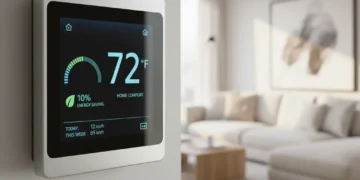
One of the most impactful categories of Water Conservation Technologies is smart water devices. These systems leverage sensors, artificial intelligence, and connectivity to monitor, analyze, and optimize water usage in real-time. They empower homeowners with unprecedented control and insight into their water consumption habits.
Smart Water Meters and Leak Detectors
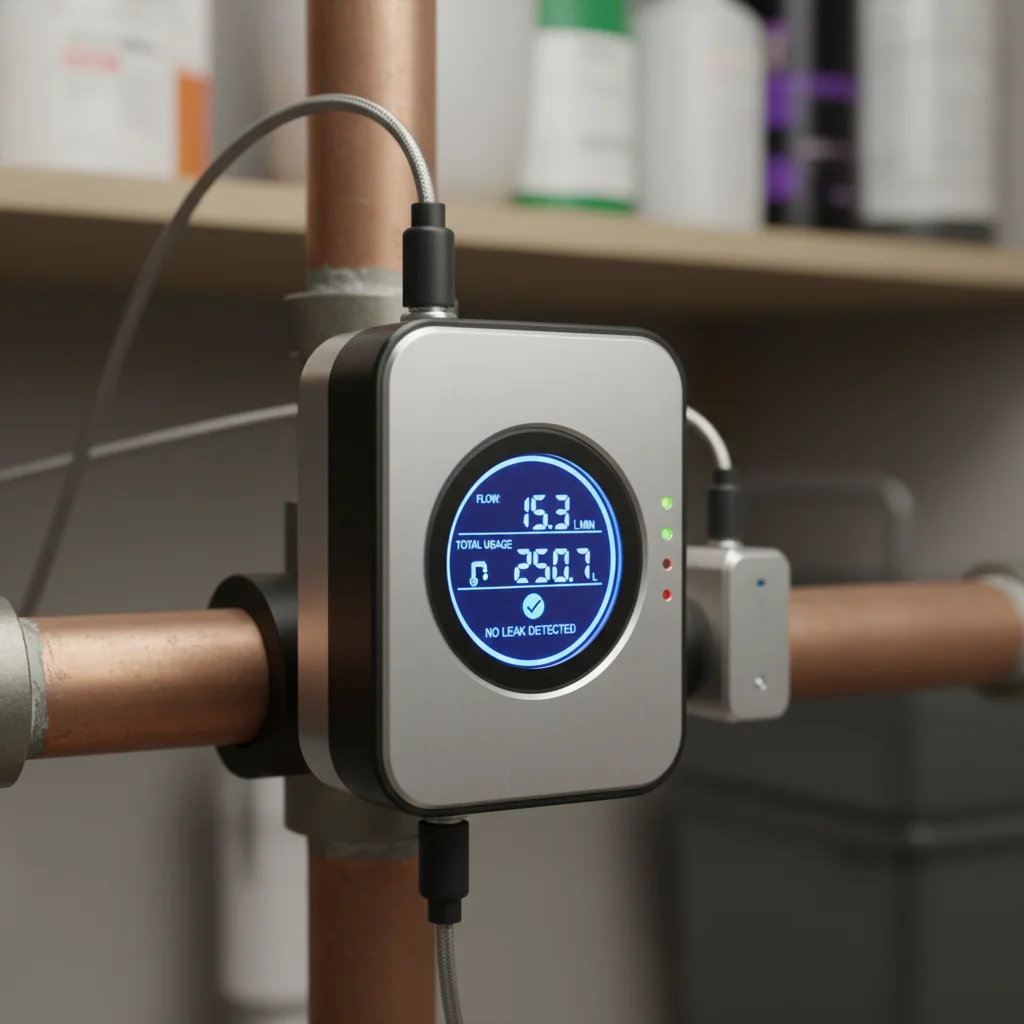
Gone are the days of waiting for a surprisingly high water bill to discover a leak. Smart water meters provide real-time data on water usage, allowing homeowners to track consumption patterns and identify anomalies instantly. Paired with smart leak detectors, these systems can identify even small drips that, over time, can waste thousands of gallons of water. These detectors often use acoustic sensors or pressure monitoring to pinpoint leaks in pipes, toilets, or irrigation systems, sending immediate alerts to your smartphone. This proactive approach to leak detection is a cornerstone of effective Water Conservation Technologies, preventing costly damage and significant water loss.
Smart Irrigation Systems
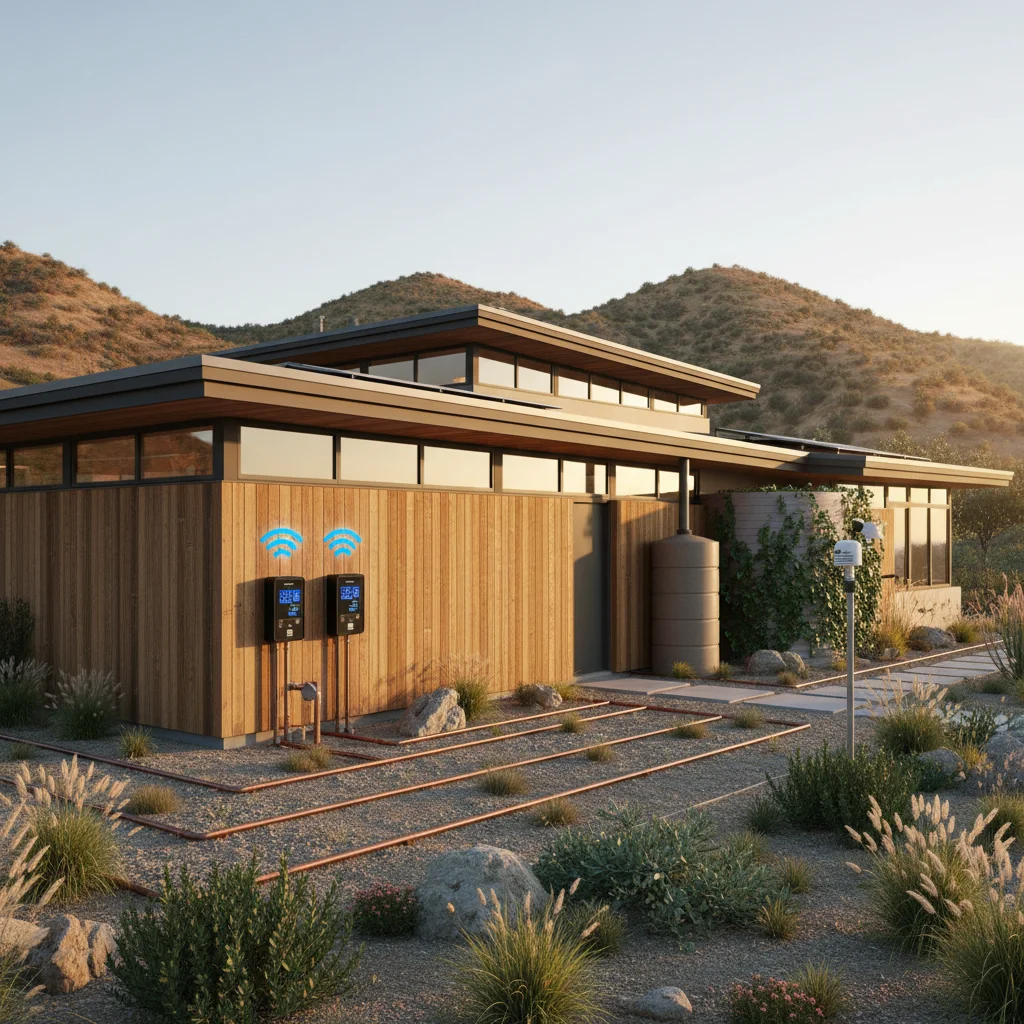
Outdoor watering can account for up to 50% of a household’s water use, especially in drier climates. Traditional sprinkler systems often overwater or water at inefficient times. Smart irrigation systems revolutionize this by using local weather data, soil moisture sensors, and plant-specific needs to optimize watering schedules. They can automatically adjust watering times based on rainfall, humidity, and temperature, ensuring that plants receive just the right amount of water, minimizing waste. Some advanced systems even integrate with smart home platforms, allowing for remote control and monitoring. Implementing these intelligent systems is a significant step towards achieving the 25% reduction in household water usage.
Revolutionizing Indoor Water Use with Advanced Fixtures
Beyond smart monitoring, significant advancements in fixture design are making indoor water conservation seamless and stylish. These innovations are critical components of modern Water Conservation Technologies.
Low-Flow Toilets and Showerheads
The evolution of low-flow fixtures has been remarkable. Modern low-flow toilets use as little as 1.28 gallons per flush (GPF), compared to older models that used 3.5 GPF or more. Dual-flush options allow users to choose between a full flush for solid waste and a reduced flush for liquid waste, further enhancing efficiency. Similarly, low-flow showerheads deliver a satisfying shower experience while using significantly less water, often under 2 gallons per minute (GPM), without compromising pressure. These simple upgrades are highly effective Water Conservation Technologies that offer immediate and continuous savings.
Faucet Aerators and Water-Efficient Appliances
Faucet aerators are inexpensive and easy-to-install devices that reduce water flow from faucets without affecting water pressure. By mixing air with water, they create the sensation of a strong stream while using less water. Furthermore, a new generation of water-efficient appliances – from dishwashers to washing machines – is designed to use significantly less water per cycle, often coupled with energy-saving features. When purchasing new appliances, looking for the ENERGY STAR label is a reliable indicator of water and energy efficiency, contributing to the overall goal of reducing household water consumption.
Greywater Recycling and Rainwater Harvesting: Closing the Loop
For those looking to take their water conservation efforts to the next level, greywater recycling and rainwater harvesting offer powerful solutions to reuse water within the home and garden. These systems represent some of the most advanced and impactful Water Conservation Technologies available.
Understanding Greywater Systems
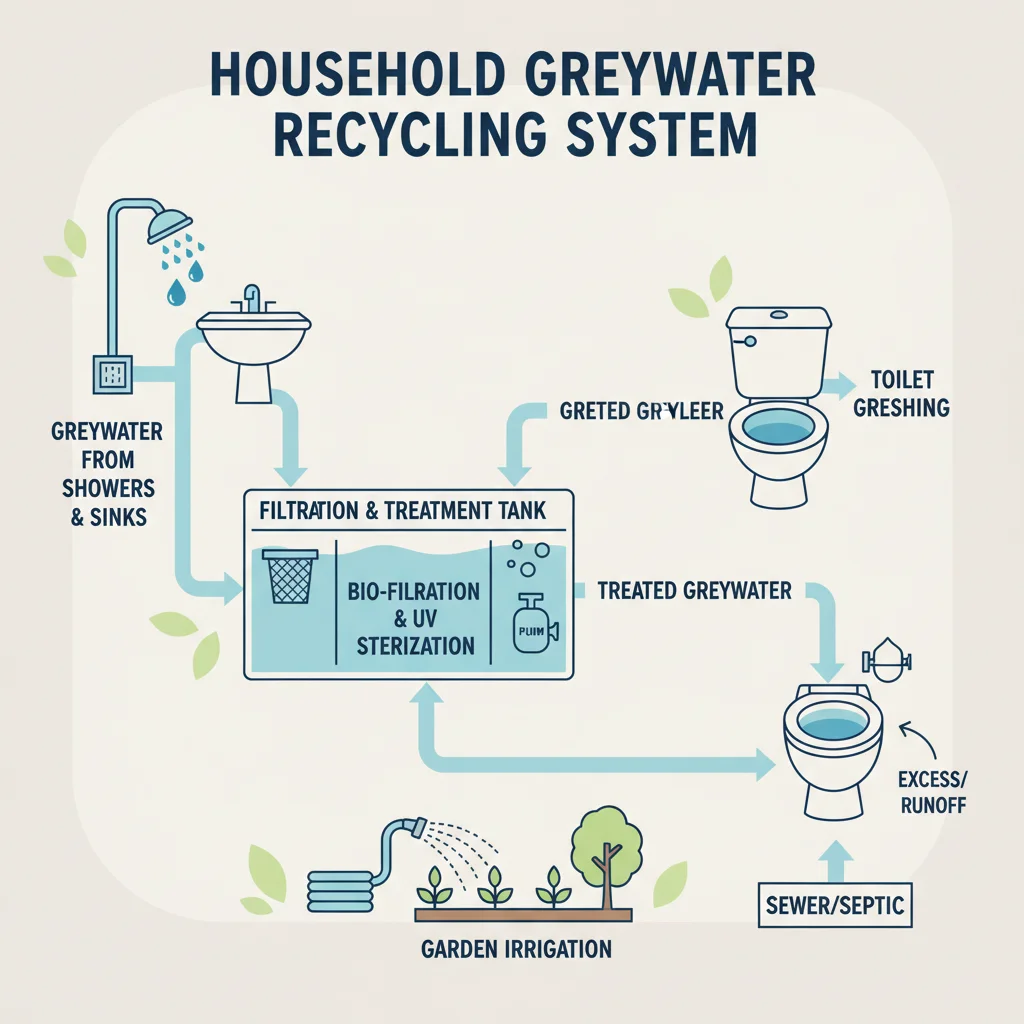
Greywater refers to wastewater from sinks, showers, and laundry that does not contain human waste. Instead of sending this water directly down the drain, greywater recycling systems collect, filter, and treat it for non-potable uses, such as toilet flushing or irrigation. This significantly reduces the demand for fresh potable water. While initial installation can be more complex, the long-term benefits in terms of water savings and environmental impact are substantial. Homeowners considering greywater systems should research local regulations, as these can vary. These systems are a testament to how innovative Water Conservation Technologies can create a more circular water economy within the home.
Rainwater Harvesting
Rainwater harvesting involves collecting and storing rainwater from rooftops or other surfaces for later use. This collected water can be used for irrigation, car washing, or even flushing toilets after proper filtration. Simple rain barrels are an accessible entry point for many homeowners, while more elaborate systems can integrate large storage tanks and advanced filtration for broader applications. Rainwater harvesting reduces reliance on municipal water supplies, especially during dry periods, and helps manage stormwater runoff, contributing to both household savings and environmental health. Together, greywater recycling and rainwater harvesting represent powerful tools in the arsenal of Water Conservation Technologies.
The Role of Behavioral Changes and Education
While technology plays a pivotal role, human behavior remains a critical factor in achieving significant water savings. Water Conservation Technologies are most effective when combined with conscious habits and a deeper understanding of water’s value.
Simple Habits, Big Impact
- Shorter Showers: Even a minute or two less can save gallons daily.
- Turn Off the Tap: While brushing teeth or washing dishes, don’t let the water run unnecessarily.
- Full Loads: Only run dishwashers and washing machines when they are full.
- Fix Leaks Promptly: Even small drips add up quickly. Smart leak detectors make this easier than ever.
- Drought-Resistant Landscaping: Choose native plants that require less water.
Education about water footprints and the local water supply situation can motivate households to adopt more sustainable practices. When people understand the ‘why’ behind water conservation, they are more likely to engage with and embrace the ‘how’ – which increasingly involves these new technologies.
Economic and Environmental Benefits of Adopting New Technologies
The adoption of advanced Water Conservation Technologies offers a dual advantage: significant financial savings for households and substantial environmental benefits for communities and the planet.
Financial Savings for Households
Reducing water consumption directly translates to lower water bills. With a projected 25% reduction in usage, US households could see considerable savings over time. Furthermore, many water-efficient appliances also boast energy efficiency, leading to reduced utility bills overall. Some municipalities offer rebates or incentives for installing water-saving devices, further offsetting initial investment costs. The return on investment for many of these technologies is often surprisingly quick, making them a smart financial decision for homeowners.
Environmental Impact
Beyond the personal savings, the environmental benefits are profound. Conserving water reduces the strain on local ecosystems, helps maintain river flows, and protects aquatic habitats. It also lessens the energy required to treat, pump, and heat water, thereby reducing greenhouse gas emissions. In regions prone to drought, effective water conservation is essential for community resilience and long-term sustainability. By embracing Water Conservation Technologies, households contribute directly to a healthier planet and a more secure water future for everyone.
Challenges and the Path Forward
While the future of water conservation looks promising with these new technologies, there are challenges to address to ensure widespread adoption and maximum impact.
Cost and Accessibility
The initial cost of some advanced Water Conservation Technologies, such as whole-house greywater systems, can be a barrier for some homeowners. Efforts to make these technologies more affordable through mass production, government subsidies, and incentive programs will be crucial. Furthermore, ensuring that these technologies are accessible to all demographics, including low-income households, is vital for equitable and comprehensive water savings.
Public Awareness and Education
Despite the growing urgency, many homeowners are still unaware of the full range of Water Conservation Technologies available or the potential savings they offer. Continued public awareness campaigns, educational initiatives, and clear information about the benefits and installation processes will be key to driving adoption. Collaboration between technology developers, utility companies, and local governments can help bridge this knowledge gap.
Policy and Regulatory Support
Supportive policies and regulations are essential. Building codes that encourage or mandate water-efficient fixtures, incentives for greywater and rainwater harvesting, and clear guidelines for smart water device integration can accelerate the transition to a more water-efficient society. Standardized testing and certification for these technologies will also build consumer confidence.
Conclusion: A Water-Wise Future by 2026
The ambitious goal of cutting US household water usage by 25% by 2026 is within reach, primarily thanks to the rapid evolution and adoption of innovative Water Conservation Technologies. From smart meters and leak detectors that provide real-time insights to advanced low-flow fixtures and comprehensive greywater recycling systems, the tools are now available to transform our relationship with water. As these technologies become more sophisticated, affordable, and widely understood, they will empower homeowners to become active participants in solving the global water crisis.
Embracing these advancements is not just an environmental choice; it’s an economic imperative and a step towards building more resilient, sustainable communities. By integrating these smart solutions into our homes and coupling them with conscious water-saving habits, we can collectively work towards a future where water is used responsibly and efficiently, ensuring its availability for generations to come. The journey to a 25% reduction by 2026 is a shared one, and with the right technologies and commitment, it’s a goal we can undoubtedly achieve.