Smart Home Tech: Boosting Senior Safety & Independence
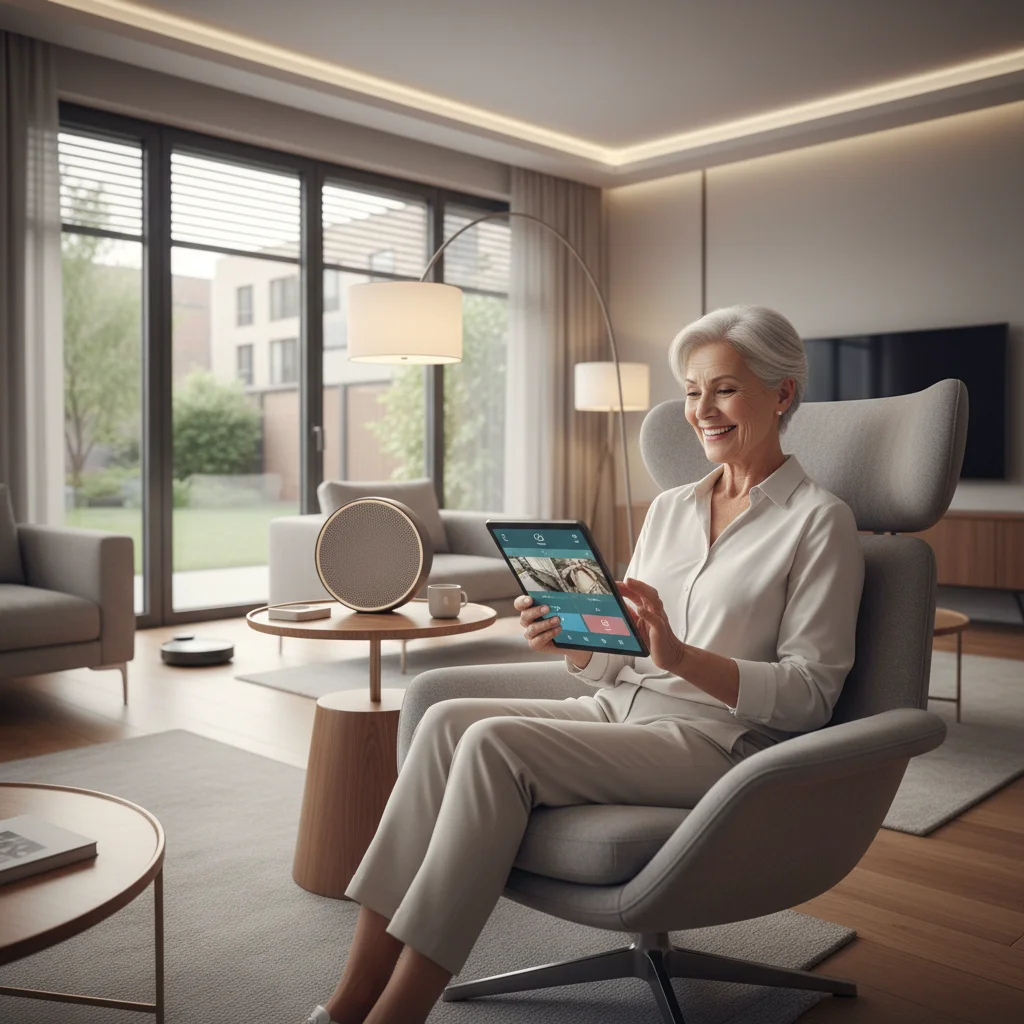
As our global population ages, the desire for seniors to maintain their independence and live safely in their own homes becomes increasingly prevalent. This aspiration is not just a personal preference but a societal goal, aimed at improving the quality of life for older adults while potentially reducing healthcare costs. Enter smart home seniors technology – a rapidly evolving field that offers innovative solutions to address the unique challenges faced by the elderly. From enhancing personal safety to simplifying daily routines, smart home devices are transforming the landscape of senior care, promising a future where aging in place is not only possible but also significantly more secure and comfortable.
The concept of a “smart home” for seniors extends far beyond mere convenience. It encompasses a suite of interconnected devices and systems designed to monitor, assist, and protect. These technologies can range from simple voice-activated assistants to complex fall detection systems, all working in concert to create an environment that adapts to the needs of its inhabitants. The integration of artificial intelligence (AI) and the Internet of Things (IoT) has propelled these systems into new realms of capability, offering proactive interventions and real-time alerts that can be life-saving. The goal is to empower seniors, giving them greater control over their surroundings and enabling them to live more fulfilling lives with reduced reliance on external assistance.
The benefits of adopting smart home seniors solutions are multifaceted. For seniors, it means enhanced safety, greater autonomy, and peace of mind. For family members and caregivers, it offers reassurance and the ability to remotely monitor loved ones, knowing that help is available if needed. For healthcare providers, it presents an opportunity to gather valuable data on daily activities and health metrics, leading to more personalized and effective care plans. This article will delve into the various facets of smart home technology for seniors, exploring the latest innovations, their practical applications, and the profound impact they are having on independent living.
Understanding the Core Needs of Seniors in Their Homes
Before diving into specific technologies, it’s crucial to understand the fundamental needs that smart home seniors solutions aim to address. These needs often revolve around safety, health, social connection, and daily living assistance. As individuals age, they may experience declines in mobility, vision, hearing, and cognitive function, all of which can impact their ability to live independently. Traditional home environments, while familiar, may not always be optimized for these changing needs, leading to potential hazards and increased dependency.
Safety Concerns: Falls, Emergencies, and Security
Falls are a leading cause of injury and death among older adults. A simple slip or trip can have devastating consequences, leading to fractures, head injuries, and a significant reduction in quality of life. Traditional emergency response systems often rely on the senior’s ability to press a button, which may not be feasible after a fall. Smart home technologies are designed to detect falls automatically, providing immediate alerts to caregivers or emergency services. Beyond falls, other safety concerns include remembering to lock doors, turning off appliances, and responding to unexpected visitors.
Health Monitoring and Management
Managing chronic conditions, remembering medication schedules, and monitoring vital signs are daily challenges for many seniors. Missed medications or overlooked symptoms can lead to serious health complications. Smart home devices can integrate with health monitoring systems, offering reminders, tracking data, and even alerting medical professionals to significant changes, thus supporting better health outcomes.
Maintaining Social Connection and Preventing Isolation
Social isolation is a significant issue for many seniors, contributing to depression and cognitive decline. While smart home technology cannot replace human interaction, it can facilitate communication and provide avenues for staying connected with family and friends, reducing feelings of loneliness.
Assistance with Daily Living Activities
Everyday tasks like adjusting thermostats, turning lights on and off, or even preparing meals can become difficult or dangerous. Smart home solutions can automate many of these activities, making daily life easier and safer, allowing seniors to conserve energy for more enjoyable pursuits.
Key Smart Home Technologies for Seniors
The market for smart home seniors technology is booming, with a wide array of devices and platforms available. These technologies can be broadly categorized based on the primary need they address.
Environmental Control and Automation
- Smart Lighting: Motion-activated lights can prevent falls in dimly lit areas, while automated schedules ensure lights are on when needed. Voice control allows seniors to adjust lighting without having to reach for switches.
- Smart Thermostats: These devices learn preferences and adjust temperatures automatically, ensuring comfort and energy efficiency. Remote access allows caregivers to adjust settings if a senior is uncomfortable or forgets.
- Smart Plugs: Convert ordinary appliances into smart ones, allowing for remote control and scheduling. This is particularly useful for ensuring appliances like irons or coffee makers are turned off.
- Automated Blinds/Shades: Can be programmed to open and close at specific times, helping with natural light exposure and temperature regulation, and assisting those with mobility challenges.
Safety and Security Systems
- Fall Detection Systems: Wearable devices, pressure sensors in floors, or radar-based systems can detect falls and automatically alert emergency contacts or services.
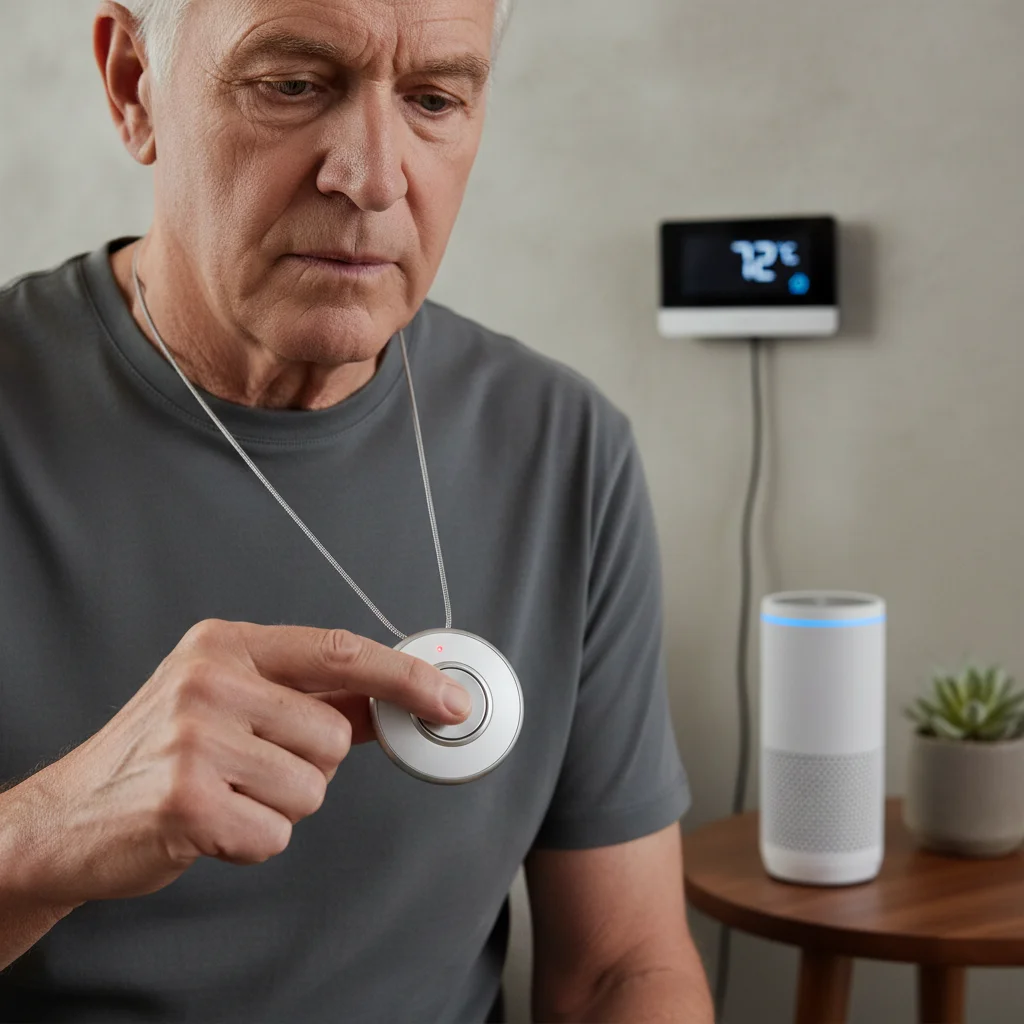
- Medical Alert Systems (PERS – Personal Emergency Response Systems): Often worn as pendants or wristbands, these allow seniors to call for help with the press of a button. Advanced versions include GPS tracking and automatic fall detection.
- Smart Locks and Video Doorbells: Provide secure entry, allowing seniors to see and speak to visitors without opening the door. Remote unlocking capabilities can be useful for caregivers or emergency responders.
- Security Cameras: Offer peace of mind by allowing family members to check in on loved ones remotely, ensuring their safety and well-being.
- Smoke, Carbon Monoxide, and Water Leak Detectors: Smart versions send alerts to phones, not just sound an alarm, ensuring that even if a senior doesn’t hear it, someone is notified.
Health and Wellness Monitoring
- Smart Medication Dispensers: Programmed to dispense medication at specific times, with audible and visual reminders, and alerts sent to caregivers if a dose is missed.
- Wearable Health Trackers: Monitor vital signs, activity levels, sleep patterns, and can detect irregularities, providing valuable data for both seniors and their healthcare providers.
- Smart Scales and Blood Pressure Monitors: Automatically record and share data with healthcare providers, making it easier to track chronic conditions.
- Activity Sensors: Discreet sensors placed around the home can monitor movement patterns, identifying unusual inactivity or changes in routine that might indicate a problem.
Communication and Social Engagement
- Voice Assistants (e.g., Amazon Echo, Google Nest): Beyond controlling smart devices, these can make calls, send messages, play music, provide news updates, and answer questions, reducing feelings of isolation.
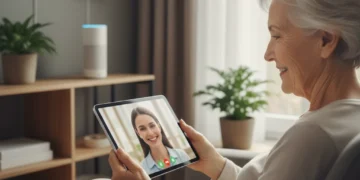
- Video Calling Devices: Dedicated devices or smart displays simplify video calls with family and friends, making it easier for seniors to stay connected.
The Benefits of Smart Home Technology for Seniors
The integration of smart home seniors technology offers a multitude of benefits that extend beyond mere convenience, directly impacting the quality of life and longevity of independent living for older adults.
Enhanced Safety and Security
The most immediate and impactful benefit is the significant enhancement of safety. Automatic fall detection systems can literally be life-savers, ensuring prompt medical attention. Smart locks and video doorbells provide a secure perimeter, preventing unwanted intrusions and allowing seniors to control access to their homes. Automated lighting reduces the risk of falls in dark environments. These features collectively create a safer living space, reducing anxiety for both seniors and their families.
Increased Independence and Autonomy
By automating routine tasks and providing assistive features, smart home technology empowers seniors to maintain their independence for longer. The ability to control lights, thermostats, and entertainment systems with voice commands or a simple tap on a tablet reduces physical strain and cognitive load. This autonomy fosters a sense of control and dignity, which are crucial for mental well-being.
Peace of Mind for Families and Caregivers
For adult children and other caregivers, the ability to remotely monitor a loved one’s well-being is invaluable. Receiving alerts about unusual activity, missed medications, or potential emergencies provides immense peace of mind. This reduces the need for constant in-person checks, allowing caregivers to manage their own lives while still ensuring their loved one’s safety.
Improved Health Monitoring and Management
Smart health devices facilitate proactive health management. Automated medication reminders prevent missed doses, while continuous monitoring of vital signs can detect subtle changes that might indicate a health issue before it becomes critical. This data can be shared with healthcare providers, leading to more informed decisions and personalized care plans, potentially reducing hospitalizations.
Reduced Social Isolation
Voice assistants and video calling devices make it easier for seniors to connect with the outside world. They can easily call family, listen to audiobooks, or access news and entertainment, all of which contribute to mental stimulation and reduce feelings of loneliness and isolation.
Energy Efficiency and Convenience
While often secondary to safety and health, the convenience and energy-saving aspects of smart homes are also beneficial. Smart thermostats and lighting systems optimize energy consumption, leading to lower utility bills. The automation of daily tasks frees up time and energy for seniors to engage in hobbies and social activities they enjoy.
Challenges and Considerations for Implementation
While the benefits of smart home seniors technology are clear, there are several challenges and considerations that need to be addressed during implementation to ensure successful adoption and optimal use.
Cost of Installation and Maintenance
The initial investment in smart home technology can be significant, especially for comprehensive systems. While prices are decreasing, budgeting for devices, installation, and potential ongoing subscription fees for monitoring services is essential. It’s important to weigh the long-term benefits against the upfront costs.
Technological Literacy and User-Friendliness
Many seniors may not be comfortable with new technologies. Devices must be intuitive, easy to set up, and user-friendly. Voice control interfaces can be particularly helpful for those with limited dexterity or visual impairments. Thorough training and ongoing support are crucial to ensure seniors feel confident using the systems.
Privacy and Data Security Concerns
Smart home devices collect a lot of personal data, from daily routines to health metrics. Ensuring the privacy and security of this data is paramount. Users and their families must understand how data is collected, stored, and used, and choose reputable brands with strong security protocols. Transparency from manufacturers is key.
Connectivity and Infrastructure
Reliable internet access is fundamental for most smart home systems. Homes in rural areas or those with spotty Wi-Fi may face challenges. Ensuring a robust and secure home network is a prerequisite for effective operation.
Personalization and Customization
No two seniors are alike, and their needs will vary. Smart home systems must be flexible and customizable to individual preferences and health conditions. A one-size-fits-all approach is unlikely to be effective. Caregivers and seniors should be involved in the design and selection of the system to ensure it meets specific requirements.
Integration and Compatibility
The smart home market is fragmented, with many different brands and platforms. Ensuring that chosen devices are compatible and can integrate seamlessly is important to avoid a patchwork of disconnected systems. Opting for ecosystems that support open standards or have good cross-device compatibility can simplify management.
Future Trends in Smart Home Technology for Seniors
The evolution of smart home seniors technology is continuous, with exciting advancements on the horizon that promise even more sophisticated and integrated solutions.
Advanced AI and Machine Learning
Future systems will leverage AI and machine learning to become even more proactive and personalized. They will learn a senior’s habits and preferences more deeply, anticipating needs and offering assistance before it’s explicitly requested. For instance, AI could predict a potential fall risk based on changes in gait detected by sensors, or identify early signs of cognitive decline by analyzing speech patterns.
Robotics and Assistive Robots
The integration of robotics into the smart home is a significant trend. Assistive robots could help with tasks like fetching items, reminding about medications, or even providing companionship. While still in early stages, robotic companions could play a crucial role in reducing loneliness and providing practical assistance.
Predictive Analytics for Health Outcomes
By analyzing vast amounts of data from various sensors and wearables, smart home systems will be able to offer more advanced predictive analytics regarding health. This could lead to early detection of chronic disease exacerbations or the prediction of health events, allowing for timely medical interventions.
Enhanced Virtual and Augmented Reality
While not directly related to safety, VR/AR could offer new avenues for social engagement and cognitive stimulation for seniors, allowing them to “travel” to new places, participate in virtual activities, or connect with family in immersive ways, fighting against social isolation.
More Seamless Integration and Interoperability
The industry is moving towards greater standardization and interoperability, meaning devices from different manufacturers will communicate more seamlessly. This will simplify setup, expand functionality, and make smart home systems more accessible and less frustrating for users.
Personalized and Adaptive Environments
Homes will become truly adaptive, adjusting their environment – lighting, temperature, soundscapes – based on the individual’s real-time needs and mood, detected through biofeedback sensors and contextual awareness. This creates a living space that truly supports well-being.
Choosing the Right Smart Home Solutions
Selecting the appropriate smart home seniors solutions requires careful consideration of the individual’s specific needs, budget, and technological comfort level. It’s not about implementing every available technology, but rather about choosing solutions that genuinely improve safety, independence, and quality of life.
Assess Individual Needs and Priorities
Start by identifying the primary challenges and concerns. Is fall prevention the top priority? Or is it medication management? A comprehensive assessment of the senior’s health status, mobility, cognitive abilities, and daily routine will help narrow down the most relevant technologies. Involve the senior in this discussion to ensure their preferences are considered.
Start Small and Expand Gradually
It’s often best to begin with a few key devices and gradually expand the system as comfort and familiarity grow. For example, starting with a voice assistant for entertainment and communication, and then adding smart lighting or a medical alert system, can make the transition smoother.
Prioritize User-Friendliness and Reliability
Opt for devices and systems that are designed for ease of use. Look for large buttons, clear interfaces, and intuitive voice commands. Reliability is paramount, especially for safety-critical systems. Read reviews and consider professional installation if needed.
Consider Professional Installation and Monitoring
For complex systems or for seniors who are not tech-savvy, professional installation can ensure everything is set up correctly and functions optimally. Similarly, professional monitoring services for medical alerts or security systems can provide an added layer of safety and peace of mind.
Review Privacy and Security Policies
Thoroughly research the privacy policies of manufacturers and service providers. Understand how data is collected, stored, and shared. Choose brands with a strong reputation for data security and privacy.
Factor in Ongoing Support and Maintenance
Consider the availability of customer support, warranties, and maintenance services. Technical issues can arise, and knowing that help is readily available is important. Some systems offer remote troubleshooting, which can be very convenient.
Budget and Long-Term Costs
While the initial cost is a factor, also consider ongoing expenses like subscription fees for monitoring, data plans, and potential upgrades. Balance the cost with the perceived benefits and the value of enhanced safety and independence.
Conclusion
The emergence of smart home seniors technology represents a profound shift in how we approach aging. By leveraging innovative devices and interconnected systems, we can create living environments that are not only safer and more secure but also more empowering and supportive of independent living. From fall detection to medication reminders, and from smart lighting to voice-activated assistants, these technologies are addressing the core needs of older adults, helping them to age in place with dignity and confidence.
While challenges such as cost, technological literacy, and privacy concerns need careful consideration, the benefits far outweigh the hurdles. As technology continues to evolve, we can anticipate even more sophisticated and seamlessly integrated solutions that will further enhance the quality of life for seniors. The future of senior care is undoubtedly smart, offering a promising vision where technology serves as a compassionate and effective partner in promoting well-being and independence for our aging population. Embracing these innovations today is not just an investment in technology; it’s an investment in a better, safer, and more autonomous future for our beloved seniors.