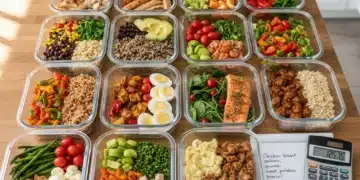
Pantry Organization: Reduce Food Waste & Easy Meal Prep
Insider Knowledge: 7 Smart Ways to Organize Your Pantry for 20% Less Food Waste and Easier Meal Prep
Are you tired of rummaging through a cluttered pantry, finding expired goods, and constantly re-buying items you already own? Imagine a world where every ingredient is easy to find, meal preparation is a breeze, and your grocery bill is significantly lower due to reduced food waste. This isn’t a pipe dream; it’s the reality you can create with effective pantry organization tips.
A well-organized pantry is more than just aesthetically pleasing; it’s a cornerstone of an efficient and sustainable kitchen. It empowers you to cook more, waste less, and save money. In this comprehensive guide, we’ll delve into seven smart strategies that will revolutionize your pantry, leading to a remarkable 20% reduction in food waste and making your meal prep smoother than ever before.
The Hidden Costs of a Disorganized Pantry
Before we dive into the solutions, let’s acknowledge the problem. A chaotic pantry isn’t just an eyesore; it’s a drain on your resources. Think about it:
- Food Waste: Items get lost in the back, forgotten, and eventually expire. This directly translates to money thrown in the bin.
- Time Waste: Searching for ingredients during meal prep adds unnecessary stress and time to your cooking routine.
- Money Waste: You buy duplicates of items you already have because you can’t find them, or you don’t realize you’re stocked up.
- Stress and Frustration: A messy environment can contribute to overall household stress, making cooking feel like a chore rather than an enjoyable activity.
- Limited Culinary Creativity: When you can’t easily see what you have, you’re less likely to experiment with new recipes or use up ingredients creatively.
By implementing effective pantry organization tips, you’re not just tidying up; you’re investing in a more efficient, economical, and enjoyable lifestyle. The benefits extend far beyond the pantry shelves, impacting your budget, your health (through better meal planning), and your peace of mind.
Tip 1: Declutter and Purge ruthlessly
The first and most crucial step in any successful pantry overhaul is to start with a clean slate. This means taking everything out and going through it with a critical eye. This might seem daunting, but it’s essential for understanding what you truly have and what needs to go. Here’s how to approach this initial purge:
Empty Everything Out
Yes, everything. Remove every single item from your pantry shelves, drawers, and baskets. Lay everything out on your kitchen counter or dining table. This gives you a complete overview of your inventory and helps you visualize the space you have to work with.
Check Expiration Dates
This is where most of the food waste occurs. Go through each item and check its expiration or best-by date. Be honest with yourself. If it’s expired, toss it. If it’s close to expiring, make a mental note (or better yet, a physical note) to use it soon. Consider donating non-perishable, unexpired items you know you won’t use to a local food bank.
Dispose of Unwanted Items
Beyond expired goods, you’ll likely find items you bought on a whim and never used, or ingredients for a recipe you’ll never make again. If it’s not expired but you know you won’t consume it, consider donating it or giving it away. If it’s an open bag of stale chips or a half-empty box of cereal that’s been sitting there for months, it’s time for it to go.
Clean the Space Thoroughly
Once empty, wipe down all shelves, walls, and the floor of your pantry. This is a rare opportunity to give your pantry a deep clean. Address any spills, crumbs, or sticky spots. A clean foundation is key for maintaining an organized space.
This decluttering phase is the backbone of effective pantry organization tips. It forces you to confront what you have, eliminate what you don’t need, and prepare the space for its new, organized life.
Tip 2: Categorize and Zone for Intuitive Access
Once your pantry is clean and cleared of unnecessary items, the next step is to group similar items together. This is a fundamental principle of efficient pantry organization tips and mimics how supermarkets are laid out – making it easy to find what you need quickly.
Create Categories
Think about how you use your pantry. Common categories include:
- Baking Supplies: Flours, sugars, baking soda, chocolate chips, extracts.
- Grains & Pasta: Rice, quinoa, oats, various pasta shapes.
- Canned Goods: Tomatoes, beans, vegetables, soups.
- Snacks: Chips, crackers, granola bars, nuts.
- Breakfast Items: Cereal, oatmeal, pancake mix.
- Spices & Seasonings: (often best in a dedicated drawer or rack, but if in the pantry, keep them together).
- Oils & Vinegars: Cooking oils, specialty oils, various vinegars.
- Sauces & Condiments: Ketchup, mustard, soy sauce, hot sauce (non-refrigerated).
- Kids’ Snacks: If applicable, a dedicated spot for easy access.
- Backstock/Bulk Items: Larger quantities or items you buy in bulk to replenish smaller containers.
Designate Zones
Once you have your categories, assign them specific zones within your pantry. Consider the following:
- Eye-Level & Easy Reach: This prime real estate should be reserved for items you use most frequently, such as daily snacks, frequently used spices, or common cooking ingredients.
- Lower Shelves: Heavier items like large bags of flour, sugar, or cases of canned goods. These shelves are also good for kids’ snacks if you want them to be able to reach them independently.
- Upper Shelves: Less frequently used items, seasonal supplies, or bulk backstock. Keep a sturdy step stool nearby for safe access.
The goal is to create an intuitive system. When you reach for flour, you should instinctively know exactly where to find it. This zoning strategy is one of the most powerful pantry organization tips for reducing search time and preventing accidental repurchases.
Tip 3: Invest in Smart Storage Solutions
Once you’ve decluttered and categorized, it’s time to choose the right tools to keep everything in its place. Smart storage solutions are key to maintaining order and maximizing space, making them indispensable pantry organization tips.
Clear Containers are Your Best Friend
Opt for clear, airtight containers for dry goods like pasta, rice, flour, sugar, cereals, and snacks. Why clear? Because you can see exactly what’s inside, how much is left, and when you need to restock. Airtight containers also protect food from pests, moisture, and staleness, extending shelf life and preventing food waste.
- Matching Sets: While not strictly necessary, using matching sets of containers creates a cohesive, aesthetically pleasing look and often stacks better, optimizing vertical space.
- Various Sizes: Have a variety of sizes to accommodate different quantities of food.
Baskets and Bins for Grouping
Baskets and bins are excellent for corralling smaller, oddly shaped, or frequently accessed items. They are perfect for:
- Snacks: Group individual snack bags or bars.
- Kids’ Items: A designated bin for their favorite treats.
- Baking Mixes: Keep all your cake mixes, brownie mixes, and frosting packets together.
- ‘Meal Kits’: Create a bin for items needed for a specific meal, like taco night ingredients.
- Produce: Open-top baskets can be great for onions, potatoes, and garlic (items that don’t need refrigeration but benefit from airflow).
Choose bins that fit your shelves well and are easy to pull out and put back. Wire, plastic, or woven baskets all work, depending on your aesthetic and budget.
Shelf Risers and Expanders
Maximize vertical space, especially in deep pantries, with shelf risers or expanders. These allow you to create multiple levels, preventing smaller items from getting lost behind taller ones. They are particularly useful for canned goods, spices, or small jars.
Lazy Susans (Turntables)
For corner pantries or deep shelves, lazy Susans are game-changers. They make items at the back easily accessible with just a spin, eliminating the ‘black hole’ effect where items are forgotten. Ideal for condiments, oils, spices, or small jars.
Door Organizers
Don’t forget the back of your pantry door! Over-the-door organizers with shelves or pockets are perfect for spices, small jars, foil, plastic wrap, or even small snacks. This utilizes often-ignored space and keeps frequently used items within easy reach.
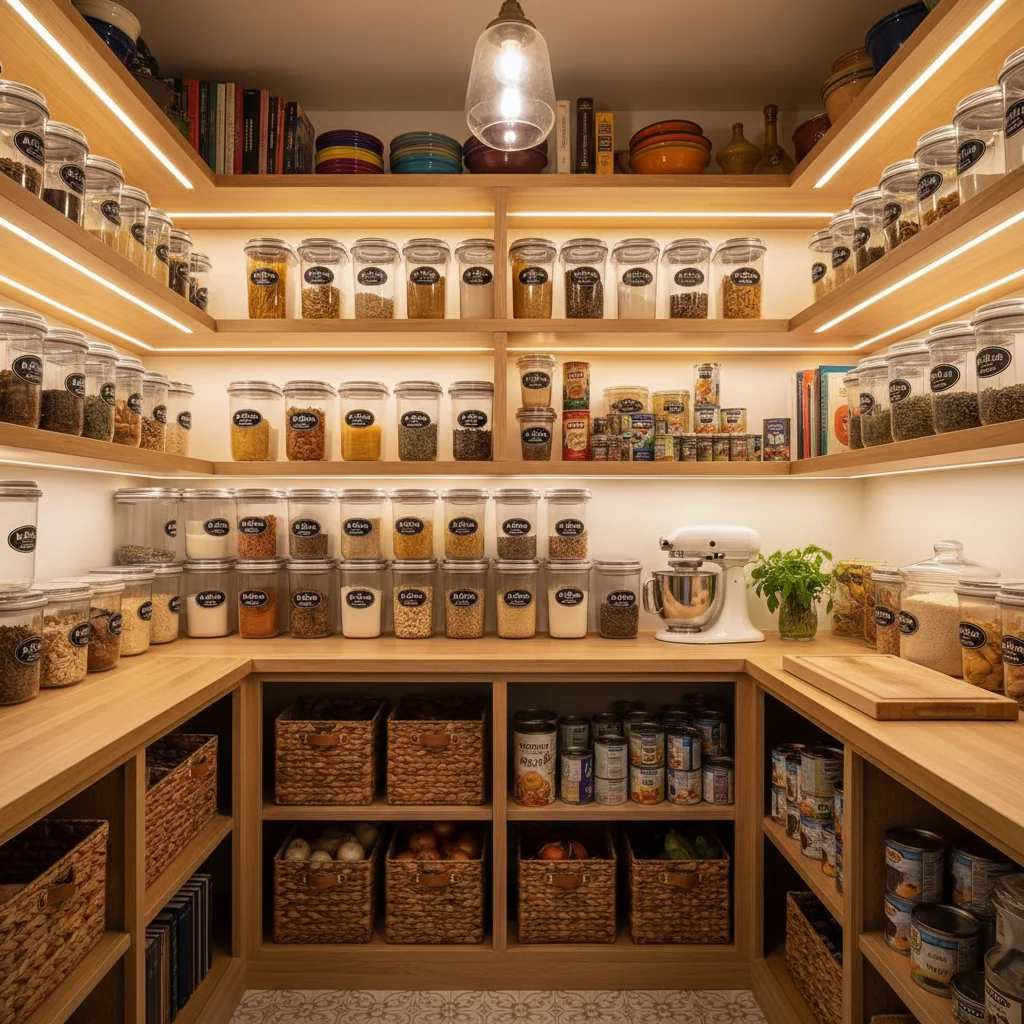
By thoughtfully selecting and integrating these storage solutions, you’ll transform your pantry from a jumbled mess into a highly functional and efficient space, making these pantry organization tips truly effective.
Tip 4: Label Everything Clearly
You’ve decluttered, categorized, zoned, and invested in smart storage. Now, it’s time for the finishing touch that ties all these pantry organization tips together: labeling. Clear labeling is non-negotiable for maintaining an organized pantry and ensuring everyone in the household knows where things belong.
Why Labels are Essential
- Quick Identification: No more guessing what’s in that clear container of white powder – is it flour, sugar, or baking soda? Labels provide instant clarity.
- Easy Restocking: When you’re running low on something, a quick glance at the label tells you exactly what to add to your grocery list.
- Consistency for Others: If multiple people use the pantry, labels ensure that everyone puts items back in their designated spots, preventing future disarray.
- First-In, First-Out (FIFO): Labels can be used to note purchase dates or expiration dates, helping you implement the FIFO method to reduce food waste.
What to Label
Label everything that isn’t immediately obvious. This includes:
- Clear Containers: Label the contents (e.g., ‘All-Purpose Flour’, ‘Brown Rice’, ‘Granola’).
- Baskets and Bins: Label the category (e.g., ‘Snacks’, ‘Baking Mixes’, ‘Kids’ Favorites’).
- Shelves/Zones: While optional, labeling shelves with broad categories (e.g., ‘Canned Goods’, ‘Pasta & Grains’) can reinforce your zoning system.
Labeling Methods
There are many ways to label, choose what works best for your style and budget:
- Label Maker: Provides a clean, uniform, and professional look.
- Chalkboard Labels & Chalk Pens: Great for a farmhouse aesthetic, and easily changeable.
- Adhesive Labels & Markers: Simple, inexpensive, and versatile.
- Handwritten Labels: If you have neat handwriting, this can add a personal touch.
Include Important Dates
For dry goods transferred to clear containers, it’s a good practice to write the purchase date or the original expiration date on a small label or on the bottom of the container. This helps you track freshness and ensures you use older items first. This simple addition to your pantry organization tips can significantly reduce food waste.
Tip 5: Implement the First-In, First-Out (FIFO) System
This principle is a cornerstone of professional kitchens and is one of the most effective pantry organization tips for preventing food waste. FIFO means that the first items you put into your pantry should be the first ones you take out. It’s a simple concept with a powerful impact on your grocery budget and sustainability efforts.
How to Apply FIFO
- When Unpacking Groceries: When you buy new items, especially canned goods, pasta, or other non-perishables, move the older items to the front of the shelf and place the newer items behind them.
- Dates are Key: Always check expiration or ‘best by’ dates. Even if an item isn’t strictly ‘first in,’ if it has an earlier expiration date, it should be moved to the front for quicker consumption.
- Rotate Stock: Think of it like rotating library books. When you bring in new stock, push the old stock forward.
Benefits of FIFO
- Reduced Spoilage: By ensuring older items are used first, you drastically reduce the chances of food expiring before it can be consumed.
- Cost Savings: Less spoilage means less money wasted on food that goes bad.
- Fresher Ingredients: While many pantry items have long shelf lives, using them within their prime ensures better flavor and quality.
- Easier Inventory: When items are rotated, it’s easier to see what you have and what needs to be replenished.
Practical Application with Storage
FIFO works seamlessly with the storage solutions mentioned earlier:
- Clear Containers: When refilling a container, try to empty it completely first, then add the new stock, ensuring the oldest is at the bottom (or replenish from the top if you’re mindful of dates).
- Shelf Risers: Can help by allowing you to easily see items on different levels, making rotation simpler.
- Labels with Dates: As mentioned in Tip 4, adding purchase or expiration dates to your labels is invaluable for effective FIFO implementation.
Integrating the FIFO system into your regular routine might take a little conscious effort at first, but it quickly becomes second nature. It’s one of the most effective pantry organization tips for maintaining a lean, efficient, and waste-free kitchen.
Tip 6: Create a Meal Prep & Inventory System
An organized pantry is a powerful tool for efficient meal planning and preparation. By combining smart pantry organization tips with a dedicated system for inventory and meal prep, you can significantly reduce stress, save time, and minimize last-minute grocery runs.
Maintain a Running Inventory List
This might seem old-fashioned, but a simple inventory list, either on a whiteboard inside your pantry door, a notepad, or a digital app, can be incredibly helpful. As you use an item, make a note to remove it from the list. When you’re low on something, add it to your grocery list immediately.
- What to Include: Item name, quantity (approximate), and perhaps a ‘use by’ date for items nearing expiration.
- Benefits: Prevents overbuying, ensures you always have staples on hand, and makes grocery shopping faster and more targeted.
Plan Meals Around What You Have
Before you even think about new recipes or heading to the grocery store, check your pantry (and fridge/freezer). This is where your well-organized pantry truly shines. See what ingredients you have in abundance or what needs to be used up soon. This approach is a fantastic way to reduce food waste and save money.
- ‘Use Me First’ Zone: Consider dedicating a small bin or shelf to items that are nearing their expiration date or that you simply want to use up. Make it a challenge to incorporate these into your weekly meals.
- Recipe Inspiration: Browse recipes that utilize your existing pantry staples. There are many online tools and apps that allow you to input ingredients you have and suggest recipes.
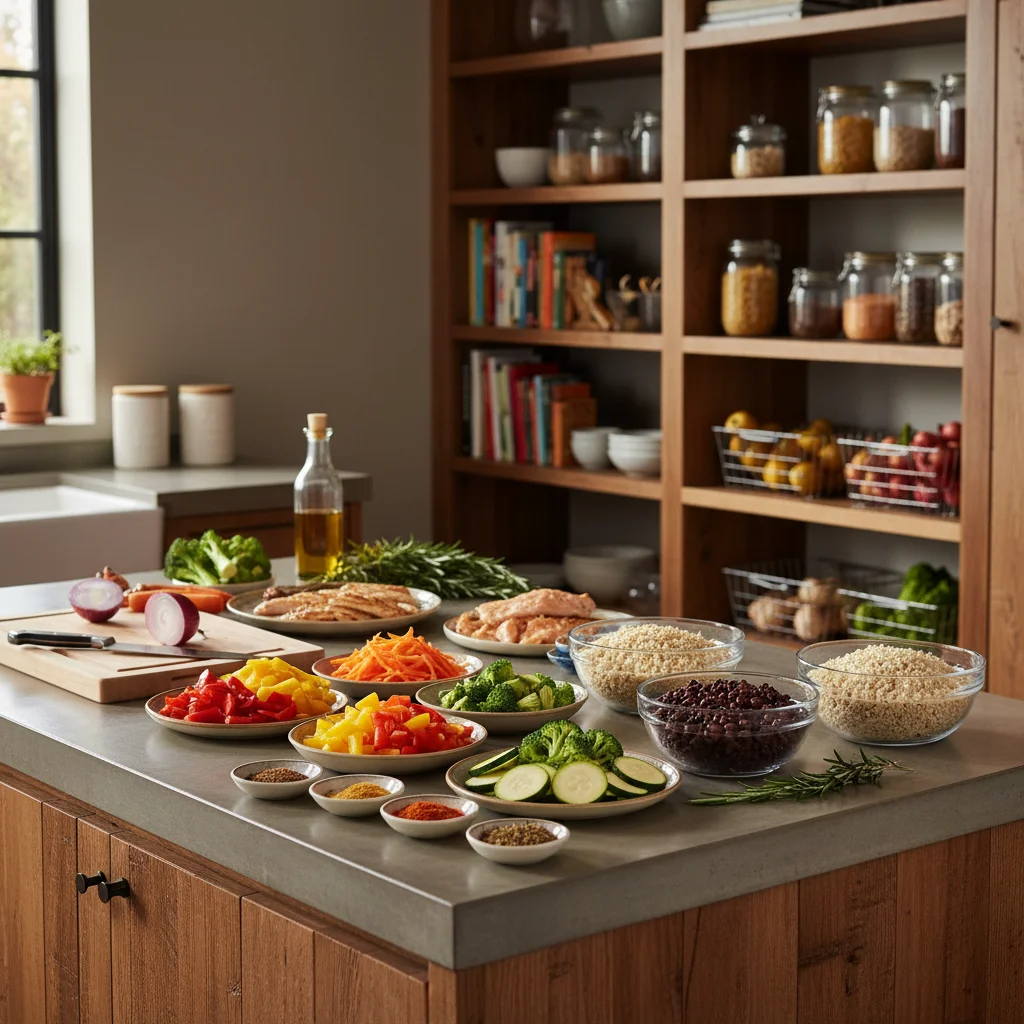
Batch Cooking and Pre-Preparation
Once your pantry is organized and you know what you have, meal prep becomes much easier. Dedicate a few hours one day a week to:
- Cooking Grains: Cook a large batch of rice, quinoa, or farro for the week.
- Chopping Vegetables: Pre-chop veggies for stir-fries, salads, or snacks.
- Making Sauces/Dressings: Prepare homemade dressings or sauces that can be used for multiple meals.
Having ingredients prepped and ready to go in your pantry (or fridge) dramatically cuts down on weeknight cooking time and reduces the temptation for takeout. This strategic use of your organized space is a key component of effective pantry organization tips for a smoother kitchen routine.
Tip 7: Maintain and Review Regularly
The biggest mistake people make after a massive organizing spree is failing to maintain the system. An organized pantry isn’t a one-and-done project; it’s an ongoing process. Regular maintenance is perhaps the most overlooked of all pantry organization tips, but it’s crucial for long-term success.
Weekly Tidy-Up
Dedicate 5-10 minutes each week to a quick pantry tidy. This could be part of your regular grocery unpacking routine or a brief check before meal planning. During this time:
- Straighten Items: Put items back in their designated spots.
- Wipe Down Spills: Address any small spills before they become sticky messes.
- Check Inventory: Update your inventory list if you have one.
- Note Low Stock: Add items to your grocery list as needed.
Monthly or Quarterly Deep Dive
Every month or quarter, depending on how heavily you use your pantry, do a slightly deeper review:
- Check Expiration Dates: Go through all items, especially those hiding in the back, and check their dates. Move anything nearing expiration to your ‘use me first’ zone.
- Reassess Categories: Are your current categories still working? Have your cooking habits changed? Adjust zones and categories as needed.
- Clean Containers: If containers are getting sticky or dusty, give them a quick wash and dry before refilling.
- Evaluate Storage: Are your storage solutions still effective? Do you need more bins, fewer containers, or different sizes?
Involve the Household
For long-term success, everyone who uses the pantry needs to be on board. Educate family members on where things belong and the importance of putting items back correctly. Clear labels help immensely with this.
By integrating these maintenance routines, your pantry will remain a beacon of organization, consistently supporting your efforts to reduce food waste and simplify meal prep. These pantry organization tips are not just about setting up a system, but about sustaining it.