Sustainable Consumer Behavior: US Trends 2026
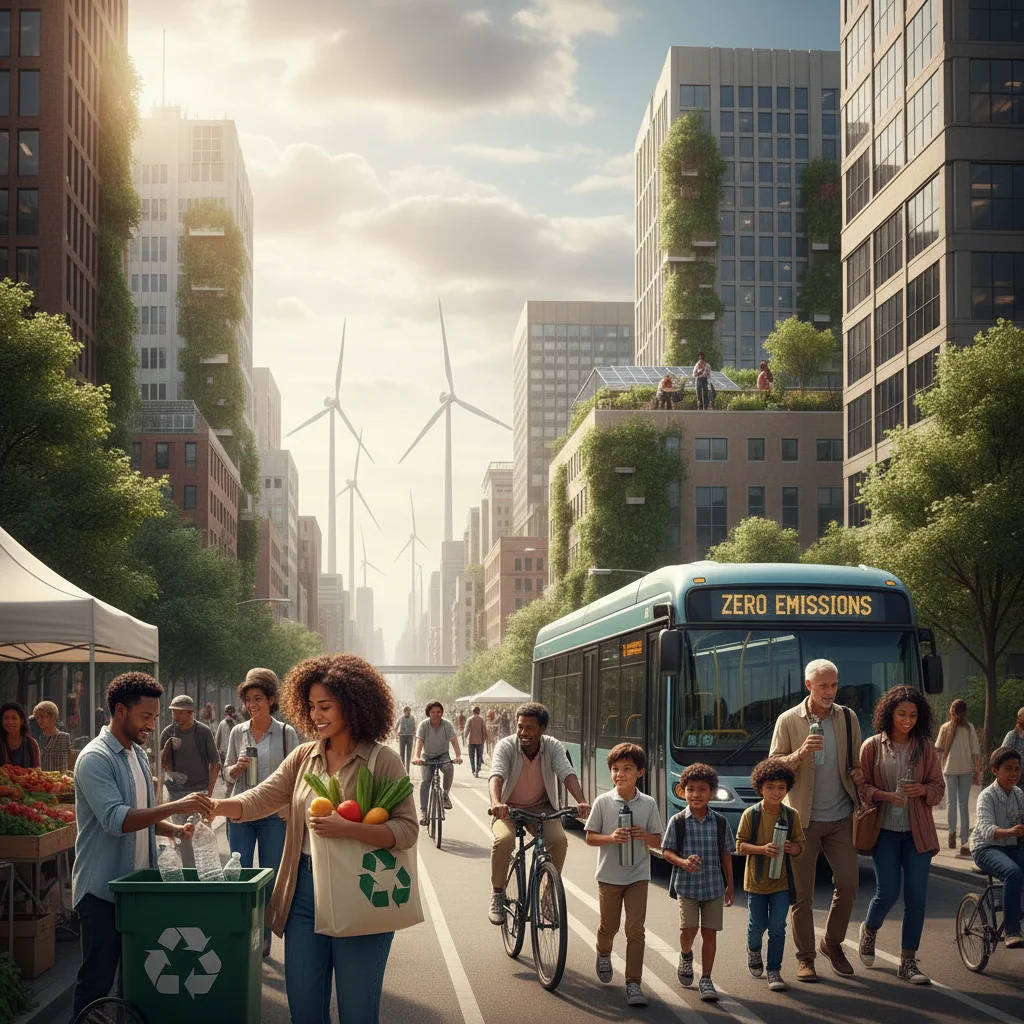
The push for a more sustainable future is no longer a niche movement; it’s a mainstream imperative, deeply influencing how consumers in the United States make purchasing decisions. As we look towards 2026, the trajectory of sustainable consumer behavior in the US reveals profound shifts. These changes are not just about individual preferences; they represent a fundamental re-evaluation of values, priorities, and the very definition of consumption. Businesses failing to adapt to these evolving demands risk obsolescence, while those that proactively embrace sustainability stand to gain significant market share and brand loyalty. Understanding these shifts is crucial for anyone operating within the US market, from startups to multinational corporations.
The driving forces behind this transformation are multifaceted. Escalating concerns about climate change, resource depletion, and social inequality are top of mind for many Americans. The younger generations, particularly Gen Z and Millennials, are leading the charge, bringing with them a heightened sense of environmental responsibility and a demand for corporate accountability. Social media amplifies these concerns, allowing for rapid dissemination of information (and misinformation) about corporate practices, putting immense pressure on brands to walk the talk. Moreover, policy changes, technological advancements, and increasing accessibility to sustainable alternatives are all contributing to an environment ripe for significant behavioral shifts.
This comprehensive article will delve into three major consumer behavior changes expected to solidify by 2026, offering recent updates, practical solutions for businesses, and actionable insights for consumers looking to align their choices with their values. We will explore the rise of conscious consumption, the demand for circularity and waste reduction, and the increasing premium placed on transparency and ethical sourcing. By understanding these trends, we can better navigate the evolving landscape of sustainable consumer behavior and contribute to a more resilient and equitable economy.
1. The Ascendance of Conscious Consumption and Value-Driven Purchasing
One of the most significant shifts in sustainable consumer behavior is the move towards conscious consumption, where purchasing decisions are increasingly guided by a brand’s values, environmental impact, and social responsibility. This isn’t just about buying ‘green’ products; it’s about a holistic evaluation of a brand’s entire ecosystem.
What Does Conscious Consumption Entail?
- Ethical Sourcing: Consumers are scrutinizing where and how products are made, demanding fair labor practices, safe working conditions, and responsible raw material acquisition. This includes everything from conflict-free minerals to sustainably harvested timber.
- Environmental Footprint: Beyond just the product itself, consumers are considering the carbon footprint of production, transportation, and disposal. This extends to packaging, energy use in manufacturing, and even the company’s broader climate policies.
- Social Impact: Brands’ stances on social justice, community engagement, and diversity and inclusion are becoming equally important. Consumers want to support companies that align with their personal values and contribute positively to society.
- Durability and Longevity: A growing rejection of fast fashion and disposable culture is fueling a demand for products designed to last, reducing the need for frequent replacements.
Recent Updates and Data Points
Recent studies consistently show that a significant percentage of US consumers, particularly younger demographics, are willing to pay more for sustainable products. A 2023 report indicated that nearly 70% of consumers consider sustainability when making a purchase, with a substantial portion actively seeking out eco-friendly options. This trend is not confined to specific product categories but is permeating industries from food and fashion to electronics and home goods. The rise of B Corps and other certified sustainable businesses is a direct response to this demand, offering consumers verifiable proof of a company’s commitment.
Practical Solutions for Businesses
For businesses, adapting to this shift in sustainable consumer behavior requires more than just greenwashing. Authenticity is key.
- Integrate Sustainability into Core Strategy: Sustainability should not be an afterthought or a separate department. It needs to be woven into the very fabric of the business model, from product design and supply chain management to marketing and corporate governance.
- Obtain Certifications: Pursue recognized third-party certifications (e.g., B Corp, Fair Trade, LEED) to validate sustainability claims and build consumer trust.
- Communicate Transparently: Clearly articulate your sustainability efforts and progress, including challenges. Use accessible language and avoid jargon. Storytelling about your ethical sourcing or environmental initiatives can resonate deeply with conscious consumers.
- Invest in Durable, High-Quality Products: Shift focus from planned obsolescence to creating products that offer longevity and can be repaired, reducing waste and enhancing perceived value.
- Align with Social Causes: Partner with non-profits or initiate programs that address social or environmental issues important to your target demographic.
Actionable Insights for Consumers
Consumers can empower themselves by:
- Researching Brands: Before purchasing, investigate a brand’s sustainability reports, certifications, and public statements. Utilize apps and websites dedicated to rating companies on their ethical and environmental performance.
- Prioritizing Needs Over Wants: Adopt a minimalist mindset, focusing on purchasing only what is truly needed and will be used extensively.
- Supporting Local and Small Businesses: Often, local businesses have a smaller carbon footprint and a stronger connection to community values.
- Demanding More from Companies: Use your voice and purchasing power to encourage companies to adopt more sustainable practices.
2. The Drive Towards Circularity and Waste Reduction
The linear ‘take-make-dispose’ model of consumption is increasingly being challenged by consumers who recognize the finite nature of resources and the escalating waste crisis. By 2026, a significant portion of US sustainable consumer behavior will be characterized by a strong preference for circular economy principles: reduce, reuse, repair, and recycle.
Key Aspects of Circularity in Consumer Behavior
- Minimized Packaging: Consumers are actively seeking products with minimal, recyclable, compostable, or reusable packaging. The ‘unboxing’ experience is shifting from elaborate, multi-layered packaging to simple, eco-friendly alternatives.
- Product-as-a-Service (PaaS) and Rental Models: Instead of owning products outright, consumers are becoming more open to renting, leasing, or subscribing to services for items like tools, clothing, or electronics, reducing individual ownership and maximizing resource utilization.
- Repair and Second-Hand Economy: There’s a resurgence of interest in repairing broken items rather than replacing them, alongside a booming market for second-hand goods (e.g., thrifting, refurbished electronics, used cars).
- Effective Recycling and Composting: Consumers are becoming more diligent about proper waste segregation and are demanding clearer labeling and more accessible infrastructure for recycling and composting.
Recent Updates and Data Points
The growth of the resale market is a clear indicator of this trend, with platforms like ThredUp and Poshmark experiencing exponential growth. Studies project the global second-hand market to reach hundreds of billions of dollars by the mid-2020s, with a significant portion coming from the US. Similarly, companies offering refillable options for household products, from cleaning supplies to personal care items, are gaining traction. Municipalities are also investing more in composting initiatives, and consumers are actively participating, demonstrating a willingness to change daily habits for environmental benefit.

Practical Solutions for Businesses
Embracing circularity offers businesses opportunities for innovation and differentiation.
- Redesign Packaging: Prioritize recycled content, recyclability, compostability, and reusability. Explore innovative packaging solutions like edible packaging or package-free options.
- Develop Take-Back Programs: Implement programs for consumers to return used products for recycling, refurbishment, or safe disposal. This not only reduces waste but also provides valuable insights into product lifecycles.
- Explore Product-as-a-Service Models: For suitable products, consider offering rental, leasing, or subscription services. This can create new revenue streams and foster long-term customer relationships.
- Support Repairability: Design products for easy repair, provide spare parts, and offer repair services or guides. This aligns with the ‘right to repair’ movement gaining momentum.
- Collaborate on Recycling Infrastructure: Work with local governments and waste management companies to improve and standardize recycling and composting options for your products.
Actionable Insights for Consumers
Individuals can significantly contribute to a circular economy by:
- Choosing Reusable Options: Opt for reusable water bottles, coffee cups, shopping bags, and food containers.
- Buying Second-Hand: Explore thrift stores, consignment shops, and online marketplaces for clothing, furniture, and electronics.
- Repairing Before Replacing: Learn basic repair skills or seek out local repair shops for broken items.
- Composting Food Scraps: Reduce landfill waste by composting organic materials, either at home or through community programs.
- Supporting Brands with Circular Initiatives: Prioritize companies that offer refill programs, take-back schemes, or durable, repairable products.
3. Demand for Transparency and Ethical Sourcing Across the Supply Chain
The opaque nature of global supply chains is increasingly under scrutiny. By 2026, sustainable consumer behavior will be heavily influenced by a non-negotiable demand for transparency and verifiable ethical sourcing from raw material extraction to the final product. Consumers want to know the true story behind their purchases.
Dimensions of Transparency Demanded by Consumers
- Origin of Materials: Where do the raw materials come from? Are they sustainably harvested/mined?
- Labor Practices: What are the working conditions, wages, and human rights standards throughout the supply chain? Is there child labor or forced labor?
- Manufacturing Processes: How is the product made? What are the environmental impacts of the factories?
- Carbon Footprint Disclosure: Clear information about the emissions generated at each stage of the product’s life cycle.
- Animal Welfare: For products involving animals, consumers demand humane treatment and ethical practices.
Recent Updates and Data Points
Technological advancements, particularly blockchain, are making supply chain transparency more feasible than ever. Consumers are increasingly familiar with QR codes that link to product journeys, and brands are starting to adopt these tools. Major retailers are facing pressure from advocacy groups and consumers alike to map their supply chains and address potential ethical breaches. The rise of activist consumerism means that negative news about unethical practices can spread globally overnight, severely damaging brand reputation and sales. Conversely, brands that proactively share their ethical sourcing stories are building trust and gaining a competitive edge.

Practical Solutions for Businesses
Achieving true transparency is complex but essential for future success.
- Map Your Supply Chain: Understand every link in your supply chain, from tier 1 to tier N suppliers. This is the foundational step for identifying risks and opportunities.
- Implement Traceability Technologies: Utilize tools like blockchain, RFID, or digital product passports to track products and materials from origin to consumer.
- Conduct Regular Audits: Perform independent third-party audits of your suppliers to ensure compliance with labor, environmental, and ethical standards.
- Publish Transparency Reports: Regularly share detailed reports on your supply chain practices, including challenges and improvement plans. Be honest and open.
- Collaborate with Suppliers: Work closely with your suppliers to help them meet ethical and sustainable standards, rather than simply imposing requirements.
Actionable Insights for Consumers
Consumers can drive change by:
- Looking for Certifications: Seek out certifications related to ethical sourcing (e.g., Fair Trade, Global Organic Textile Standard – GOTS) on product labels.
- Asking Questions: Don’t hesitate to contact companies directly to inquire about their supply chain practices.
- Supporting Brands with Clear Disclosures: Prioritize brands that openly share information about their sourcing, labor, and environmental impacts.
- Educating Themselves: Learn about common ethical issues in specific industries (e.g., fast fashion, electronics) to make more informed choices.
The Interconnectedness of Sustainable Consumer Behavior Trends
It’s crucial to understand that these three major shifts in sustainable consumer behavior are not isolated; they are deeply interconnected and mutually reinforcing. A consumer committed to conscious consumption will naturally gravitate towards products designed for circularity and supported by transparent, ethical supply chains. Similarly, a business that invests in supply chain transparency will inherently be better positioned to offer ethically sourced products and communicate its value-driven approach to consumers.
The increasing awareness of climate change and social inequality acts as an overarching catalyst, pushing both consumers and businesses towards a more responsible model. The digital age, with its instant access to information and global connectivity, empowers consumers to make more informed decisions and hold companies accountable. This creates a virtuous cycle where consumer demand for sustainability incentivizes businesses to innovate, which in turn makes sustainable options more accessible and appealing, further fueling consumer demand.
Challenges and Opportunities Ahead
While the direction is clear, the transition to widespread sustainable consumer behavior is not without its challenges. Price remains a significant barrier for some consumers, as sustainable products can sometimes carry a premium. The issue of ‘greenwashing’ – where companies make misleading claims about their environmental efforts – erodes trust and makes it harder for genuine sustainable brands to stand out. Furthermore, developing truly circular systems and achieving full supply chain transparency requires significant investment and systemic change.
However, these challenges also present immense opportunities. For businesses, embracing sustainability is no longer just a ‘nice-to-have’ but a strategic imperative that can drive innovation, reduce costs (e.g., through waste reduction), attract top talent, and build robust brand loyalty. Companies that proactively address these trends will gain a significant competitive advantage. For consumers, the opportunity lies in using their collective purchasing power to shape the market and demand a better, more sustainable future for all.
Conclusion: A Sustainable Future Driven by Consumer Choice
By 2026, the landscape of US consumer behavior will be irrevocably shaped by a profound commitment to sustainability. The three major shifts discussed – the ascendance of conscious consumption, the drive towards circularity and waste reduction, and the demand for transparency and ethical sourcing – represent a powerful transformation. These aren’t fleeting fads but fundamental changes rooted in a growing understanding of our collective impact on the planet and society.
Businesses that recognize and adapt to these evolving demands for sustainable consumer behavior will not only survive but thrive. This requires genuine commitment, strategic investment, and transparent communication. For individuals, every purchasing decision is an opportunity to cast a vote for the kind of world we want to live in. As we move closer to 2026, the power of the sustainable consumer will only grow, paving the way for a more responsible, resilient, and equitable economy.