Conscious Consumerism 2026: Top 7 Ethical Brands Leading the Shift
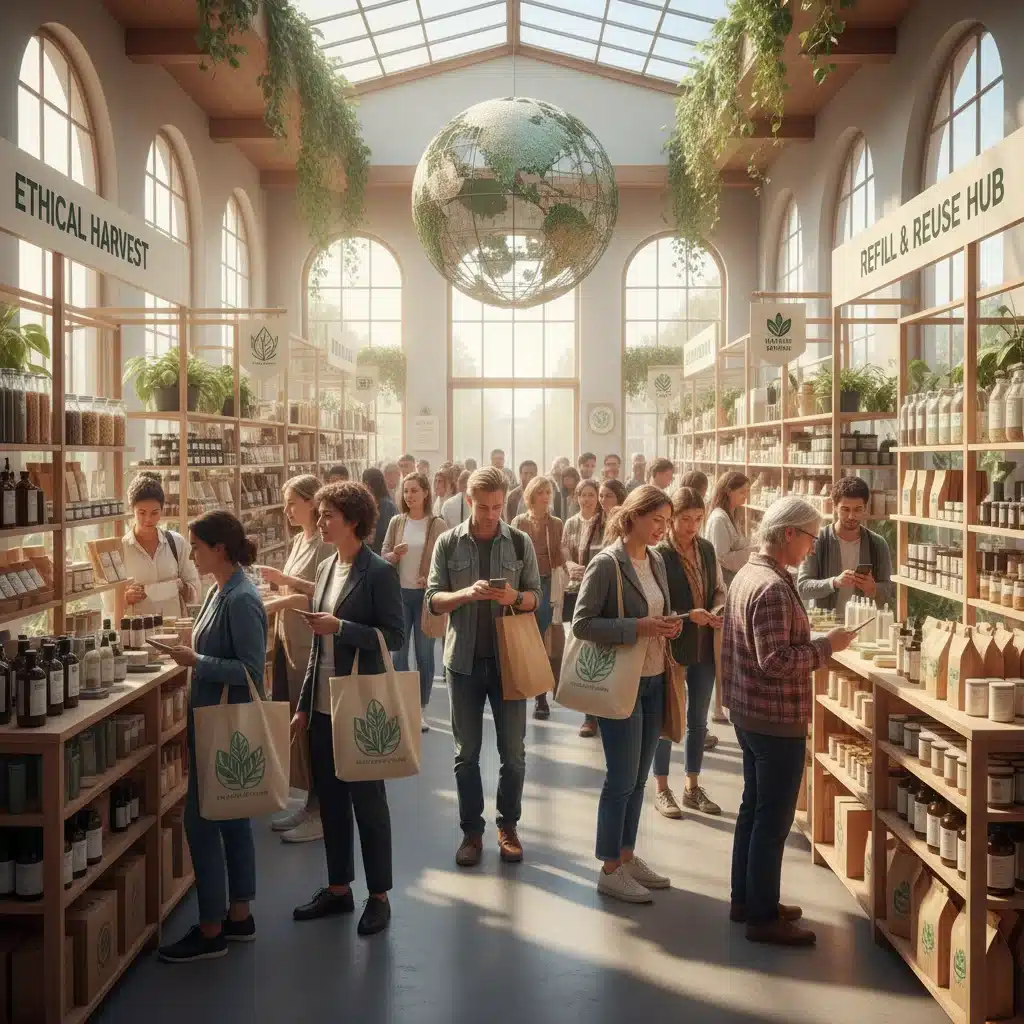
The Rise of Conscious Consumerism: 7 Brands Leading the Ethical Shift in 2026 (RECENT UPDATES)
In an era defined by rapid change and increasing global awareness, the way we consume is undergoing a profound transformation. Gone are the days when price and convenience were the sole determinants of purchasing decisions. Today, a growing segment of the global population, often referred to as conscious consumers, are actively seeking brands that align with their values. This movement, known as conscious consumerism, prioritizes ethical practices, environmental sustainability, and social responsibility alongside product quality and utility.
The year 2026 marks a significant milestone in this evolution. Consumers are more informed, more vocal, and more demanding of transparency from the companies they support. This shift isn’t just a trend; it’s a fundamental recalibration of the market, forcing businesses to re-evaluate their entire operational framework, from sourcing raw materials to labor practices and end-of-life product cycles. Brands that fail to adapt risk obsolescence, while those that embrace the principles of conscious consumerism are poised for unprecedented growth and loyalty.
This comprehensive guide delves into the heart of this movement, exploring what defines conscious consumerism in 2026 and spotlighting seven exemplary brands that are not just participating in this shift but actively leading it. These companies demonstrate that profitability and purpose can, and indeed must, coexist. They offer blueprints for a more sustainable and equitable future, proving that every purchase can be a vote for the world we wish to live in.
Understanding Conscious Consumerism in 2026
Before we dive into the leading brands, it’s crucial to grasp the multifaceted nature of conscious consumerism today. It’s no longer just about buying organic or fair trade, though those remain vital components. In 2026, conscious consumers are looking for:
- Environmental Stewardship: This includes a commitment to reducing carbon footprints, minimizing waste (especially plastic), conserving resources, supporting biodiversity, and utilizing renewable energy. Brands are expected to have clear, measurable goals and report on their progress.
- Ethical Sourcing and Supply Chains: Transparency is paramount. Consumers want to know where products come from, how they are made, and that no exploitation (child labor, forced labor) occurred at any stage. Fair wages, safe working conditions, and respect for human rights across the entire supply chain are non-negotiable.
- Social Impact and Community Engagement: Beyond just avoiding harm, conscious brands actively contribute positively to society. This can involve supporting local communities, investing in social programs, promoting diversity and inclusion, and advocating for social justice.
- Product Longevity and Circularity: The linear “take-make-dispose” model is being replaced by circular economy principles. Consumers favor products designed for durability, repairability, and recyclability. Brands offering take-back programs, repair services, or products made from recycled materials gain significant trust.
- Corporate Governance and Transparency: Authentic commitment to ethical values must extend to the very top of an organization. This means transparent reporting, ethical leadership, and accountability for corporate actions. Greenwashing is quickly identified and penalized by informed consumers.
The convergence of these factors creates a powerful market force. Brands that genuinely embody these principles are not just selling products; they are selling trust, values, and a vision for a better world. This deep connection fosters unparalleled brand loyalty, making conscious consumerism a significant driver of long-term business success.
The Pioneers: 7 Brands Leading the Ethical Shift in 2026
Here are seven brands that have consistently demonstrated their commitment to the principles of conscious consumerism, setting benchmarks for others to follow. These companies are not just adapting to the future; they are actively shaping it.
1. Patagonia: The Enduring Icon of Ethical Outdoor Gear
Patagonia remains a titan in the realm of conscious consumerism. For decades, this outdoor apparel company has championed environmental activism, ethical manufacturing, and product longevity. In 2026, their commitment is stronger than ever. They continue to donate 1% of sales to environmental causes, use a high percentage of recycled and organic materials, and offer robust repair services to extend the life of their products. Their “Worn Wear” program encourages customers to repair, reuse, and recycle their gear, actively combating the fast-fashion mentality. Patagonia’s transparency about its supply chain and its willingness to speak out on political and environmental issues further solidify its position as a leader in ethical business practices. Their innovative approaches to sustainable materials, such as developing new ways to recycle polyester and exploring bio-based alternatives, keep them at the forefront of eco-friendly manufacturing. Patagonia’s dedication to fair labor practices across its global supply chain also sets a high standard, ensuring that every garment is produced under ethical conditions. This holistic approach makes them a quintessential example of a brand built on the pillars of conscious consumerism.
2. Allbirds: Sustainable Footwear Redefined
Allbirds burst onto the scene with a simple yet revolutionary idea: footwear made from natural, sustainable materials. By 2026, they have expanded their product line and deepened their commitment to environmental responsibility. Their signature use of merino wool, eucalyptus tree fiber, and sugarcane-based SweetFoam™ for soles significantly reduces their carbon footprint. Allbirds is a B Corp, meaning they meet rigorous standards of social and environmental performance, accountability, and transparency. They are also carbon neutral, investing in projects that offset their emissions. Their focus on simple, durable designs further promotes sustainability by reducing the need for frequent replacements. Allbirds’ relentless pursuit of innovative, low-impact materials, such as regenerative agriculture wool and plant-based leathers, demonstrates their ongoing commitment to pushing the boundaries of eco-friendly production. Their transparent reporting on environmental impact and their efforts to educate consumers about sustainable choices empower a new generation of conscious buyers. Allbirds exemplifies how style and sustainability can go hand-in-hand, making them a leading voice in conscious consumerism.
3. Dr. Bronner’s: All-One! for People and Planet
Dr. Bronner’s Magic Soaps has been a pioneer in ethical business for generations. By 2026, their commitment to radical transparency, fair trade, and organic ingredients remains unwavering. They are a certified B Corp and a leader in fair trade sourcing, ensuring fair wages and good working conditions for farmers and workers in their supply chains worldwide. Their products are made with certified organic and vegan ingredients, and their packaging is increasingly moving towards post-consumer recycled materials. Beyond their products, Dr. Bronner’s dedicates significant resources to social and environmental activism, advocating for causes like regenerative organic agriculture, drug policy reform, and animal welfare. Their commitment to capping executive salaries at 5 times the lowest-paid worker reflects a deep-seated belief in economic justice. Dr. Bronner’s embodies the spirit of conscious consumerism through its holistic approach to business, demonstrating that a company can be highly profitable while prioritizing people and the planet. Their consistent messaging about ethical living resonates deeply with consumers seeking authentic, value-driven brands.
4. ThredUp: Revolutionizing Fashion with Circularity
ThredUp has emerged as a powerhouse in the circular fashion economy. As a leading online consignment and thrift store, they directly combat the environmental impact of fast fashion by extending the lifespan of clothing. In 2026, ThredUp continues to innovate, making it easier for consumers to buy and sell secondhand clothes, thereby reducing textile waste and promoting a more sustainable approach to fashion. Their detailed impact reports highlight the millions of pounds of clothing diverted from landfills. They also partner with brands to offer resale programs, further integrating circularity into the mainstream fashion industry. ThredUp’s user-friendly platform and commitment to quality assurance make secondhand shopping accessible and appealing to a broader audience, demonstrating that sustainable fashion can be both stylish and affordable. Their advocacy for policy changes that support a circular economy further solidifies their role as a leader in conscious consumerism. By making it easy and fashionable to choose used over new, ThredUp is directly challenging traditional consumption patterns and empowering consumers to make more ethical choices.
5. Ecosia: The Search Engine That Plants Trees
Ecosia offers a unique take on conscious consumerism by transforming a daily digital activity into an act of environmental restoration. This search engine uses its ad revenue to plant trees where they are needed most. By 2026, Ecosia has planted hundreds of millions of trees across the globe, contributing significantly to reforestation efforts, biodiversity, and climate change mitigation. Their commitment to transparency is evident in their monthly financial reports, which detail exactly where their money goes. Ecosia runs on 100% renewable energy and actively campaigns for internet privacy and against harmful environmental policies. Choosing Ecosia as a search engine is a simple yet powerful way for individuals to engage in conscious consumerism without altering their purchasing habits. It’s a testament to how everyday actions, when aggregated, can create monumental positive change. Ecosia proves that even digital services can be a force for good, aligning technology with environmental responsibility and offering users a passive yet impactful way to contribute to a sustainable future.
6. Numi Organic Tea: Cultivating Ethical Sips
Numi Organic Tea has long been a beacon of ethical practices in the beverage industry. In 2026, they continue to uphold their commitment to fair trade, organic farming, and sustainable packaging. Numi sources 100% organic, Fair Trade Certified™ teas and herbs directly from farming communities around the world, ensuring fair wages, safe working conditions, and community development projects. Their focus on using only real, whole ingredients means no artificial flavorings or fragrances. Numi is also deeply committed to environmental stewardship, utilizing compostable tea bags (made from plant starch, not plastic), recyclable packaging, and striving for a carbon-neutral footprint. Their H2OPE program provides clean drinking water to their farming communities, demonstrating a holistic approach to social responsibility. Numi’s dedication to the well-being of both people and the planet, from farm to cup, makes them an exemplary brand in the conscious consumerism landscape. They show that a delicious product can also be a vehicle for positive social and environmental change, encouraging consumers to think about the journey of their daily brew.
7. Who Gives A Crap: Sustainable Solutions for Everyday Needs
Who Gives A Crap has revolutionized the toilet paper industry by offering a sustainable, ethical, and surprisingly fun alternative. By 2026, their impact has grown significantly, proving that even mundane household items can be produced with a conscience. Their toilet paper, paper towels, and tissues are made from 100% recycled paper or sustainable bamboo, saving trees and reducing waste. Crucially, they donate 50% of their profits to build toilets and improve sanitation in developing countries, addressing a critical global health issue. This direct link between consumption and social impact resonates deeply with conscious consumers. Their plastic-free packaging further enhances their environmental credentials. Who Gives A Crap challenges the notion that ethical products must be niche or expensive, making sustainable choices accessible and appealing to a broad audience. Their transparent reporting on their social impact and their playful branding make them a standout example of how a brand can tackle serious issues with an approachable and effective strategy, perfectly embodying the spirit of conscious consumerism in everyday life.
The Broader Impact of Conscious Consumerism
The rise of conscious consumerism extends far beyond these seven brands. It’s a movement that is reshaping entire industries, from food and fashion to technology and finance. As more consumers demand ethical products and services, companies are compelled to innovate and integrate sustainable practices into their core business models. This creates a virtuous cycle:
- Innovation in Sustainability: The demand for eco-friendly and ethically sourced products drives research and development into new materials, production methods, and supply chain efficiencies.
- Increased Transparency: Brands are increasingly expected to be open about their operations, allowing consumers to make informed choices and holding companies accountable for their claims.
- Social and Environmental Progress: Every purchase made from a conscious brand contributes to better labor practices, reduced pollution, conservation efforts, and community development.
- Economic Shift: Ethical businesses are proving that sustainability can be profitable, encouraging more traditional businesses to adopt similar practices to remain competitive.
Furthermore, the collective power of conscious consumers is influencing policy. As public awareness grows and purchasing habits shift, there is increasing pressure on governments to enact regulations that support environmental protection, fair labor laws, and corporate social responsibility. This demonstrates that individual consumer choices, when aggregated, have the power to drive systemic change on a global scale.
The digital age has also played a pivotal role in accelerating the conscious consumerism movement. Social media platforms and independent review sites provide consumers with unprecedented access to information about brands’ practices, allowing them to easily identify and support companies that align with their values, or call out those that fall short. This democratization of information empowers consumers to be more than just buyers; they become advocates, activists, and catalysts for change.
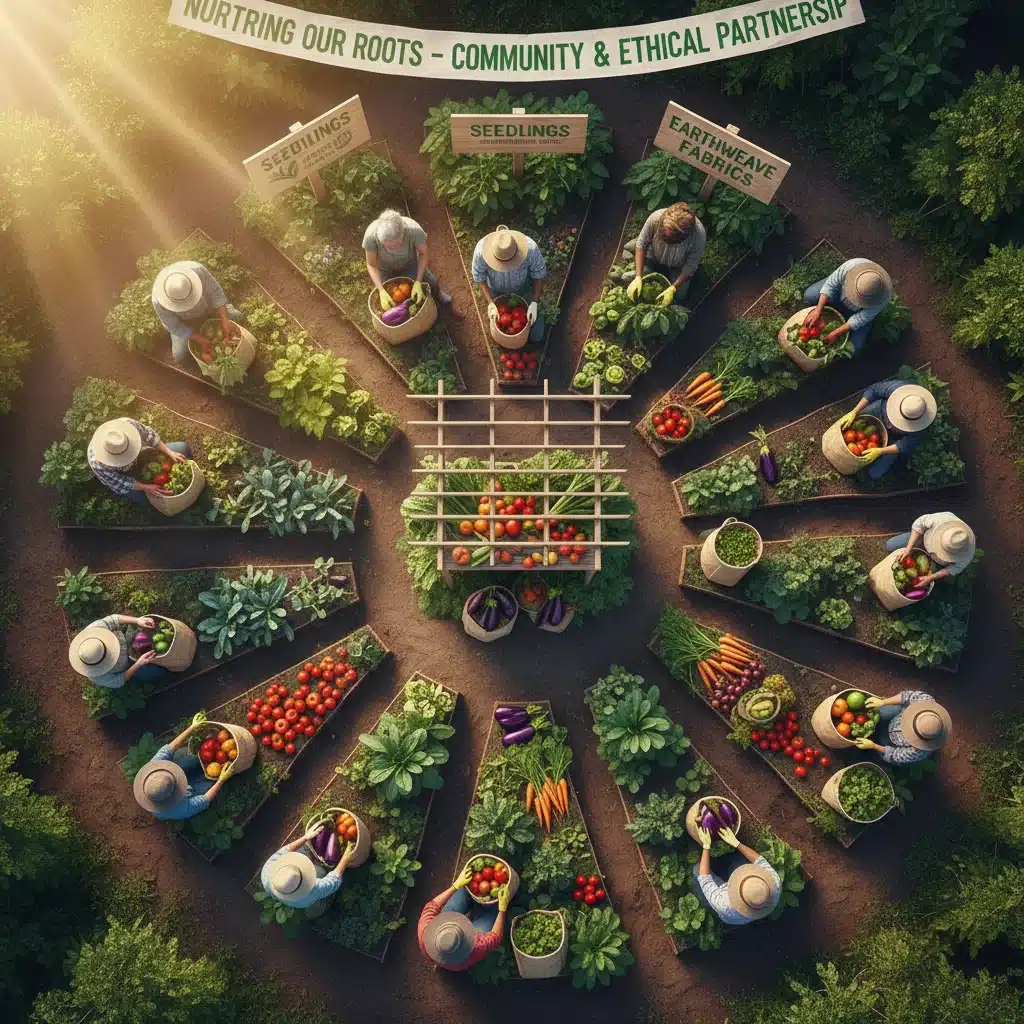
How to Be a More Conscious Consumer in 2026
For individuals looking to align their purchasing power with their values, becoming a more conscious consumer is an ongoing journey. Here are some practical steps you can take:
- Research Before You Buy: Look into a brand’s sustainability reports, certifications (e.g., B Corp, Fair Trade, Organic), and ethical statements. Websites like Good On You provide ratings for fashion brands based on their impact.
- Prioritize Needs Over Wants: Reduce overall consumption by asking if you truly need an item before purchasing it. Embrace minimalism and mindful consumption.
- Choose Quality Over Quantity: Invest in durable, well-made products that will last longer, reducing the need for frequent replacements.
- Support Local and Small Businesses: Often, local businesses have a smaller environmental footprint and a stronger connection to community well-being.
- Embrace the Circular Economy: Buy secondhand, repair items when they break, and recycle properly. Look for brands with take-back or recycling programs.
- Demand Transparency: Don’t hesitate to ask brands questions about their sourcing, labor practices, and environmental impact. Your questions signal that these issues matter.
- Vote with Your Wallet: Consciously choose to support brands that align with your values and boycott those that don’t. Your purchasing decisions send a clear message to the market.
- Educate Yourself and Others: Stay informed about ethical issues in different industries and share your knowledge with friends and family.
Every decision, no matter how small it seems, contributes to a larger shift. By consciously choosing where to spend our money, we collectively shape the future of commerce and the world.
The Future is Conscious: What’s Next?
The trajectory of conscious consumerism in 2026 indicates a future where ethical and sustainable practices are not just a niche market but a fundamental expectation. We can anticipate:
- Increased Regulation: Governments will likely introduce more stringent regulations regarding environmental impact, supply chain transparency, and corporate social responsibility.
- Technological Advancements: AI and blockchain technology will play a greater role in verifying supply chain ethics and product authenticity, making it easier for consumers to trust claims.
- Mainstream Adoption: More large corporations will integrate conscious practices, driven by both consumer demand and competitive pressure, making ethical choices more widely available and affordable.
- Focus on Regenerative Practices: Beyond just sustainability (doing less harm), there will be a greater emphasis on regenerative practices that actively restore ecosystems and communities.
The brands highlighted in this article are not just selling products; they are selling a vision of a better future. They demonstrate that business can be a powerful force for good, driving positive change for people and the planet. As consumers, our role is crucial. By supporting these pioneering brands and demanding more from others, we accelerate the transition towards a truly sustainable and equitable global economy.
Conclusion: A Call to Action for a Better Tomorrow
The movement of conscious consumerism is more than just a trend; it’s a fundamental shift in values that is reshaping the global marketplace. In 2026, the brands leading this ethical revolution—like Patagonia, Allbirds, Dr. Bronner’s, ThredUp, Ecosia, Numi Organic Tea, and Who Gives A Crap—are proving that profitability and purpose can indeed go hand-in-hand. They offer compelling examples of how businesses can thrive by prioritizing environmental stewardship, social justice, and ethical transparency.
As consumers, we hold immense power. Every dollar we spend is a vote for the kind of world we want to create. By actively seeking out and supporting brands committed to sustainable and ethical practices, we contribute to a collective movement that drives innovation, demands transparency, and fosters a more responsible global economy. The future of consumption is conscious, and by embracing its principles, we can all play a part in building a more sustainable, equitable, and hopeful tomorrow. Let us continue to advocate for change, choose wisely, and inspire others to join this vital journey towards a better world through the power of conscious consumerism.