Ending Food Insecurity: New Initiatives & Practical Solutions for US Households
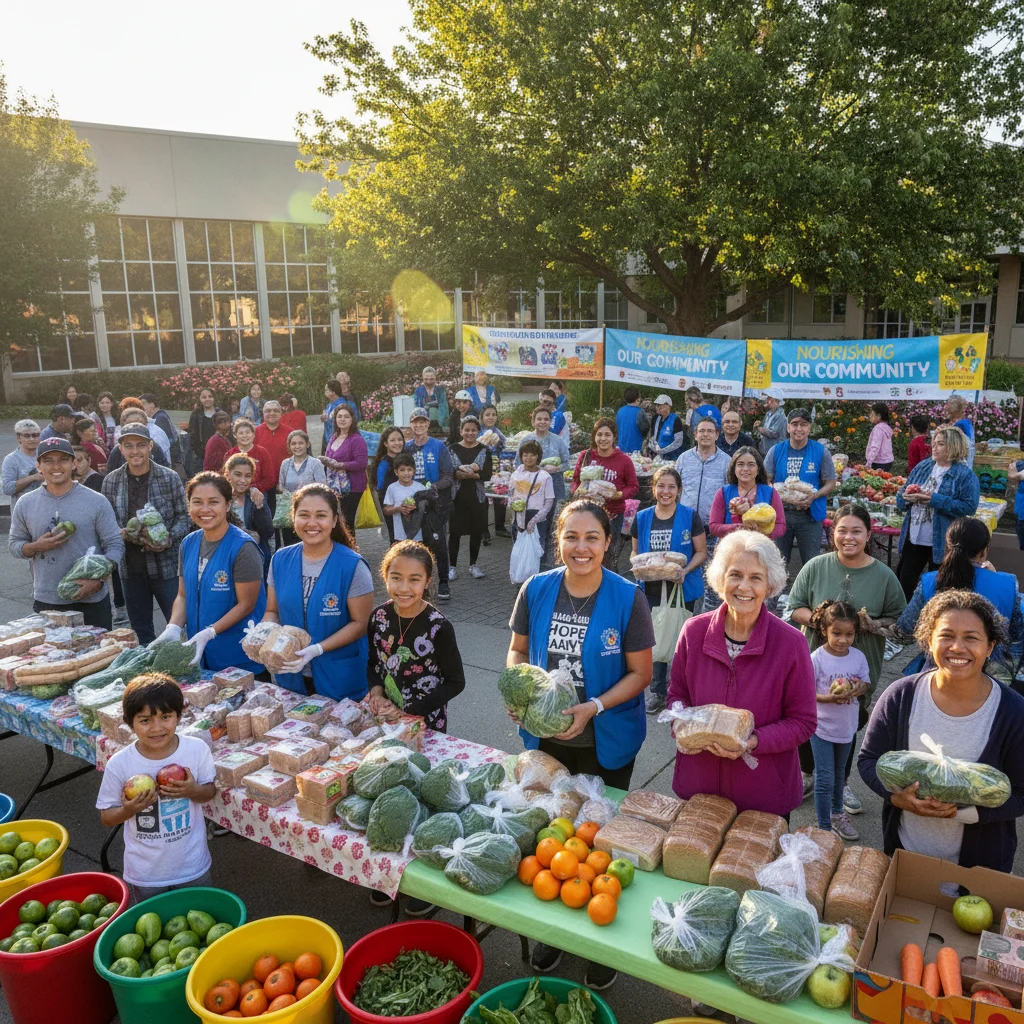
The specter of food insecurity continues to cast a long shadow over millions of households across the United States. Despite being one of the wealthiest nations, a significant portion of its population struggles to access adequate, nutritious food. Recent data indicates that approximately 10% of US households experience food insecurity, a statistic that underscores a pressing societal challenge. This isn’t merely about hunger; it’s about the profound impact on health, education, economic stability, and overall well-being. Recognizing the urgency, a concerted effort is underway to implement new initiatives and practical solutions aimed at significantly reducing this rate by 2027. This comprehensive article delves into the multifaceted nature of food insecurity, explores the innovative strategies being deployed, and highlights the collective responsibility required to achieve a food-secure future for all. Our focus on US Food Insecurity Solutions aims to illuminate the path forward.
Food insecurity is defined by the USDA as a household-level economic and social condition of limited or uncertain access to adequate food. It’s a complex issue with roots in poverty, unemployment, underemployment, lack of access to affordable housing, healthcare costs, and systemic inequities. The COVID-19 pandemic exacerbated these challenges, pushing more families into precarious situations. However, the increased awareness also galvanized a powerful response from government agencies, non-profits, community organizations, and individuals, leading to a surge in creative and impactful US Food Insecurity Solutions.
Understanding the Landscape of Food Insecurity in the US
Before diving into solutions, it’s crucial to grasp the nuances of food insecurity. It’s not a monolithic problem; its manifestations vary across different demographics and geographic regions. For instance, rural communities often face challenges related to distance to grocery stores (food deserts) and limited transportation, while urban areas might contend with high prices and insufficient access to fresh produce. Racial and ethnic minority groups, single-parent households, and households with children are disproportionately affected. Understanding these disparities is the first step toward crafting equitable and effective US Food Insecurity Solutions.
The economic fallout from global events, coupled with persistent inflation, has further strained household budgets. The rising cost of living, particularly for essentials like housing and energy, leaves less disposable income for food. This economic pressure often forces families to choose between paying for rent, medication, or putting food on the table. These are not choices anyone should have to make, and they highlight the systemic issues that require systemic solutions.
Key Drivers of Food Insecurity: Beyond the Obvious
- Economic Instability: Low wages, unemployment, and underemployment remain primary drivers. Many individuals work full-time but still earn wages insufficient to cover basic needs, including food.
- Healthcare Costs: High medical bills can quickly deplete a family’s financial resources, forcing them to cut back on other necessities, including food.
- Lack of Affordable Housing: When a significant portion of income goes towards housing, less is available for food. This is a critical, often overlooked, link to food insecurity.
- Geographic Barriers (Food Deserts): Areas with limited access to affordable and nutritious food, often found in low-income urban and rural areas, contribute significantly to the problem.
- Systemic Inequities: Historical and ongoing discrimination based on race, ethnicity, and socioeconomic status perpetuates cycles of poverty and food insecurity.
- Disasters and Climate Change: Natural disasters can disrupt food supply chains, destroy crops, and displace communities, leading to acute food shortages.
Addressing these underlying causes is paramount for any long-term strategy focused on US Food Insecurity Solutions. It requires a holistic approach that integrates economic development, healthcare reform, housing initiatives, and environmental sustainability.
Recent Updates and Policy Shifts: A Renewed Focus
The commitment to tackling food insecurity has seen a notable uptick in recent years, with both federal and state governments introducing new policies and expanding existing programs. The Biden-Harris Administration, for instance, hosted the White House Conference on Hunger, Nutrition, and Health in 2022, signaling a renewed national focus. This conference aimed to end hunger and increase healthy eating and physical activity by 2030, presenting a national strategy that includes numerous proposed US Food Insecurity Solutions.
Key Policy Initiatives and Expansions:
One of the most significant federal efforts is the Supplemental Nutrition Assistance Program (SNAP), which provides food benefits to low-income families. Recent adjustments have aimed to make SNAP more accessible and increase benefit amounts, recognizing the rising cost of food. Furthermore, efforts to streamline the application process and reduce administrative burdens are crucial for maximizing its reach and impact. The expansion of summer EBT programs, providing grocery benefits to families with school-aged children during the summer months when school meal programs are unavailable, is another vital step.
Beyond SNAP, other programs like the Special Supplemental Nutrition Program for Women, Infants, and Children (WIC) are undergoing modernization to better serve vulnerable populations. WIC provides healthy foods, nutrition education, and healthcare referrals to low-income pregnant women, new mothers, and young children. Enhancements to WIC, such as increased accessibility to diverse food options and online resources, are critical US Food Insecurity Solutions.
At the state and local levels, innovative policies are also emerging. Some states are exploring universal school meals, ensuring all children have access to nutritious food regardless of their family’s income. Others are investing in local food systems, supporting farmers’ markets, and incentivizing grocery stores to open in food deserts. These localized approaches recognize that ‘one size does not fit all’ when it comes to effective US Food Insecurity Solutions.
Practical Solutions on the Ground: Community-Led Innovations
While policy changes provide a framework, the real impact often happens at the community level. Grassroots organizations, food banks, and local volunteers are at the forefront of implementing practical, immediate US Food Insecurity Solutions. These initiatives range from traditional food distribution to cutting-edge technological approaches.
Food Banks and Pantries: Evolving to Meet Demand
Food banks and pantries remain critical lifelines for millions. However, their operations are evolving beyond simply distributing canned goods. Many are now focusing on providing fresh produce, culturally appropriate foods, and nutrition education. Partnerships with local farms help ensure a steady supply of fresh, healthy options. ‘Client choice’ models, where individuals can select their own food, empower recipients and reduce waste, fostering dignity and respect. These modern approaches are vital US Food Insecurity Solutions.
Community Gardens and Urban Farms: Growing Local Solutions
The rise of community gardens and urban farms is a powerful example of localized US Food Insecurity Solutions. These initiatives transform vacant lots into vibrant food-producing spaces, providing fresh, affordable produce directly to residents. They also serve as educational hubs, teaching gardening skills, promoting healthy eating, and building community cohesion. Some urban farms even offer job training, creating economic opportunities alongside food access.
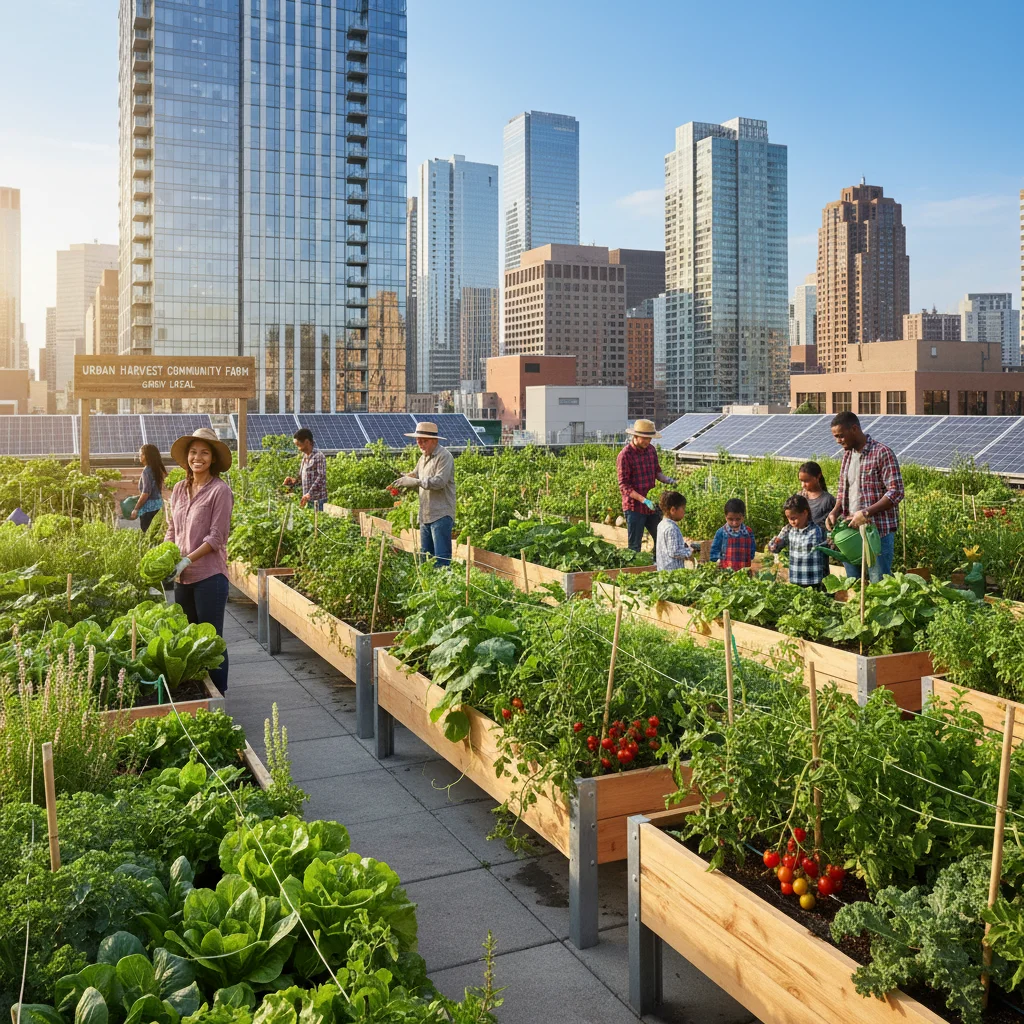
These gardens not only address immediate food needs but also contribute to long-term food sovereignty, giving communities more control over their food systems. By reducing reliance on distant supply chains, they enhance resilience and sustainability, crucial elements for lasting US Food Insecurity Solutions.
Food Recovery Programs: Reducing Waste, Feeding People
A significant amount of edible food is wasted in the US each year. Food recovery programs address this by rescuing surplus food from restaurants, grocery stores, and catering services and redirecting it to food banks, shelters, and community meal programs. This ‘win-win’ approach reduces environmental waste and provides much-needed sustenance to those in need. Innovations in logistics and cold chain management are making these programs more efficient and widespread, proving to be effective US Food Insecurity Solutions.
Mobile Food Pantries and ‘Pop-Up’ Markets: Reaching Underserved Areas
To overcome geographic barriers, mobile food pantries and ‘pop-up’ markets are bringing healthy food directly to underserved communities, including rural areas and neighborhoods lacking grocery stores. These initiatives often partner with schools, community centers, and healthcare providers to ensure maximum reach and convenience. By eliminating transportation as a barrier, they significantly improve food access, representing agile and responsive US Food Insecurity Solutions.
The Role of Technology and Innovation in Combating Hunger
Technology is playing an increasingly vital role in enhancing the efficiency and reach of US Food Insecurity Solutions. From data analytics to mobile applications, innovation is transforming how we identify needs, distribute resources, and connect people with food.
Data-Driven Approaches: Pinpointing Needs and Optimizing Distribution
Advanced data analytics are being used to map food insecurity hotspots, identify vulnerable populations, and predict demand for food assistance. This allows organizations to strategically allocate resources, ensuring aid reaches those who need it most, when they need it. Geographic Information Systems (GIS) help identify food deserts and plan optimal routes for mobile food pantries. This precision is a game-changer for effective US Food Insecurity Solutions.
Mobile Apps and Online Platforms: Connecting People to Resources
Numerous mobile applications and online platforms are emerging to connect individuals with nearby food assistance programs, SNAP benefits information, and healthy eating resources. These tools empower users to find help quickly and discreetly, reducing stigma and improving access. Some apps even facilitate direct donations or connect volunteers with opportunities to assist. Such digital innovations are making US Food Insecurity Solutions more accessible and user-friendly.

Blockchain for Supply Chain Transparency: Enhancing Trust and Efficiency
While still in nascent stages, blockchain technology holds promise for improving transparency and efficiency in food supply chains, particularly for donated food. By tracking food from donor to recipient, blockchain can ensure accountability, reduce waste, and build trust among all stakeholders. This could revolutionize how organizations manage and distribute food, offering a powerful new layer to US Food Insecurity Solutions.
Cross-Sector Collaboration: The Power of Partnerships
No single entity can solve food insecurity alone. Effective US Food Insecurity Solutions require robust collaboration across various sectors – government, non-profits, businesses, healthcare providers, and educational institutions. These partnerships leverage diverse expertise and resources, creating a more comprehensive and sustainable impact.
Healthcare and Food: A Growing Connection
There’s a growing recognition of the strong link between food insecurity and health outcomes. ‘Food as medicine’ programs are emerging, where healthcare providers ‘prescribe’ healthy food to patients with diet-related illnesses, often coupled with nutrition counseling and access to healthy food resources. These initiatives not only improve health but also reduce healthcare costs in the long run. Integrating healthcare into US Food Insecurity Solutions is a critical step towards holistic well-being.
Businesses and Corporations: Corporate Social Responsibility
Many businesses are stepping up their corporate social responsibility efforts by donating surplus food, providing financial support to food banks, and encouraging employee volunteerism. Retailers are exploring ways to reduce food waste within their operations and support local food initiatives. These partnerships bring significant resources and logistical expertise to the fight against hunger, bolstering US Food Insecurity Solutions.
Educational Institutions: Nurturing Future Food Advocates
Schools and universities play a crucial role, not only through meal programs but also by educating the next generation about food systems, nutrition, and social justice. University research centers are developing innovative agricultural techniques and studying the socio-economic impacts of food insecurity, providing valuable insights for policy and practice. Engaging students in community gardens and food recovery projects instills a sense of civic responsibility and fosters future advocates for US Food Insecurity Solutions.
The Road Ahead: Challenges and Opportunities for 2027
Achieving the goal of significantly reducing the US household food insecurity rate by 2027 is ambitious but attainable. It requires sustained effort, adaptability, and an unwavering commitment to equity and human dignity. While progress is being made, several challenges remain.
Addressing Systemic Poverty: The Root Cause
Ultimately, many US Food Insecurity Solutions are stop-gap measures if the underlying issue of poverty is not addressed. Policies that promote living wages, affordable housing, universal healthcare, and robust social safety nets are fundamental to creating a society where everyone can afford nutritious food. This requires long-term political will and societal commitment.
Climate Change and Food Systems: Building Resilience
The increasing frequency and intensity of extreme weather events due to climate change pose a growing threat to food systems. Building resilient agricultural practices, diversified food sources, and robust emergency food networks will be crucial for protecting against future disruptions. Integrating climate resilience into US Food Insecurity Solutions is no longer optional.
Ensuring Equity and Inclusion: Reaching All Vulnerable Populations
Efforts must continue to be made to ensure that US Food Insecurity Solutions reach all vulnerable populations, including those in remote areas, individuals with disabilities, immigrants, and refugees. This requires culturally competent programs, accessible communication, and a deep understanding of diverse community needs. Equity must be at the heart of every initiative.
Sustained Funding and Public Awareness: Keeping the Momentum
Maintaining the momentum requires sustained funding for both government programs and non-profit organizations. Public awareness campaigns are also vital to keep food insecurity on the national agenda, encourage individual action, and foster a collective sense of responsibility. Continued advocacy for strong policies and community engagement are essential for the success of all US Food Insecurity Solutions.
How You Can Contribute to US Food Insecurity Solutions
The fight against food insecurity is a collective endeavor, and every individual can play a part. Here are a few ways you can contribute:
- Volunteer: Dedicate your time to local food banks, pantries, community gardens, or food recovery programs.
- Donate: Contribute financially or donate non-perishable food items to reputable organizations working on food security.
- Advocate: Contact your elected officials to express your support for policies that address poverty, increase food access, and strengthen social safety nets.
- Educate Yourself and Others: Learn more about the causes and impacts of food insecurity and share this knowledge within your networks.
- Support Local: Patronize local farmers’ markets and businesses that prioritize sustainable and equitable food practices.
- Reduce Food Waste: Be mindful of your own food waste at home and explore ways to minimize it.
By engaging in these actions, you become an active participant in building a food-secure future, reinforcing the impact of widespread US Food Insecurity Solutions.
Conclusion: A Future Free from Hunger
The goal of significantly reducing food insecurity in US households by 2027 is a powerful vision, one that demands innovation, collaboration, and a deep sense of compassion. The new initiatives and practical solutions currently being implemented offer tangible hope. From federal policy shifts and technological advancements to grassroots community gardens and food recovery efforts, a multifaceted approach is taking shape. While challenges persist, the collective will to address the root causes and provide immediate relief is stronger than ever. By continuing to invest in comprehensive US Food Insecurity Solutions – those that tackle poverty, improve access, foster sustainability, and promote equity – we can move closer to a future where every individual has consistent access to the nutritious food they need to thrive. The journey is ongoing, but with sustained effort and unified action, a food-secure America is within reach.