
The Impact of New Cybersecurity Reporting Requirements: What US Organizations Need to Know by Q2 2026 (RECENT UPDATES)
The digital age has ushered in an era of unprecedented connectivity, but with it, an escalating threat landscape. Cyberattacks are no longer isolated incidents; they are a persistent and evolving danger that can cripple businesses, compromise sensitive data, and erode public trust. Recognizing this critical shift, regulatory bodies in the United States have intensified their focus on corporate cybersecurity practices, particularly concerning incident reporting. For US organizations, the clock is ticking towards a significant deadline: Q2 2026. This period marks a pivotal moment where new, stringent cybersecurity reporting requirements will fundamentally alter how businesses manage and disclose cyber incidents.
The Securities and Exchange Commission (SEC) has been at the forefront of this regulatory push, introducing rules that demand greater transparency and accountability from publicly traded companies. However, the ripple effects of these regulations extend far beyond just public entities, influencing best practices and expectations across the entire business ecosystem. Understanding these new cybersecurity reporting requirements is not merely a matter of compliance; it’s a strategic imperative for safeguarding an organization’s reputation, financial stability, and operational continuity.
This comprehensive guide delves deep into the recent updates surrounding these critical requirements. We will explore the specifics of the SEC’s new rules, dissect the implications for various types of US organizations, and provide actionable strategies to ensure your business is not just compliant but also resilient in the face of future cyber threats. The goal is to empower organizations to navigate this complex regulatory landscape effectively, turning potential compliance burdens into opportunities for enhanced security and stronger stakeholder confidence. Prepare to understand the nuances, anticipate the challenges, and equip your organization for the transformative changes ahead.
The Evolving Landscape of Cybersecurity Reporting Requirements
The journey towards more robust cybersecurity reporting requirements has been a gradual yet accelerating one. For years, cyber incident disclosure was often inconsistent, fragmented, and largely voluntary, leading to a lack of clear understanding regarding the true scope and impact of cyber threats on the economy. This ambiguity posed significant challenges for investors, regulators, and the general public, who struggled to accurately assess the risks associated with various entities.
The increasing frequency, sophistication, and economic impact of cyberattacks, exemplified by major breaches affecting critical infrastructure, supply chains, and vast amounts of personal data, served as a stark wake-up call. Governments and regulatory bodies globally began to recognize that a more standardized and mandatory approach to disclosure was essential. In the US, this recognition culminated in the development of new rules designed to provide greater transparency and accountability.
Key Drivers Behind the New Regulations
- Investor Protection: A primary driver for the SEC’s involvement is the protection of investors. Cyber incidents can materially impact a company’s financial performance, operational capabilities, and stock value. Transparent reporting allows investors to make informed decisions.
- Market Integrity: Consistent and timely disclosure helps maintain fair and orderly markets by ensuring that all participants have access to critical information regarding cybersecurity risks and events.
- National Security: Major cyberattacks can have national security implications, particularly when they target critical infrastructure sectors. Enhanced reporting can contribute to a broader understanding of threats and coordinated national responses.
- Increased Cyberattack Sophistication: The evolving nature of cyber threats, from ransomware to state-sponsored attacks, necessitates a dynamic regulatory response that encourages proactive defense and rapid disclosure.
- Global Harmonization (Indirectly): While US-specific, these regulations align with a global trend towards stricter data protection and cyber incident reporting laws, such as GDPR in Europe and similar frameworks in other jurisdictions, reflecting a worldwide recognition of the problem.
These drivers underscore the fundamental shift in perception: cybersecurity is no longer just an IT issue but a core business risk that requires board-level attention and public disclosure. The new cybersecurity reporting requirements are a direct reflection of this elevated status, demanding a more mature and integrated approach to cyber risk management within every US organization.
Deep Dive into SEC Cybersecurity Reporting Requirements (Q2 2026 Focus)
The Securities and Exchange Commission (SEC) has enacted landmark rules requiring public companies to disclose material cybersecurity incidents and provide periodic updates on their cybersecurity risk management, strategy, and governance. While these rules initially took effect in late 2023, the full scope of their impact, particularly regarding the reporting of material incidents, will be keenly felt as organizations refine their processes leading up to and beyond Q2 2026.
Understanding the SEC’s Core Mandates
The SEC’s new rules primarily revolve around two key areas:
-
Current Reporting of Material Cybersecurity Incidents (Form 8-K):
- Four-Day Disclosure Requirement: Public companies must disclose any cybersecurity incident they determine to be material within four business days of making such a determination. This is a critical and often challenging aspect, as the determination of materiality itself can be complex and time-sensitive.
- Materiality Defined: An incident is considered material if there is a substantial likelihood that a reasonable investor would consider the information important in making an investment decision, or if it would have significantly altered the total mix of information available. This subjective element requires robust internal processes and legal counsel.
- Information Required: The disclosure must describe the material aspects of the nature, scope, and timing of the incident, and the material impact or reasonably likely material impact on the company, including its financial condition and results of operations. Specific technical details or information that could jeopardize incident response efforts are generally not required to be disclosed immediately.
- Delay Provision: In rare circumstances, disclosure may be delayed if the U.S. Attorney General determines that immediate disclosure would pose a substantial risk to national security or public safety.
-
Periodic Disclosure of Cybersecurity Risk Management, Strategy, and Governance (Form 10-K):
- Risk Management and Strategy: Companies must describe their processes, if any, for assessing, identifying, and managing material cybersecurity risks. This includes how they consider cybersecurity in their business strategy, financial planning, and capital allocation.
- Governance: Disclosure is required regarding the board of directors’ oversight of cybersecurity risks and management’s role and expertise in assessing and managing those risks. This section emphasizes the importance of board-level engagement and a clear understanding of cybersecurity responsibilities.
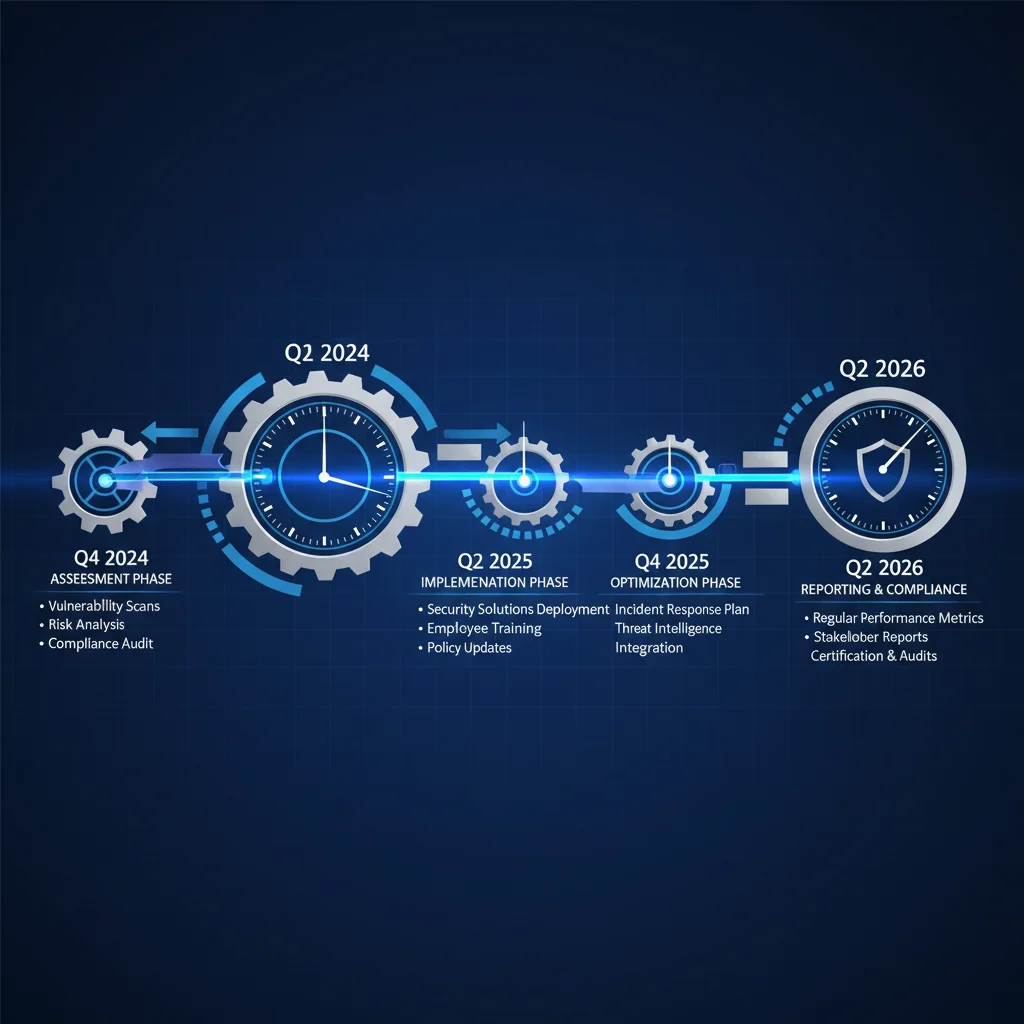
The Q2 2026 timeframe is particularly relevant as organizations continue to mature their capabilities to meet these ongoing requirements. While initial incident reporting began in late 2023, the continuous nature of the periodic disclosures and the need for refined, efficient incident response and materiality determination processes mean that Q2 2026 represents a crucial benchmark for operationalizing these new standards effectively. Organizations that haven’t fully integrated these requirements into their corporate governance and incident response plans by then will likely face significant challenges.
Beyond the SEC: Other Key Cybersecurity Reporting Requirements
While the SEC rules for publicly traded companies are a significant development, it’s crucial for US organizations to understand that the regulatory landscape for cybersecurity reporting extends beyond just public entities. Various sectors and federal agencies have their own specific requirements, and these often interact with or serve as a baseline for broader expectations. Compliance with one set of rules does not necessarily guarantee compliance with all, necessitating a holistic approach to cybersecurity governance.
Sector-Specific Regulations
- Healthcare (HIPAA/HITECH): The Health Insurance Portability and Accountability Act (HIPAA) and the Health Information Technology for Economic and Clinical Health (HITECH) Act mandate strict rules for protecting Protected Health Information (PHI). Breaches of unsecured PHI affecting 500 or more individuals must be reported to the Secretary of HHS, affected individuals, and potentially media outlets within 60 days of discovery. Smaller breaches have different notification requirements.
- Financial Services (GLBA, NYDFS, etc.): The Gramm-Leach-Bliley Act (GLBA) requires financial institutions to explain their information-sharing practices to customers and to safeguard sensitive data. State-level regulations, such as the New York Department of Financial Services (NYDFS) Cybersecurity Regulation (23 NYCRR Part 500), impose specific requirements for financial institutions operating in New York, including mandatory incident reporting within 72 hours for certain events.
- Critical Infrastructure (CISA, NIST): The Cybersecurity and Infrastructure Security Agency (CISA) plays a vital role in protecting critical infrastructure. While CISA’s reporting requirements have historically been less prescriptive than the SEC’s for all incidents, the Cyber Incident Reporting for Critical Infrastructure Act of 2022 (CIRCIA) is set to establish new mandatory incident reporting requirements for critical infrastructure entities. These rules are still being developed but will likely mandate reporting of significant cyber incidents and ransomware payments to CISA within specific timeframes. NIST (National Institute of Standards and Technology) frameworks, while voluntary, are widely adopted and often form the basis for compliance with other regulations.
- State Data Breach Notification Laws: Almost all US states have their own data breach notification laws, which dictate when and how organizations must notify affected individuals and state attorneys general or other agencies following a breach involving personal information. These laws vary significantly in terms of notification timelines, definitions of personal information, and exceptions.
- Payment Card Industry Data Security Standard (PCI DSS): While not a government regulation, PCI DSS is a mandatory security standard for all entities that store, process, or transmit cardholder data. It includes requirements for incident response and notification to card brands and acquiring banks in the event of a breach.
The Interplay of Regulations
The proliferation of these diverse cybersecurity reporting requirements means that many US organizations, especially those operating across multiple sectors or states, must navigate a complex web of obligations. An incident that triggers SEC disclosure might also necessitate reporting under HIPAA, various state laws, and potentially CISA guidelines if it affects critical infrastructure. This complexity underscores the need for a unified, adaptable incident response plan that can address the varied timelines, information requirements, and notification channels of different regulatory bodies.
Furthermore, while the SEC rules primarily target public companies, their emphasis on robust cybersecurity governance and risk management sets a new standard that private companies and non-profits would be wise to emulate. Adopting similar best practices can enhance an organization’s security posture, improve investor and partner confidence, and potentially ease future compliance burdens as regulations continue to expand.
Preparing for Q2 2026: Actionable Strategies for US Organizations
The approach of Q2 2026 is not just a deadline; it’s an opportunity for US organizations to re-evaluate and strengthen their entire cybersecurity posture. Proactive preparation is key to navigating the new cybersecurity reporting requirements successfully, mitigating risks, and building a more resilient enterprise. Here are actionable strategies to consider:
1. Enhance Incident Response Planning and Capabilities
- Develop a Robust Incident Response Plan (IRP): Review and update your IRP to explicitly incorporate the new reporting requirements, especially the four-day SEC disclosure timeline. This plan should detail roles, responsibilities, communication protocols, and decision-making processes for materiality determinations.
- Practice with Tabletop Exercises: Regularly conduct realistic tabletop exercises and simulations of cyber incidents. These exercises should involve not only technical teams but also legal, communications, finance, and executive leadership to practice the full reporting lifecycle, including materiality assessment and disclosure drafting.
- Automate Where Possible: Invest in Security Orchestration, Automation, and Response (SOAR) platforms or similar tools to streamline incident detection, analysis, and initial response, reducing the time to identify and contain incidents.
2. Strengthen Cybersecurity Governance and Oversight
- Board-Level Engagement: Ensure your board of directors has adequate expertise in cybersecurity or access to external expertise. They must understand the organization’s cyber risks, risk management strategy, and the implications of the new reporting requirements. Regular, detailed briefings for the board are essential.
- Clear Management Roles: Define clear roles and responsibilities for management in assessing and managing cybersecurity risks. This includes establishing a Chief Information Security Officer (CISO) or equivalent role with appropriate authority and direct reporting lines to senior leadership and the board.
- Integrate Risk Management: Embed cybersecurity risk management into the organization’s overall enterprise risk management (ERM) framework. This ensures that cyber risks are considered alongside other business risks and are prioritized appropriately.
3. Refine Materiality Determination Processes
- Establish a Cross-Functional Committee: Form a committee comprising legal, finance, IT/security, and executive members to make timely and informed materiality determinations. This committee should have a predefined process and criteria for assessing the impact of a cyber incident.
- Develop Materiality Guidelines: Create internal guidelines and thresholds for what constitutes a material cybersecurity incident, considering both quantitative (e.g., financial impact) and qualitative (e.g., reputational damage, operational disruption) factors.
- Seek Legal Counsel: Engage experienced legal counsel specializing in cybersecurity and SEC regulations to assist with materiality determinations and ensure compliance with disclosure obligations.
4. Enhance Disclosure Controls and Procedures
- Review and Update Controls: Evaluate and update your disclosure controls and procedures to ensure they are sufficient to gather, analyze, and disclose information about material cybersecurity incidents in a timely manner.
- Internal Communication Channels: Establish clear and efficient internal communication channels to ensure that relevant information about a cyber incident reaches the appropriate decision-makers and disclosure teams quickly.
- Documentation: Maintain thorough documentation of all cybersecurity incidents, including the assessment process, materiality determinations, and disclosure decisions. This documentation will be crucial for demonstrating compliance.
5. Invest in Technology and Training
- Advanced Threat Detection: Deploy and continuously update advanced security technologies such as Endpoint Detection and Response (EDR), Security Information and Event Management (SIEM), and Network Detection and Response (NDR) to improve threat visibility and detection capabilities.
- Employee Training: Conduct regular cybersecurity awareness training for all employees, emphasizing their role in identifying and reporting suspicious activities. Specialized training should be provided to incident response teams and those involved in disclosure processes.
- Third-Party Risk Management: Assess and manage cybersecurity risks associated with third-party vendors and supply chain partners, as incidents originating from these sources can also trigger reporting obligations.
By implementing these strategies, US organizations can move beyond mere compliance to build a proactive and resilient cybersecurity program that not only meets the new cybersecurity reporting requirements but also effectively protects against an ever-evolving threat landscape. The Q2 2026 deadline should serve as a catalyst for comprehensive improvement, not just a scramble for last-minute adherence.

The Broader Implications for US Organizations
The new cybersecurity reporting requirements, particularly those from the SEC, are more than just an administrative burden; they represent a fundamental shift in how US organizations must perceive, manage, and communicate their cybersecurity posture. The implications extend far beyond direct compliance, influencing everything from investor relations to competitive advantage and long-term organizational resilience.
Increased Scrutiny and Accountability
One of the most significant implications is the heightened level of scrutiny organizations will face. Investors, customers, and regulators will have more consistent and timely information regarding cyber incidents and an organization’s approach to cybersecurity risk. This increased transparency will naturally lead to greater accountability for boards and executive management. Poor cybersecurity governance or a pattern of recurring, material incidents could negatively impact stock prices, credit ratings, and overall market confidence.
Impact on Investor Relations and Valuation
For publicly traded companies, effective communication about cybersecurity risks and incidents will become an integral part of investor relations. Companies that demonstrate robust cybersecurity programs, clear governance structures, and transparent (yet strategic) incident reporting may be viewed more favorably by investors. Conversely, companies perceived as having weak controls or poor disclosure practices could see their valuations suffer, as cybersecurity risk becomes a more prominent factor in investment decisions.
Competitive Advantage and Reputation
Adherence to and proactive engagement with the new cybersecurity reporting requirements can transform a potential compliance headache into a competitive advantage. Organizations that openly and competently manage their cybersecurity risks and respond effectively to incidents will build greater trust with customers, partners, and the public. In an era where data privacy and security are paramount, a strong cybersecurity reputation can differentiate a business in the marketplace. Conversely, mishandling disclosures or demonstrating a lack of preparedness can severely damage an organization’s brand and reputation, leading to customer churn and loss of market share.
Operational and Financial Impact
The requirements necessitate significant operational adjustments. Organizations must invest in technology, personnel, and processes to meet the rapid four-day disclosure timeline. This includes enhancing threat detection, incident response, forensic capabilities, and legal counsel. The financial impact extends beyond direct compliance costs, encompassing potential fines for non-compliance, legal fees, reputational damage, and the direct costs associated with remediating a cyberattack. However, proactive investment in cybersecurity can ultimately lead to cost savings by reducing the likelihood and severity of breaches.
Supply Chain and Third-Party Risk
The new rules also implicitly elevate the importance of supply chain cybersecurity. A material incident originating from a third-party vendor could still trigger an organization’s reporting obligations. This means organizations must extend their cybersecurity due diligence and risk management practices to their entire ecosystem of partners, suppliers, and service providers. Contracts will likely need to be updated to include more stringent cybersecurity clauses and reporting obligations for vendors.
A Catalyst for Cybersecurity Maturity
Ultimately, these cybersecurity reporting requirements serve as a powerful catalyst for improving overall cybersecurity maturity across US organizations. They force businesses to move beyond a reactive stance to a more proactive, risk-based approach. By demanding better governance, clearer strategies, and faster incident response, the regulations push organizations towards building more resilient and secure digital environments. For those that embrace this challenge, Q2 2026 will not just be a deadline, but a milestone in their journey towards enhanced security and sustained success in an increasingly digital world.
Conclusion: Navigating the Future of Cybersecurity Compliance
The landscape of cybersecurity is in perpetual motion, and the recent updates to cybersecurity reporting requirements for US organizations underscore the critical need for adaptability and foresight. The Q2 2026 deadline for public companies, driven by SEC mandates, serves as a significant benchmark, demanding not only vigilance but also a fundamental re-evaluation of current practices. However, as we’ve explored, the regulatory imperative extends far beyond publicly traded entities, touching upon various sectors and state-specific laws, creating a complex but navigable web of obligations.
For US organizations, the path forward is clear: proactive engagement and strategic investment are no longer optional but essential. This involves building an incident response plan that is not just technically sound but also legally compliant and strategically communicative. It means elevating cybersecurity to a board-level discussion, integrating it into the core fabric of enterprise risk management, and fostering a culture of security awareness throughout the organization.
The challenge of meeting these new cybersecurity reporting requirements is substantial, but so are the rewards of successful implementation. Beyond avoiding penalties and fines, robust compliance builds trust with investors, protects brand reputation, and strengthens an organization’s competitive standing. It transforms a potential vulnerability into a source of resilience, ensuring that when the inevitable cyber incident occurs, your organization is prepared not just to respond, but to report transparently and recover effectively.
As Q2 2026 rapidly approaches, organizations that commit to understanding these new rules, investing in the necessary resources, and continuously refining their cybersecurity posture will be best positioned to thrive in this new era of enhanced cybersecurity accountability. The future demands not just secure systems, but also transparent and responsible reporting. Embrace these changes, and your organization will be well-equipped to navigate the evolving digital frontier with confidence.