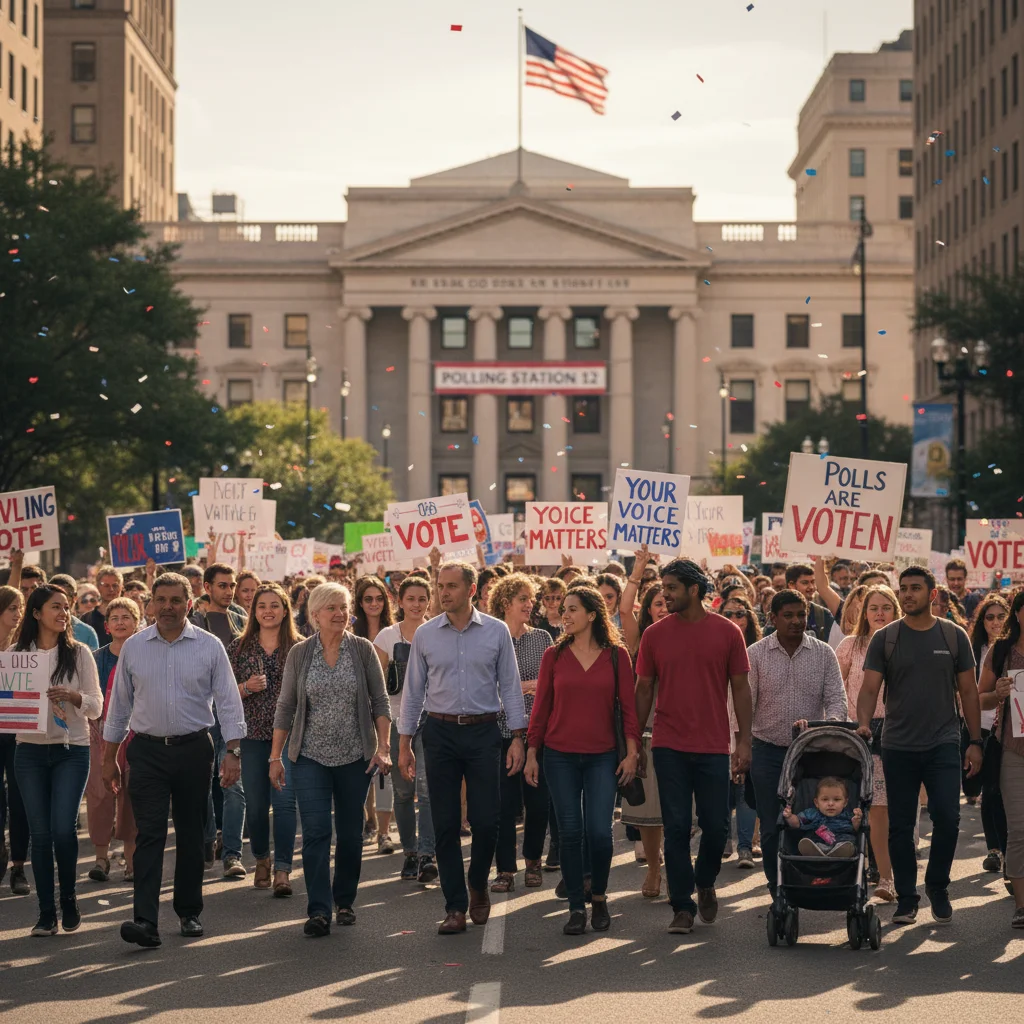
The bedrock of any vibrant democracy lies in the active participation of its citizens. In the United States, voter turnout, while often fluctuating, remains a perennial subject of intense scrutiny and debate. Beyond the immediate results of an election, the very act of voting reflects the health and engagement of a society. As we look towards future elections, a critical question arises: how might voter turnout in the US shift, potentially by a significant 5-10%? This is not merely a hypothetical exercise; it is an exploration of the forces – demographic, technological, policy-driven, and cultural – that are actively reshaping the American electorate. Understanding these “voter turnout shifts” provides invaluable insight into the evolving landscape of American politics and civic engagement.
The concept of “voter turnout shifts” encompasses a complex interplay of factors. A 5-10% shift, whether upwards or downwards, represents millions of votes and can dramatically alter election outcomes, policy priorities, and even the fundamental direction of the nation. Such a movement is not easily achieved, nor is it the result of a single cause. Instead, it is the culmination of trends that have been developing over years, sometimes decades, and are now reaching a critical inflection point. From the increasing political mobilization of younger generations to the ongoing debates surrounding voting access, from the pervasive influence of social media to the strategic efforts of political parties and grassroots organizations, every element contributes to the potential for significant changes in who votes and why.
This comprehensive analysis will delve into these intricate dynamics, offering an insider’s perspective on the factors most likely to drive substantial “voter turnout shifts”. We will examine recent updates in election laws, the impact of evolving communication strategies, the long-term effects of demographic changes, and the role of pressing national issues in galvanizing or discouraging participation. By understanding these trends, we can better anticipate the future of American democracy and the imperative of fostering a more engaged and representative electorate. The goal is not just to predict, but to understand the mechanisms that could lead to these pivotal shifts, and what they might mean for the future of the republic.
Demographic Tides: The Shifting Face of the Electorate and Voter Turnout Shifts
Demography is destiny, as the saying goes, and nowhere is this more evident than in the realm of electoral politics. The United States is a nation in constant demographic flux, and these changes are perhaps the most fundamental drivers of long-term “voter turnout shifts”. Understanding the evolving composition of the American population – particularly in terms of age, ethnicity, and geographic distribution – is crucial for anticipating how participation rates might change.
Youth Engagement: A Sleeping Giant Awakening?
Historically, younger generations (18-29 years old) have exhibited lower voter turnout rates compared to their older counterparts. However, there are compelling signs that this trend may be reversing, or at least becoming more volatile. Recent election cycles have seen spikes in youth participation, often driven by specific issues such as climate change, gun control, student debt, and social justice. The digital natives of Gen Z and younger millennials are incredibly adept at organizing and mobilizing through online platforms, transforming digital activism into real-world political action. If this increased engagement translates consistently into higher voting rates, even a modest increase of 5-10% among this demographic could significantly impact overall “voter turnout shifts”.
- Issue-Based Mobilization: Young voters are highly responsive to candidates and parties that address their core concerns directly. Issues like climate change and economic inequality resonate deeply and can serve as powerful motivators to register and vote.
- Digital Organizing: Social media is not just for entertainment; it’s a potent tool for political education, mobilization, and peer-to-peer encouragement. Campaigns that effectively leverage platforms like TikTok, Instagram, and YouTube can reach and energize young voters in unprecedented ways.
- Generational Identity: A growing sense of collective identity and shared experiences, distinct from older generations, may be fostering a stronger desire among young people to shape their future through political participation.
The Power of Diverse Electorates: Racial and Ethnic Shifts
The US is becoming increasingly diverse, with Hispanic, Asian, and other minority populations growing at faster rates than the non-Hispanic white population. These demographic changes have profound implications for “voter turnout shifts”. While some minority groups have historically faced barriers to voting, there is also evidence of increasing political mobilization and growing electoral power.
- Hispanic Electorate: The Hispanic population is the largest and fastest-growing minority group in the US. Their voting patterns are diverse, but targeted outreach, culturally relevant messaging, and community organizing can unlock significant participation potential. An increase in registration and turnout among Hispanic voters could be a major factor in battleground states.
- Asian American and Pacific Islander (AAPI) Voters: The AAPI community is also a rapidly expanding and increasingly influential political force. Often overlooked, their diverse backgrounds and concerns make them a complex but vital demographic. Efforts to engage AAPI voters, particularly in states with significant populations, could lead to notable “voter turnout shifts”.
- African American Voters: African American voters have consistently shown high levels of political engagement, especially in presidential elections. While facing ongoing challenges, their collective political power and historical commitment to civil rights continue to make them a crucial bloc. Any efforts to suppress or enhance their turnout will have immediate and significant consequences.
Urbanization and Suburbanization: Geographic Concentration and Dispersion
Population shifts from rural to urban and suburban areas also play a role in “voter turnout shifts”. Urban areas often have higher concentrations of younger, more diverse, and often more liberal voters, while suburban areas can be more politically heterogeneous and swing-prone. Rural areas tend to be older, less diverse, and more conservative.
- Urban Core: High population density in urban centers can facilitate voter registration drives and get-out-the-vote efforts, potentially boosting turnout.
- Suburban Battlegrounds: The political leanings of suburban voters are often more fluid, making them key targets for campaigns. Shifts in suburban turnout can be decisive.
- Rural Decline: While rural communities remain politically significant, declining populations in some areas might lead to localized “voter turnout shifts” that could be offset by growth elsewhere.
In summary, the evolving demographics of the US are not just statistical curiosities; they are active forces shaping the future of American elections. Campaigns and policymakers who ignore these demographic tides do so at their peril. Strategic engagement with these diverse and dynamic populations holds the key to understanding and influencing future “voter turnout shifts”.
Technological Innovations & Digital Engagement: Reshaping How We Vote and Mobilize
The digital revolution has permeated nearly every aspect of modern life, and civic engagement is no exception. Technology is not only changing the way campaigns communicate with voters but also influencing the very mechanisms of voting and the dynamics of political mobilization. These technological advancements present both immense opportunities and significant challenges for “voter turnout shifts”.
Social Media and Micro-Targeting: From Disinformation to Mobilization
Social media platforms have become indispensable tools for political campaigns. They allow for unprecedented levels of micro-targeting, enabling campaigns to deliver highly personalized messages to specific segments of the electorate. This can be a double-edged sword: effective micro-targeting can motivate previously disengaged voters, but it also creates avenues for misinformation and echo chambers.
- Personalized Outreach: Data analytics and AI-driven tools allow campaigns to identify potential voters based on their online behavior, demographics, and interests. Tailored messages can address specific concerns, making the political process feel more relevant to individuals.
- Peer-to-Peer Mobilization: Social networks facilitate organic, peer-to-peer mobilization. Friends and family encouraging each other to vote, share information, and discuss political issues can be more influential than traditional advertising.
- Challenges of Disinformation: The ease with which information spreads online also makes it fertile ground for disinformation and malinformation, which can suppress turnout by confusing voters or eroding trust in the electoral process. Addressing this challenge is critical for healthy “voter turnout shifts”.
Online Voter Registration and Digital Tools: Reducing Barriers
One of the most significant technological advancements for increasing voter access has been the widespread adoption of online voter registration. Coupled with other digital tools, this has the potential to significantly reduce barriers to participation.
- Ease of Registration: Online registration simplifies the process, making it accessible 24/7 from any device. This is particularly beneficial for younger, digitally native populations and those with busy schedules.
- Voter Information Portals: Many states now offer online portals where citizens can check their registration status, find their polling place, view sample ballots, and even track their absentee ballot. This transparency and convenience can boost confidence and participation.
- Mobile Apps and Reminders: Political organizations and non-profits are increasingly using mobile apps and SMS campaigns to send voting reminders, provide election information, and facilitate voter registration. These direct communication channels can be highly effective in driving “voter turnout shifts”.
The Future of Voting Technology: Electronic Balloting and Cybersecurity Concerns
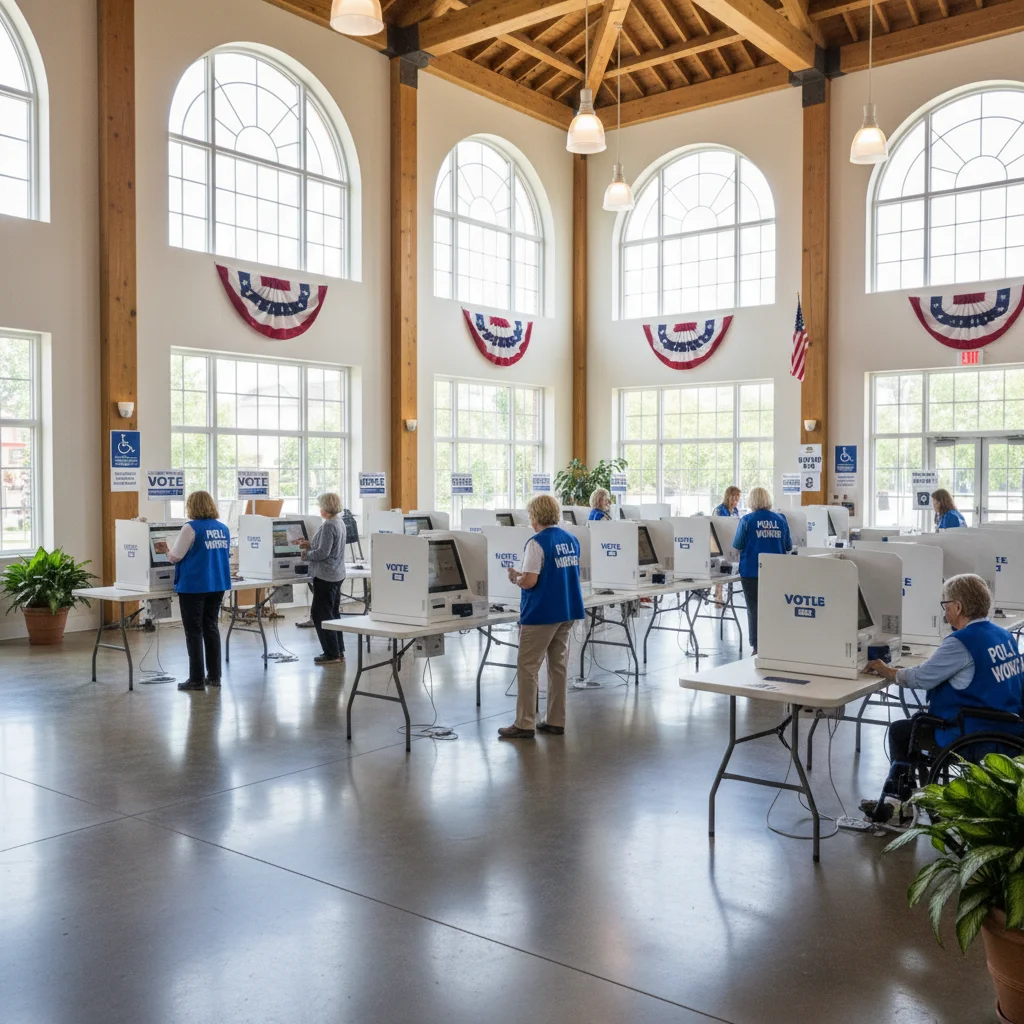
While online registration is common, the actual casting of ballots electronically is still a contentious issue. Debates around electronic voting machines and the potential for secure online voting continue. Any move towards more widespread electronic balloting would have profound implications for “voter turnout shifts”.
- Accessibility: Electronic voting could potentially make voting more accessible for individuals with disabilities or those living abroad.
- Convenience: The ultimate convenience of voting from home or anywhere with an internet connection could dramatically increase participation rates.
- Cybersecurity Risks: However, concerns about cybersecurity, hacking, and the integrity of online votes remain paramount. Ensuring trust and security is a prerequisite for widespread adoption.
The impact of technology on “voter turnout shifts” is multifaceted. While it offers powerful tools for engagement and convenience, it also introduces complexities related to information integrity and electoral security. The net effect will depend on how effectively these tools are leveraged for positive civic engagement and how robustly the challenges are addressed.
Policy Reforms and Electoral Access: The Legislative Impact on Participation
Beyond demographics and technology, government policy plays a direct and often immediate role in shaping “voter turnout shifts”. Election laws, voting procedures, and registration requirements can either facilitate or hinder participation, leading to significant fluctuations in who casts a ballot.
Automatic Voter Registration (AVR) and Same-Day Registration (SDR)
Two of the most impactful policy reforms aimed at increasing voter access are Automatic Voter Registration (AVR) and Same-Day Registration (SDR). These policies have demonstrably increased turnout in states where they’ve been implemented.
- Automatic Voter Registration (AVR): When eligible citizens interact with government agencies (like the DMV), they are automatically registered to vote unless they opt out. This “opt-out” system dramatically increases registration rates by removing the burden from the individual. States with AVR have seen significant increases in their voter rolls, which can translate into higher “voter turnout shifts” over time.
- Same-Day Registration (SDR): SDR allows eligible citizens to register and vote on the same day, typically at their polling place, even on Election Day itself. This policy is particularly effective at capturing last-minute voters who might have missed registration deadlines or those who become newly eligible. Research consistently shows that SDR boosts turnout, especially among younger voters.
Early Voting and Vote-by-Mail (VBM): Expanding Convenience
The expansion of early voting options and vote-by-mail systems has fundamentally altered how and when Americans cast their ballots. These policies prioritize convenience and flexibility, often leading to increased participation.
- Early In-Person Voting: Allowing voters to cast ballots at designated locations weeks before Election Day reduces long lines and provides flexibility for those with work or family commitments. This can alleviate congestion on Election Day and make voting more feasible for many.
- Vote-by-Mail (VBM): Universal vote-by-mail, where every registered voter automatically receives a ballot in the mail, has been shown to significantly increase turnout. The COVID-19 pandemic accelerated the adoption of VBM in many states, and its continued expansion could drive substantial “voter turnout shifts”. Even states with optional absentee voting tend to see higher turnout when voters take advantage of it.
- Drop Boxes: As an adjunct to VBM, the provision of secure ballot drop boxes offers a convenient and accessible way for voters to return their ballots, bypassing postal service issues or long lines at polling places.
Voter ID Laws and Purges: Restricting Access
On the other side of the spectrum, certain policies can act as barriers to voting, potentially leading to negative “voter turnout shifts”.
- Strict Voter ID Laws: Requirements for specific forms of photo identification can disproportionately affect minority voters, low-income individuals, and students who may not possess the required IDs. While proponents argue for security, critics highlight the disenfranchising effect.
- Voter Roll Purges: Aggressive or inaccurate purging of voter rolls can inadvertently remove eligible voters, forcing them to re-register or cast provisional ballots, which can be confusing and discouraging.
- Felon Disenfranchisement: Laws regarding the voting rights of individuals with felony convictions vary widely by state. In some states, felons are permanently disenfranchised, while in others, their rights are restored after release or completion of parole. Changes in these laws can have a significant impact on “voter turnout shifts”, particularly among certain demographic groups.
The legislative arena is a constant battleground over electoral access. The ongoing push and pull between policies designed to expand the franchise and those that aim to restrict it will continue to be a primary determinant of future “voter turnout shifts”. A consistent trend towards more accessible voting methods could easily lead to the predicted 5-10% increase, while a wave of restrictive measures could just as easily cause a decline.
The Role of National Issues and Political Polarization in Voter Turnout Shifts
Beyond the structural factors of demographics, technology, and policy, the prevailing political climate and the salience of national issues play a crucial role in motivating or demotivating voters. In an era of heightened political polarization, the stakes often feel higher, leading to intensified engagement from some segments of the population and potential fatigue or alienation from others, all contributing to “voter turnout shifts”.
High-Stakes Elections and Issue Salience
When voters perceive an election as particularly critical – whether due to an unpopular incumbent, a highly contentious policy debate, or a perceived threat to democratic norms – turnout tends to be higher. Issues that directly impact people’s lives, such as economic stability, healthcare access, reproductive rights, or climate change, can be powerful motivators.
- Economic Conditions: Economic booms or downturns often correlate with voter sentiment and turnout. A struggling economy can galvanize voters seeking change, while a robust economy might lead to complacency or satisfaction.
- Social and Cultural Issues: Debates over abortion rights, LGBTQ+ rights, gun control, and racial justice have a profound impact on segments of the electorate, driving both passionate support and fierce opposition, thereby influencing “voter turnout shifts”.
- Threats to Democracy: Concerns about the integrity of elections, challenges to democratic institutions, or the rise of authoritarian tendencies can act as a powerful mobilizer for voters who feel their fundamental rights or system of governance are at stake.
Political Polarization and Its Dual Impact
The increasing political polarization in the US has a complex and often contradictory effect on voter turnout. It can energize dedicated partisans while simultaneously alienating moderates or those who feel unrepresented by the two major parties.
- Increased Partisan Turnout: Highly polarized environments often lead to higher turnout among core supporters of both major parties. When the ideological divide is stark, voters feel a greater imperative to support their side and prevent the other from gaining power. This often contributes to significant “voter turnout shifts” within partisan groups.
- Voter Fatigue and Alienation: Conversely, extreme polarization can lead to voter fatigue, cynicism, and a sense of helplessness among those who feel that their vote doesn’t matter or that politics has become too toxic. This can result in lower turnout among independents or those who are less ideologically committed.
- Impact on Swing Voters: The behavior of swing voters – those who are not reliably partisan – is particularly sensitive to the overall political climate. If they feel their concerns are being addressed, they may turn out; if they feel ignored or turned off by the rhetoric, they may stay home.
Campaign Strategies and Mobilization Efforts
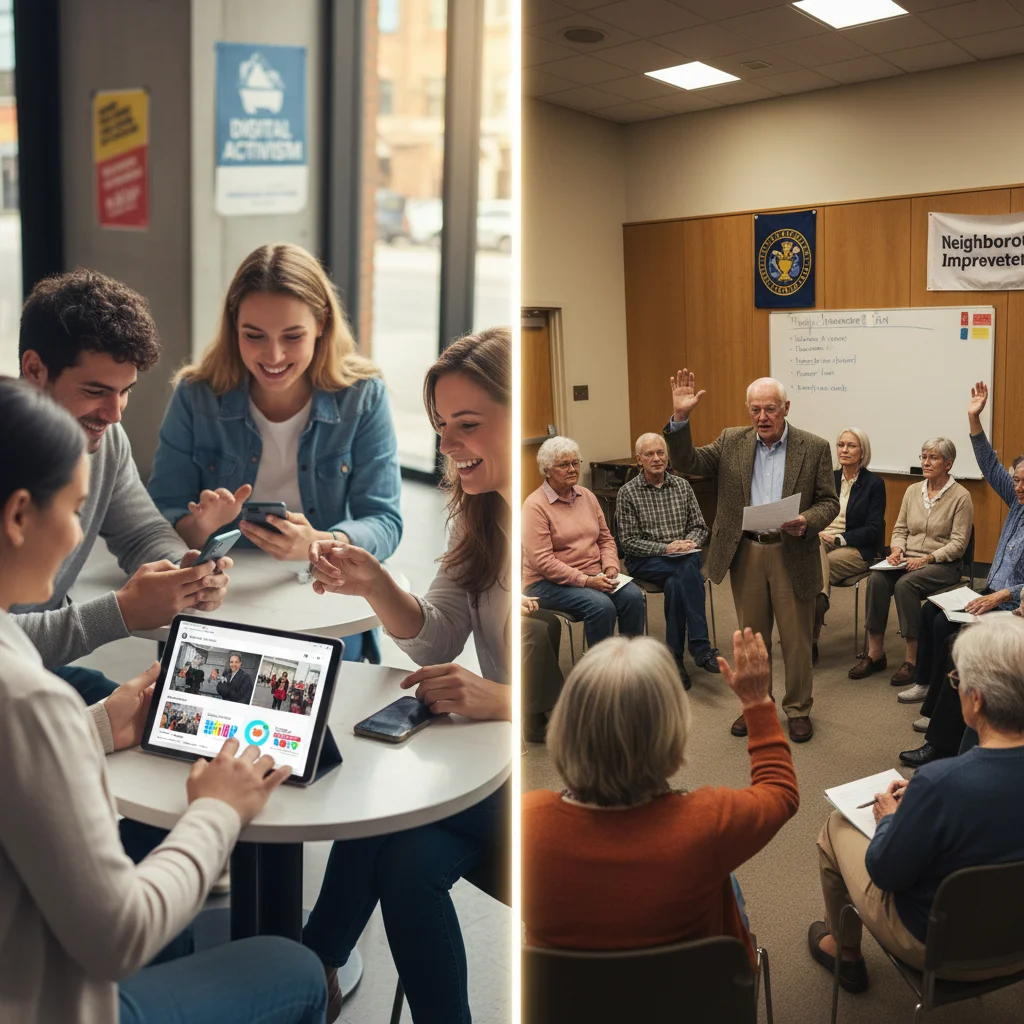
The effectiveness of campaign strategies and grassroots mobilization efforts cannot be overstated. Well-funded, organized campaigns can significantly impact “voter turnout shifts” by identifying, persuading, and getting out the vote among their supporters.
- Ground Game: Traditional door-knocking, phone banking, and community organizing remain vital for connecting with voters and ensuring they have a plan to vote.
- Data-Driven Targeting: Sophisticated data analytics allow campaigns to pinpoint potential voters, understand their motivations, and tailor messages to maximize their likelihood of voting.
- Coalition Building: Successful campaigns often build broad coalitions of diverse groups, uniting them around common goals and leveraging their respective networks for mobilization.
The interplay of national issues, political polarization, and campaign effectiveness creates a dynamic environment that can lead to significant “voter turnout shifts”. Understanding these forces is essential for predicting the ebb and flow of democratic participation.
The Insider Knowledge: Predicting a 5-10% Shift in Voter Turnout
Based on the comprehensive analysis of demographic trends, technological innovations, policy reforms, and the prevailing political climate, it is plausible, and perhaps even probable, that the United States could experience a 5-10% “voter turnout shift” in future elections. This range is significant enough to alter the political landscape fundamentally. The direction of this shift – whether an increase or a decrease – will depend on a delicate balance of these interacting forces.
Factors Pushing Towards Increased Turnout (The “+5-10%” Scenario)
Several converging factors suggest a potential for increased voter participation:
- Youth Mobilization: The sustained engagement of Gen Z and younger millennials, driven by pressing issues like climate change and social justice, could translate into higher, more consistent turnout rates. Their digital fluency makes them easier to reach and mobilize.
- Expanded Access Policies: A continued trend towards policies like Automatic Voter Registration (AVR), Same-Day Registration (SDR), universal Vote-by-Mail (VBM), and early voting would systematically lower barriers to participation for millions of Americans. Many states are still adopting or expanding these measures, and their full impact is yet to be realized.
- Growing Diverse Electorate: As minority populations grow and become more politically organized, their collective power will inevitably lead to increased participation, especially if campaigns invest in culturally competent outreach.
- High-Stakes Political Environment: The current era of intense political polarization and perceived threats to democratic norms often galvanizes voters on both sides of the spectrum. If national elections continue to be framed as existential choices, turnout is likely to remain elevated.
- Effective Digital Tools: As campaigns become more sophisticated in using data and AI for micro-targeting and personalized outreach, they can more effectively identify and motivate previously disengaged voters.
If these pro-turnout forces align – particularly sustained youth energy, widespread adoption of voter-friendly policies, and effective minority outreach – a 5-10% increase in overall voter turnout is a very real possibility. This would represent millions more Americans participating in their democracy, potentially leading to more representative outcomes and a stronger mandate for elected officials.
Factors Pushing Towards Decreased Turnout (The “-5-10%” Scenario)
Conversely, a different set of circumstances could lead to a decline in voter participation:
- Voter Fatigue and Cynicism: Persistent political polarization, gridlock, and the perception that politics is ineffective or corrupt could lead to widespread voter fatigue and cynicism, especially among independents and less ideologically committed voters.
- Restrictive Voting Laws: A concerted effort to pass and implement stricter voter ID laws, more aggressive voter roll purges, or limitations on early voting and VBM could significantly suppress turnout, particularly among vulnerable populations.
- Disinformation and Erosion of Trust: The continued spread of misinformation and disinformation, coupled with attacks on the legitimacy of elections, could erode public trust in the electoral process, leading some to believe their vote doesn’t matter.
- Lack of Salient Issues or Uninspiring Candidates: While polarization often boosts turnout, an election perceived as lacking critical issues or featuring uninspiring candidates could lead to lower engagement, particularly in non-presidential years.
- Economic Hardship Without Clear Solutions: If economic hardship persists without clear political solutions, it could lead to disengagement rather than mobilization, as some individuals prioritize immediate survival over political participation.
Should these anti-turnout forces gain significant traction – especially widespread voter suppression efforts, pervasive cynicism, and a decline in public trust – a 5-10% decrease in voter turnout is also a stark possibility. Such a decline would raise serious questions about the representativeness and legitimacy of election outcomes.
The “Insider Knowledge” Perspective
From an insider’s perspective, the current trajectory seems to lean slightly more towards an increase in “voter turnout shifts”, albeit with significant regional variations. The enduring impact of youth activism, combined with the continued expansion of accessible voting methods in many states, provides a strong foundation for higher participation. However, the intensity of the political environment and the ongoing debates over election integrity mean that the potential for both upward and downward shifts remains high. The decisive factor will often be the effectiveness of grassroots organizations and political campaigns in mobilizing their target demographics, as well as the judiciary’s role in upholding or striking down voting rights legislation.
Ultimately, a 5-10% shift is not a foregone conclusion but rather a highly probable outcome influenced by dynamic forces. Political actors, policymakers, and civic organizations all have a role to play in shaping whether this shift leads to a more engaged and inclusive democracy or a more alienated and disenfranchised electorate.
Conclusion: Navigating the Future of American Democracy Through Voter Turnout Shifts
The prospect of a 5-10% “voter turnout shift” in future US elections is more than a statistical anomaly; it represents a significant inflection point in American democracy. Such a movement, whether an increase or a decrease, would fundamentally alter the composition of the electorate, influence policy directions, and reshape the political landscape for years to come. Our exploration has revealed that this potential shift is not driven by a single factor, but by a complex, interconnected web of demographic changes, technological advancements, legislative decisions, and the prevailing political climate.
Demographic tides, particularly the rising political consciousness of younger generations and the growing electoral power of diverse communities, present a powerful force for increased participation. These groups, often motivated by specific issues and adept at digital mobilization, could inject new energy into the electoral process. Simultaneously, technological innovations, from online voter registration to sophisticated data analytics, offer unprecedented tools for simplifying access and targeting outreach, potentially overcoming traditional barriers to voting.
However, the impact of these positive forces is continuously balanced by counteracting elements. Restrictive voting policies, such as stringent voter ID laws and aggressive purges of voter rolls, pose significant threats to electoral access. Furthermore, the pervasive spread of disinformation and the erosion of trust in democratic institutions could lead to widespread voter fatigue and cynicism, discouraging participation. The highly polarized political environment, while capable of galvanizing core supporters, also risks alienating broader segments of the population who feel unrepresented or overwhelmed by the constant political strife.
The “insider knowledge” suggests that the momentum for increased turnout, propelled by demographic shifts and expanding access in many states, might slightly outweigh the forces of suppression and disillusionment. However, this is a delicate balance, and the margin of error is slim. The future of “voter turnout shifts” will largely depend on the ongoing battle between efforts to expand and protect voting rights versus attempts to restrict them. It will also hinge on the ability of political leaders and civic organizations to inspire, educate, and mobilize citizens, fostering a sense of shared responsibility for the democratic process.
As we move forward, understanding these dynamics is not merely an academic exercise; it is an imperative for anyone invested in the health and vitality of American democracy. Whether the next decade sees a substantial increase or decrease in voter participation, the underlying trends discussed here will continue to shape the contours of our political future. The call to action is clear: sustained vigilance, proactive policy-making, and dedicated civic engagement are essential to ensure that future “voter turnout shifts” contribute to a more inclusive, representative, and robust democratic society.