The Great Resignation’s 2026 Evolution: 5 New Workforce Trends Shaping American Employment
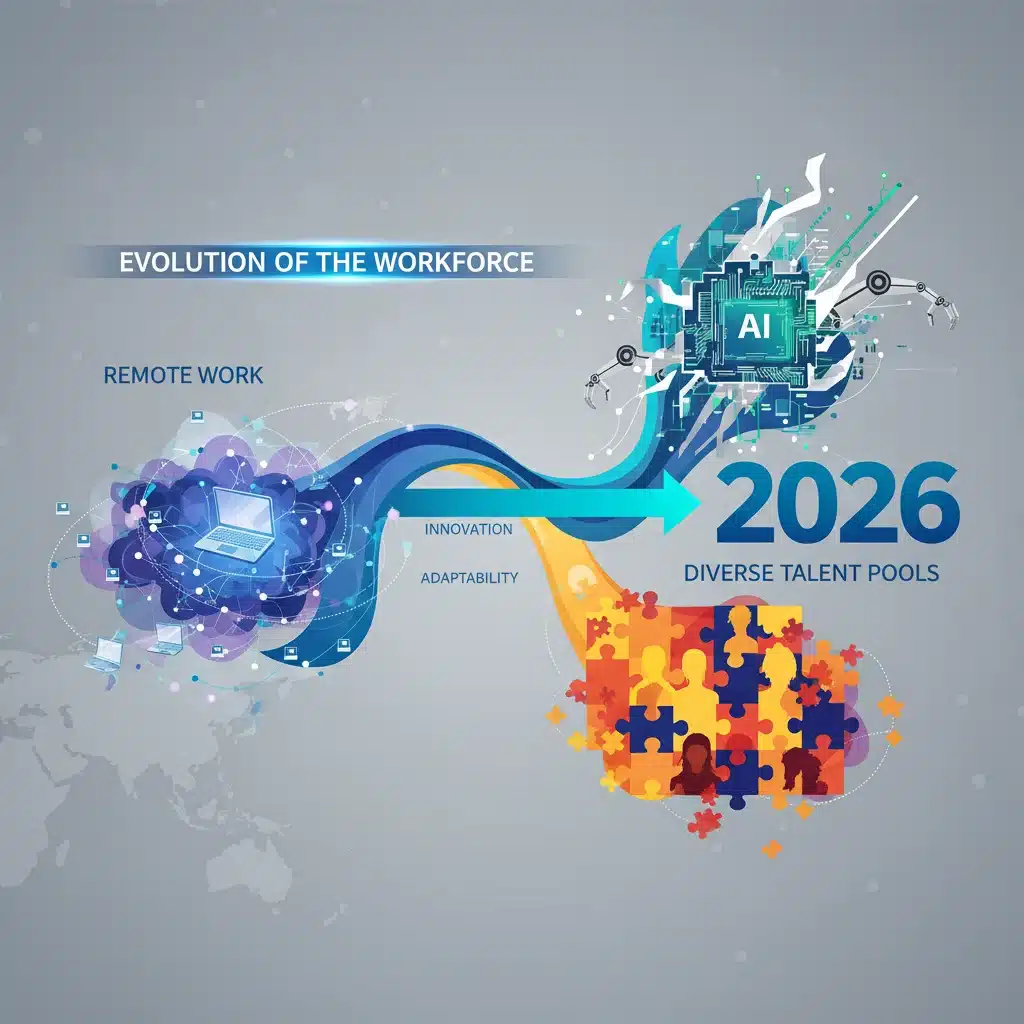
The American employment landscape has been in a state of flux since the onset of the Great Resignation, a seismic shift that recalibrated priorities for millions of workers and forced organizations to rethink traditional employment models. What began as a mass exodus from conventional jobs has since evolved, transforming into a nuanced and multifaceted redefinition of work itself. As we look towards 2026, the ripple effects of this monumental period continue to shape profound workforce trends 2026, creating both challenges and unprecedented opportunities for businesses and employees alike.
The initial shockwaves of the Great Resignation prompted a widespread re-evaluation of work-life balance, compensation, company culture, and career trajectories. Employees, empowered by a tight labor market and a newfound appreciation for personal well-being, demanded more from their employers. This wasn’t merely about quitting; it was about seeking better alignment between personal values and professional endeavors. Now, as the dust settles, we’re witnessing the emergence of more stable, yet profoundly different, patterns that will define the American workforce for years to come. Understanding these workforce trends 2026 is not just strategic; it’s essential for survival and growth in an increasingly competitive and dynamic market.
This article delves into five pivotal workforce trends 2026 that are currently reshaping American employment. From the pervasive influence of hybrid work models to the critical need for continuous upskilling, the rise of skills-based hiring, the expansion of the gig economy, and the heightened focus on employee well-being and purpose, each trend represents a significant departure from pre-pandemic norms. For employers, these trends necessitate agile strategies in talent acquisition, retention, and development. For employees, they signal a need for adaptability, continuous learning, and a proactive approach to career management. By examining these forces, we can better prepare for the future of work and cultivate environments where both individuals and organizations can thrive.
1. The Permanent Embrace of Adaptive Work Models: Hybrid and Remote as the New Standard
One of the most profound and lasting legacies of the pandemic, amplified by the Great Resignation, is the widespread adoption and institutionalization of adaptive work models. What started as a temporary necessity has firmly entrenched itself as a preferred, often expected, way of working. By 2026, the binary choice between ‘office’ or ‘remote’ will largely be replaced by a dominant ‘hybrid’ paradigm, complemented by fully remote opportunities in specific sectors.
The Hybrid Imperative
Hybrid work, characterized by a blend of in-office and remote days, offers a compelling balance. It provides employees with the flexibility and autonomy they crave, reducing commutes and allowing for better personal integration, while still facilitating the in-person collaboration, team building, and cultural reinforcement that many organizations value. Companies that initially resisted are now finding that a well-implemented hybrid model can boost employee satisfaction, reduce turnover, and even expand their talent pool by removing geographical constraints. This isn’t just about presence; it’s about purpose-driven presence, where office days are optimized for specific collaborative tasks, brainstorming, or social connections, rather than routine individual work that can be done anywhere.
Remote-First and Remote-Friendly Cultures
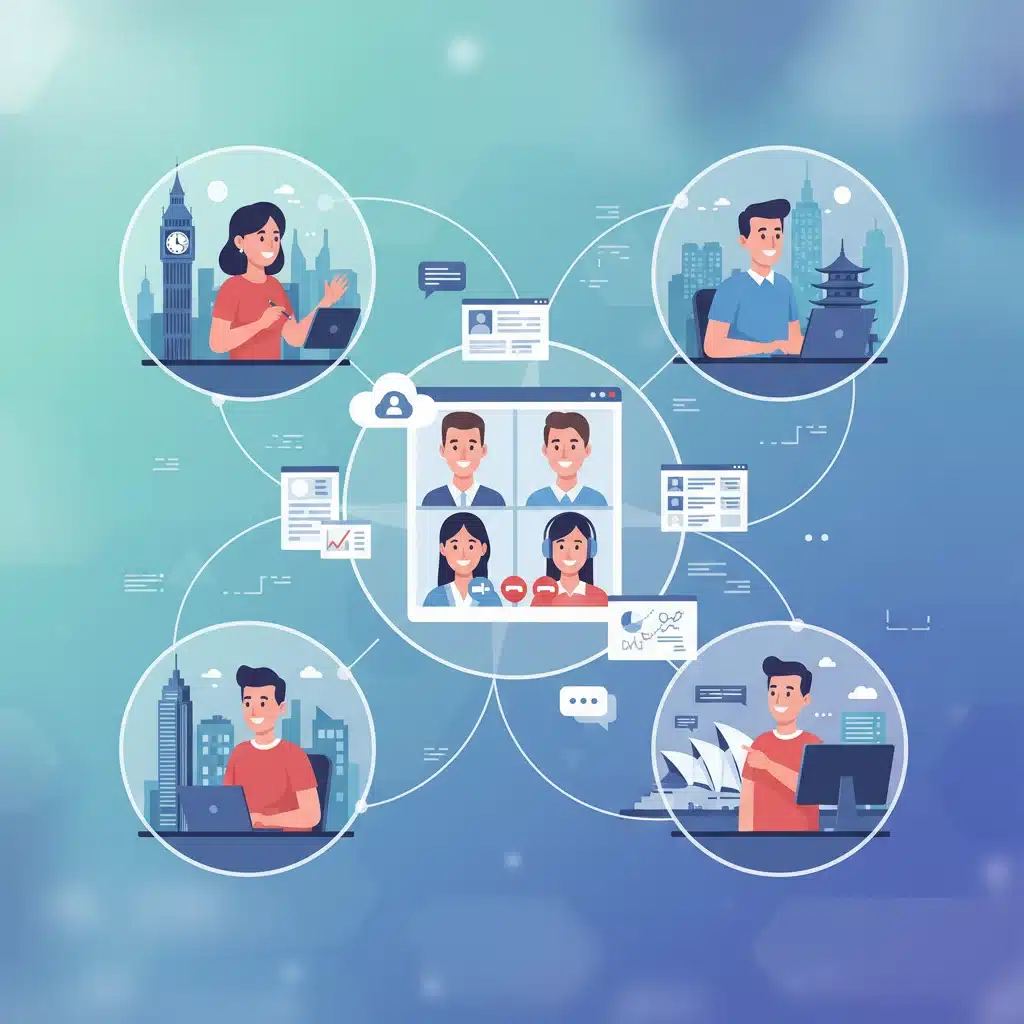
Beyond hybrid, fully remote models will continue to thrive, particularly for roles that do not require physical presence and for companies committed to a global talent strategy. The success of remote work hinges on robust digital infrastructure, clear communication protocols, and a culture of trust and accountability. Organizations are investing heavily in technologies that facilitate seamless virtual collaboration, from advanced video conferencing tools to project management platforms that ensure transparency and efficiency. The challenge lies in maintaining a strong company culture and fostering a sense of belonging among dispersed teams, requiring creative approaches to virtual team-building and leadership.
Impact on Real Estate and Infrastructure
The shift to adaptive work models has significant implications for commercial real estate. Companies are re-evaluating their office space needs, often downsizing or redesigning spaces to become hubs for collaboration rather than traditional rows of desks. This trend will continue to free up resources that can be reinvested in technology, employee development, or more flexible benefits. Furthermore, urban planning and infrastructure development will need to adapt to changing commuting patterns and the decentralization of economic activity.
Strategic Considerations for Employers
For employers navigating these adaptive models, key considerations include:
- Policy Clarity: Establishing clear guidelines for hybrid schedules, remote work eligibility, and expectations.
- Technology Investment: Ensuring employees have the tools and support needed for effective remote and hybrid work.
- Leadership Training: Equipping managers with skills to lead and motivate distributed teams, focusing on outcomes rather than oversight.
- Culture Building: Proactively fostering inclusion and connection across different work locations.
The permanence of adaptive work models is undeniable. By 2026, businesses that have successfully integrated these flexible approaches will likely enjoy a significant competitive advantage in attracting and retaining top talent, demonstrating that flexibility is not just a perk, but a core component of a modern, resilient workforce strategy.
2. The Accelerating Skills Gap and the Imperative of Continuous Upskilling and Reskilling
The rapid pace of technological advancement, coupled with evolving market demands, is creating an ever-widening skills gap in the American workforce. This trend, exacerbated by the Great Resignation’s reshuffling of talent, will intensify by 2026, making continuous upskilling and reskilling not just beneficial, but absolutely critical for both employees and employers.
The Nature of the Skills Gap
The skills gap is multifaceted, encompassing both technical (hard) skills and human (soft) skills. On the technical front, the demand for proficiency in areas like artificial intelligence, machine learning, data analytics, cybersecurity, cloud computing, and advanced automation is skyrocketing. Many existing workforces lack these specialized capabilities, leading to a shortage of qualified candidates for high-growth roles. Simultaneously, the need for human skills such as critical thinking, problem-solving, adaptability, emotional intelligence, creativity, and effective communication is more pronounced than ever, as these are the skills that complement automation and drive innovation.
The Role of Automation and AI
While automation and AI are often perceived as threats to jobs, they are more accurately described as transformers of jobs. Routine, repetitive tasks are increasingly being automated, freeing up human workers to focus on more complex, creative, and strategic endeavors. This shift, however, requires a different set of skills. Employees must be able to work alongside AI, interpret data, manage automated systems, and apply uniquely human judgment to novel situations. Companies that fail to invest in preparing their workforce for this AI-augmented future risk falling behind.
Upskilling as a Retention and Growth Strategy
For employers, investing in upskilling (enhancing existing skills) and reskilling (training for new roles) is no longer merely a cost; it’s a strategic investment in talent retention and organizational growth. In a tight labor market, it’s often more cost-effective and efficient to develop existing employees than to constantly recruit external talent. Furthermore, offering opportunities for continuous learning significantly boosts employee engagement and loyalty, as workers value companies that invest in their professional development. By 2026, organizations with robust internal learning platforms and clear career pathways linked to skill development will have a significant edge.
Individual Responsibility and Lifelong Learning
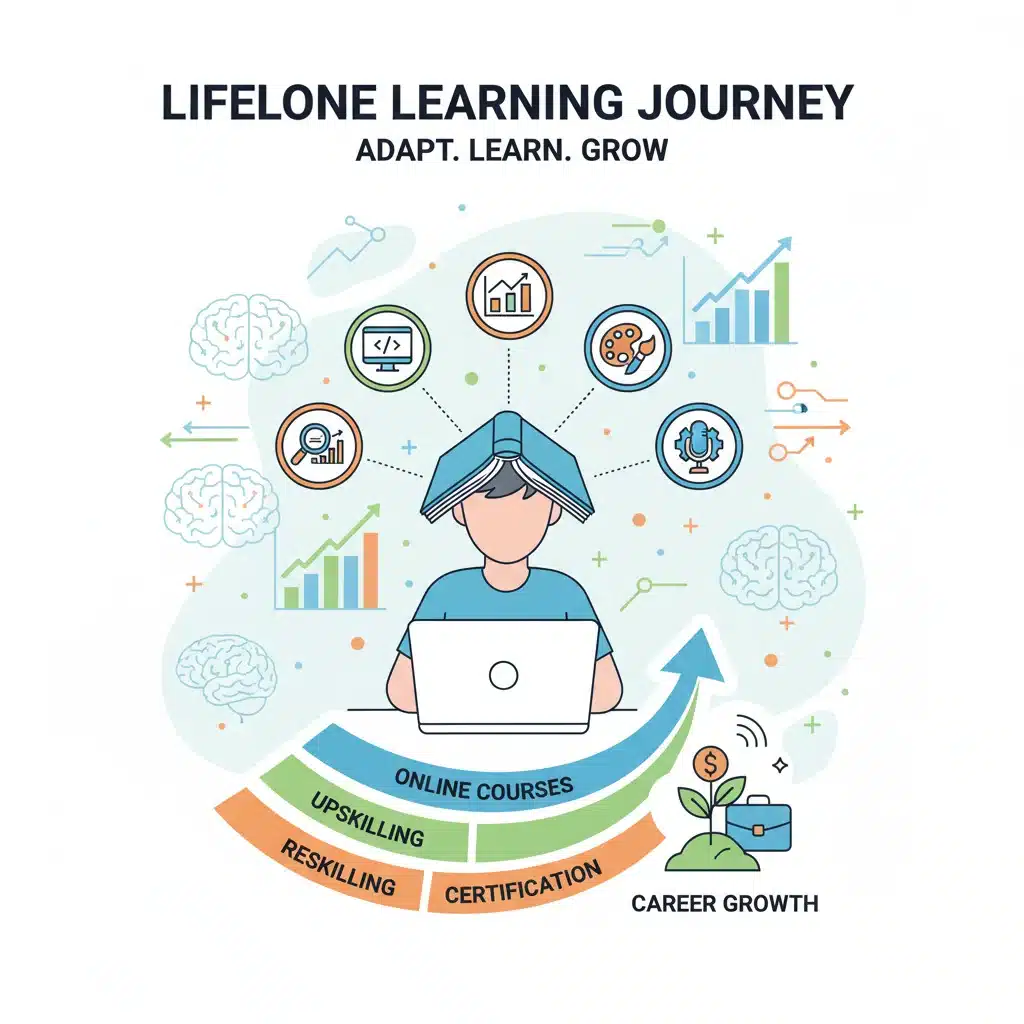
For employees, the onus is increasingly on individual responsibility for lifelong learning. The concept of a static career path built on a single set of skills is obsolete. Workers must proactively identify in-demand skills, seek out learning opportunities, and continuously adapt to new technologies and methodologies. This might involve formal education, online courses, certifications, apprenticeships, or experiential learning within their current roles. Those who embrace a growth mindset and commit to continuous development will be better positioned for career resilience and advancement.
Government and Educational Institutions’ Role
Addressing the skills gap also requires a concerted effort from government and educational institutions. Partnerships between academia and industry can help align curricula with market needs, creating a pipeline of skilled talent. Government initiatives can provide funding and support for workforce development programs, particularly for disadvantaged populations or those transitioning between industries. By 2026, a more integrated ecosystem of learning and development will be crucial for national economic competitiveness.
3. The Rise of Skills-Based Hiring and Internal Mobility
Traditional hiring practices, often heavily reliant on degrees, years of experience, and predefined job titles, are proving increasingly inadequate in addressing the dynamic needs of the modern workforce. By 2026, we will see a significant acceleration in the trend towards skills-based hiring, where employers prioritize demonstrable capabilities and competencies over conventional credentials. This shift will also fuel greater internal mobility within organizations.
Moving Beyond Degrees and Titles
The Great Resignation highlighted that many individuals possess valuable skills acquired through non-traditional pathways, such as bootcamps, online courses, volunteer work, or self-study. A degree, while still valuable, doesn’t always reflect a candidate’s current skill set or potential for growth. Skills-based hiring focuses on identifying the specific skills required for a role and then assessing candidates based on their ability to perform those skills, often through practical assessments, portfolios, or demonstrable project experience. This approach broadens the talent pool, promotes diversity, and allows companies to find talent that might otherwise be overlooked.
The Role of Skills Taxonomies and AI
To facilitate skills-based hiring, organizations are developing robust skills taxonomies – comprehensive frameworks that categorize and define the skills needed across different roles and departments. AI-powered tools are emerging to help identify these skills in resumes, assess candidate capabilities, and even match internal employees to new opportunities based on their skill profiles. This technology allows for a more objective and efficient evaluation of talent, reducing bias and improving hiring outcomes.
Boosting Internal Mobility and Talent Development
A natural corollary to skills-based hiring is increased internal mobility. When companies understand the skills their existing employees possess, they can more effectively redeploy talent to new projects, departments, or roles where those skills are needed. This not only fills critical gaps but also provides employees with opportunities for career growth and development, acting as a powerful retention tool. Instead of automatically looking externally for new hires, organizations are increasingly looking inward, leveraging their existing workforce more strategically. This approach fosters a culture of continuous learning and adaptability, where employees are encouraged to acquire new skills and explore different facets of the business.
Benefits for Employers and Employees
For employers, skills-based hiring leads to better-matched hires, reduced time-to-fill, and increased diversity. It also supports a more agile organizational structure, capable of adapting quickly to changing business needs. For employees, it opens up new career pathways, democratizes access to opportunities, and empowers them to showcase their full range of talents, regardless of their formal educational background or previous job titles. This trend will be crucial in addressing the ongoing talent shortages and ensuring that organizations remain competitive in the evolving labor market of 2026.
4. The Expanding Gig Economy and the Blurring Lines of Employment
The gig economy, once considered a niche segment, has been steadily expanding, and by 2026, it will be an even more integral component of the American workforce. The Great Resignation further accelerated this trend, as many individuals sought greater autonomy, flexibility, and diversified income streams. This expansion is blurring the traditional lines between full-time employment, part-time work, and independent contracting.
Drivers of Gig Economy Growth
Several factors are fueling the growth of the gig economy:
- Worker Preference: A significant portion of the workforce, particularly younger generations, values the flexibility, autonomy, and variety that gig work offers.
- Employer Needs: Companies are increasingly leveraging gig workers for specialized projects, seasonal demands, or to quickly scale teams without the overhead of full-time hires.
- Technological Platforms: Digital platforms have made it easier than ever for freelancers, contractors, and consultants to connect with clients and manage their work.
- Economic Uncertainty: For some, gig work provides a safety net or a way to supplement income in an uncertain economic climate.
The Rise of the ‘Blended Workforce’
By 2026, the concept of a ‘blended workforce’ – comprising a mix of full-time employees, part-time staff, independent contractors, and project-based gig workers – will be commonplace. Organizations will strategically integrate these different worker types to optimize efficiency, access specialized skills, and maintain agility. Managing such a diverse workforce requires sophisticated talent management systems, clear communication, and equitable treatment across all worker categories.
Challenges and Opportunities
While the gig economy offers numerous benefits, it also presents challenges. For gig workers, issues like lack of benefits (health insurance, retirement plans), job insecurity, and inconsistent income can be significant concerns. For companies, managing compliance with labor laws, ensuring intellectual property protection, and fostering a cohesive culture with a mix of permanent and contingent workers are key challenges.
However, opportunities abound. Governments and platforms are exploring new models for providing benefits to gig workers. Companies are developing more robust onboarding and engagement strategies for contractors, recognizing their value. The expansion of the gig economy also creates new entrepreneurial avenues for individuals to build independent careers based on their specialized skills.
5. Prioritizing Employee Well-being, Mental Health, and Purpose-Driven Work
The Great Resignation was a stark reminder that employees are not just cogs in a machine; they are individuals with holistic needs, and their well-being directly impacts their productivity, engagement, and loyalty. By 2026, prioritizing employee well-being, mental health, and fostering a sense of purpose will move from being ‘nice-to-haves’ to fundamental pillars of successful organizational strategy.
Holistic Well-being Initiatives
Companies are moving beyond basic wellness programs to adopt a more holistic approach to employee well-being, encompassing physical, mental, emotional, and financial health. This includes:
- Enhanced Mental Health Support: Providing access to counseling services, mental health days, stress management resources, and destigmatizing conversations around mental health in the workplace.
- Work-Life Integration: Recognizing that work and life are intertwined, and supporting employees in managing their personal responsibilities through flexible schedules, generous leave policies, and technology that enables boundaries.
- Financial Wellness: Offering resources for financial planning, debt management, and understanding benefits, recognizing that financial stress significantly impacts overall well-being.
- Physical Health: Continuing to offer traditional wellness programs, ergonomic support for remote workers, and encouraging healthy habits.
The Search for Purpose and Meaning
Beyond compensation and benefits, a significant driver behind the Great Resignation was a desire for purpose-driven work. Employees, especially younger generations, want to feel that their work contributes to something meaningful and aligns with their personal values. By 2026, organizations will need to articulate a clear mission and vision that resonates with employees, demonstrating their commitment to social responsibility, ethical practices, and positive societal impact.
Leadership’s Role in Fostering Well-being and Purpose
Leaders play a crucial role in cultivating a culture that prioritizes well-being and purpose. This involves:
- Empathy and Compassion: Leading with understanding and demonstrating genuine care for employees’ personal and professional lives.
- Open Communication: Creating safe spaces for employees to express concerns and provide feedback.
- Setting Boundaries: Modeling healthy work habits and encouraging employees to disconnect and recharge.
- Connecting Work to Impact: Clearly articulating how individual roles contribute to the broader organizational mission and societal good.
Companies that genuinely invest in the well-being and sense of purpose of their employees will not only see higher engagement and productivity but also build more resilient, innovative, and attractive workplaces in the long term. This focus on the human element of work is not a fleeting trend but a fundamental shift in how organizations perceive and value their most important asset: their people.
Conclusion: Navigating the Evolving Landscape of Workforce Trends 2026
The American employment landscape of 2026 will be profoundly different from that of just a few years ago. The Great Resignation acted as a powerful catalyst, accelerating existing trends and forging new ones, fundamentally reshaping the employer-employee relationship and the very nature of work. The five workforce trends 2026 discussed—the permanence of adaptive work models, the critical skills gap and the imperative for continuous learning, the rise of skills-based hiring and internal mobility, the expanding gig economy, and the prioritization of employee well-being and purpose—are not isolated phenomena. They are interconnected forces that collectively define the new paradigm of work.
For organizations, adapting to these trends is not optional; it is a prerequisite for sustained success. This requires strategic foresight, agile decision-making, and a willingness to challenge long-held assumptions about how work gets done. It means investing in technology that supports flexible work, developing robust learning and development programs, rethinking traditional talent acquisition strategies, and, most importantly, cultivating a culture that values human capital, promotes well-being, and provides a sense of meaning. Those who proactively embrace these changes will be better positioned to attract, retain, and empower the diverse, skilled, and engaged workforce necessary to thrive in the coming years.
For employees, these workforce trends 2026 underscore the importance of adaptability, continuous learning, and self-advocacy. The future of work demands a growth mindset, a willingness to acquire new skills, and a clear understanding of one’s own values and career aspirations. By actively participating in their own professional development and seeking out opportunities that align with their personal and professional goals, individuals can navigate this evolving landscape successfully.
Ultimately, the evolution of the Great Resignation into these dominant workforce trends 2026 represents a maturation of the employment market. It signals a move towards a more human-centric, flexible, and skill-driven approach to work, promising a future where both businesses and individuals can find greater fulfillment and achieve greater success. The journey ahead requires collaboration, innovation, and a shared commitment to building a resilient and equitable future of work for all.