Future of Remote Work: Top Tech Trends 2026
The Future of Work: Exploring 6 Tech Trends Shaping U.S. Remote Collaboration in 2026 (RECENT UPDATES)
The landscape of work has undergone a seismic shift in recent years, with remote and hybrid models becoming not just an alternative, but a foundational element of the global economy. As we look towards 2026, the evolution of remote work is set to accelerate further, driven by an array of cutting-edge technological innovations. For businesses and employees across the United States, understanding and adapting to these tech trends will be paramount for sustained success and competitive advantage. This comprehensive article delves into the six most impactful technological advancements poised to redefine how we collaborate, communicate, and operate in a distributed environment.
The pandemic acted as an involuntary catalyst, pushing organizations worldwide to embrace remote operations at an unprecedented scale. What began as a necessity has now matured into a preferred mode of operation for many, offering benefits such as increased flexibility, access to a wider talent pool, and reduced overhead costs. However, this transition hasn’t been without its challenges, particularly concerning maintaining robust collaboration, ensuring data security, and fostering a cohesive company culture. The technological innovations emerging today are specifically designed to address these challenges, transforming the very fabric of remote interaction.
In the U.S., the adoption of remote work has seen significant growth, with projections indicating a continued upward trajectory. According to recent surveys, a substantial portion of the American workforce prefers hybrid or fully remote arrangements. This preference, coupled with the ongoing development of sophisticated tools, suggests that the future of work will not merely replicate in-office experiences but will, in many ways, surpass them. From intelligent automation to immersive virtual environments, the tools of tomorrow promise to make remote collaboration more efficient, engaging, and secure than ever before.
This article will provide an in-depth analysis of each trend, offering insights into their current state, projected impact by 2026, and practical implications for businesses and individuals. We will explore how these technologies are not just incremental improvements but fundamental shifts that will reshape the way we perceive and engage with work. Prepare to journey into the near future, where the boundaries of the traditional office dissolve, and innovation takes center stage in defining the next era of remote collaboration.
1. Hyper-Personalized AI Assistants and Intelligent Automation
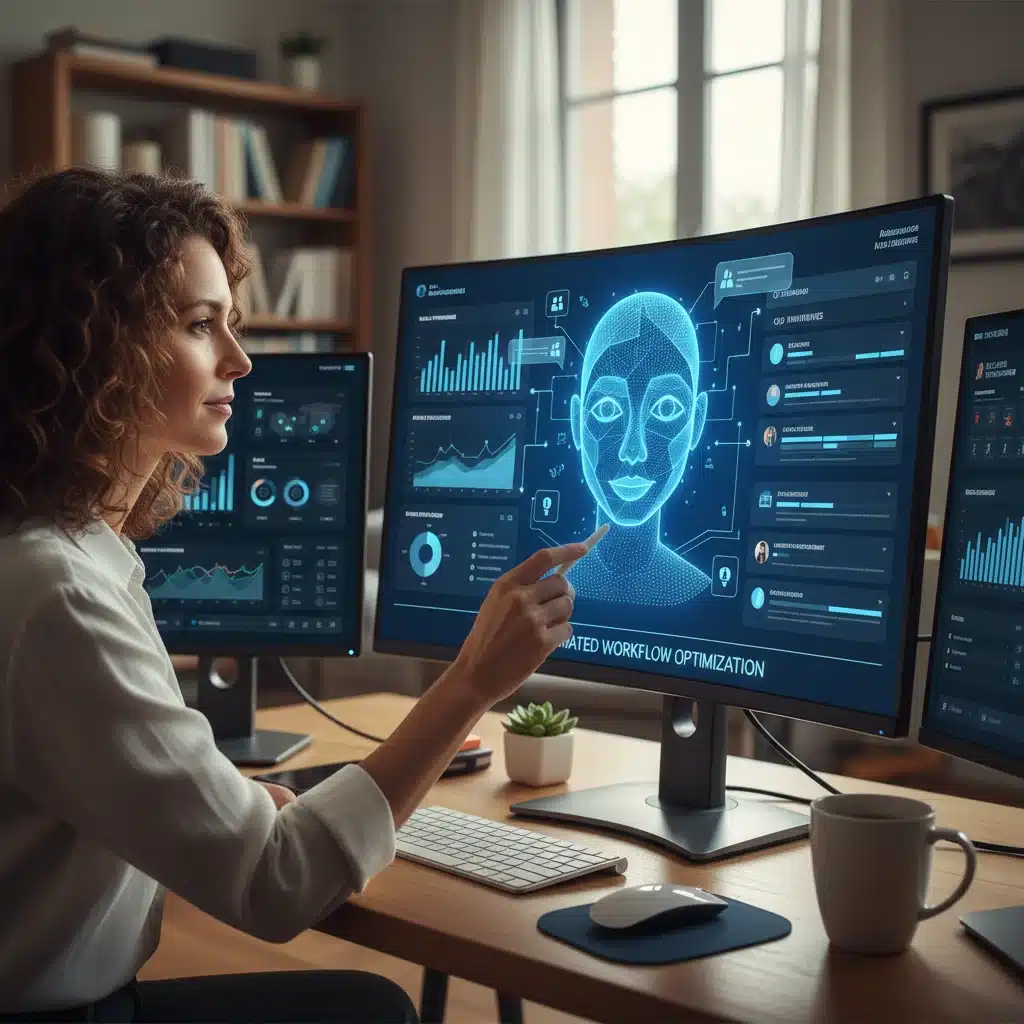
Artificial Intelligence (AI) has already permeated many aspects of our daily lives, but its integration into remote work is set to become profoundly more sophisticated by 2026. We are moving beyond simple chatbots and into an era of hyper-personalized AI assistants and intelligent automation that will act as indispensable partners for remote employees.
The Evolution of AI in Remote Work
Currently, AI assists with tasks like scheduling meetings, transcribing notes, and basic data analysis. However, the future remote work will see AI evolve into proactive, intuitive collaborators. These advanced AI assistants will learn individual work patterns, preferences, and even emotional states to provide tailored support. Imagine an AI that not only manages your calendar but also optimizes your workday based on your energy levels, prioritizes emails, drafts responses, and even suggests ideal break times to prevent burnout.
Intelligent Automation Beyond Repetitive Tasks
Intelligent automation, powered by AI and machine learning, will extend far beyond automating repetitive administrative tasks. By 2026, it will be capable of handling complex workflows, making data-driven decisions, and even generating creative content or code snippets based on user input and project requirements. For instance, an AI could analyze project progress, identify potential bottlenecks, and proactively suggest solutions or reallocate resources, all while learning from past project outcomes to improve future predictions.
Impact on Productivity and Efficiency
The primary benefit of these advancements will be a significant boost in productivity and efficiency. By offloading a substantial portion of cognitive load and routine tasks to AI, remote workers can focus on higher-value, strategic work that requires human creativity and critical thinking. This frees up time, reduces errors, and allows for a more focused and less fragmented workday. For organizations, this translates into optimized resource utilization, faster project completion, and enhanced overall output.
Ethical Considerations and Human-AI Collaboration
As AI becomes more integrated, ethical considerations around data privacy, algorithmic bias, and job displacement will become increasingly important. The focus will shift towards fostering effective human-AI collaboration, where AI augments human capabilities rather than replacing them entirely. Training programs will emerge to equip employees with the skills to effectively work alongside AI, leveraging its strengths while maintaining human oversight and judgment. This symbiotic relationship will define the next generation of remote work.
2. Immersive Virtual and Augmented Reality for Collaboration
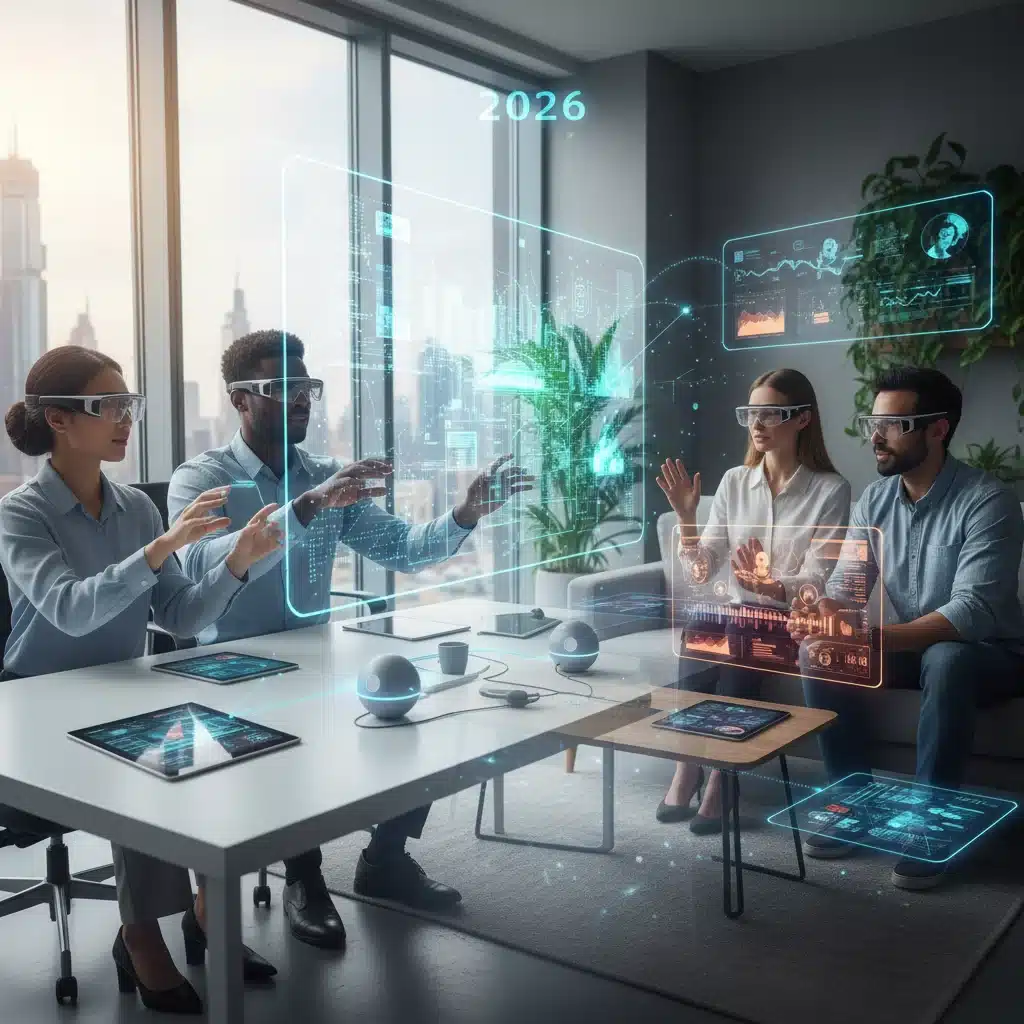
While video conferencing has been the backbone of remote collaboration, it often lacks the spontaneity and depth of in-person interaction. By 2026, Virtual Reality (VR) and Augmented Reality (AR) will bridge this gap, offering truly immersive and engaging collaborative experiences that are central to the future of education.
The Rise of the Metaverse for Work
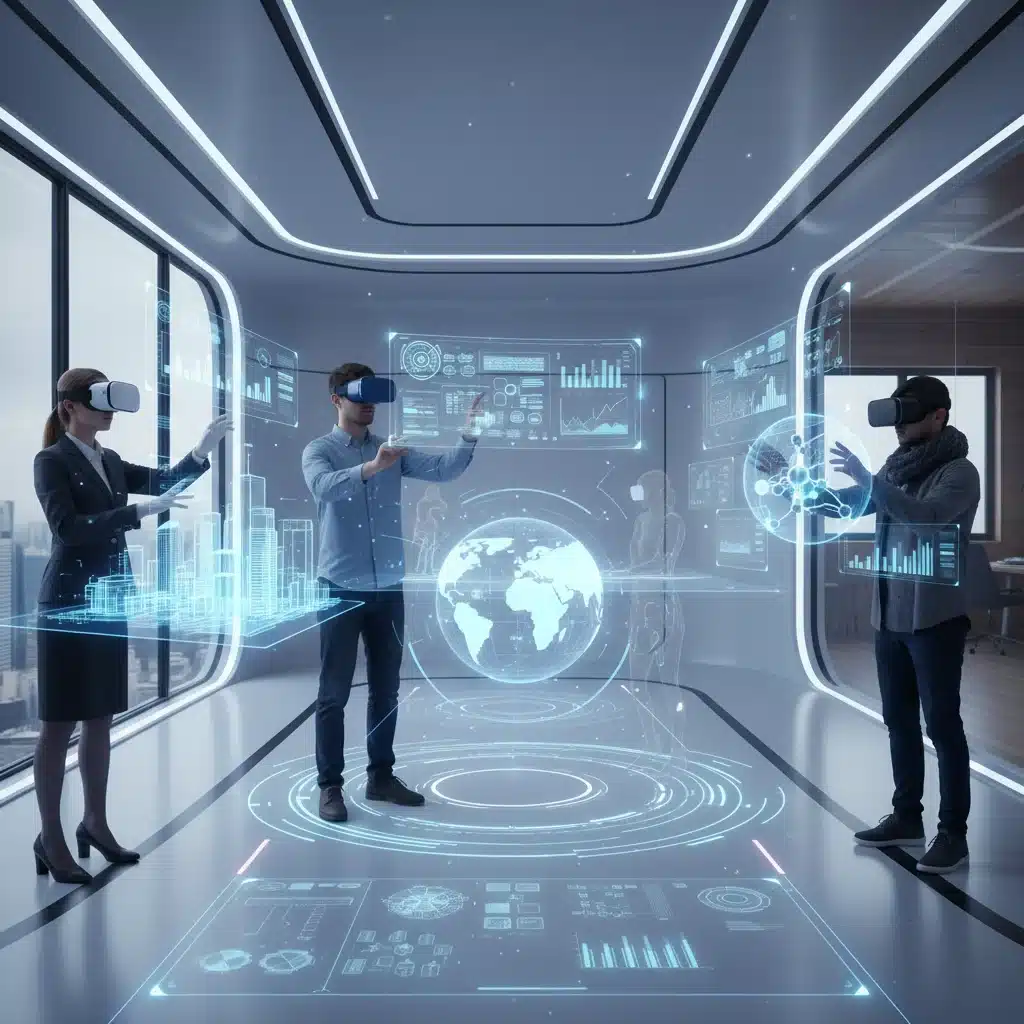
The concept of the metaverse, a persistent, shared 3D virtual space, is rapidly gaining traction. For remote work, this translates into virtual office environments where colleagues can interact as avatars, hold meetings in digital conference rooms, and even brainstorm on shared virtual whiteboards. These environments will offer a sense of presence and spatial awareness that 2D video calls simply cannot replicate. Imagine conducting a product design review where team members from around the globe can physically manipulate and inspect a 3D model in a shared virtual space.
Augmented Reality for Enhanced Real-World Interaction
AR, conversely, overlays digital information onto the real world. For remote workers, this means being able to see virtual screens, data visualizations, or even holographic colleagues projected into their physical workspace. This can be particularly transformative for fields requiring hands-on work, such as engineering, design, or maintenance. An engineer could receive real-time AR instructions overlaid onto a complex piece of machinery, guided by an expert located thousands of miles away.
Benefits: Engagement, Innovation, and Global Reach
The benefits of VR and AR for remote collaboration are manifold. They significantly enhance engagement, reduce feelings of isolation, and foster a stronger sense of team cohesion. The ability to interact with digital content in 3D also unlocks new avenues for creativity and innovation. Furthermore, these technologies enable truly global teams to collaborate seamlessly, breaking down geographical barriers more effectively than ever before. The cost of VR/AR hardware is also expected to decrease, making these tools more accessible to a wider range of businesses.
3. Advanced Cybersecurity and Zero-Trust Architectures
As remote work becomes more prevalent, the attack surface for cyber threats expands dramatically. Protecting sensitive data and ensuring secure access will remain a top priority, making advanced cybersecurity and zero-trust architectures a critical component of Zero-Trust Architecture by 2026.
The Imperative of Robust Security
Remote work inherently introduces new security vulnerabilities. Employees connect from various networks, use personal devices, and access company resources outside the traditional perimeter. This distributed nature necessitates a paradigm shift in security strategies, moving away from perimeter-based defenses to more adaptive, identity-centric models.
Zero-Trust: Never Trust, Always Verify
Zero-trust security models will become the standard. This approach dictates that no user, device, or application is inherently trusted, regardless of whether it’s inside or outside the corporate network. Every access attempt is rigorously authenticated, authorized, and continuously monitored. By 2026, multi-factor authentication (MFA) will be ubiquitous, and biometric authentication methods will be widely adopted for enhanced security.
AI-Powered Threat Detection and Response
AI and machine learning will play a crucial role in detecting and responding to cyber threats in real-time. These systems can analyze vast amounts of data to identify anomalous behavior, predict potential attacks, and automate response mechanisms faster than human analysts. This includes advanced endpoint detection and response (EDR) solutions that monitor all devices for suspicious activity, as well as sophisticated network segmentation to contain breaches.
Data Encryption and Privacy-Enhancing Technologies
End-to-end encryption for all communications and data at rest will be standard practice. Furthermore, privacy-enhancing technologies (PETs) such as differential privacy and homomorphic encryption will gain prominence, allowing organizations to analyze data and derive insights without compromising individual privacy. Compliance with evolving data protection regulations will also drive the adoption of these advanced security measures, ensuring that the Future Remote Work Tech is built on a foundation of trust and resilience.
4. Ubiquitous 5G and Satellite Internet Connectivity
Reliable, high-speed internet connectivity is the lifeblood of remote work. By 2026, the widespread availability of 5G and advancements in satellite internet will eliminate connectivity as a barrier, fundamentally transforming the possibilities for remote collaboration and marking a significant leap in Future Remote Work Tech.
The Transformative Power of 5G
5G networks offer significantly faster speeds, lower latency, and greater capacity compared to previous generations. For remote workers, this means seamless video conferencing, rapid file transfers, and the ability to run bandwidth-intensive applications without lag, even in urban areas with high network traffic. The low latency of 5G is particularly crucial for real-time collaborative applications like VR/AR, making immersive experiences truly viable.
Satellite Internet for Global Reach
Beyond urban centers, satellite internet constellations like Starlink are rapidly expanding their coverage, providing high-speed internet access to rural and underserved areas globally. This development is revolutionary for remote work, enabling individuals to work effectively from virtually any location, regardless of their proximity to traditional fiber optic infrastructure. This expands the talent pool for companies and offers unprecedented flexibility for employees, allowing them to choose their ideal work environment.
Impact on Digital Divide and Workforce Accessibility
The widespread adoption of 5G and satellite internet will significantly reduce the digital divide, making remote work accessible to a much broader demographic across the U.S. and beyond. This enhanced accessibility will empower more individuals to participate in the digital economy, fostering greater economic inclusion and diversity within remote teams. It also ensures that the advanced Future Remote Work Tech discussed in this article can be fully leveraged by a global workforce.
5. Advanced Collaboration Platforms with Integrated AI and Analytics
The next generation of collaboration platforms will move beyond simple communication tools, becoming intelligent, integrated ecosystems that leverage AI and advanced analytics to optimize team performance. This represents a core pillar of the Future Remote Work Tech ecosystem.
Unified Workspace Experience
By 2026, collaboration platforms will offer a truly unified workspace experience, integrating project management, communication, file sharing, and virtual meeting functionalities into a single, seamless interface. This eliminates the need to constantly switch between multiple applications, reducing context-switching costs and improving overall workflow efficiency. These platforms will also be highly customizable, allowing teams to tailor their digital environment to their specific needs and preferences.
AI-Powered Insights and Recommendations
AI will be deeply embedded within these platforms, providing intelligent insights and recommendations. This could include: identifying communication patterns to suggest optimal meeting times, analyzing project data to highlight potential delays or opportunities, and even suggesting relevant documents or experts based on current discussions. For instance, an AI could monitor team sentiment during a virtual meeting and alert a manager to potential conflicts or disengagement, allowing for proactive intervention.
Analytics for Team Performance and Well-being
Advanced analytics will provide valuable data on team performance, collaboration dynamics, and individual well-being (with appropriate privacy safeguards). Managers can gain insights into workload distribution, communication effectiveness, and employee engagement, allowing them to make data-driven decisions to optimize team structure and support. These analytics can also help identify trends related to burnout, enabling organizations to implement preventative measures and foster a healthier remote work culture. This data-driven approach is key to harnessing the full potential of Future Remote Work Tech.
6. Digital Twin Technology for Physical Workspaces and Assets
While remote work emphasizes digital interaction, many industries still rely on physical assets and infrastructure. Digital twin technology, which creates virtual replicas of physical objects or systems, will bridge this gap, enabling remote monitoring, maintenance, and even design, significantly impacting the Future Remote Work Tech for hybrid environments.
Virtual Replicas for Remote Management
A digital twin is a virtual model designed to accurately reflect a physical object, process, or system. By 2026, companies will increasingly use digital twins of their physical offices, factories, and machinery. This allows remote teams to monitor real-time performance, conduct simulations, and even troubleshoot issues without needing to be physically present. For example, a facilities manager could remotely adjust HVAC systems in a building’s digital twin, or a factory engineer could diagnose a machine malfunction by observing its virtual counterpart.
Enhanced Design and Prototyping
Digital twin technology will revolutionize product design and prototyping. Engineers and designers can collaborate on virtual models, making changes and testing hypotheses in a simulated environment before any physical production begins. This accelerates the development cycle, reduces costs, and allows for greater iteration and innovation, all from a distributed team setting. The integration of VR/AR with digital twins will further enhance this capability, allowing for immersive design reviews.
Predictive Maintenance and Operational Efficiency
One of the most significant advantages of digital twins is their ability to enable predictive maintenance. By continuously collecting data from sensors on physical assets and feeding it into the digital twin, AI algorithms can predict when equipment is likely to fail, allowing for proactive maintenance rather than reactive repairs. This minimizes downtime, extends asset lifespan, and optimizes operational efficiency, making it a powerful tool for remote operations and a key aspect of Future Remote Work Tech.
The Broader Implications for the U.S. Workforce by 2026
These six tech trends are not isolated phenomena; they are interconnected forces that will collectively reshape the U.S. workforce and the very nature of employment. The implications are far-reaching, impacting everything from talent acquisition to corporate culture.
Reshaping Talent Acquisition and Development
The ability to leverage advanced Future Remote Work Tech will broaden talent pools exponentially. Companies will no longer be limited by geographical constraints, enabling them to recruit the best talent from anywhere in the world. This will necessitate a shift in recruitment strategies, focusing on digital literacy, adaptability, and the ability to collaborate effectively in virtual environments. Furthermore, continuous learning and upskilling in these new technologies will become a critical component of professional development for all employees.
Evolving Leadership and Management Styles
Leading remote and hybrid teams equipped with these advanced tools will require a new style of leadership. Managers will need to focus on fostering trust, promoting asynchronous communication, and leveraging data analytics to understand team dynamics and individual well-being. The emphasis will shift from oversight to empowerment, with leaders providing the tools and autonomy for their teams to thrive, making effective use of the Future Remote Work Tech at their disposal.
The Hybrid Work Model as the New Standard
While fully remote work will continue to be a viable option for many, the dominant model by 2026 is likely to be hybrid. These technologies will make hybrid work even more effective, ensuring that those in the office and those working remotely have equally engaging and productive experiences. The office will transform into a hub for collaboration, innovation, and social connection, rather than just a place to perform individual tasks.
Challenges and Opportunities
Despite the immense opportunities, there will be challenges. Ensuring equitable access to technology, managing digital fatigue, and maintaining a strong company culture across distributed teams will require ongoing attention. However, organizations that strategically embrace these Future Remote Work Tech trends will be better positioned to attract and retain top talent, enhance productivity, and innovate at a faster pace, ultimately gaining a significant competitive edge in the evolving global marketplace.
Conclusion: Navigating the Future Remote Work Tech Landscape
The journey towards 2026 promises to be an exciting one for remote work, characterized by unprecedented technological innovation. From hyper-personalized AI assistants and immersive VR/AR environments to fortified cybersecurity and ubiquitous connectivity, the tools are rapidly evolving to create a more efficient, engaging, and secure remote collaboration experience. For U.S. businesses and their workforces, embracing these Future Remote Work Tech trends is not merely an option but a strategic imperative.
Organizations that proactively invest in these technologies, train their employees, and adapt their operational models will be the ones that thrive in this new era. The future of work is not just about where work gets done, but how it gets done, and technology is the primary driver of this transformation. By understanding and harnessing the power of these emerging trends, businesses can unlock new levels of productivity, foster greater innovation, and build a resilient, adaptable workforce ready for the challenges and opportunities of tomorrow.
The landscape of work is dynamic, and continuous adaptation is key. As these technologies mature and new ones emerge, staying informed and agile will be crucial for navigating the evolving world of remote collaboration. The year 2026 will mark a significant milestone in this evolution, setting the stage for an even more integrated and technologically advanced future of work.