Shifting American Family: 6 Key Demographic Changes by 2026
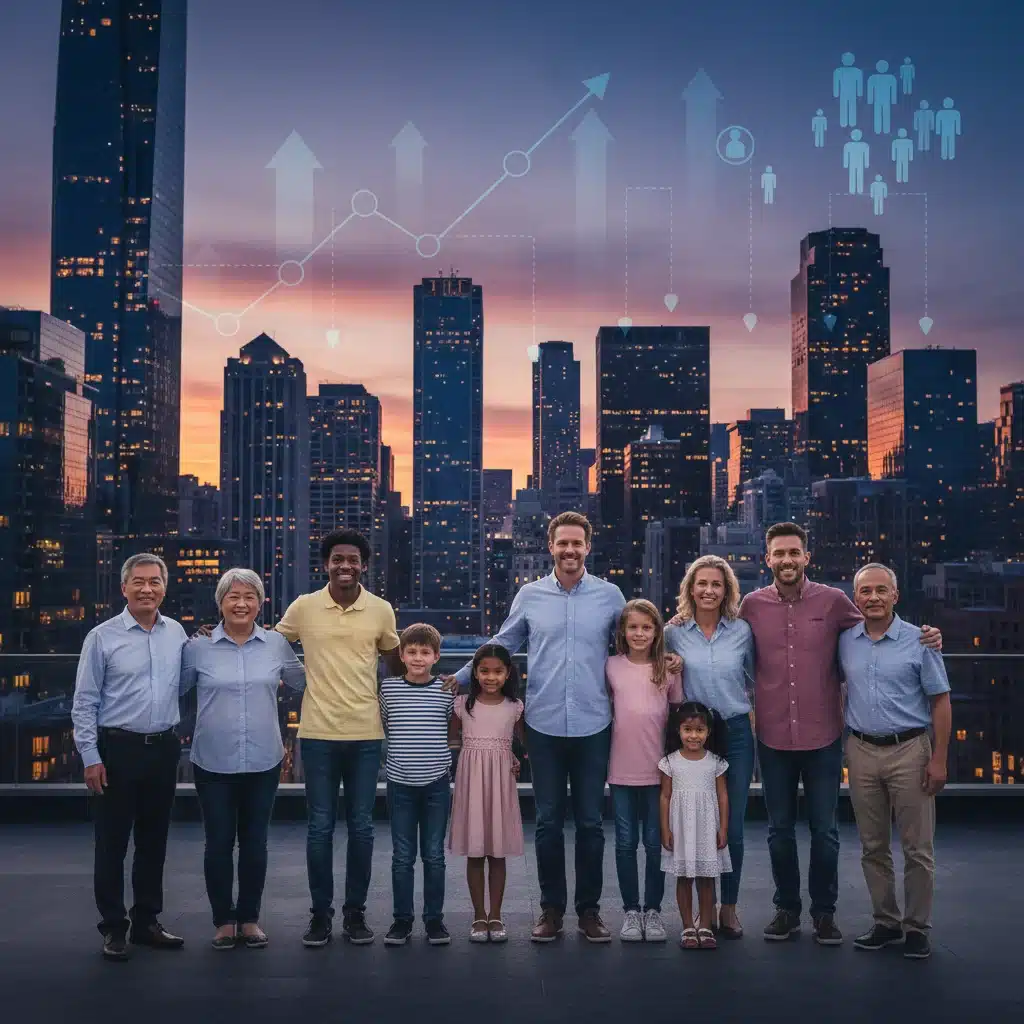
The bedrock of society, the family unit, is a dynamic entity, constantly evolving in response to a myriad of social, economic, and cultural forces. In the United States, these transformations are particularly pronounced, painting a complex and fascinating picture of what the American family will look like in the near future. As we approach 2026, several key demographic shifts are not merely ripples but significant currents reshaping the very essence of familial bonds and structures. Understanding these changes is crucial for policymakers, businesses, and individuals alike, as they impact everything from housing markets and educational systems to healthcare and social support networks.
For decades, the traditional nuclear family – a married couple with biological children – was often seen as the norm. However, this perception has been steadily challenged and expanded upon, reflecting a more diverse and inclusive reality. The forces driving these changes are multifaceted, including evolving societal norms, economic pressures, advancements in technology and medicine, and shifting individual priorities. This article will delve into six pivotal demographic changes that are profoundly influencing the American family unit, offering insights into their causes, implications, and what we can anticipate by 2026 and beyond. By examining these trends, we can gain a clearer understanding of the future landscape of families in America and better prepare for the opportunities and challenges they present.
1. Declining Fertility Rates and Smaller Family Sizes
One of the most persistent and impactful demographic trends affecting the American family unit is the continued decline in fertility rates. For several years, the United States has seen its birth rate fall below the replacement level – the rate at which a generation can replace itself. This isn’t a new phenomenon, but its implications are becoming increasingly significant as we head towards 2026. Several factors contribute to this trend, including increased access to contraception, later marriages, women pursuing higher education and careers, and the rising cost of raising children.
The economic burden of childcare, education, and general living expenses has become a substantial deterrent for many couples considering having more children, or even having children at all. Younger generations, particularly millennials and Gen Z, are often burdened with student loan debt and face a more precarious economic landscape than previous generations, leading them to delay or forgo parenthood. Furthermore, societal attitudes towards family planning have shifted, with a greater emphasis on individual choice and quality of life over traditional expectations of large families.
The consequence of declining fertility is, predictably, smaller family sizes. We are seeing fewer households with multiple children and an increase in single-child families or childless couples. This shift has profound implications for future population growth, the labor force, and the dependency ratio (the proportion of dependents – children and retirees – to the working-age population). Fewer children today mean fewer workers and taxpayers in the future, which could strain social security and healthcare systems. Moreover, smaller families can alter family dynamics, potentially leading to fewer siblings and cousins, and a greater reliance on chosen family or community networks for support.
By 2026, this trend is expected to solidify further, with continued pressure on birth rates unless significant policy interventions or cultural shifts occur. The implications extend beyond individual families, impacting national demographics and economic projections, making declining fertility rates a critical aspect of understanding American family changes 2026.
2. The Rise of Non-Traditional Family Structures
The concept of the "traditional" family has been steadily broadening, and by 2026, non-traditional family structures will be even more prevalent and accepted. This represents a significant departure from mid-20th-century ideals and reflects a more diverse and inclusive understanding of what constitutes a family. These structures include single-parent households, cohabiting couples (both with and without children), blended families (resulting from remarriage), same-sex parent families, and multi-generational households.
Single-parent families, often headed by mothers, have been a growing demographic for decades, driven by factors such as divorce rates, increasing numbers of unmarried births, and individual choices. While challenges exist for single-parent households, they also demonstrate immense resilience and adaptability, often fostering strong bonds between parent and child.
Cohabitation without marriage is another rapidly expanding family form. Many couples choose to live together for extended periods, sometimes indefinitely, without formalizing their union through marriage. This can be due to financial considerations, a desire for flexibility, or simply a different philosophical approach to relationships. When children are involved, these cohabiting families function much like married-couple families, but without the legal and social recognition often afforded to marriage.
Blended families are also becoming increasingly common as divorce and remarriage rates remain significant. These families often involve step-parents, step-siblings, and complex dynamics that require careful navigation and strong communication. Multi-generational households, where grandparents, parents, and children live under one roof, are also seeing a resurgence, often driven by economic necessity, caregiving needs for the elderly or young, or cultural preferences. These arrangements can offer significant benefits, including shared expenses, built-in childcare, and enhanced family support, but also come with their own set of challenges regarding space, privacy, and decision-making.
Finally, the growing acceptance and legal recognition of same-sex marriage and parenting have led to a rise in LGBTQ+ headed households, further diversifying the American family landscape. By 2026, these varied structures will not only be more common but also more widely recognized and supported, reflecting a societal shift towards a broader definition of family love and commitment.
3. An Increasingly Aging Population and its Impact
The "graying of America" is a demographic reality that continues to gain momentum, and by 2026, its impact on the American family unit will be even more profound. Advances in healthcare, better living conditions, and lower birth rates have contributed to a significant increase in life expectancy and a larger proportion of elderly individuals within the population. The baby boomer generation, a historically large cohort, is now largely in or approaching their retirement years, creating an unprecedented demographic bulge at the older end of the age spectrum.
This aging population has several key implications for families. Firstly, it places increased demands on adult children to care for their elderly parents. The "sandwich generation" – individuals simultaneously caring for their children and their aging parents – is growing, facing significant time, emotional, and financial pressures. This often involves providing direct care, managing finances, navigating complex healthcare systems, and making difficult decisions about long-term care options.
Secondly, the aging population influences household composition. As mentioned, multi-generational households are on the rise, partly driven by the need for elder care or by older adults moving in with their children for support and companionship. This can create new family dynamics, requiring adjustments in living arrangements, responsibilities, and financial contributions.
Thirdly, the economic implications are substantial. An aging population means a greater proportion of retirees relying on social security and Medicare, potentially straining these vital social programs. Families themselves bear a significant portion of healthcare costs and long-term care expenses, which can impact savings, inheritance, and the financial well-being of younger generations. The shift in the dependency ratio – more retirees supported by fewer working-age individuals – is a critical economic challenge.
By 2026, families will increasingly navigate the complexities of elder care, balancing the needs of older relatives with their own careers and family responsibilities. This trend underscores the importance of robust social support systems, flexible work arrangements, and accessible elder care services to support the evolving needs of families in an aging society. The aging population is a central theme in American family changes 2026.
4. Increasing Racial and Ethnic Diversity
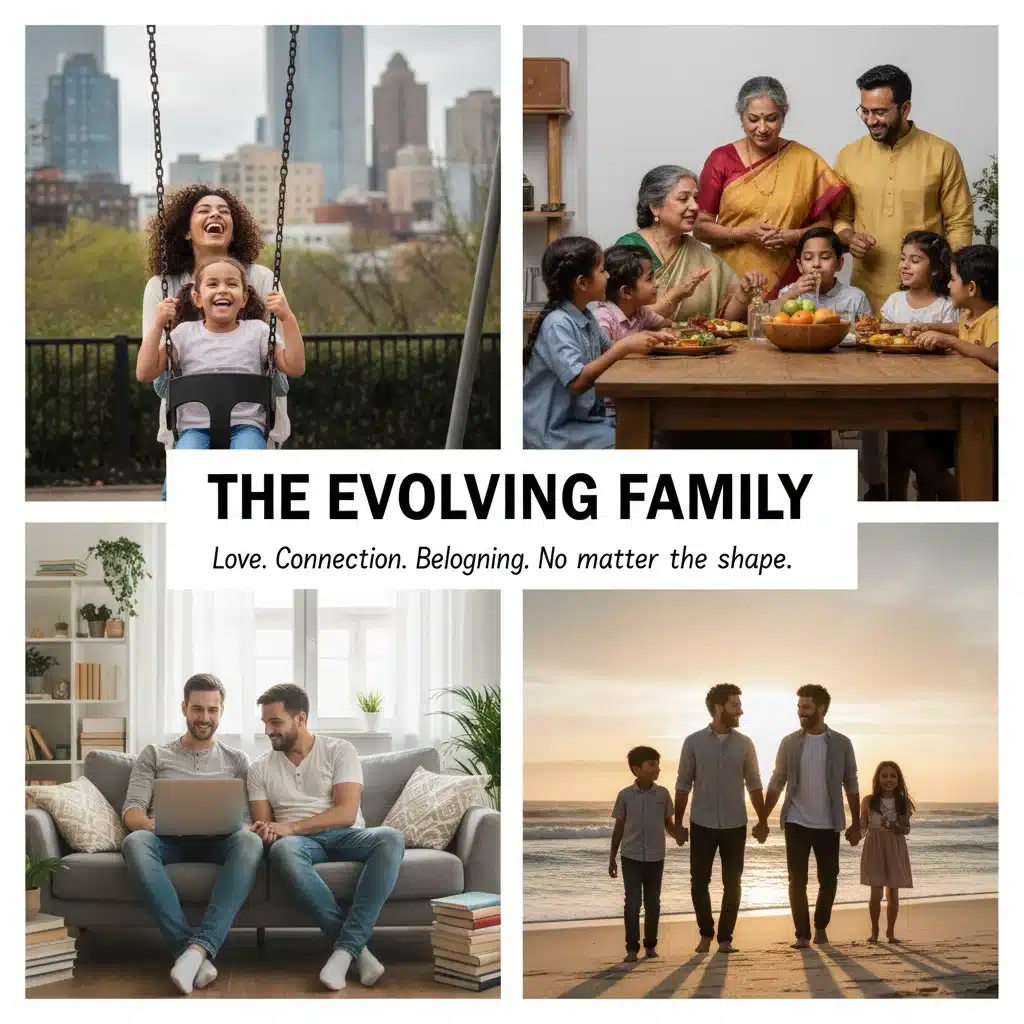
The United States has always been a melting pot, but its racial and ethnic composition is continually shifting, and by 2026, this diversity will be even more pronounced within American families. Immigration continues to be a significant driver of population growth and diversity, alongside varying birth rates among different ethnic groups. The "majority-minority" concept is becoming a reality in many regions, and the overall population is becoming increasingly multiracial and multicultural.
This growing diversity manifests in several ways within families. Interracial and interethnic marriages and partnerships are on the rise, leading to a greater number of multiracial children. These families often navigate unique cultural dynamics, blending traditions, languages, and perspectives from multiple backgrounds. While this can present challenges, it also enriches the family unit and contributes to a more tolerant and understanding society.
Furthermore, different ethnic groups often have distinct family structures and cultural norms regarding family size, elder care, and gender roles. As these groups grow and integrate, their cultural influences contribute to the broader tapestry of American family life. For instance, many immigrant communities place a strong emphasis on extended family networks and multi-generational living, which can influence national trends in these areas.
The increasing diversity also has implications for social services, education, and healthcare, which must adapt to serve a population with diverse linguistic, cultural, and healthcare needs. Schools, for example, are seeing a greater variety of languages spoken at home, requiring expanded bilingual education programs. Healthcare providers need to be culturally competent to effectively serve patients from all backgrounds.
By 2026, the American family will be more diverse than ever before, reflecting a rich mosaic of cultures, traditions, and experiences. This diversity is a source of strength and innovation, but also requires ongoing efforts to foster inclusion and address disparities that may arise along racial and ethnic lines. Understanding the nuances of this increasing diversity is essential for comprehending American family changes 2026.
5. Changing Gender Roles and Parental Responsibilities
Traditional gender roles within the family have been undergoing a significant transformation for decades, and by 2026, this evolution will continue to redefine parental responsibilities and household dynamics. The rise of women in the workforce, greater educational attainment for women, and changing societal expectations for men have all contributed to a more egalitarian division of labor and caregiving within many households.
More women are primary breadwinners or co-breadwinners, challenging the historical norm of men as the sole providers. This economic empowerment gives women greater autonomy and influence within the family unit. Concurrently, there’s a growing expectation and desire for men to be more actively involved in childcare and domestic responsibilities. While progress is still needed, fathers are increasingly taking on more hands-on parenting roles, from daily caregiving to emotional support and school involvement.
This shift has several implications. For couples, it often necessitates more negotiation and flexibility regarding work-life balance, career choices, and the division of household tasks. It can lead to "dual-earner" or "dual-career" households becoming the norm, with both partners contributing financially and sharing responsibilities. However, it also highlights ongoing challenges, such as the persistent gender pay gap and the "second shift" phenomenon, where women often still bear a disproportionate share of domestic and caregiving duties even when working full-time.
The changing roles also impact workplace policies, with a growing demand for paid parental leave (for both mothers and fathers), flexible work schedules, and affordable childcare options. Businesses and governments are slowly responding to these needs, recognizing that supporting families with evolving gender roles is crucial for economic productivity and social well-being.
By 2026, the blurring of traditional gender lines within the American family will be more pronounced, fostering greater equality and shared responsibilities. While challenges remain in achieving true equity, the trend towards more collaborative and flexible family roles is a defining characteristic of American family changes 2026.
6. The Impact of Technology and Digital Connectivity
In an increasingly digital world, technology and digital connectivity are profoundly reshaping the American family unit, and their influence will only deepen by 2026. From communication patterns to parenting styles and even the definition of "family," technology is an omnipresent force.
Firstly, technology has transformed how families communicate. Video calls allow geographically dispersed family members to stay connected, bridging distances for multi-generational families or those with members living abroad. Social media platforms, while sometimes criticized for their superficiality, can also serve as a hub for family updates, shared memories, and group chats, keeping relatives in touch daily. However, this connectivity also brings challenges, such as "phubbing" (snubbing someone in favor of a phone), screen time debates, and the need to establish digital boundaries within the home.
Secondly, technology influences parenting. Parents now have access to a wealth of information, from online parenting forums to educational apps for children. Smart home devices can assist with household management, and monitoring technologies can enhance child safety. Yet, this also introduces new anxieties, such as cyberbullying, online predators, and the pressure to manage children’s digital footprints. Parents are increasingly grappling with how to raise "digital natives" responsibly, teaching them media literacy and healthy tech habits.
Thirdly, technology facilitates new forms of work, such as remote work and the gig economy, which can offer families greater flexibility but also blur the lines between work and home life. This can enable parents to be more present in their children’s lives or provide care for elderly relatives, but it also demands discipline to prevent work from encroaching on family time.
Lastly, technology is even expanding our understanding of family formation, with advancements in reproductive technologies offering new pathways to parenthood for individuals and couples who might not have been able to conceive otherwise. This includes IVF, surrogacy, and genetic screening, all of which introduce new ethical considerations and family structures.
By 2026, families will be more digitally integrated than ever, necessitating a constant adaptation to new tools and challenges. Navigating the digital landscape effectively will be crucial for maintaining strong family bonds and fostering healthy development, making technology’s impact a key aspect of American family changes 2026.
Conclusion: Embracing the Evolving American Family
The American family unit is undeniably in a state of flux, shaped by a complex interplay of demographic, economic, social, and technological forces. The six key demographic changes discussed – declining fertility rates, the rise of non-traditional family structures, an increasingly aging population, growing racial and ethnic diversity, evolving gender roles, and the pervasive impact of technology – are not isolated phenomena but rather interconnected trends that collectively redefine what it means to be a family in the United States.
By 2026, we can expect a continued departure from the singular "traditional" family model towards a more pluralistic and adaptable understanding of family. Families will likely be smaller, more diverse in their composition, and increasingly multi-generational, often relying on a blend of biological ties, chosen relationships, and digital connections to maintain their bonds. Gender roles within these units will continue to equalize, challenging long-held assumptions about work and caregiving. The demands of an aging society will place new responsibilities on younger generations, while technological advancements will offer both opportunities for connection and new challenges for balance.
These changes are not merely statistics; they represent fundamental shifts in human relationships, societal norms, and individual experiences. For policymakers, understanding these trends is vital for developing effective social programs, healthcare initiatives, and economic policies that support the diverse needs of modern families. For businesses, recognizing the evolving consumer base and workforce dynamics is crucial for adaptation and growth. And for individuals, embracing these changes fosters greater empathy, understanding, and resilience in navigating their own family journeys.
Ultimately, the future of the American family is one of resilience, diversity, and continuous adaptation. While the structures may change, the fundamental human need for connection, love, and support remains constant. By acknowledging and preparing for these pivotal American family changes 2026, we can work towards building a society that supports all its diverse family units, enabling them to thrive in an ever-evolving world.