Social Media’s Impact on Teen Mental Health: 2026 Regulations & Financial Effects

Social Media’s Impact on Teen Mental Health: New 2026 Regulations and Their Effects on Teenagers (FINANCIAL IMPACT)
The digital age has ushered in unprecedented connectivity, transforming how we communicate, learn, and interact. At the forefront of this transformation are social media platforms, which have become an inextricable part of modern life, particularly for adolescents. While offering avenues for connection and self-expression, the pervasive use of social media has also raised significant concerns regarding its profound impact on teen mental health. As we approach 2026, new regulations are on the horizon, promising to reshape the digital landscape and, in turn, influence the well-being of young users and the financial structures supporting these platforms.
Understanding the intricate relationship between social media and teen mental health is crucial. Studies have increasingly highlighted a correlation between excessive social media use and a rise in anxiety, depression, low self-esteem, cyberbullying, and sleep disturbances among adolescents. The constant pressure to present a curated self, the fear of missing out (FOMO), and exposure to idealized or harmful content can create a toxic environment for developing minds. This article delves into the current state of teen mental health in the social media era, explores the upcoming 2026 regulations designed to mitigate these negative effects, and critically examines the financial implications for both families and the tech industry.
The Alarming Rise in Teen Mental Health Concerns Linked to Social Media
For many teenagers today, social media is not just a pastime; it’s a fundamental aspect of their social existence. Platforms like Instagram, TikTok, Snapchat, and X (formerly Twitter) serve as their primary arenas for social interaction, identity formation, and information gathering. However, this constant immersion comes at a cost. Mental health professionals, educators, and parents are increasingly reporting a surge in mental health issues directly attributable to social media use.
Prevalence of Anxiety and Depression
Research indicates a significant increase in anxiety and depressive symptoms among adolescents over the past decade, coinciding with the widespread adoption of smartphones and social media. The comparison culture fostered by these platforms, where users are constantly exposed to seemingly perfect lives, can lead to feelings of inadequacy and self-doubt. Cyberbullying, another pervasive issue, contributes significantly to feelings of isolation and hopelessness, sometimes with tragic consequences. The anonymity offered by the internet can embolden aggressors, making it difficult for victims to escape the torment.
Impact on Self-Esteem and Body Image
Social media often presents an unrealistic portrayal of beauty and success. Filters, carefully chosen angles, and heavily edited photos create an unattainable standard, particularly for young girls. This constant exposure can severely damage self-esteem and contribute to body image issues, potentially leading to eating disorders and other self-harming behaviors. Boys are not immune, facing pressures related to masculinity, athleticism, and social status.
Sleep Disturbances and Academic Performance
The allure of social media often extends into the late hours, disrupting sleep patterns. Notifications, endless scrolling, and the blue light emitted from screens interfere with melatonin production, making it harder for teenagers to fall asleep and achieve restorative rest. Chronic sleep deprivation, in turn, negatively impacts cognitive function, mood regulation, and academic performance, creating a vicious cycle that further exacerbates teen mental health challenges.
The Role of Algorithmic Amplification
Social media algorithms are designed to maximize engagement, often by feeding users content that aligns with their existing interests, or worse, content that evokes strong emotional responses. While this can create personalized experiences, it can also lead to echo chambers, expose vulnerable teenagers to harmful content, and even promote self-destructive behaviors by amplifying trends related to eating disorders, self-harm, or extremist ideologies. The addictive nature of these platforms, intentionally engineered through variable reward schedules, further complicates efforts to moderate usage.
Upcoming 2026 Regulations: A New Era for Digital Safeguards
Recognizing the escalating crisis in teen mental health, governments and regulatory bodies worldwide are taking decisive action. The year 2026 is poised to be a landmark year, with a wave of new regulations aimed at creating a safer and more responsible digital environment for young people. These regulations are multifaceted, targeting various aspects of social media design, data collection, and content moderation.
Key Regulatory Pillars for 2026
While specific details may vary by jurisdiction, several common themes are emerging in the proposed 2026 regulations:
- Age Verification and Parental Consent: Stricter age verification mechanisms will be mandated, making it harder for underage users to bypass age restrictions. For users below a certain age (e.g., 13 or 16), explicit parental consent will be required for account creation and certain features. This aims to empower parents in monitoring and controlling their children’s online presence.
- Algorithmic Transparency and Accountability: Platforms will be required to provide greater transparency regarding their algorithms, particularly how they recommend content to minors. There will likely be mandates to reduce the amplification of potentially harmful content and to introduce ‘safe feed’ options that prioritize positive and age-appropriate material.
- Time Limit Controls and Digital Well-being Tools: Expect mandatory features that allow users (or their parents) to set daily time limits for app usage. Platforms may also be required to implement ‘digital well-being’ prompts, encouraging breaks, and providing insights into usage patterns.
- Data Privacy Enhancements for Minors: Stricter rules around the collection, use, and sharing of data belonging to minors will be enforced. This includes limiting targeted advertising based on sensitive personal data and ensuring that data is not used in ways that could exploit vulnerabilities.
- Increased Content Moderation and Reporting Mechanisms: Platforms will face heightened pressure to proactively identify and remove harmful content, including cyberbullying, hate speech, and self-harm promotion. Improved, easily accessible reporting mechanisms for minors and parents will also be a focus.
- Designating ‘Child-Friendly’ Defaults: New regulations might push for platforms to default to the most private and protective settings for young users, rather than requiring them to opt-in to these safeguards.
These regulations represent a significant shift from the self-regulatory model that has largely defined the social media industry. The intent is clear: to place the onus on platforms to prioritize the well-being of their youngest users, rather than solely focusing on engagement metrics.

The Financial Impact: Who Pays the Price?
The introduction of robust regulations in 2026 will undoubtedly have far-reaching financial consequences, affecting social media companies, families, and even broader economic systems. This financial impact is a critical, often overlooked, aspect of the discussion around teen mental health and digital governance.
Financial Burden on Social Media Platforms
For tech giants, compliance with the new regulations will necessitate substantial investments. These costs can be broken down into several categories:
- Technology Development and Implementation: Developing sophisticated age verification systems, revamping algorithms for transparency and safety, and building new digital well-being tools will require significant R&D expenditure.
- Increased Staffing for Content Moderation: To meet stricter content moderation requirements, platforms will need to hire more human moderators, invest in advanced AI tools for content identification, and establish more robust review processes. This is a labor-intensive and costly endeavor.
- Legal and Compliance Costs: Navigating a complex web of international and national regulations will incur substantial legal fees, as companies strive to ensure compliance and avoid hefty fines.
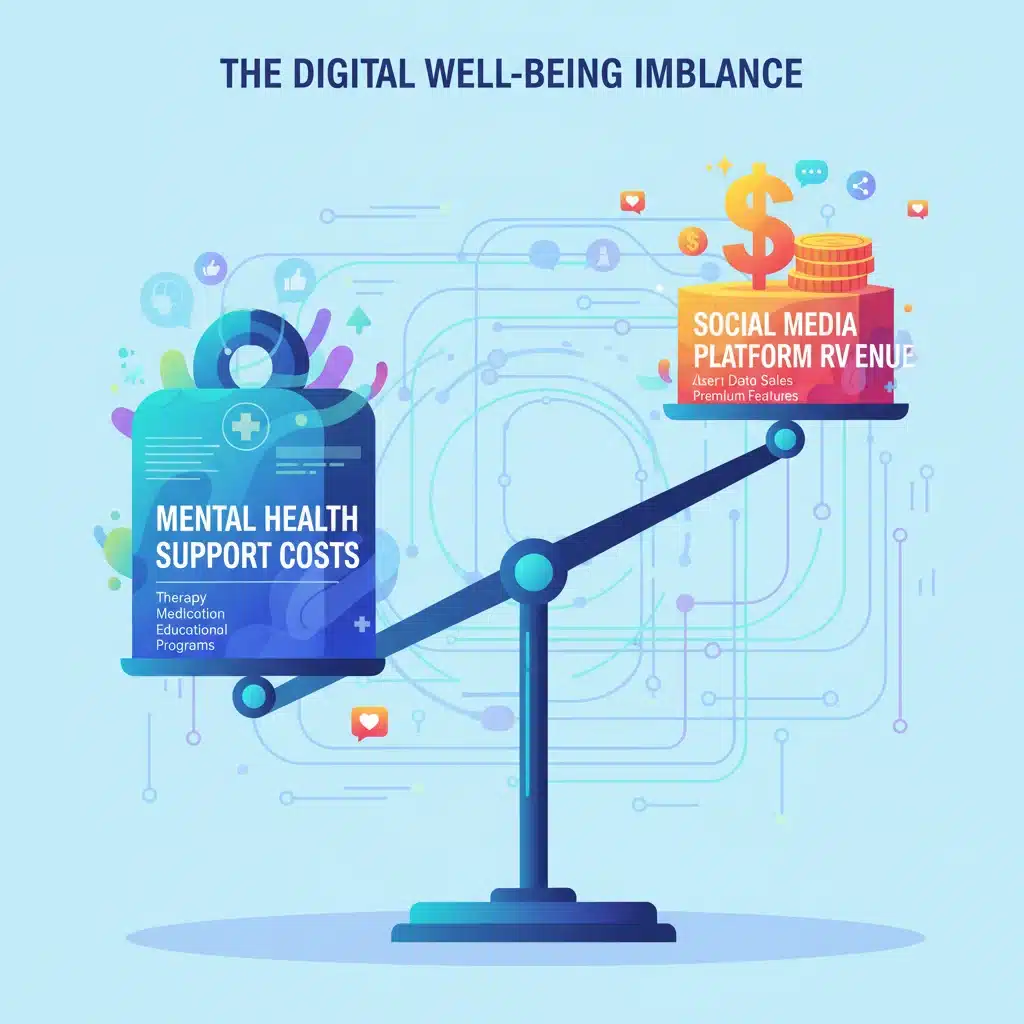
- Reduced Advertising Revenue: Stricter data privacy rules for minors and limitations on targeted advertising will likely lead to a decrease in ad revenue, particularly from advertisers targeting younger demographics. This could force platforms to rethink their business models.
- Potential Fines and Penalties: Non-compliance could result in massive fines, potentially running into billions of dollars, serving as a powerful deterrent and further impacting profitability.
These financial pressures could lead to several outcomes for platforms: some might innovate to meet the new standards, others might struggle to adapt, potentially leading to market consolidation or even the withdrawal of certain features or platforms from specific regions. There’s also the possibility that platforms may pass some of these costs onto advertisers or even users, through subscription models or premium features.
Financial Strain on Families
While the regulations aim to protect teenagers, families may also experience financial repercussions, albeit indirectly:
- Increased Costs for Parental Control Software: As platforms implement basic controls, parents might seek more advanced third-party parental control software, incurring additional subscription costs to further safeguard their children.
- Therapy and Mental Health Support: The existing crisis in teen mental health already places a significant financial burden on families. Therapy, counseling, medication, and specialized programs can be expensive, and while regulations aim to reduce the prevalence of these issues, the immediate need for support will persist. Insurance coverage for mental health services can be inadequate, leaving families to bear substantial out-of-pocket expenses.
- Educational Programs: Schools and community organizations may need to invest more in digital literacy and mental health education programs, potentially leading to increased taxes or fees.
- Opportunity Costs: Parents might spend more time monitoring their children’s online activities or engaging in discussions about digital safety, which, while beneficial, represents a time investment that could have other economic uses.
The hope is that by mitigating the negative impacts of social media, the long-term financial burden on families due to mental health crises will decrease. However, the transition period may see an initial increase in costs as systems adapt and services are expanded.
Broader Economic Implications
Beyond direct costs to platforms and families, the regulations could have broader economic implications:
- Innovation and Competition: The new regulatory environment could stifle innovation in some areas, as companies become more risk-averse. Conversely, it could spur innovation in ‘ethical tech’ and digital well-being solutions.
- Job Market Shifts: A demand for new roles in compliance, ethical AI, and mental health support within tech companies could emerge, while traditional advertising roles might shift.
- Public Health Spending: A reduction in teen mental health issues could, over time, lead to a decrease in public healthcare spending on related services, freeing up resources for other areas.
- Consumer Trust: Increased regulation, if effectively implemented, could restore consumer trust in social media platforms, potentially leading to more sustainable and responsible growth in the long run.
The financial landscape of the digital world is on the cusp of a significant transformation, driven by the imperative to protect the most vulnerable users.
Strategies for Parents and Educators in the Evolving Digital Landscape
As regulations evolve, parents and educators remain on the front lines of protecting teen mental health. Proactive strategies are essential to navigate the complexities of social media, even with new safeguards in place.
Open Communication and Digital Literacy
Fostering an environment of open communication is paramount. Parents should engage in regular, non-judgmental conversations with their teenagers about their online experiences, cyberbullying, and the pressures they face. Educating teenagers about digital literacy – critical thinking about online content, understanding privacy settings, and recognizing algorithmic biases – empowers them to make safer choices.
Setting Healthy Boundaries
Establishing clear rules and boundaries around screen time and social media use is crucial. This includes designated ‘no-phone zones’ (e.g., bedrooms, dinner tables) and ‘digital detox’ periods. Tools provided by the new 2026 regulations will aid in this, but parental involvement in setting and enforcing these limits is key. Co-creating a family media plan can be an effective approach.
Modeling Responsible Digital Behavior
Children often emulate their parents’ behavior. Adults should model responsible social media use, demonstrating balanced engagement, respecting privacy, and avoiding constant phone checking. This sets a positive example for teenagers as they navigate their own digital lives.
Encouraging Offline Activities and Real-World Connections
Balancing online interaction with offline activities is vital for holistic development and teen mental health. Encouraging participation in sports, hobbies, volunteering, and face-to-face social gatherings helps build resilience, diverse skill sets, and a stronger sense of self-worth independent of online validation.
Seeking Professional Help When Needed
Parents and educators must be vigilant in recognizing signs of distress or declining teen mental health. If a teenager exhibits prolonged sadness, anxiety, changes in sleep or eating habits, withdrawal, or self-harming behaviors, seeking professional help from a therapist, counselor, or doctor is imperative. Early intervention can make a significant difference.
The Future of Teen Mental Health in a Regulated Digital World
The 2026 regulations mark a pivotal moment in the ongoing effort to safeguard teen mental health in the digital age. While they present challenges for social media platforms and require adaptation from families, their ultimate goal is to create a more nurturing and less exploitative online environment for adolescents. The financial implications are substantial, reflecting the cost of rectifying past oversights and building a more responsible digital future.
It’s important to recognize that regulations alone are not a panacea. They are a crucial step, but their effectiveness will depend on rigorous enforcement, continuous adaptation to technological advancements, and ongoing collaboration between policymakers, tech companies, parents, educators, and mental health professionals. The conversation around teen mental health and social media is dynamic, requiring constant vigilance and a commitment to prioritizing the well-being of the next generation.
Ultimately, the goal is not to demonize social media entirely, but to harness its positive aspects while mitigating its harms. By fostering a culture of digital responsibility, promoting critical thinking, and implementing robust safeguards, we can aspire to a future where social media serves as a tool for empowerment and connection, rather than a detriment to teen mental health. The financial investments made today in regulatory compliance and mental health support are investments in the future resilience and well-being of our youth.