Gardening for Beginners: Grow 3 Easy Vegetables for Fresh Produce in Your 2026 US Garden
Are you dreaming of fresh, homegrown produce but feel overwhelmed by the thought of starting a garden? You’re not alone! Many aspiring gardeners hesitate, believing it requires extensive knowledge, time, and a green thumb they simply don’t possess. But what if I told you that in 2026, you could easily transform a small patch of your backyard into a thriving source of delicious vegetables? This comprehensive guide on beginner vegetable gardening is designed to demystify the process, providing you with the essential knowledge and confidence to cultivate your very own edible oasis. We’ll focus on three incredibly easy-to-grow vegetables that promise a rewarding harvest, even for the absolute novice. Get ready to dig in and discover the joy of fresh, healthy food grown right at home!
The journey into beginner vegetable gardening is not just about growing food; it’s about connecting with nature, understanding where your food comes from, and experiencing the immense satisfaction of nurturing something from seed to plate. Imagine stepping outside your door to pick crisp lettuce for your salad, juicy cherry tomatoes for a snack, or sweet snap peas for a stir-fry. This isn’t a far-fetched dream; it’s an achievable reality for anyone willing to dedicate a little time and effort. We’ll break down every step, from choosing the right spot to harvesting your bounty, ensuring your first foray into gardening is a resounding success.
Why Start Your Beginner Vegetable Gardening Journey in 2026?
There’s no time like the present to embark on your beginner vegetable gardening adventure, and 2026 offers a perfect opportunity to embrace sustainable living and healthy eating. The benefits extend far beyond just having fresh produce. Gardening is a fantastic way to reduce stress, get some gentle exercise, and spend more time outdoors. It also provides a hands-on learning experience for children, teaching them about nature, patience, and the food cycle. Furthermore, growing your own vegetables can significantly cut down on your grocery bill and give you complete control over the quality of your food, free from unwanted pesticides and chemicals.
The movement towards self-sufficiency and understanding food origins has gained considerable momentum. By starting your garden now, you’re joining a growing community of individuals who value fresh, local, and organic produce. Even a small plot can yield an impressive amount of food, contributing to a healthier lifestyle and a more sustainable household. We’ll help you navigate the initial steps, making sure your 2026 gardening season is fruitful and enjoyable.
Choosing the Perfect Spot: Location, Location, Location!
The first and arguably most crucial step in beginner vegetable gardening is selecting the right location for your garden. Vegetables, almost without exception, are sun-lovers. Most fruiting vegetables (like tomatoes, peppers, and cucumbers) require at least 6-8 hours of direct sunlight per day to thrive and produce abundantly. Leafy greens (like lettuce and spinach) can tolerate a bit less, perhaps 4-6 hours, and might even appreciate some afternoon shade in hotter climates.
Sunlight is Your Best Friend
- Observe Your Yard: Spend a day observing different areas of your yard. Note which spots receive full sun throughout the day and which are shaded by trees, fences, or your house.
- South-Facing is Ideal: In the Northern Hemisphere (which includes the US), a south-facing location typically receives the most sunlight.
- Avoid Root Competition: Steer clear of areas directly under large trees or shrubs, as their roots will compete with your vegetables for water and nutrients.
Water Access and Soil Quality
Proximity to a water source is another practical consideration. Hauling watering cans across a large yard can quickly become a chore, especially during dry spells. A garden hose should be able to reach your chosen spot easily. As for soil, while ideal soil is rich, loamy, and well-draining, don’t despair if your current soil isn’t perfect. We’ll discuss soil amendments later, but for now, just ensure the chosen spot isn’t perpetually waterlogged or extremely rocky.
Preparing Your Garden Bed for Success
Once you’ve identified your prime gardening location, it’s time to prepare the bed. This step is fundamental for successful beginner vegetable gardening. Good soil is the foundation for healthy plants, providing essential nutrients, proper drainage, and aeration for roots.
Clear the Area
Start by clearing any weeds, grass, or debris from your chosen garden spot. For small areas, hand-weeding is effective. For larger sections, you might consider methods like solarization (covering the area with clear plastic for several weeks to cook the weeds) or sheet mulching (layering cardboard, compost, and other organic materials to smother weeds and build soil).
Improve Your Soil
Most native soils benefit greatly from the addition of organic matter. This is where compost shines! Compost improves soil structure, enhances drainage in heavy clay soils, and increases water retention in sandy soils. It also provides a slow-release source of nutrients for your plants.
- Add Compost: Spread a 2-4 inch layer of good quality compost over your cleared garden bed.
- Incorporate It: Gently turn the compost into the top 6-12 inches of your existing soil using a garden fork or shovel. Avoid over-tilling, as it can disrupt beneficial soil microorganisms.
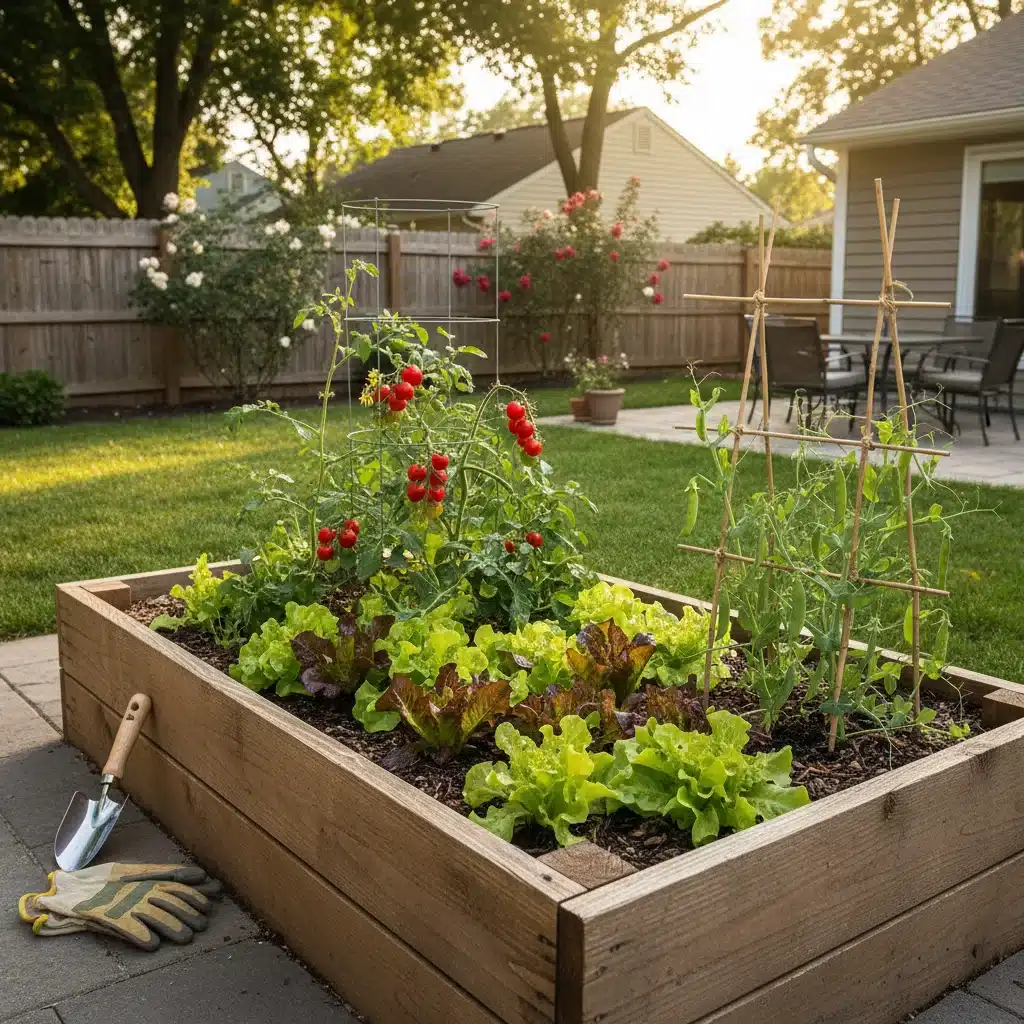
- Consider Raised Beds: For areas with poor soil or drainage, or if you prefer a more accessible garden, raised beds are an excellent option for beginner vegetable gardening. Fill them with a mix of good quality topsoil and compost.
Taking the time to prepare your soil properly will pay dividends throughout the growing season, leading to healthier plants and more abundant harvests.
The Fab Three: Easy Vegetables for Beginner Gardeners
Now for the exciting part – choosing what to grow! For your initial foray into beginner vegetable gardening, it’s wise to start with resilient, productive plants that are forgiving of common beginner mistakes. Here are three fantastic choices that will give you a taste of success:
1. Lettuce: The Speedy Salad Maker
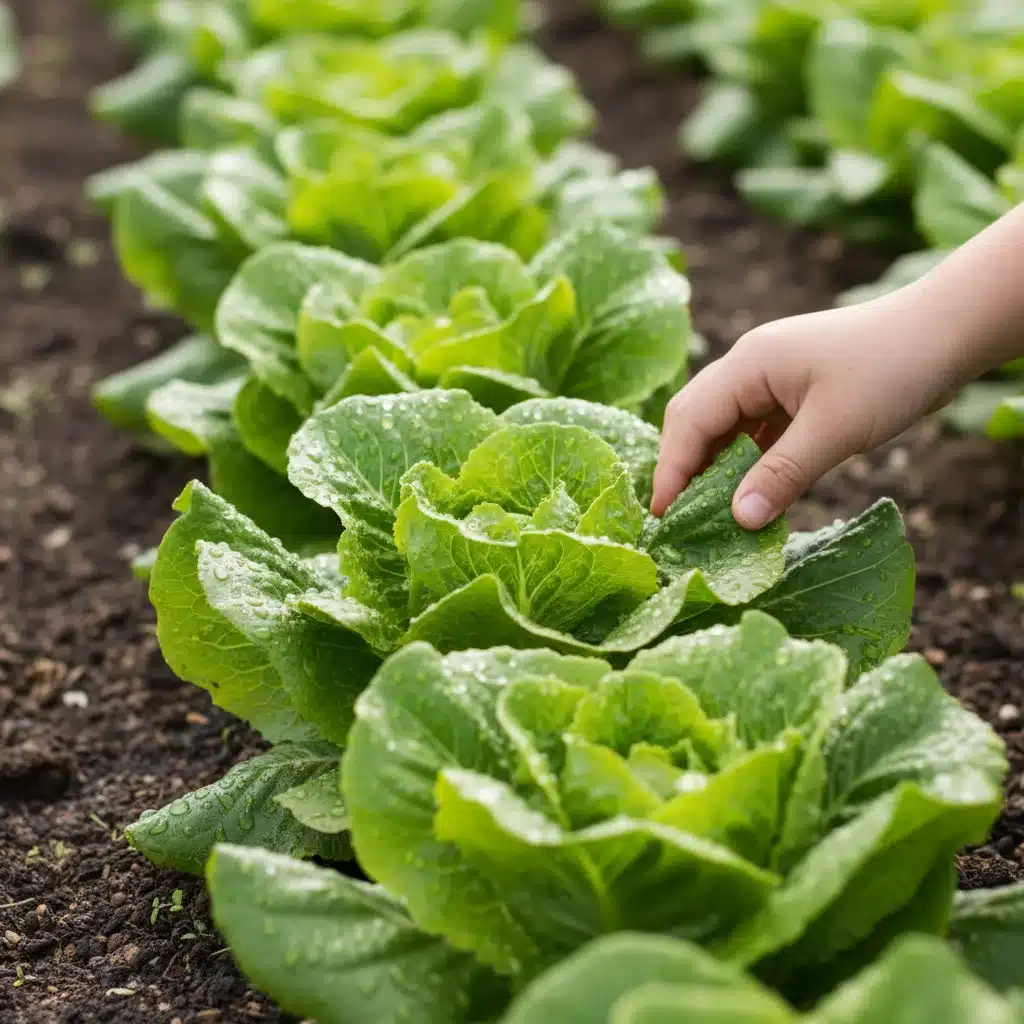
Lettuce is a dream for beginners. It grows quickly, doesn’t require a lot of space, and you can harvest it multiple times. Plus, fresh-from-the-garden lettuce tastes infinitely better than store-bought varieties!
Why Lettuce is Great for Beginners:
- Fast Growth: Many varieties are ready to harvest in as little as 30-45 days.
- Cut-and-Come-Again: You can pick outer leaves as needed, and the plant will continue to produce.
- Container Friendly: Perfect for pots or small garden spaces.
- Cool Season Crop: Thrives in spring and fall, avoiding the intense summer heat.
How to Grow Lettuce:
- Planting Time: Plant lettuce seeds or seedlings in early spring, as soon as the soil can be worked, and again in late summer for a fall harvest.
- Sunlight: Prefers partial shade in warmer climates, full sun in cooler ones.
- Spacing: Plant seeds about 1/2 inch deep and 1 inch apart. Once seedlings emerge, thin them to 6-12 inches apart, depending on the variety.
- Watering: Keep the soil consistently moist but not waterlogged.
- Harvest: Begin harvesting outer leaves when they are large enough to eat. The more you pick, the more the plant will produce.
2. Cherry Tomatoes: Sweet Rewards in Abundance
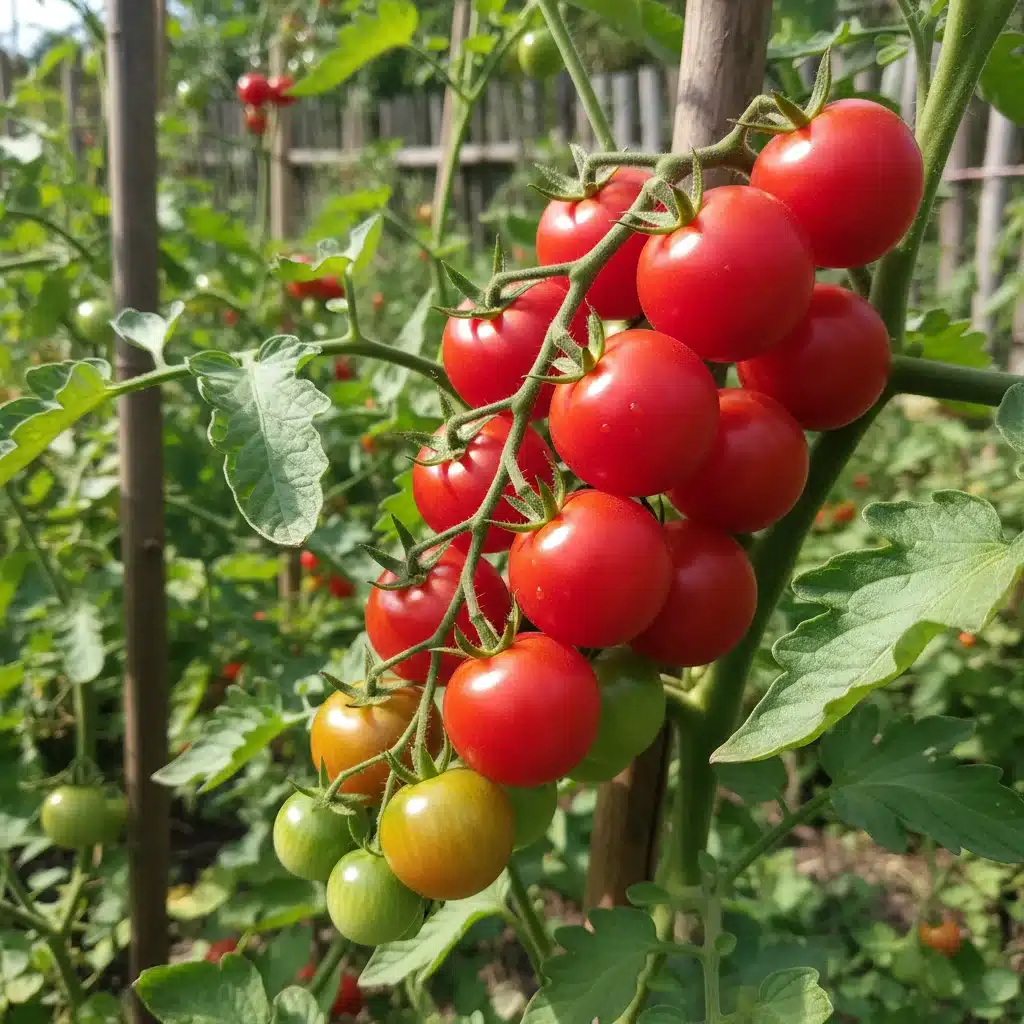
While larger tomatoes can be a bit more challenging, cherry tomatoes are incredibly forgiving and prolific. Their smaller size means they ripen faster, and their sweet flavor is a delightful reward for any beginner vegetable gardening effort.
Why Cherry Tomatoes are Great for Beginners:
- High Yield: A single plant can produce hundreds of small, delicious tomatoes.
- Faster Ripening: Quicker to mature than their larger counterparts.
- Versatile: Excellent for snacking, salads, or quick sauces.
- Relatively Disease Resistant: Many varieties show good resistance to common tomato ailments.
How to Grow Cherry Tomatoes:
- Planting Time: Plant seedlings after all danger of frost has passed, usually late spring to early summer. Tomatoes love warmth!
- Sunlight: Require at least 6-8 hours of direct sunlight per day.
- Spacing: Plant seedlings 2-3 feet apart.
- Support: Cherry tomatoes are indeterminate (they continue to grow and produce until frost), so they need strong support like a stake, cage, or trellis to keep the fruit off the ground.
- Watering: Water deeply and consistently, especially during fruiting. Avoid overhead watering to prevent fungal diseases.
- Harvest: Pick tomatoes when they are fully colored and firm. The more you pick, the more the plant will produce.
3. Snap Peas: Crunchy Delights Straight from the Vine
Snap peas are an absolute joy to grow for any beginner vegetable gardening enthusiast. They’re sweet, crunchy, and often eaten right off the vine. They are also a cool-season crop, making them perfect for early spring planting.
Why Snap Peas are Great for Beginners:
- Easy to Grow: Require minimal fuss once established.
- Delicious Raw: Perfect for snacking directly from the garden.
- Short Season: Quick to mature, providing an early harvest.
- Nitrogen Fixers: As legumes, they can actually improve your soil by adding nitrogen.
How to Grow Snap Peas:
- Planting Time: Plant seeds directly into the garden in early spring, as soon as the soil can be worked. They can tolerate light frosts.
- Sunlight: Prefer full sun but can tolerate partial shade in warmer climates.
- Spacing: Plant seeds 1 inch deep and 2 inches apart.
- Support: Snap peas are vining plants and need something to climb on – a trellis, netting, or even branches will work.
- Watering: Keep the soil consistently moist, especially during flowering and pod development.
- Harvest: Pick pods when they are plump and crunchy, usually 60-70 days after planting. Regular picking encourages more production.
Essential Beginner Vegetable Gardening Practices
Beyond planting, a few core practices will ensure your beginner vegetable gardening efforts flourish. These are simple habits that, once established, become second nature and significantly impact your garden’s health and productivity.
Watering Wisely
Proper watering is critical. Too much or too little can stress plants. The general rule of thumb is to provide 1 inch of water per week, either from rainfall or irrigation. However, this can vary based on your climate, soil type, and the specific needs of your plants. Focus on deep, infrequent watering rather than shallow, frequent sprinkles. This encourages roots to grow deeper, making plants more resilient to dry spells.
- Check Soil Moisture: Stick your finger into the soil about 1-2 inches deep. If it feels dry, it’s time to water.
- Water at the Base: Aim water directly at the base of the plants to minimize evaporation and keep foliage dry, which helps prevent fungal diseases.
- Morning is Best: Water in the morning to allow foliage to dry before nightfall.
Weed Control: Stay Ahead of the Game
Weeds compete with your vegetables for water, nutrients, and sunlight. Regular weeding is essential for healthy plants. The good news is that it’s much easier to pull small weeds than large, established ones.
- Mulch: Apply a 2-4 inch layer of organic mulch (like straw, shredded leaves, or wood chips) around your plants. Mulch suppresses weeds, conserves soil moisture, and moderates soil temperature.
- Hand Pulling: Regularly walk through your garden and pull out any weeds you see, especially after rain when the soil is soft.
- Hoeing: For larger areas, a hoe can be an effective tool for shallowly cutting weeds just below the soil surface.
Pest and Disease Management for Beginners
Don’t be discouraged if you encounter a few pests or diseases; it’s a natural part of gardening. The key for beginner vegetable gardening is early detection and appropriate action.
- Inspect Regularly: Routinely check your plants for any signs of trouble – chewed leaves, discolored spots, or visible insects.
- Identify the Problem: Use online resources or local garden centers to identify what you’re dealing with. Knowing the pest or disease is crucial for effective treatment.
- Organic Solutions First: For most common pests (aphids, slugs), simple solutions like hand-picking, a strong spray of water, or insecticidal soap can be very effective. For diseases, ensuring good air circulation and removing affected plant parts can help.
- Healthy Plants Resist: Strong, healthy plants are naturally more resistant to pests and diseases. Focus on good soil, proper watering, and adequate sunlight.
Harvesting Your Hard Work: The Sweetest Reward
The moment you’ve been waiting for! Knowing when and how to harvest your vegetables is key to enjoying their peak flavor and encouraging further production. For your beginner vegetable gardening efforts, these three crops offer straightforward harvesting.
Harvesting Lettuce
Lettuce can be harvested in a ‘cut-and-come-again’ fashion. Simply snip off the outer leaves at the base of the plant, leaving the inner leaves to continue growing. This allows for multiple harvests from a single plant. Alternatively, you can harvest the entire head once it reaches a desirable size. Harvest in the morning for the crispest leaves.
Harvesting Cherry Tomatoes
Cherry tomatoes are ready when they are fully colored (typically bright red, but check your specific variety) and feel firm to the touch. Gently twist or snip them off the vine, leaving a bit of the stem attached. Picking regularly encourages the plant to produce more fruit. Do not refrigerate fresh tomatoes; store them at room temperature for best flavor.
Harvesting Snap Peas
Snap peas are best harvested when the pods are plump, firm, and crunchy. The peas inside should be well-developed but still tender. If left on the vine too long, they can become tough and starchy. Snap them off the vine when they reach the desired size. Like lettuce, regular harvesting promotes more blooms and pods.
Troubleshooting Common Beginner Vegetable Gardening Challenges
Even with the easiest vegetables, you might encounter a few bumps in the road. Don’t let them deter your beginner vegetable gardening enthusiasm! Most problems have simple solutions.
Yellowing Leaves
- Cause: Often due to overwatering, underwatering, or nutrient deficiency.
- Solution: Check soil moisture. If too wet, reduce watering. If too dry, water deeply. If neither, consider a balanced organic fertilizer.
Slow Growth or No Flowers/Fruit
- Cause: Insufficient sunlight, poor soil, or lack of pollination.
- Solution: Ensure plants receive adequate sun. Improve soil with compost. For pollination, encourage beneficial insects by planting flowers nearby or hand-pollinate (especially for tomatoes).
Bolting Lettuce (Going to Seed)
- Cause: High temperatures and long daylight hours.
- Solution: Plant heat-tolerant varieties or provide afternoon shade. Harvest frequently to delay bolting. Once lettuce bolts, the leaves become bitter.
Extending Your Gardening Season and Future Plans
As you gain confidence in beginner vegetable gardening, you might want to extend your growing season or try new crops. Here are a few ideas:
- Succession Planting: For crops like lettuce and snap peas, plant small batches every 2-3 weeks. This ensures a continuous harvest rather than one large flush.
- Cold Frames or Row Covers: These simple structures can protect plants from early frosts and extend your harvest into late fall or even winter in some regions.
- Container Gardening: If space is limited, many vegetables thrive in containers. This is a fantastic way to experiment with new plants.
- Experiment with New Crops: Once you’ve mastered lettuce, cherry tomatoes, and snap peas, consider adding bush beans, radishes, or zucchini to your repertoire. These are also relatively easy for beginners.
Remember, gardening is a continuous learning process. Every season brings new lessons and new opportunities to grow. Don’t be afraid to experiment, observe your plants, and learn from both your successes and your challenges.
Conclusion: Your Green Thumb Awaits in 2026!
Embarking on your beginner vegetable gardening journey in 2026 is an incredibly rewarding decision. With a little planning, some basic tools, and the resilience of easy-to-grow vegetables like lettuce, cherry tomatoes, and snap peas, you are well on your way to enjoying a bountiful harvest. You’ve learned about choosing the right spot, preparing your soil, planting with care, and nurturing your plants through watering, weeding, and pest management. The satisfaction of eating food you’ve grown yourself is unparalleled, offering a connection to nature and a sense of accomplishment that store-bought produce simply can’t match.
So, gather your seeds, grab a trowel, and get ready to transform your backyard into a source of fresh, healthy, and delicious food. The journey of beginner vegetable gardening is an exciting one, full of discovery and delightful flavors. Here’s to a successful and delicious 2026 gardening season!