Neurotechnology Advancements: Decoding the 2026 Landscape of Brain-Computer Interfaces in the US
Neurotechnology Advancements: Decoding the 2026 Landscape of Brain-Computer Interfaces in the US
Exploring the Future of Human-Computer Interaction Through BCI Advancements 2026
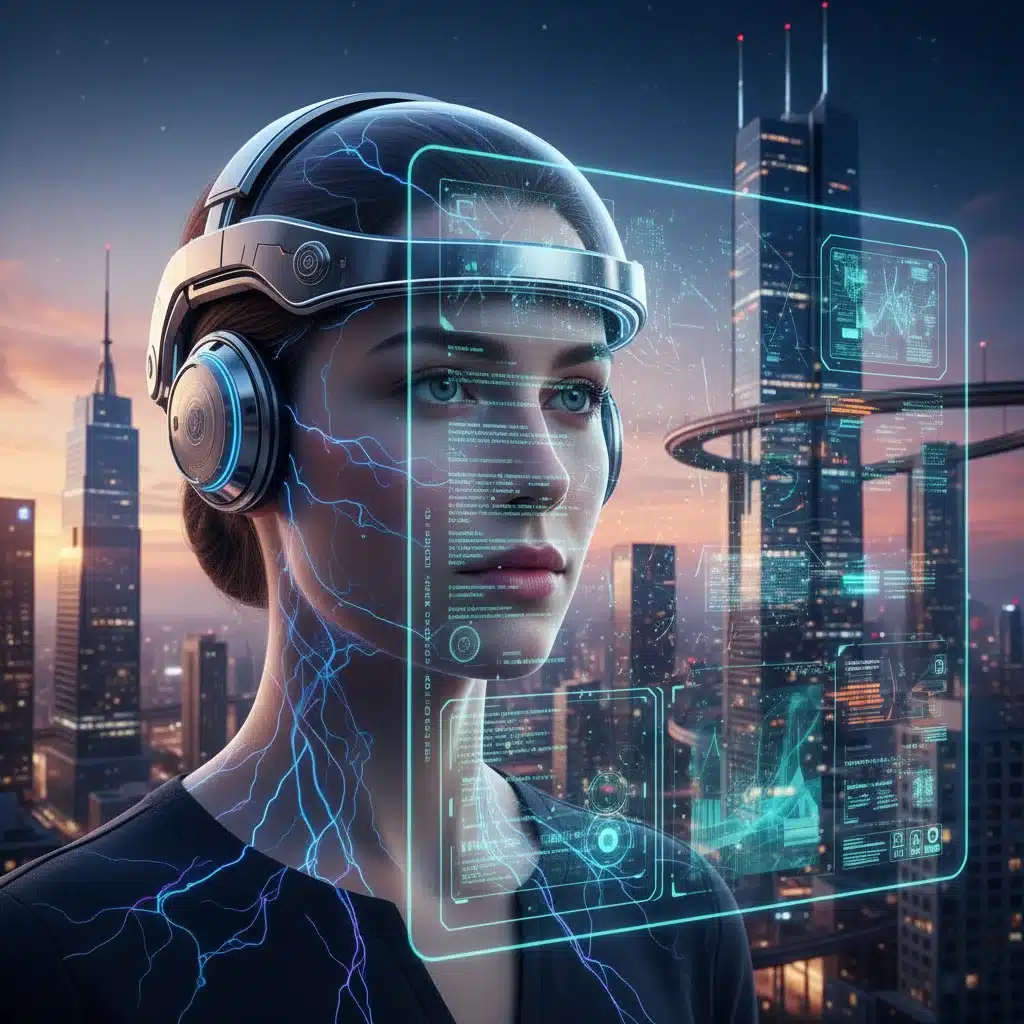
The dawn of the 21st century has been marked by unprecedented technological innovation, but few fields captivate the imagination and hold as much transformative potential as neurotechnology. At its core, neurotechnology seeks to understand and interact with the human nervous system, and at the forefront of this revolution are Brain-Computer Interfaces (BCIs). These remarkable systems bridge the gap between human thought and digital command, offering a glimpse into a future where minds can directly control machines, restore lost functions, and even augment human capabilities. As we approach 2026, the United States stands as a pivotal hub for these BCI advancements 2026, with a dynamic ecosystem of research institutions, startups, and established tech giants pushing the boundaries of what’s possible.
The pace of innovation in neurotechnology is accelerating. What once belonged to the realm of science fiction is rapidly becoming a tangible reality. By 2026, we anticipate significant strides in both invasive and non-invasive BCI technologies, driven by breakthroughs in neuroscience, material science, artificial intelligence, and miniaturization. This article will meticulously dissect the projected landscape of BCI in the US by 2026, examining key technological developments, the burgeoning market, regulatory challenges, ethical considerations, and the profound societal impact these advancements are poised to create. Our focus will remain on the critical theme of BCI advancements 2026, providing a comprehensive overview for enthusiasts, professionals, and policymakers alike.
The Current State of BCI: A Foundation for 2026
Before peering into the future, it’s essential to understand the current foundation upon which BCI advancements 2026 will be built. Brain-Computer Interfaces can broadly be categorized into two main types: invasive and non-invasive. Each has its own set of advantages, limitations, and specific applications.
Invasive BCIs: Precision and Promise
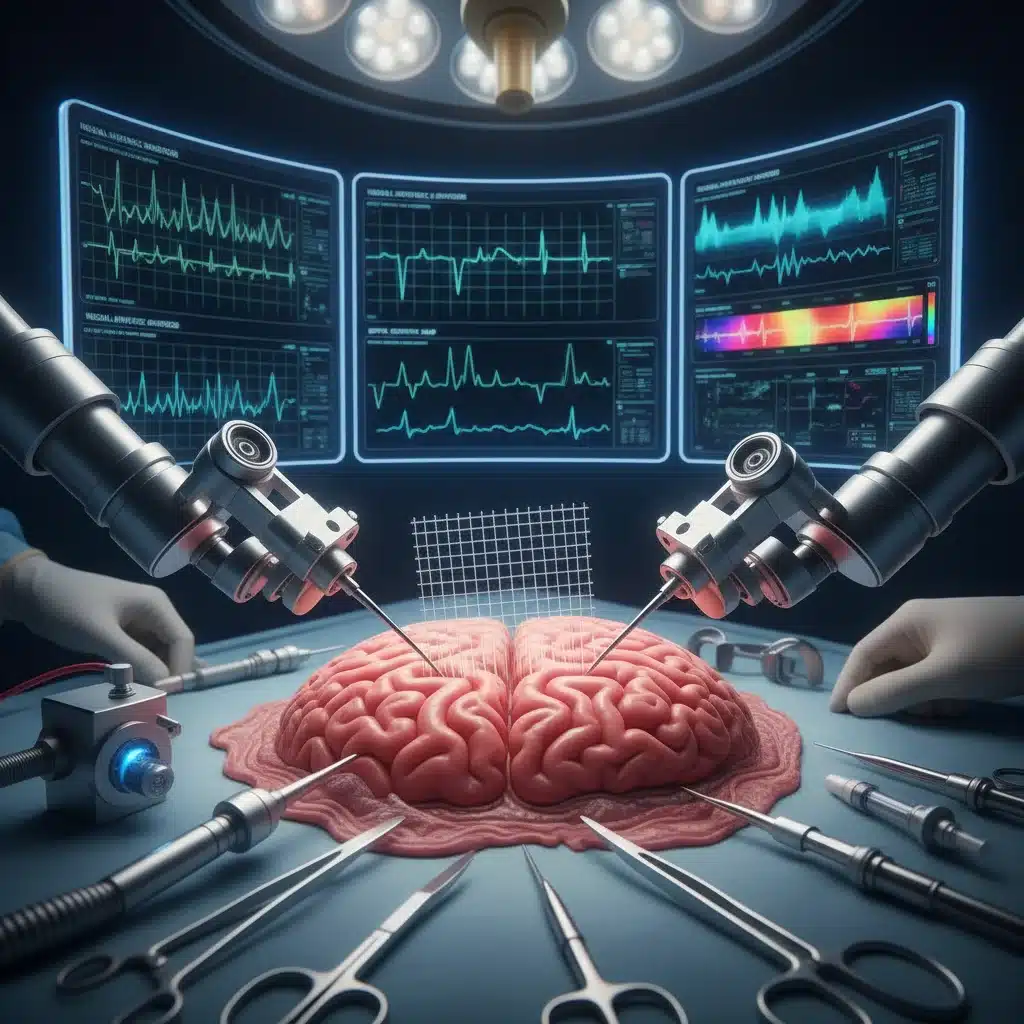
Invasive BCIs involve surgical implantation of electrodes directly into the brain. This direct contact with neural tissue allows for high-fidelity signal acquisition, translating into more precise and nuanced control. Current applications are primarily therapeutic, aiming to restore motor function in paralyzed individuals, provide communication for those with locked-in syndrome, and potentially treat neurological disorders like epilepsy or Parkinson’s disease. Companies like Neuralink, Synchron, and Blackrock Neurotech are leading the charge in this domain. Their work has demonstrated remarkable success in allowing patients to control robotic limbs, type on screens with their thoughts, and even regain a sense of touch.
The challenges with invasive BCIs include the inherent risks associated with brain surgery, the potential for scar tissue formation (gliosis) which can degrade signal quality over time, and the long-term biocompatibility of implanted materials. However, ongoing research is addressing these issues through novel electrode designs, advanced surgical techniques, and biocompatible coatings, paving the way for more durable and effective implants by 2026.
Non-Invasive BCIs: Accessibility and Broad Appeal
Non-invasive BCIs, such as those utilizing electroencephalography (EEG), magnetoencephalography (MEG), or functional near-infrared spectroscopy (fNIRS), do not require surgery. They detect brain activity from outside the skull, making them safer and more accessible. While their signal resolution is generally lower than invasive methods, non-invasive BCIs have found applications in areas like gaming, meditation, cognitive training, and controlling assistive devices.
The primary hurdle for non-invasive BCIs is signal-to-noise ratio. The skull, scalp, and other tissues attenuate and distort brain signals, making it challenging to isolate specific neural commands. Nevertheless, significant progress is being made in signal processing algorithms, machine learning, and sensor technology to improve their accuracy and reliability. By 2026, we can expect to see more sophisticated and user-friendly non-invasive BCI devices entering the consumer market, driven by these BCI advancements 2026.
Key Technological Drivers for BCI Advancements 2026
Several interconnected technological advancements are fueling the rapid progress in BCI. Understanding these drivers is crucial to appreciating the projected landscape of BCI advancements 2026.
Artificial Intelligence and Machine Learning
AI and machine learning (ML) algorithms are the unsung heroes of modern BCI. They are indispensable for decoding complex brain signals, distinguishing intentional commands from noise, and adapting to individual neural patterns. By 2026, expect to see even more sophisticated AI models, including deep learning architectures, that can interpret brain activity with unprecedented accuracy and speed. These algorithms will enable more intuitive control, reduce training times, and personalize BCI experiences, making them more effective for a wider range of users. The integration of advanced AI will be a cornerstone of BCI advancements 2026.
Miniaturization and Material Science
The relentless march of miniaturization continues to benefit BCI technology. Smaller, more flexible, and more durable electrodes and sensors are being developed, reducing invasiveness and improving long-term performance. Advances in biocompatible materials are crucial for minimizing immune responses and ensuring the longevity of implanted devices. Expect novel materials like graphene, carbon nanotubes, and advanced polymers to play a significant role in the next generation of BCI hardware by 2026, contributing significantly to BCI advancements 2026.
Wireless Power and Data Transmission
For both invasive and non-invasive BCIs, seamless power delivery and high-bandwidth data transmission are critical. Wireless power solutions are eliminating the need for cumbersome external batteries or transcutaneous wires, reducing infection risks and improving user convenience for invasive devices. Similarly, high-speed wireless data transfer protocols are enabling real-time processing of vast amounts of neural data, which is essential for responsive and functional BCI systems. These wireless capabilities will be a hallmark of BCI advancements 2026, enhancing user freedom and device integration.
Neuroplasticity and Targeted Neurostimulation
Beyond simply reading brain signals, future BCIs will increasingly incorporate capabilities for modulating brain activity. Targeted neurostimulation, using techniques like transcranial magnetic stimulation (TMS) or focused ultrasound, can enhance neuroplasticity, helping the brain adapt and learn to use BCI more effectively. This bidirectional communication – reading and writing to the brain – holds immense promise for rehabilitation, cognitive enhancement, and treating neurological conditions. By 2026, integrated BCI-neurostimulation systems will represent a significant leap in therapeutic applications, underscoring the breadth of BCI advancements 2026.
Projected Applications and Market Trends for BCI in the US by 2026
The market for BCI technology in the US is poised for substantial growth, driven by increasing investment, technological maturity, and a widening array of applications. By 2026, we can anticipate several key areas where BCI will make a significant impact.
Medical and Rehabilitation
This remains the most mature and impactful sector for BCI. By 2026, invasive BCIs will offer more refined control over prosthetic limbs, exoskeletons, and functional electrical stimulation devices, profoundly improving the quality of life for individuals with paralysis or severe motor impairments. Communication BCIs will become more robust, allowing individuals with conditions like ALS or locked-in syndrome to interact with the world with greater ease and speed. Non-invasive BCIs will also see increased use in stroke rehabilitation, attention-deficit disorders, and pain management, leveraging neurofeedback and cognitive training. These therapeutic applications are central to the narrative of BCI advancements 2026.
Augmentation and Enhancement
While still in early stages, the concept of human augmentation through BCI will gain traction by 2026. This could include cognitive enhancement for memory, focus, or learning, particularly in niche professional fields. Non-invasive BCIs might offer enhanced control over smart homes, vehicles, or industrial machinery, improving efficiency and safety. The ethical implications of augmentation will be a critical discussion point as these BCI advancements 2026 become more prevalent.
Gaming and Entertainment
The gaming industry is a natural fit for non-invasive BCI. By 2026, more sophisticated BCI-enabled games will emerge, offering immersive experiences where players can control avatars or game elements with their thoughts. Beyond gaming, entertainment applications could include interactive art installations, virtual reality experiences, and even new forms of creative expression, driven by the accessibility of non-invasive BCI advancements 2026.
Mental Health and Wellness
Non-invasive BCIs are already being explored for their potential in mental health. By 2026, we could see more widespread adoption of BCI devices for stress reduction, meditation, and improving sleep quality through neurofeedback. Furthermore, research into using BCIs for diagnosing and monitoring conditions like depression, anxiety, and PTSD will likely yield promising results, offering new avenues for personalized mental healthcare. These applications highlight the diverse impact of BCI advancements 2026.
Regulatory and Ethical Landscape for BCI Advancements 2026
As BCI technology matures, the regulatory and ethical frameworks surrounding its development and deployment become increasingly critical. The US, with its robust regulatory bodies, will play a crucial role in shaping the responsible integration of these technologies.
Regulatory Challenges
The FDA (Food and Drug Administration) currently classifies many invasive BCIs as Class III medical devices, requiring rigorous testing and approval processes. By 2026, the FDA will likely need to refine its guidelines to accommodate the rapid pace of BCI advancements 2026, particularly concerning AI-driven algorithms and adaptive systems. Non-invasive BCIs, especially those marketed for wellness or consumer use, face a less clear regulatory path, and there will be increasing pressure to establish clear standards for safety, efficacy, and data privacy.
Ethical Considerations
The ethical implications of BCI are profound and multifaceted. Key concerns include:
- Privacy and Data Security: Brain data is arguably the most sensitive personal information. Ensuring robust encryption, secure storage, and transparent consent mechanisms for neural data will be paramount. Who owns this data, and how will it be protected from misuse or cyber threats? This will be a central discussion in BCI advancements 2026.
- Autonomy and Identity: As BCIs become more sophisticated, questions arise about the boundaries between human thought and machine influence. Could BCIs alter personality, decision-making, or even a sense of self? Maintaining user autonomy and ensuring informed consent for such profound interventions is crucial.
- Equity and Access: High-end BCI technologies are likely to be expensive initially. How can we ensure equitable access to these life-changing technologies, preventing a ‘neuro-divide’ where only the privileged can benefit? Policies promoting affordability and accessibility will be vital for widespread BCI advancements 2026.
- Bias and Discrimination: AI algorithms trained on biased datasets could lead to discriminatory outcomes in BCI applications. Ensuring fairness, transparency, and accountability in AI development for BCI is essential to prevent unintended social harms.
- Dual-Use Dilemmas: Like many powerful technologies, BCIs have potential dual-use applications, meaning they could be used for both beneficial and harmful purposes. Establishing clear ethical guidelines and oversight mechanisms will be necessary to mitigate risks.
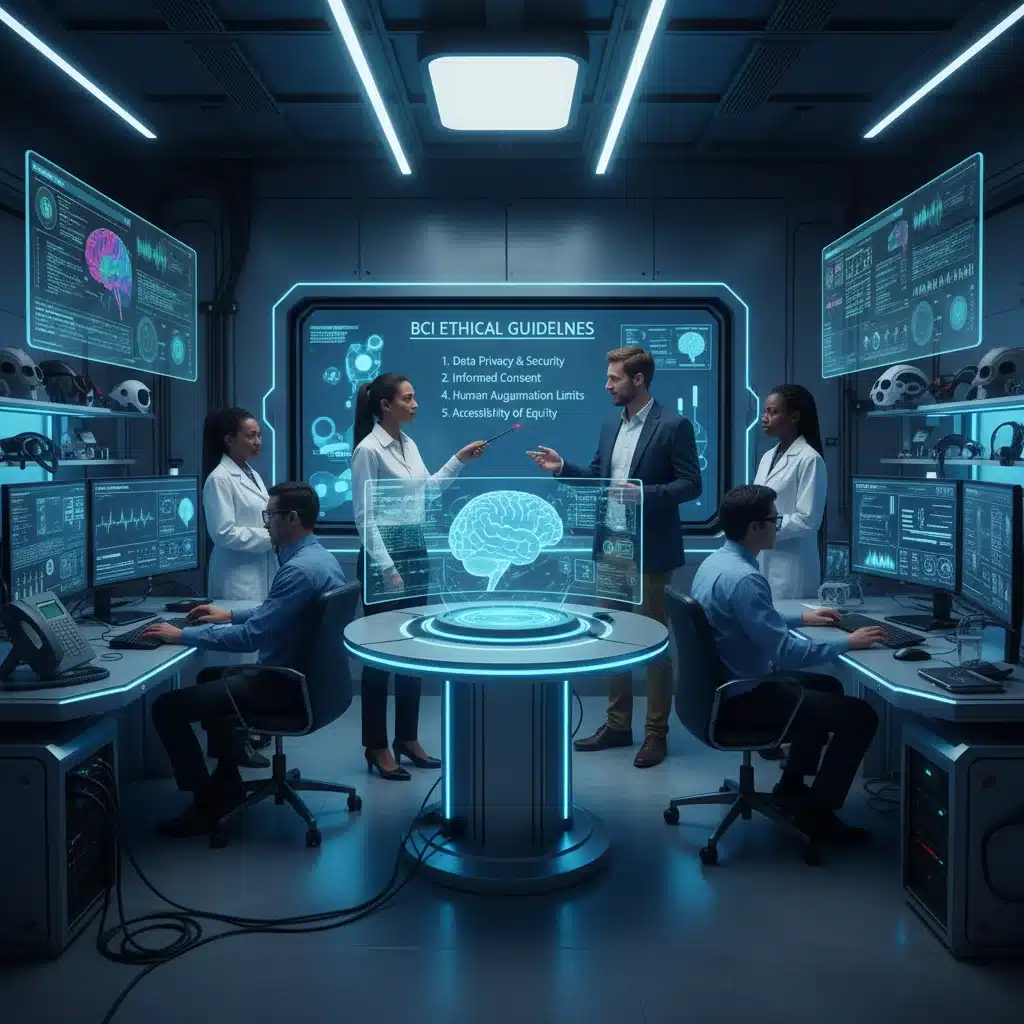
By 2026, extensive public discourse, interdisciplinary collaboration among neuroscientists, ethicists, legal experts, and policymakers will be essential to navigate these complex ethical terrains and establish responsible guidelines for BCI advancements 2026.
Major Players and Investment in the US BCI Landscape
The United States is a global leader in neurotechnology research and development, attracting significant investment and fostering a vibrant ecosystem of innovation. By 2026, this landscape will be even more competitive and dynamic.
Research Institutions and Universities
Leading universities and research centers across the US, such as Stanford, MIT, Harvard, UC Berkeley, and the University of Washington, are at the forefront of fundamental neuroscience research and BCI development. These institutions are responsible for groundbreaking discoveries in neural coding, signal processing, and material science, often collaborating with industry partners to translate research into practical applications. Their continued contributions are foundational to all BCI advancements 2026.
Startups and Innovators
A burgeoning number of startups are driving rapid innovation in the BCI space. Companies like Neuralink (invasive, high-bandwidth BCI), Synchron (minimally invasive, endovascular BCI), Blackrock Neurotech (high-performance invasive BCI for motor control), and Neurable (non-invasive, cognitive BCI) are pushing technological boundaries. These companies are attracting substantial venture capital, indicating strong confidence in the future of BCI. Their agility and focus on specific problems are key to accelerating BCI advancements 2026.
Big Tech’s Entry
Major technology companies are increasingly recognizing the strategic importance of neurotechnology. While some, like Meta (formerly Facebook Reality Labs, now Reality Labs), have explored non-invasive BCI for augmented and virtual reality, others are investing in research or acquiring smaller BCI firms. By 2026, expect to see more pronounced involvement from tech giants, potentially leading to more consumer-oriented BCI applications and further accelerating the pace of BCI advancements 2026.
Government Funding and Initiatives
US government agencies, including the National Institutes of Health (NIH), DARPA (Defense Advanced Research Projects Agency), and the National Science Foundation (NSF), provide significant funding for neurotechnology research. Programs like the BRAIN Initiative continue to fuel fundamental neuroscience discoveries that directly impact BCI development. This sustained public investment is crucial for long-term progress in BCI advancements 2026.
The Transformative Impact of BCI Advancements 2026 on Society
The widespread adoption of advanced BCI technologies by 2026 will have a profound and multifaceted impact on American society, touching upon various aspects of daily life, healthcare, and human interaction.
Revolutionizing Healthcare and Accessibility
For millions living with neurological disorders, spinal cord injuries, or severe disabilities, BCI advancements 2026 will offer unprecedented levels of independence and quality of life. The ability to communicate, move, and interact with the environment through thought alone will redefine what it means to live with a disability. This could lead to a significant reduction in healthcare costs associated with long-term care, while simultaneously empowering individuals to participate more fully in society and the workforce.
Reshaping Work and Productivity
While still nascent, the potential for BCIs to enhance productivity in certain professional domains is considerable. Imagine surgeons controlling instruments with greater precision, architects designing complex structures directly from their minds, or pilots operating advanced aircraft with intuitive thought commands. By 2026, early versions of these applications, particularly in highly specialized fields, could begin to emerge, driven by targeted BCI advancements 2026.
Evolving Human-Computer Interaction
The traditional keyboard, mouse, and touchscreen may eventually be augmented or even replaced by direct neural interfaces. This paradigm shift in human-computer interaction will make technology more seamless, intuitive, and integrated into our cognitive processes. From controlling smart devices in our homes to navigating complex digital environments, BCIs promise a future where technology responds directly to our intentions, marking a significant milestone in BCI advancements 2026.
New Frontiers in Education and Learning
BCIs could revolutionize education by providing personalized learning experiences that adapt to an individual’s cognitive state. Neurofeedback techniques could help students improve focus, memory, and comprehension. While broad application might be beyond 2026, the foundational research and early prototypes for such educational BCIs will be firmly established, building upon the core BCI advancements 2026.
Challenges and Roadblocks for BCI Advancements 2026
Despite the optimistic outlook, several significant challenges must be overcome for BCI technology to reach its full potential by 2026.
Technical Hurdles
- Signal Stability and Longevity: For invasive BCIs, maintaining stable, high-quality neural signals over many years remains a challenge due to biological reactions and device degradation.
- Decoding Complexity: The human brain is incredibly complex. Accurately decoding nuanced thoughts, intentions, and emotions from neural signals requires vastly more sophisticated algorithms than currently exist.
- Bandwidth and Latency: For truly seamless interaction, BCIs need to transmit and process neural data with very high bandwidth and extremely low latency, which is a significant engineering challenge.
- Power Consumption: Miniaturized, wireless BCI devices require highly efficient power sources that can last for extended periods without frequent recharging.
Societal Acceptance and Public Perception
Public perception of BCI technology is crucial. Misconceptions, fears of mind control, or concerns about privacy could hinder adoption. Transparent communication, public education, and robust ethical frameworks will be essential to build trust and foster societal acceptance of BCI advancements 2026.
Cost and Accessibility
The high cost of developing, manufacturing, and implanting advanced BCI devices could limit their accessibility to a select few. Strategies to reduce costs and ensure insurance coverage will be vital for widespread adoption and equitable benefit from BCI advancements 2026.
Conclusion: The Near Future of Brain-Computer Interfaces in the US
The landscape of Brain-Computer Interfaces in the US by 2026 is one of immense promise and rapid evolution. Driven by synergistic advancements in AI, material science, and neuroscience, BCI technology is poised to move beyond niche therapeutic applications into broader domains of human augmentation, communication, and interaction. We are on the cusp of a new era where the human mind and digital world are more intimately connected than ever before.
While the journey is not without its technical, ethical, and regulatory hurdles, the collective efforts of researchers, innovators, policymakers, and the public will shape a future where BCI technology empowers individuals, enhances capabilities, and ultimately redefines the human experience. The BCI advancements 2026 will lay critical groundwork for an even more integrated and neuro-augmented future, promising a world where thought can transcend physical limitations and unlock new dimensions of human potential. The coming years will be pivotal in establishing the foundations for a truly mind-bending future.