Bridging the Digital Divide: Broadband Access for Rural America in 2026
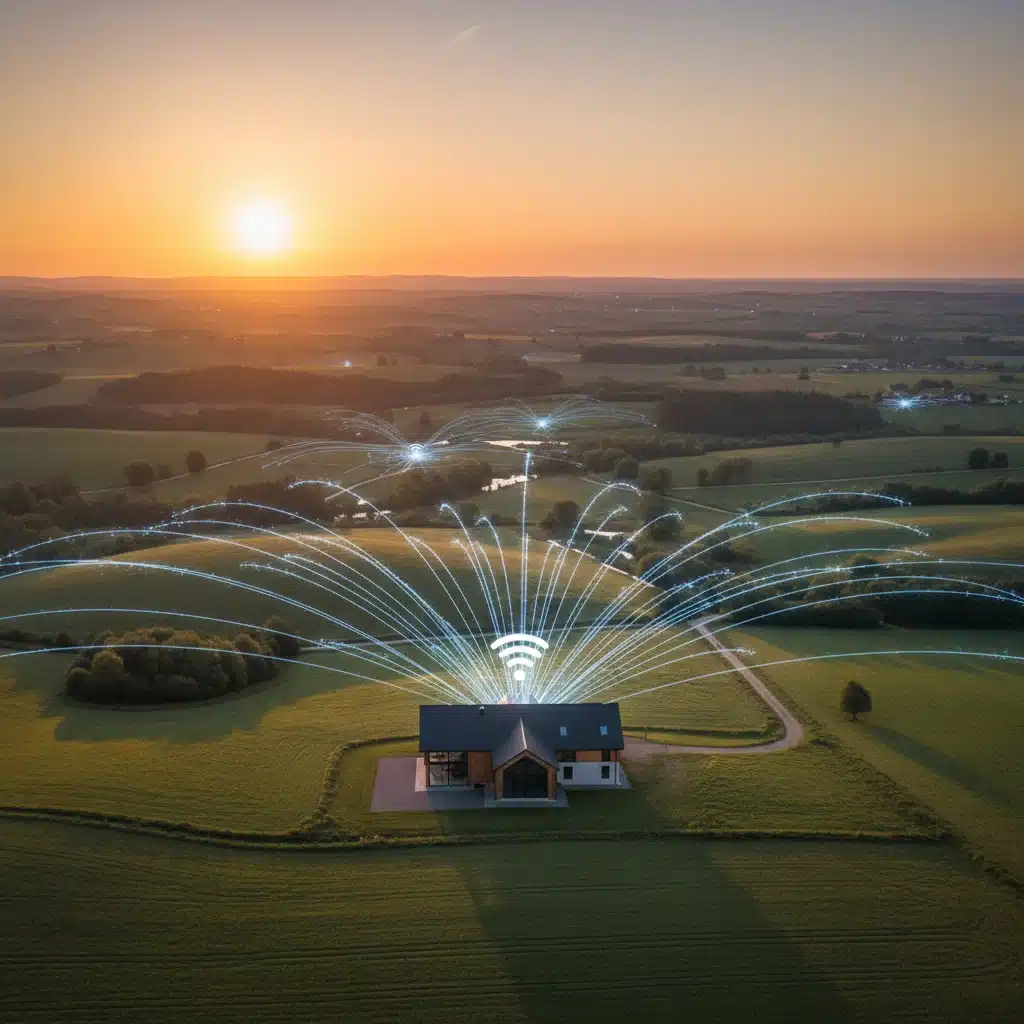
The year is 2026. In an era where artificial intelligence is commonplace, self-driving cars navigate urban landscapes, and virtual reality offers immersive experiences, a significant portion of the United States population remains disconnected from the fundamental infrastructure of the 21st century: high-speed internet. Specifically, approximately 15% of rural Americans continue to grapple with inadequate or non-existent rural broadband access, a stark reality that underscores a persistent and widening digital divide. This isn’t merely an inconvenience; it’s a barrier to education, healthcare, economic opportunity, and social engagement. The implications of this disparity are profound, affecting everything from a child’s ability to complete homework to a farmer’s capacity to leverage precision agriculture technologies. As we move further into the digital age, the urgency to address this issue grows exponentially, demanding innovative solutions and concerted efforts from policymakers, technology providers, and communities alike.
Understanding the Persistent Digital Divide in Rural Broadband Access
The term “digital divide” might sound like a relic of the early internet era, but for millions of Americans living in rural areas, it’s a daily struggle. Despite numerous initiatives and significant investments over the past decade, the problem of rural broadband access remains stubbornly entrenched. Why, in 2026, are we still talking about this? The answer is multi-faceted, involving complex geographical, economic, and logistical challenges. Rural areas, by their very nature, are characterized by low population density and vast distances, making the deployment of traditional wired infrastructure, such as fiber optics, prohibitively expensive for internet service providers (ISPs). The return on investment in these sparsely populated regions often doesn’t justify the upfront costs, leading to a market failure where private companies are reluctant to invest.
Furthermore, the definition of “broadband” itself has evolved, often leaving rural areas playing catch-up. What was considered high-speed internet a decade ago is now insufficient for the demands of modern digital life, which includes high-definition streaming, online gaming, cloud computing, and bandwidth-intensive applications for work and education. This moving target means that even areas that once had some form of internet access may now be considered underserved or unserved by contemporary standards. The lack of competitive options in many rural markets also contributes to the problem, leading to higher prices and lower quality of service compared to urban areas. This creates a vicious cycle: limited competition means less incentive for ISPs to upgrade infrastructure, further exacerbating the gap in rural broadband access.
Beyond infrastructure, there are also socio-economic factors at play. Even where broadband is available, affordability can be a major hurdle for low-income households in rural communities. The cost of internet service, coupled with the expense of necessary equipment like computers or tablets, can make digital inclusion unattainable for many. This financial barrier contributes significantly to the persistence of the digital divide, highlighting that simply building out infrastructure isn’t enough; equitable access also requires addressing the economic realities of rural residents. This holistic understanding is crucial for developing effective strategies to finally close the gap in rural broadband access.
The Socio-Economic Impact of Limited Connectivity
The absence of reliable rural broadband access has cascading effects across nearly every facet of life in rural communities. Economically, it stifles growth and innovation. Small businesses struggle to compete in a global marketplace that increasingly relies on e-commerce, digital marketing, and cloud-based services. Entrepreneurs are less likely to start new ventures in areas lacking robust internet infrastructure, leading to job losses and a brain drain as younger, digitally-savvy individuals move to more connected regions. Agriculture, a cornerstone of many rural economies, is also being transformed by technology, with precision farming techniques and data analytics offering significant improvements in efficiency and yield. Without adequate broadband, rural farmers are unable to harness these advancements, putting them at a disadvantage and potentially impacting food security and economic stability.
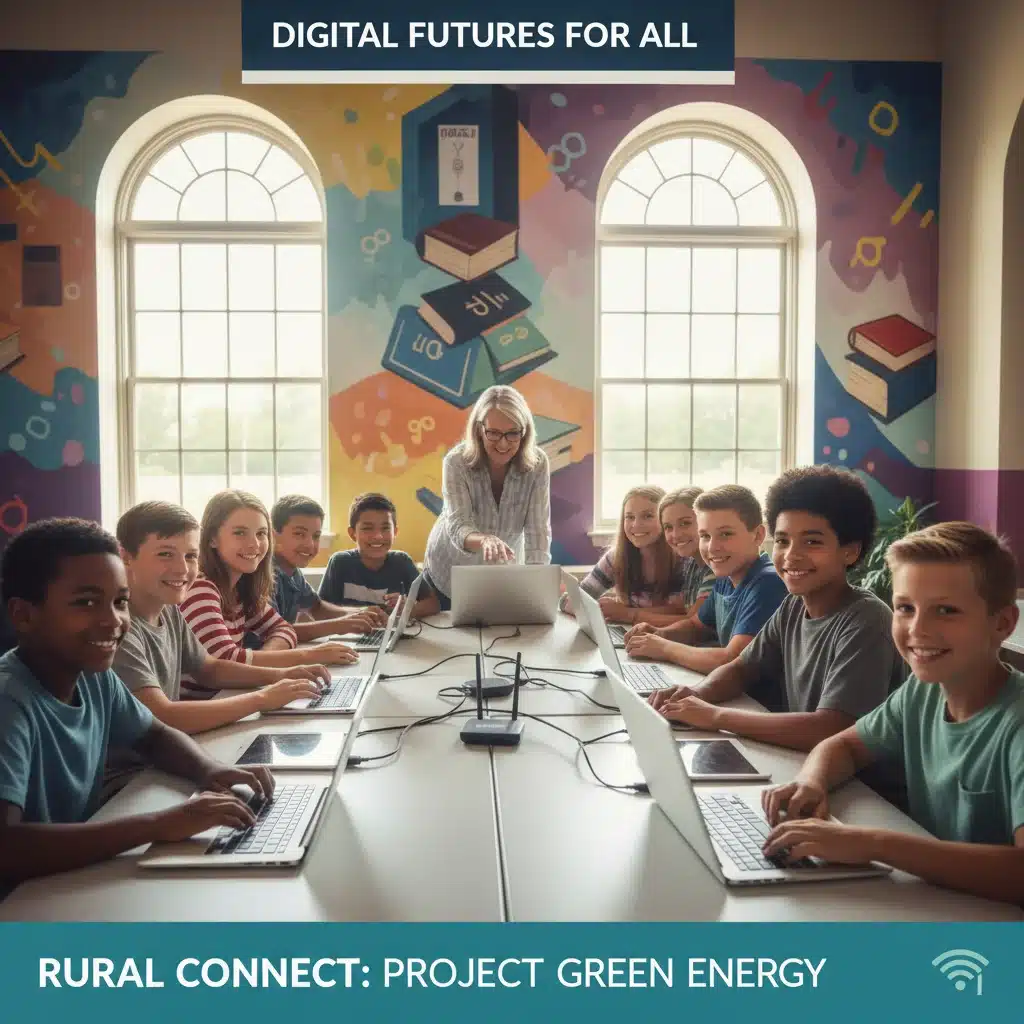
In education, the digital divide creates profound inequities. The COVID-19 pandemic vividly exposed the challenges faced by students in rural areas who lacked internet access for remote learning. While the immediate crisis has passed, the need for reliable internet for homework, online research, and access to educational resources remains critical. Students without home broadband are often forced to rely on school or library Wi-Fi, which may be inaccessible after hours or involve long commutes, hindering their academic performance and future opportunities. This educational disparity perpetuates cycles of disadvantage, making it harder for rural youth to compete for higher education and skilled jobs. The long-term consequences for human capital development in these regions are severe.
Healthcare is another sector heavily impacted. Telemedicine has emerged as a vital tool for improving access to medical care, particularly in rural areas where healthcare providers are scarce. From routine check-ups to mental health counseling and specialized consultations, telemedicine can reduce travel burdens and ensure timely care. However, without dependable rural broadband access, these services remain out of reach for many. This not only affects individual health outcomes but also places a greater strain on already limited local healthcare facilities. The ability to monitor chronic conditions remotely, access digital health records, and participate in online support groups are all contingent on a robust internet connection, underscoring the life-saving potential of universal broadband.
Current Initiatives and Their Effectiveness in 2026
Recognizing the severity of the digital divide, governments at federal, state, and local levels, along with private organizations, have launched numerous initiatives aimed at expanding rural broadband access. The Broadband Equity, Access, and Deployment (BEAD) Program, a cornerstone of federal efforts, has allocated billions of dollars to states for broadband infrastructure projects. This program emphasizes ‘future-proof’ fiber optic networks and aims to ensure that every American has access to affordable, reliable high-speed internet. While BEAD represents an unprecedented investment, its implementation is complex, involving detailed state planning, coordination with local entities, and careful oversight to ensure funds are used effectively and reach the unserved and underserved.
Beyond BEAD, other federal programs, such as those administered by the USDA’s Rural Utilities Service (RUS), continue to provide loans and grants for rural broadband development. These programs often target smaller, independent providers or cooperatives that are more willing to serve remote areas. State-level initiatives also play a crucial role, often complementing federal funding with their own grants, tax incentives, and regulatory frameworks designed to encourage broadband deployment. Some states have even established their own broadband offices to streamline planning and execution, demonstrating a strong commitment to closing the gap in rural broadband access.
Technological advancements are also contributing to the solution. Satellite internet, particularly from low-Earth orbit (LEO) constellations like Starlink, has emerged as a viable option for some of the most remote locations where traditional ground-based infrastructure is impractical. While LEO satellite internet offers significantly lower latency and higher speeds than previous generations of satellite technology, it still faces challenges related to cost, data caps, and line-of-sight requirements. Fixed wireless access (FWA), which uses cellular technology to deliver broadband over radio waves, is another increasingly popular solution, especially for areas that are too dispersed for fiber but not remote enough for satellite to be the only option. These diverse technologies offer a multi-pronged approach to extending rural broadband access, each with its own advantages and limitations.
Despite these efforts, challenges persist. The sheer scale of the problem, coupled with workforce shortages for skilled fiber optic technicians and construction crews, means that deployment can be slow. Permitting and rights-of-way issues can also cause significant delays. Furthermore, ensuring that the deployed infrastructure is truly ‘future-proof’ and capable of meeting future demand is a constant balancing act. There’s also the ongoing challenge of accurate mapping, as outdated or incomplete data can lead to misallocation of resources, potentially leaving some communities still unserved. The success of these initiatives in 2026 and beyond hinges on continuous adaptation, collaboration, and a relentless focus on the communities most in need of rural broadband access.
Challenges and Roadblocks to Universal Broadband
Achieving universal rural broadband access is not a simple undertaking; it’s fraught with significant challenges and roadblocks that require innovative solutions and persistent effort. One of the primary obstacles is the economic viability of deployment in low-density areas. As mentioned, the cost per subscriber for laying fiber optic cable in rural settings can be astronomically high compared to urban environments. This economic disincentive often means that private ISPs, driven by profit motives, will naturally prioritize more densely populated and therefore more profitable areas, leaving rural communities behind. Government subsidies and grants are designed to offset these costs, but ensuring these funds are sufficient and efficiently utilized remains a complex task.
Another major challenge is the technological landscape itself. While fiber optics are considered the gold standard for speed and reliability, their deployment is resource-intensive. Alternative technologies like fixed wireless and satellite internet, while valuable, each come with their own set of limitations. Fixed wireless can be affected by terrain and line-of-sight issues, and its capacity can be limited by spectrum availability. Satellite internet, particularly LEO, has significantly improved, but still faces potential issues with bandwidth during peak usage, cost for end-users, and the need for specialized equipment. Integrating these diverse technologies into a cohesive national network that provides equitable service levels is a monumental undertaking for rural broadband access.
Regulatory and bureaucratic hurdles also contribute to delays. Navigating federal, state, and local permitting processes can be a labyrinthine endeavor, slowing down construction projects and increasing costs. Securing rights-of-way for laying fiber or installing towers can involve multiple landowners and lengthy negotiations. Moreover, ensuring consistent standards and interoperability across different providers and technologies adds another layer of complexity. There’s also the problem of ‘digital redlining,’ where some communities, even within rural areas, are systematically overlooked due to perceived lack of profitability or other demographic factors, exacerbating existing inequalities in rural broadband access.
Finally, the issue of digital literacy and adoption cannot be overlooked. Even when infrastructure is in place and service is affordable, some rural residents may lack the skills or confidence to effectively use the internet. This can be due to a lack of training, unfamiliarity with technology, or simply not understanding the benefits. Addressing this requires complementary programs that provide digital skills training, access to devices, and ongoing technical support. Without these supportive measures, simply providing infrastructure will not fully bridge the digital divide, highlighting the comprehensive nature of the challenge in achieving universal rural broadband access.
Innovative Solutions and Future Outlook
Despite the formidable challenges, the outlook for improving rural broadband access is not without hope. A confluence of innovative technological solutions, evolving policy frameworks, and increased community engagement offers a path forward. One promising area is the continued advancement and strategic deployment of hybrid networks. Instead of relying solely on one technology, future solutions will likely involve a combination of fiber for backbone infrastructure, fixed wireless for last-mile connectivity in moderately dense rural areas, and LEO satellite internet for the most remote and geographically challenging locations. This multi-technology approach allows for flexibility and cost-effectiveness, tailoring solutions to specific community needs.
Community-driven initiatives and public-private partnerships are also proving to be highly effective. Rural electric cooperatives, for instance, are increasingly leveraging their existing infrastructure (poles, rights-of-way) to deploy fiber networks, often bringing rural broadband access to areas that traditional ISPs have ignored. These co-ops are often more attuned to local needs and can operate with a long-term community benefit perspective rather than solely focusing on short-term profits. Similarly, local governments are exploring municipal broadband networks, either by building and operating their own infrastructure or by partnering with private providers to ensure universal coverage and competitive pricing. These models empower communities to take ownership of their connectivity future.
Policy innovations are equally crucial. This includes streamlining permitting processes, incentivizing competitive deployment, and developing more sophisticated and accurate broadband maps that precisely identify unserved and underserved locations. Furthermore, continued funding through programs like BEAD, coupled with robust oversight and accountability measures, will be essential to ensure that investments translate into tangible improvements. There’s also a growing recognition of the need for digital equity programs that go beyond infrastructure, focusing on affordability subsidies, digital literacy training, and providing access to devices, ensuring that all residents can not only connect but also effectively utilize the internet to improve their lives. This comprehensive approach is vital for sustainable rural broadband access.
The Role of Government and Private Sector Collaboration
The journey towards universal rural broadband access cannot be undertaken by any single entity. It necessitates a robust and synergistic collaboration between government bodies at all levels and the private sector. Governments play a critical role in setting policy, providing funding, and ensuring regulatory environments are conducive to deployment. Federal agencies, through initiatives like the BEAD Program, inject substantial capital to bridge the financial gap that deters private investment in high-cost rural areas. State governments often act as intermediaries, developing state-specific broadband plans, managing grant distribution, and coordinating efforts among local communities and service providers. Local governments, in turn, are essential for identifying specific needs, facilitating rights-of-way, and sometimes even directly investing in or operating their own networks.
The private sector, comprising internet service providers (ISPs), technology developers, and equipment manufacturers, brings the necessary technical expertise, operational capacity, and innovation. Large telecommunication companies, regional ISPs, and smaller wireless internet service providers (WISPs) are on the front lines of infrastructure deployment. Their willingness to invest, innovate, and adapt to the unique challenges of rural environments is paramount. This collaboration often takes the form of public-private partnerships (PPPs), where government funding de-risks projects for private companies, allowing them to extend their networks into areas they might otherwise deem unprofitable. These partnerships can accelerate deployment, share risks, and leverage the strengths of both sectors to achieve common goals for rural broadband access.
However, effective collaboration requires clear communication, mutual understanding of objectives, and accountability. Governments must ensure that public funds are used efficiently and effectively, with transparent reporting and measurable outcomes. Private companies, in turn, must commit to delivering on their promises, providing reliable service at fair prices, and engaging with communities to understand their needs. Addressing anti-competitive practices and fostering a diverse marketplace of providers is also crucial to ensure that rural residents benefit from choice and innovation. The success of bridging the digital divide by 2026 and beyond will largely depend on the strength and integrity of these collaborative efforts in expanding rural broadband access.
Measuring Progress and Ensuring Accountability
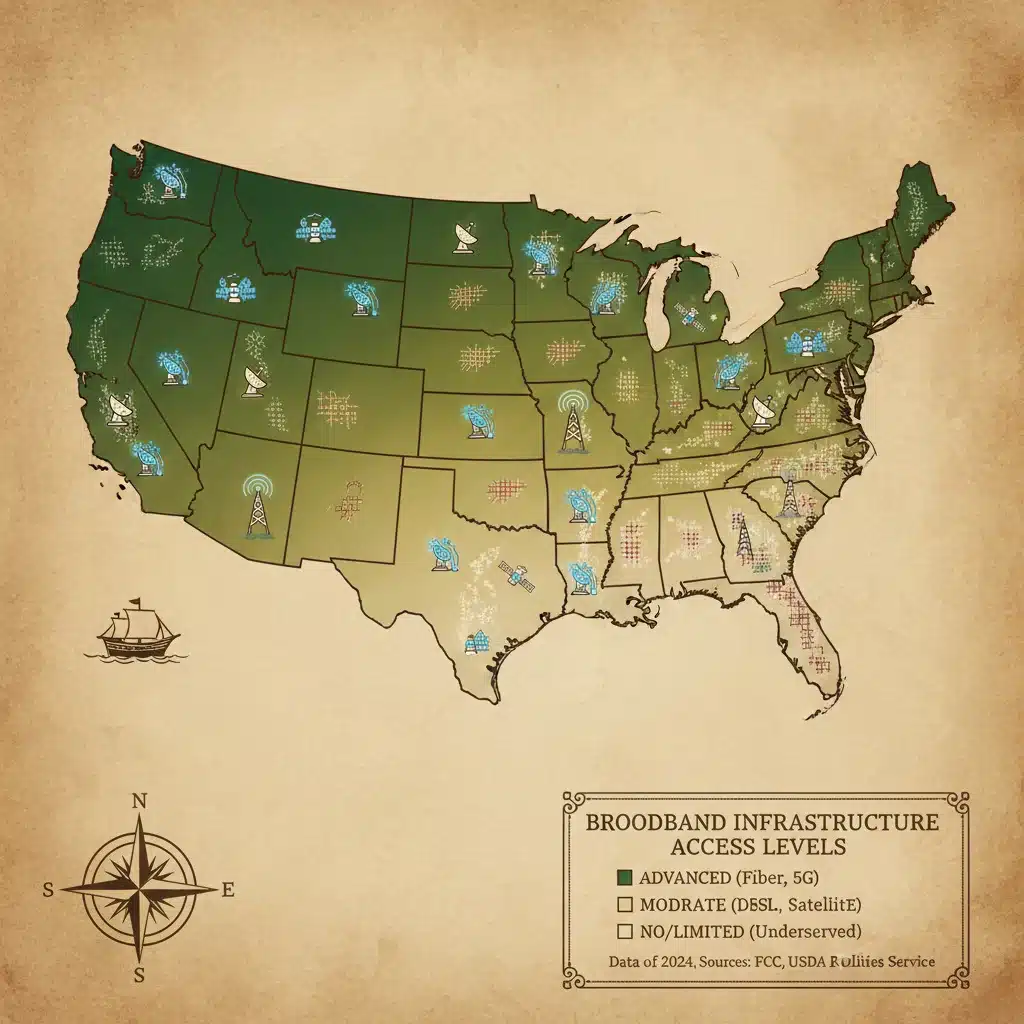
To effectively close the digital divide, it’s not enough to simply invest; we must also measure progress and ensure accountability. This involves developing robust metrics, transparent reporting, and mechanisms for communities to provide feedback on the quality of their rural broadband access. Historically, broadband mapping has been a significant challenge, with outdated or inaccurate data often overstating coverage and leaving truly unserved areas overlooked. The FCC’s updated broadband maps, utilizing granular location data, represent a crucial step forward in accurately identifying where broadband is available and, more importantly, where it is not. These maps are vital for directing funding to the areas of greatest need and for tracking the impact of deployment efforts.
Beyond simple availability, measuring the quality of service is equally important. This includes speed (both download and upload), latency, and reliability. Performance testing, both by regulators and independent third parties, can provide valuable data on whether providers are meeting their service level agreements and delivering the speeds they advertise. Consumer complaints and satisfaction surveys also offer a critical qualitative measure of rural broadband access, highlighting areas where service is poor or customer support is lacking. Establishing clear benchmarks and regularly assessing performance against these benchmarks is essential for driving continuous improvement.
Accountability mechanisms must be built into all funding programs and regulatory frameworks. This means setting clear deadlines for project completion, imposing penalties for non-compliance, and requiring detailed reporting on how funds are being used. It also involves empowering communities to hold providers and policymakers accountable for delivering on their commitments. Community advocacy groups and local leaders can play a vital role in monitoring progress, raising concerns, and ensuring that the voices of rural residents are heard. Ultimately, achieving universal rural broadband access by 2026 requires a data-driven approach, a commitment to transparency, and a strong emphasis on accountability to ensure that no community is left behind in the digital age.
Conclusion: The Path to a Connected Rural America
The persistent reality of 15% of rural Americans still lacking adequate rural broadband access in 2026 is a stark reminder that technological progress, while rapid, is not inherently equitable. The digital divide is more than just a connectivity gap; it’s a chasm that impacts education, healthcare, economic vitality, and social inclusion. The challenges are significant, stemming from geographical realities, economic disincentives, and complex logistical hurdles. However, the solutions are also within reach, driven by unprecedented government investment, innovative technological approaches, and a growing recognition of the critical importance of universal access.
The path forward demands a multi-faceted approach. It requires sustained federal and state funding, strategically deployed through programs like BEAD, to make infrastructure deployment economically viable in low-density areas. It necessitates continued innovation in technologies such as hybrid fiber-wireless-satellite networks to tailor solutions to diverse rural landscapes. Crucially, it depends on robust collaboration between government, private industry, and community-led initiatives, fostering an ecosystem where shared goals lead to tangible results. Furthermore, an unwavering commitment to accurate mapping, transparent reporting, and strong accountability measures will ensure that investments translate into actual service for those who need it most.
As we look beyond 2026, the vision for a connected rural America is not merely aspirational; it is an imperative. Bridging the digital divide is not just about providing internet access; it’s about unlocking human potential, fostering economic resilience, and ensuring that all Americans, regardless of their zip code, have the opportunity to thrive in the digital age. The collective effort to bring high-speed rural broadband access to every corner of the nation is an investment in a more equitable, prosperous, and connected future for all.