Decoding Gen Z’s Political Engagement: 3 Key Shifts Affecting the 2026 Midterms (INSIDER KNOWLEDGE)
The political landscape is a constantly shifting terrain, but few demographic shifts have been as profoundly impactful and rapidly evolving as the rise of Generation Z. Born roughly between 1997 and 2012, this cohort is not just coming of age; they are actively reshaping political discourse, electoral strategies, and policy priorities. As we look towards the 2026 Midterm elections, understanding the nuances of Gen Z political engagement is not merely academic; it’s essential for anyone seeking to comprehend the future direction of democratic processes.
This generation, often characterized by its digital native status, has distinct values, communication styles, and expectations from leadership. Their political awakening has been shaped by a unique confluence of global crises, technological advancements, and a heightened awareness of social inequalities. Traditional political playbooks are proving less effective, as Gen Z demands authenticity, transparency, and tangible action over rhetoric.
In this comprehensive analysis, we will delve into three pivotal shifts in Gen Z political engagement that are poised to significantly influence the 2026 Midterms. These aren’t just minor adjustments; they represent fundamental reconfigurations of how a powerful voting bloc interacts with the political system. From their unwavering commitment to social justice to their sophisticated use of digital platforms and their deep-seated economic anxieties, Gen Z is a force that cannot be ignored. This is insider knowledge crucial for strategists, policymakers, and engaged citizens alike.
Shift 1: The Unyielding Pursuit of Social Justice and Identity Politics
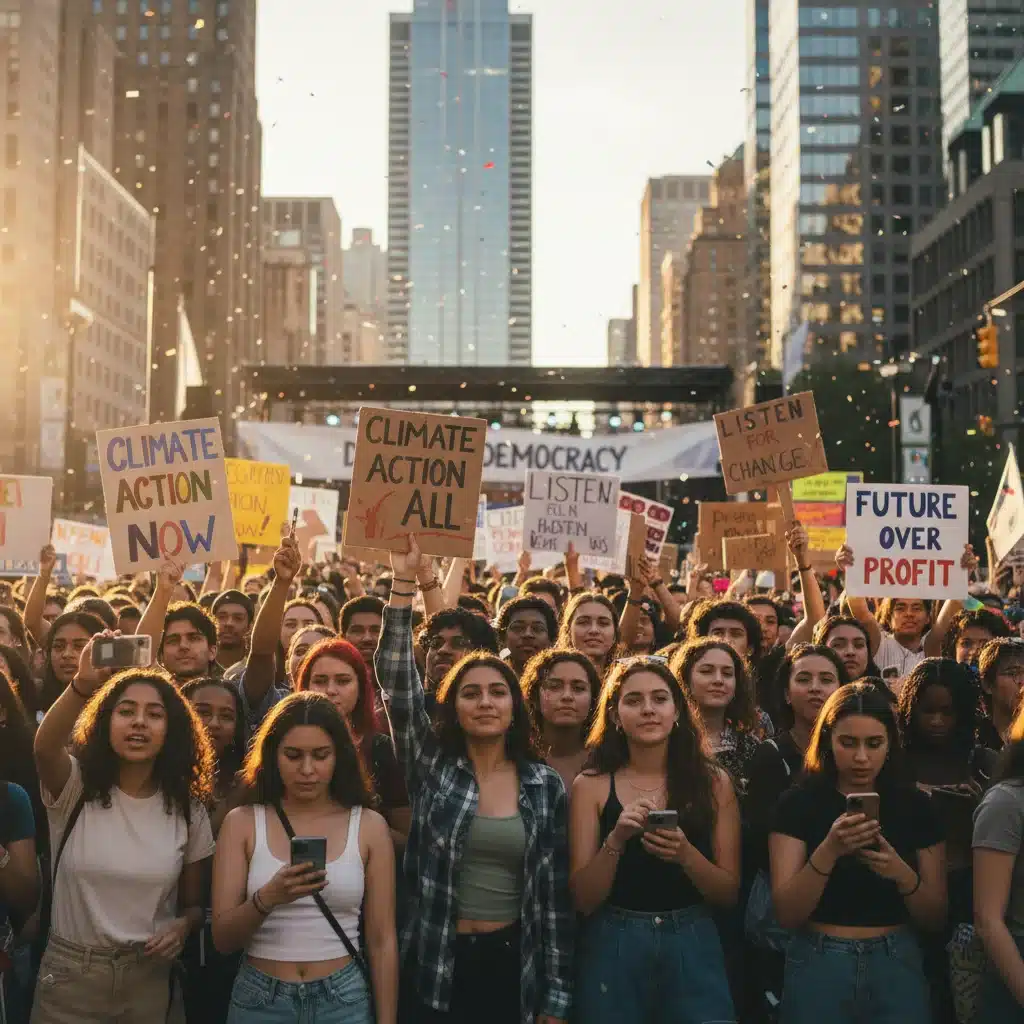
One of the most defining characteristics of Gen Z political engagement is its inextricable link to social justice. Unlike previous generations that might have viewed social issues as secondary to economic or foreign policy concerns, Gen Z often places them at the forefront. This generation has grown up in an era defined by movements like Black Lives Matter, #MeToo, climate activism, and LGBTQ+ rights advocacy. For them, these aren’t niche causes but fundamental tenets of a just society.
A Holistic View of Justice
Gen Z doesn’t compartmentalize justice. Issues of racial equality, gender equity, environmental protection, and disability rights are often seen as interconnected and interdependent. This holistic perspective means that a candidate or party cannot simply pay lip service to one cause while ignoring others; inconsistency is quickly identified and often leads to disengagement. Their understanding of intersectionality – the idea that various social and political identities combine to create unique modes of discrimination and privilege – deeply informs their political outlook.
Identity as a Political Force
For many in Gen Z, personal identity is intrinsically political. Their experiences as members of diverse racial, ethnic, gender, and sexual orientation groups shape their political priorities and inform their demands for representation and systemic change. This isn’t just about voting for someone who looks like them; it’s about electing individuals who understand and genuinely advocate for the lived experiences of marginalized communities. This focus on identity politics is not exclusionary but rather an attempt to ensure that all voices are heard and valued within the political process.
Policy Demands Over Rhetoric
While previous generations might have been swayed by powerful speeches or broad ideological appeals, Gen Z is increasingly demanding concrete policy proposals. They want to see detailed plans for addressing systemic racism, comprehensive climate action, genuine gender equality, and inclusive healthcare. Vague promises or performative activism are met with skepticism. This generation has a low tolerance for political posturing and a high demand for tangible results. Their activism extends beyond the ballot box; they are active in protests, boycotts, and online campaigns, constantly pushing for accountability from elected officials and institutions.
Impact on the 2026 Midterms
This unyielding pursuit of social justice means that candidates for the 2026 Midterms will need to have clear, progressive stances on these issues. Those who attempt to sidestep or downplay social justice concerns risk alienating a significant portion of the youth vote. Furthermore, the ability to articulate how economic policies intersect with social justice – for example, how environmental policies can create equitable job opportunities or how housing policies can address racial disparities – will be crucial. Parties that can authentically connect with Gen Z’s values and demonstrate a genuine commitment to systemic change will be best positioned to capture their votes and their volunteer efforts.
Shift 2: Digital Natives, Digital Activism, and the New Information Ecosystem
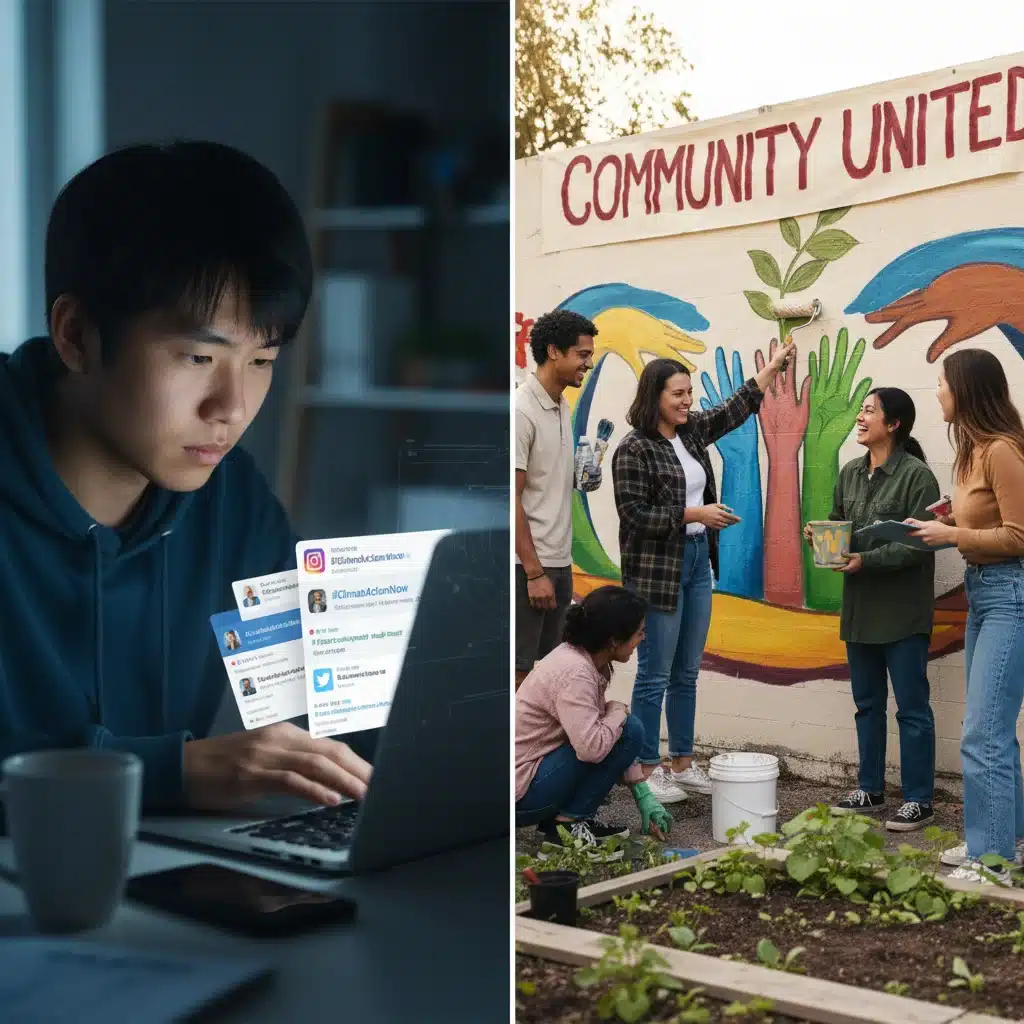
Gen Z is the first generation to grow up entirely immersed in the digital world. This isn’t just about being proficient with technology; it fundamentally shapes how they consume information, communicate, organize, and engage with politics. Their approach to political activism is inherently digital, creating a new information ecosystem that traditional campaigns often struggle to navigate.
Social Media as the Primary Political Arena
For Gen Z, platforms like TikTok, Instagram, X (formerly Twitter), and YouTube are not just for entertainment; they are primary sources of news, political discourse, and organizing tools. Political messages are often consumed in short, digestible formats – infographics, viral videos, memes, and short-form explainers. This necessitates a different approach to political communication. Long-form articles or traditional campaign ads may not resonate as effectively as a well-crafted TikTok video explaining a policy position or a compelling Instagram carousel highlighting an injustice.
Decentralized Organizing and Rapid Mobilization
The digital landscape enables decentralized organizing and rapid mobilization. Movements can gain traction overnight, driven by viral content and peer-to-peer sharing. This means that traditional top-down campaign structures may be less effective than grassroots, digitally-driven initiatives. Gen Z is adept at using online tools to coordinate protests, share information, and pressure decision-makers. The speed at which information (and misinformation) can spread also presents unique challenges and opportunities for political campaigns.
The Power of Influencers and Authenticity
Gen Z is often more influenced by peers, online creators, and micro-influencers than by traditional media figures or political elites. Authenticity is paramount. They can quickly detect inauthenticity or corporate-speak. Campaigns that partner with genuine, trusted voices within Gen Z’s digital communities, or that empower young people to create their own content, are more likely to succeed. This also means that candidates themselves need to be more authentic and relatable in their digital presence, moving beyond polished, scripted messages.
Navigating the Misinformation Minefield
While digital platforms offer unprecedented opportunities for engagement, they also present challenges, particularly regarding misinformation and disinformation. Gen Z, while digitally savvy, is not immune to misleading content. Campaigns and political organizations face the dual task of effectively communicating their message in the digital space while also combating the spread of false narratives. Media literacy and critical thinking skills are increasingly important for this generation as they navigate a complex and often polarized information ecosystem.
Impact on the 2026 Midterms
For the 2026 Midterms, campaigns must invest heavily in digital strategies that go beyond simply having a social media presence. This means understanding the specific platforms Gen Z uses, creating content tailored to those platforms, and engaging in authentic two-way conversations. It also means empowering young volunteers to be digital ambassadors and leveraging their creativity. Candidates who can master the art of digital storytelling and engage with Gen Z on their terms will have a significant advantage. Conversely, those who fail to adapt to this new information ecosystem risk being entirely overlooked by this crucial demographic.
Shift 3: Economic Anxiety and the Quest for Stability in an Uncertain World
Beyond social justice and digital prowess, a profound sense of economic anxiety underpins much of Gen Z political engagement. This generation has come of age during a period of significant economic upheaval: the lingering effects of the 2008 financial crisis, the COVID-19 pandemic’s economic shockwaves, unprecedented student loan debt, soaring housing costs, and rising inflation. These factors have fostered a deep-seated concern for financial stability and future prospects.
The Burden of Debt and the Dream of Homeownership
Student loan debt is a pervasive issue for many Gen Z individuals, impacting their ability to save, invest, and achieve traditional markers of adulthood like homeownership. The dream of owning a home feels increasingly out of reach for many, leading to frustration and a demand for systemic solutions. Policies addressing student debt relief, affordable higher education, and accessible housing are therefore highly resonant with this demographic.
Precarious Employment and the Gig Economy
Many in Gen Z are entering a job market characterized by precarious employment, the gig economy, and a decline in traditional long-term career paths with robust benefits. They often face stagnant wages, limited job security, and a lack of comprehensive benefits like health insurance and retirement plans. This experience shapes their views on labor rights, minimum wage, unionization, and the need for stronger social safety nets. They are often skeptical of trickle-down economic theories and are more open to policies that promote wealth redistribution and worker protections.
Inflation, Cost of Living, and Future Security
The recent surge in inflation has further exacerbated economic anxieties, making everyday necessities more expensive and eroding purchasing power. Gen Z is acutely aware of the rising cost of living and its impact on their ability to build a secure future. They are looking for political leaders who can offer credible solutions to these immediate economic pressures, as well as long-term strategies for economic stability and growth that benefit all, not just a select few.

Skepticism Towards Traditional Economic Systems
Given their economic experiences, Gen Z often exhibits a healthy skepticism towards traditional capitalist systems and institutions. They are more open to exploring alternative economic models and policies that prioritize equity, sustainability, and collective well-being over unchecked growth. Discussions around universal basic income, wealth taxes, and stronger regulatory frameworks resonate more strongly with this generation than with older demographics.
Impact on the 2026 Midterms
For the 2026 Midterms, candidates must present clear, actionable plans to address Gen Z’s economic anxieties. This means going beyond general statements about economic growth and offering specific proposals on student loan reform, affordable housing, living wages, and job creation with good benefits. Candidates who can demonstrate empathy for the economic struggles of young people and offer progressive, tangible solutions will likely gain significant traction. Economic policy debates will not be abstract for Gen Z; they will be deeply personal and directly tied to their ability to build a stable and fulfilling life. Ignoring these concerns would be a critical misstep for any political campaign.
The Interplay of Shifts: A Complex and Dynamic Electorate
It’s crucial to understand that these three shifts in Gen Z political engagement do not operate in isolation. They are deeply interconnected, creating a complex and dynamic electorate. For example, economic anxiety often exacerbates social justice issues, as marginalized communities disproportionately bear the brunt of economic hardship. Digital platforms serve as the primary conduits through which both social justice movements and economic grievances are shared, debated, and organized around.
A Demand for Authentic, Action-Oriented Leadership
What emerges from these shifts is a clear demand for authentic, action-oriented leadership. Gen Z is not looking for saviors; they are looking for allies who understand their lived realities, are willing to challenge the status quo, and can deliver tangible results. They are less swayed by traditional party loyalties and more by a candidate’s genuine commitment to their values and their ability to effect real change.
The Future of Political Campaigns
The 2026 Midterms will be a critical test for political parties and candidates to adapt to this new reality. Campaigns will need to be:
- Values-Driven: Clearly articulate how policies align with social justice principles.
- Digitally Fluent: Master the art of communication and organizing across diverse digital platforms.
- Economically Responsive: Offer concrete solutions to the financial burdens faced by young people.
- Authentic and Transparent: Build trust through genuine engagement and honest dialogue.
Failure to understand and adapt to these fundamental shifts in Gen Z political engagement will not just mean losing a few votes; it means failing to connect with the future of the electorate. This generation is not just a demographic to be polled; it is a powerful force actively shaping the political agenda and demanding a more just, equitable, and sustainable world.
Conclusion: Gen Z – The Unignorable Force of 2026
As we navigate the path toward the 2026 Midterm elections, the influence of Gen Z political engagement cannot be overstated. Their unique blend of unwavering commitment to social justice, sophisticated digital activism, and deep-seated economic anxiety is creating a political force unlike any seen before. This generation is not merely participating in politics; they are redefining its very nature.
For political strategists, policymakers, and indeed, anyone invested in the future of democratic governance, understanding these three key shifts is paramount. It requires moving beyond preconceived notions, embracing new communication paradigms, and genuinely listening to the concerns and aspirations of a generation that is ready and willing to drive change.
The 2026 Midterms will not just be an election about policy; they will be a referendum on how well the political establishment has understood and responded to the demands of its youngest, most digitally connected, and socially conscious voters. The parties and candidates who can authentically engage with Gen Z’s values, communicate effectively in their digital spaces, and offer credible solutions to their economic struggles will be the ones who ultimately succeed in harnessing the power of this unignorable force.
The future of politics is being written by Gen Z, and those who pay close attention now will be best prepared for the landscape of tomorrow.