Unlock Insider Secrets: 3 Lesser-Known Strategies to Slash Household Waste by 20% Annually
Unlock Insider Secrets: 3 Lesser-Known Strategies to Slash Household Waste by 20% Annually
In a world increasingly aware of its environmental footprint, the call to reduce household waste has never been louder. While recycling and basic composting are widely practiced, many households struggle to make a significant dent in their overall waste output. The truth is, achieving a substantial reduction, say by 20% in a single year, requires moving beyond the obvious and embracing some lesser-known, yet incredibly powerful strategies. This isn’t just about feeling good; it’s about making a tangible difference, saving money, and fostering a more sustainable lifestyle. This comprehensive guide will delve into three insider strategies that can help you dramatically reduce your household waste, transforming your home into an eco-conscious haven.
The journey to reduce household waste is often perceived as daunting, filled with sacrifices and complex changes. However, with the right approach and a willingness to explore innovative solutions, it becomes an empowering process. We’re not talking about extreme minimalism, but rather smart, actionable steps that integrate seamlessly into your daily life. Prepare to uncover methods that go beyond the usual ‘reduce, reuse, recycle’ mantra, offering fresh perspectives and practical techniques to achieve impressive waste reduction.
Strategy 1: Embrace ‘Pre-cycling’ and Smart Procurement
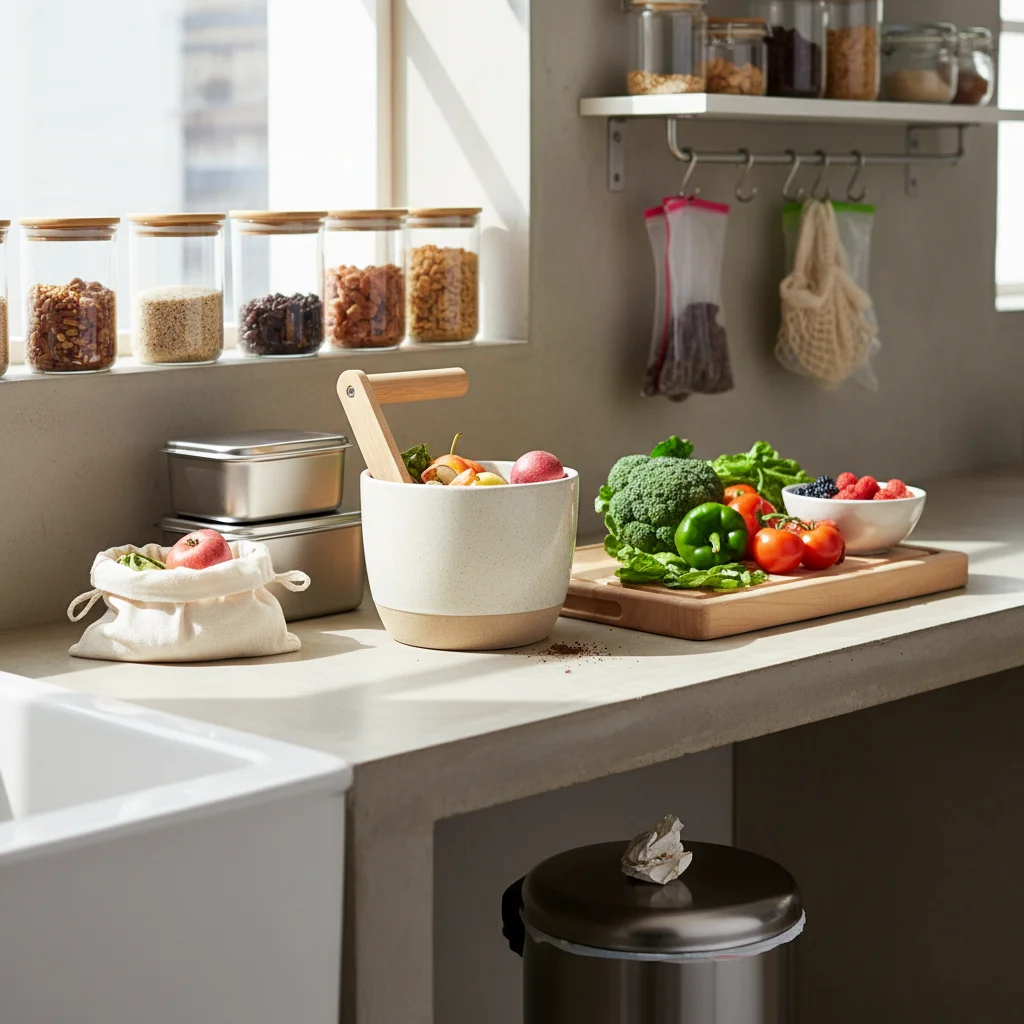
When we talk about reducing household waste, our minds often jump to what happens after we’ve brought items into our homes. However, one of the most effective, yet frequently overlooked, strategies is to tackle waste at its source: before it even enters your front door. This is where ‘pre-cycling’ and smart procurement come into play. Pre-cycling means making conscious choices about what you buy, opting for products with minimal packaging, durable designs, and those that can be easily repaired or repurposed.
The Power of Intentional Shopping to Reduce Household Waste
Think about your weekly grocery run. How much of what you bring home is destined for the trash or recycling bin almost immediately? Plastic packaging, cardboard boxes, cellophane wraps – it all adds up. Intentional shopping involves a shift in mindset. Instead of grabbing the most convenient option, take a moment to consider the lifecycle of the product and its packaging. Can you buy in bulk? Can you choose items with reusable or recyclable packaging? Can you opt for package-free alternatives?
- Bulk Buying: This is perhaps the most impactful pre-cycling strategy. Many grocery stores now offer bulk sections for grains, nuts, seeds, spices, oils, and even cleaning supplies. Bring your own reusable bags or containers, and you eliminate a significant amount of single-use packaging. This not only helps to reduce household waste but often saves you money in the long run.
- Farmers’ Markets and Local Stores: These venues often offer produce and goods with less packaging than conventional supermarkets. Engage with vendors; they might even be open to filling your reusable containers directly. Plus, you’re supporting local businesses and getting fresher products.
- Makers and Artisans: Explore local artisans who create products with sustainability in mind. From handmade soaps to solid shampoo bars, these often come with minimal or compostable packaging, helping you to reduce household waste from personal care items.
- Rethink Online Shopping: While convenient, online orders often come with excessive packaging. Consider consolidating orders, opting for slower shipping if it means less packaging, and actively seeking out companies known for their sustainable packaging practices.
Durable Goods Over Disposable
Another facet of smart procurement is investing in durability. The ‘fast fashion’ and ‘disposable culture’ extend far beyond clothing to household items, electronics, and even kitchen gadgets. When you choose a high-quality, durable item, you reduce the need for frequent replacements, thereby cutting down on manufacturing waste and end-of-life disposal.
Consider items like:
- Kitchenware: Opt for cast iron, stainless steel, or ceramic over non-stick pans that need frequent replacement. Invest in good quality knives that can be sharpened, rather than cheap sets that dull quickly.
- Cleaning Supplies: Instead of disposable wipes and paper towels, invest in reusable cloths, sponges, and brushes. Make your own cleaning solutions with basic ingredients like vinegar and baking soda, eliminating plastic bottles.
- Clothing and Textiles: Choose natural fibers and well-made garments that will last. Learn basic mending skills to extend the life of your clothes.
- Electronics: Research brands known for longevity and repairability. Consider buying refurbished electronics, which gives items a second life.
By shifting your purchasing habits to prioritize longevity and minimal packaging, you’ll find that your trash bin shrinks considerably before you even start thinking about what to do with waste after it’s generated. This proactive approach is fundamental to truly reduce household waste by 20% or more.
Strategy 2: Master the Art of Food Waste Diversion (Beyond Basic Composting)
Food waste is a monumental problem, globally contributing significantly to landfill methane emissions. While many are familiar with basic composting, ‘mastering the art of food waste diversion’ involves a more comprehensive approach. This strategy aims to prevent food waste in the first place, then efficiently divert any unavoidable scraps from landfills, ensuring maximum resource utilization.
Preventing Food Waste: The First Line of Defense
The most effective way to manage food waste is to prevent it from happening. This requires a combination of mindful planning, smart storage, and creative cooking.
- Meal Planning and Inventory: Before you shop, take an inventory of what you already have. Plan your meals for the week, creating a shopping list based on what you need. Stick to your list to avoid impulse buys that might go bad.
- Proper Food Storage: Understanding how to store different foods correctly can significantly extend their shelf life. For example, storing herbs like flowers in water, keeping apples and potatoes separate, and understanding which produce needs refrigeration versus counter storage. Airtight containers are your best friend for leftovers.
- First In, First Out (FIFO): Practice rotating your pantry and fridge items so that older items are used first. Labeling with dates can be helpful.
- Creative Cooking & ‘Nose-to-Tail’ Eating for Produce: Don’t discard edible parts of vegetables! Carrot tops can be made into pesto, broccoli stems into slaw, and potato peels can be roasted into chips. Embrace ‘ugly’ produce, which is often perfectly edible but rejected by supermarkets. Turn nearly-expired vegetables into soups, stews, or stir-fries.
- Portion Control: Cook only what you need to avoid excess leftovers that might never get eaten.
Advanced Food Waste Diversion Techniques
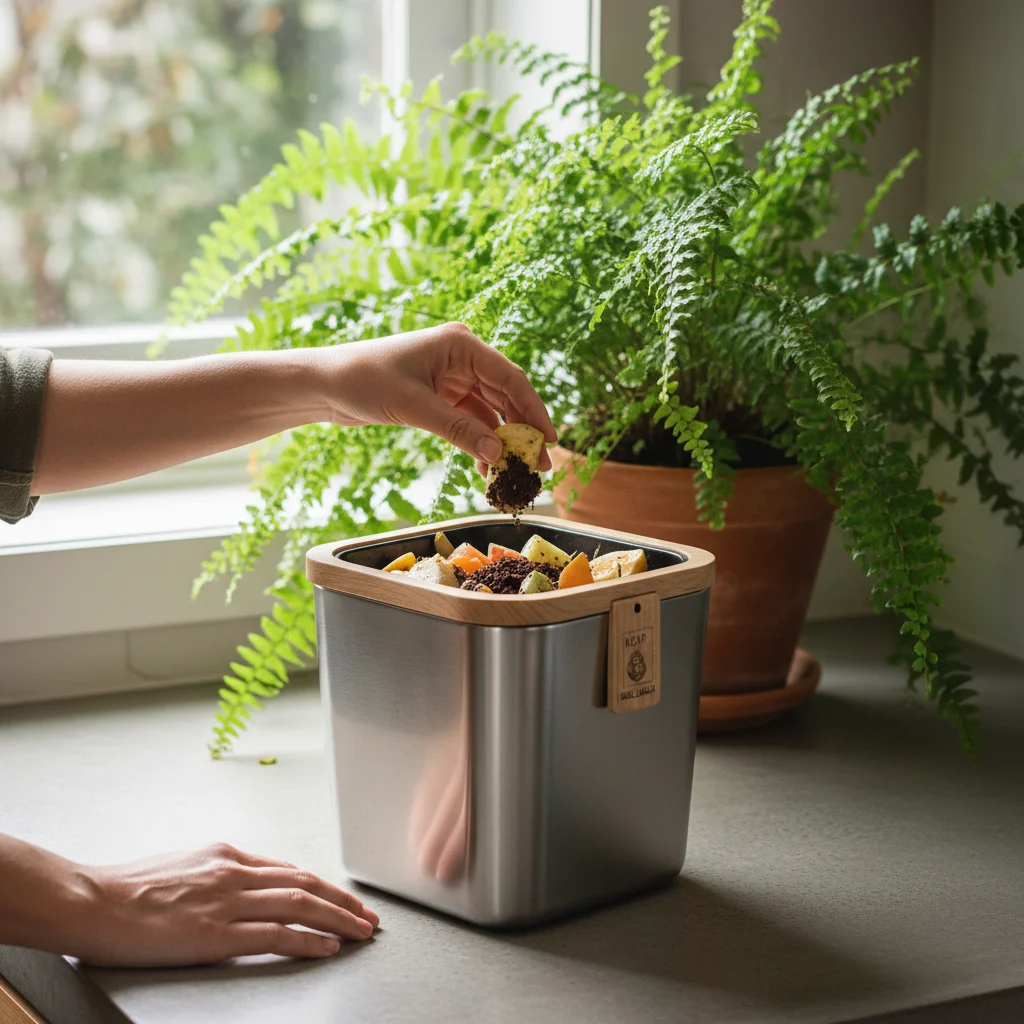
Even with the best prevention strategies, some food scraps are unavoidable (e.g., banana peels, coffee grounds, eggshells). This is where advanced diversion comes in, moving beyond simply throwing them in a backyard pile.
- Worm Composting (Vermicomposting): For apartment dwellers or those with small outdoor spaces, a worm bin is an excellent solution. Red wiggler worms efficiently break down food scraps into nutrient-rich ‘worm castings’ – a fantastic natural fertilizer for houseplants or gardens. It’s odorless when done correctly and can handle a surprising amount of organic waste, helping you significantly reduce household waste.
- Bokashi Composting: This anaerobic fermentation process uses a special inoculated bran to break down all types of food waste, including meat, dairy, and cooked foods that traditional composting struggles with. The fermented material can then be buried in the garden or added to a traditional compost pile, accelerating its decomposition. It’s an excellent option for those without outdoor space or who want to compost a wider variety of food scraps.
- Community Composting Programs: If home composting isn’t feasible, look for local community composting initiatives. Many cities and towns offer drop-off points or even curbside collection services for food waste. This ensures your scraps are professionally processed and turned into valuable compost.
- Food Scrap Collection for Animals: If you know someone with chickens, pigs, or other farm animals, they might be happy to take your suitable food scraps. Always check what is safe for animals to consume.
By diligently preventing food waste and implementing advanced diversion techniques for the rest, you can eliminate a significant portion of your household’s waste stream. This strategy alone can make a substantial contribution to your goal to reduce household waste by 20%.
Strategy 3: Embrace the Repair, Reuse, and Upcycle Culture
The ‘reduce, reuse, recycle’ mantra is well-known, but often, the ‘reuse’ aspect is underestimated. This third strategy elevates reuse by actively embracing a culture of repair, thoughtful repurposing, and creative upcycling. It’s about seeing potential where others see trash, and extending the life of items far beyond their intended purpose.
The Revival of Repair to Reduce Household Waste
In our consumer-driven society, it often feels easier and cheaper to replace a broken item than to repair it. However, learning basic repair skills or seeking out repair services can dramatically reduce household waste, save money, and challenge the throwaway culture.
- Learn Basic Mending: A torn seam, a missing button, a small hole – these are often easily fixable with basic sewing skills. There are countless online tutorials and local workshops available.
- Fix It Yourself: For electronics, small appliances, or furniture, check if a repair is possible before discarding. Websites like iFixit offer free repair guides for thousands of devices. Many products are designed to be repairable, even if it’s not immediately obvious.
- Support Repair Cafes and Professionals: Many communities host ‘Repair Cafes’ where volunteers help you fix items for free. If it’s beyond your skill level, seek out local cobblers, tailors, electronics repair shops, or furniture restorers. Supporting these businesses helps keep valuable skills alive and reduces landfill waste.
- Maintain Your Belongings: Regular maintenance, such as cleaning appliances, sharpening tools, and properly caring for textiles, can prevent breakages and extend an item’s lifespan significantly.
Thoughtful Repurposing and Creative Upcycling
Beyond repair, repurposing and upcycling offer endless possibilities to give new life to items that might otherwise be discarded. This is where creativity truly shines in your efforts to reduce household waste.
- Containers Galore: Glass jars from food items (jam, pickles, sauces) can be washed and reused for food storage, bulk shopping, craft supplies, or even homemade gifts. Plastic tubs (yogurt, butter) can become organizers for small items or seedling starters.
- Textile Transformations: Old clothes that are beyond repair can be cut into cleaning rags, used for craft projects, or even turned into braided rugs. Old towels can become pet bedding or washcloths.
- Furniture Flips: A tired piece of furniture can be sanded, painted, or reupholstered to give it a completely new look and purpose. This saves it from the landfill and adds unique character to your home.
- DIY Projects: Get creative! Old tires can become planters, wooden pallets can be turned into garden beds or furniture, and even broken crockery can be used for mosaic art.
- Sharing and Swapping: Instead of throwing away items you no longer need but are still functional, offer them to friends, family, or through online community groups. Organize or attend clothing swaps, book exchanges, or toy shares. This is a fantastic way to reuse items and prevent them from becoming waste.
By embracing these repair, reuse, and upcycle strategies, you’re not just diverting waste; you’re cultivating a deeper appreciation for your belongings and fostering a more resourceful mindset. This shift is crucial for anyone serious about making a significant impact and helping to reduce household waste effectively.

Beyond the Three Strategies: Cultivating a Mindset for Lasting Change
While the three strategies outlined above – pre-cycling and smart procurement, advanced food waste diversion, and embracing repair/reuse/upcycle – form the backbone of achieving a 20% reduction in household waste, sustaining this change requires a deeper shift in mindset. It’s about moving from a linear ‘take-make-dispose’ model to a circular one, where resources are valued, conserved, and continuously re-integrated.
Educate Yourself and Others
The more you learn about waste streams, environmental impacts, and sustainable alternatives, the more empowered you become. Share your knowledge and experiences with your family, friends, and community. Lead by example, and you’ll find that your efforts inspire others to also reduce household waste.
- Understand Your Local Recycling Rules: Recycling is the last R, but it’s still important. Rules vary significantly by municipality. Know what’s accepted and what’s not to avoid ‘wish-cycling’ (putting non-recyclable items in the recycling bin, which can contaminate entire batches).
- Research Sustainable Brands: When you do need to buy new, seek out companies committed to ethical sourcing, sustainable production, and closed-loop systems.
- Follow Zero-Waste Advocates: Engage with online communities, blogs, and social media accounts dedicated to zero-waste living for continuous inspiration and new ideas.
Track Your Progress
What gets measured gets managed. Periodically audit your trash to see what you’re throwing away most often. This can reveal patterns and identify areas where you can further improve. Seeing your trash can get emptier and emptier is incredibly motivating and provides tangible proof that your efforts to reduce household waste are working.
- Trash Audit: Once a month, take a look at what’s in your trash bin before collection. Are there recurring items? Is there something you could have composted or recycled differently?
- Weight Your Waste: If you’re really keen, you can even weigh your trash before putting it out. Tracking this over time will give you concrete data on your waste reduction journey.
- Celebrate Small Wins: Acknowledge your progress, no matter how small. Every plastic bag refused, every food scrap composted, every item repaired contributes to the larger goal.
Be Patient and Persistent
Transforming your household’s waste habits doesn’t happen overnight. There will be slip-ups and moments of frustration. The key is to be patient with yourself, learn from mistakes, and remain persistent in your commitment. Every small step you take to reduce household waste compounds over time, leading to significant positive change.
Remember, the goal isn’t perfection, but continuous improvement. Each conscious choice you make contributes to a larger movement towards a more sustainable and less wasteful future. By integrating these lesser-known strategies into your daily life, you’re not just reducing your household waste by 20%; you’re becoming a more resourceful, mindful, and impactful member of your community and the planet.
Conclusion: Your Path to a 20% Waste Reduction Starts Now
Achieving a 20% reduction in your household waste within a year is not just an ambitious goal; it’s an entirely attainable reality when you adopt a holistic and proactive approach. Moving beyond the conventional, we’ve explored three powerful, lesser-known strategies that offer a clear roadmap:
- Embracing ‘Pre-cycling’ and Smart Procurement: By making conscious choices at the point of purchase, focusing on minimal packaging and durable goods, you prevent waste from entering your home in the first place.
- Mastering the Art of Food Waste Diversion: Through meticulous meal planning, proper storage, creative cooking, and advanced composting methods like vermicomposting or Bokashi, you can virtually eliminate organic waste from landfills.
- Embracing the Repair, Reuse, and Upcycle Culture: By valuing repair over replacement and creatively repurposing items, you extend their lifespan and unlock new utility, drastically cutting down on discarded goods.
These strategies, when combined with a mindful approach to consumption and a commitment to continuous learning, will empower you to make a significant environmental impact. You’ll not only reduce household waste but also save money, foster creativity, and inspire those around you. The journey to a lower-waste lifestyle is a rewarding one, filled with discovery and positive change. Start implementing these insider tips today, and watch your waste footprint shrink, one conscious decision at a time. The power to transform your home into a beacon of sustainability is within your grasp.