Top 5 Home Security Tech Updates for 2026: Boosting Safety by 15%
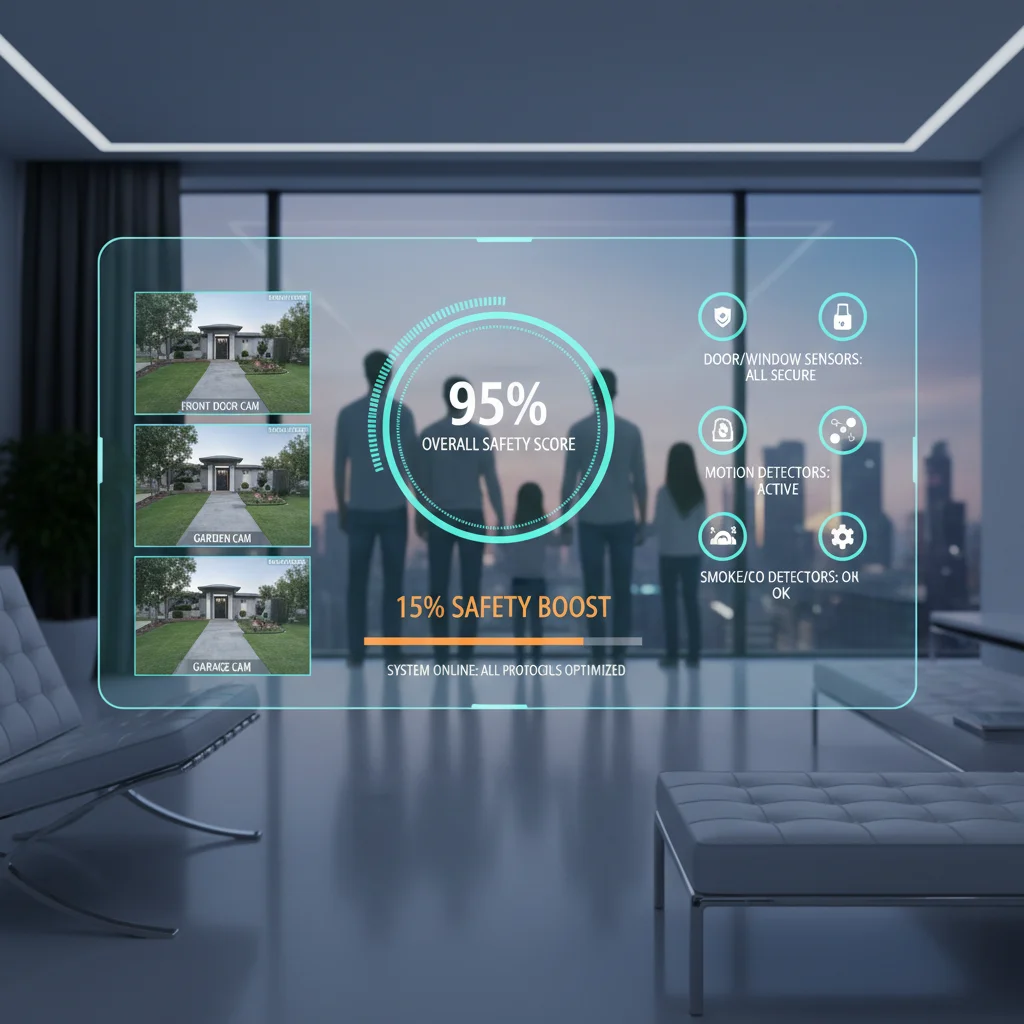
In an increasingly interconnected world, the sanctity of our homes remains paramount. As technology advances at an unprecedented pace, so too do the innovations designed to protect our most cherished spaces and loved ones. The year 2026 is ushering in a new era of home security, moving beyond simple alarms to sophisticated, proactive, and intelligent systems. These aren’t just incremental improvements; they represent a significant leap forward, promising to boost residential safety by an astounding 15% through enhanced detection, response, and prevention capabilities. If you’re looking to fortify your home against modern threats, understanding these Home Security Tech Updates is crucial.
The landscape of home security is constantly evolving. What was considered state-of-the-art a few years ago might now be considered basic. Today, the focus is squarely on integration, artificial intelligence, and predictive analytics. Homeowners are no longer content with merely being alerted to an intrusion; they want systems that can anticipate threats, verify identities, and even deter potential dangers before they escalate. This comprehensive guide will delve into the top five recent Home Security Tech Updates that are redefining safety, offering you peace of mind and a tangible increase in your home’s protection.
From advanced biometric access to environmental threat detection and self-learning AI, these technologies are not only making homes safer but also smarter and more efficient. We’ll explore how these innovations work, their benefits, and what you should consider when integrating them into your existing smart home ecosystem. Prepare to discover how the future of home security is not just about keeping intruders out, but about creating a truly intelligent, resilient, and responsive living environment.
The Dawn of Proactive Defense: Why Home Security is Changing
For decades, home security largely revolved around reactive measures: alarms sounding after a breach, cameras recording incidents for later review. While effective to a degree, this approach often meant damage was already done. The latest Home Security Tech Updates, however, are shifting the paradigm towards proactive defense. This new philosophy aims to prevent incidents before they occur, using a blend of advanced sensors, artificial intelligence, and seamless integration to create an invisible, yet robust, shield around your property.
The shift is driven by several factors. Firstly, the miniaturization and cost reduction of powerful computing components have made sophisticated AI and machine learning accessible to consumer-grade devices. Secondly, the proliferation of smart home ecosystems means that security devices no longer operate in isolation but can communicate and cooperate, enhancing their overall effectiveness. Finally, consumer demand for greater control, convenience, and peace of mind has pushed manufacturers to innovate beyond traditional boundaries.
Proactive defense manifests in various ways: systems that can distinguish between a family member and an unknown individual, sensors that detect subtle environmental changes indicative of a threat, and networks that can learn your habits to identify anomalies. This holistic approach significantly reduces vulnerabilities, making your home a less attractive target for potential threats. The 15% boost in safety isn’t just a number; it represents a tangible reduction in risk and an increase in your ability to respond effectively.
Understanding the 15% Safety Boost: What Does It Mean for You?
When we talk about a 15% boost in safety, it’s not simply a marketing slogan. It’s a quantifiable improvement derived from the combined efficacy of these new technologies. This boost can be attributed to several key areas:
- Reduced Response Times: AI-powered threat detection and immediate alerts mean law enforcement or private security can be notified faster, often before an intruder even gains entry.
- Enhanced Deterrence: Visible smart security measures, coupled with the reputation of advanced systems, often act as a significant deterrent, making criminals think twice.
- Fewer False Alarms: Intelligent detection systems can differentiate between pets, environmental factors, and actual threats, leading to fewer false alarms and more reliable responses from authorities.
- Comprehensive Coverage: Integrated systems cover more potential points of entry and internal threats (like fires or leaks) than traditional setups.
- Personalized Security: Systems that learn your routines can tailor security protocols to your specific lifestyle, minimizing vulnerabilities when you’re away or asleep.
This cumulative effect translates into a more secure home, allowing you to live with greater confidence, knowing that your property is protected by the latest advancements in home security technology. Now, let’s dive into the specific Home Security Tech Updates that are making this possible.
1. AI-Powered Biometric Access Control Systems
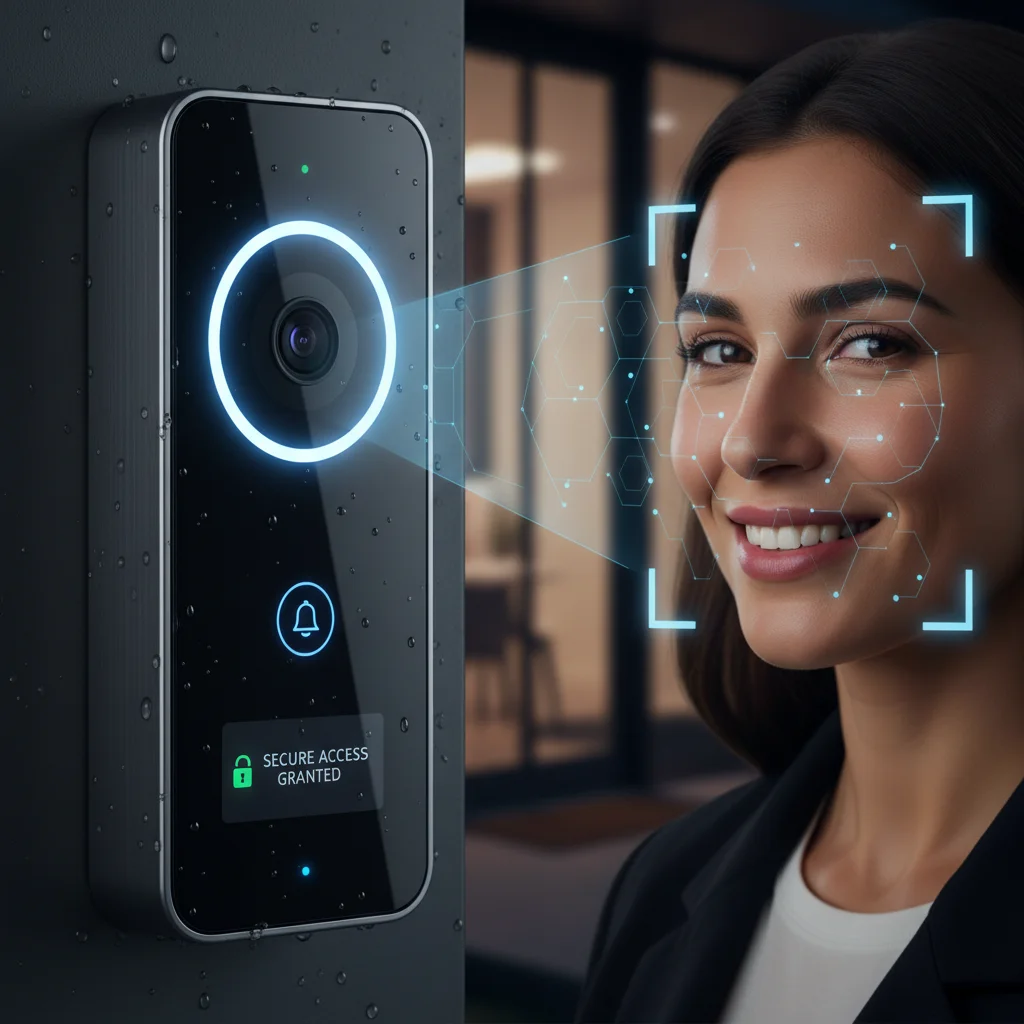
Gone are the days of fumbling for keys or remembering complex codes. The first major update in Home Security Tech Updates for 2026 is the widespread adoption and refinement of AI-powered biometric access control systems. These systems leverage advanced artificial intelligence to offer unparalleled security and convenience, moving beyond simple fingerprint scanners to include sophisticated facial recognition, iris scans, and even voice authentication.
Modern biometric systems are no longer fooled by photographs or simple masks. They employ liveness detection, using 3D mapping, thermal imaging, and subtle movement analysis to ensure the person attempting entry is indeed a living, authorized individual. This dramatically reduces the risk of unauthorized access compared to traditional methods.
How They Work and Their Advantages
At its core, an AI-powered biometric system captures a unique biological trait and converts it into a digital template. This template is then securely stored and used for verification. When someone attempts to gain entry, their biometric data is captured, analyzed by AI algorithms, and compared against the stored templates. If there’s a match, access is granted. The AI component continuously learns and adapts, improving accuracy over time and even recognizing authorized individuals under varying conditions, such as different lighting or slight changes in appearance.
Key Advantages:
- Unmatched Security: Biometric traits are incredibly difficult to replicate or steal, making them far more secure than keys or passcodes.
- Convenience: No more lost keys or forgotten codes. Your body becomes your key.
- Audit Trails: These systems provide detailed logs of who entered and when, offering valuable insights for security monitoring.
- Scalability: Easily add or remove authorized users without the need to rekey locks or change codes.
- Integration: Seamlessly integrate with other smart home systems, such as lighting and climate control, to create personalized entry scenarios.
Consider a scenario where your smart doorbell, equipped with facial recognition, identifies a known delivery person. It can then automatically unlock a secure package drop-off box or even temporarily grant access to a designated area, all while notifying you on your smartphone. This level of intelligent, personalized access is a game-changer for Home Security Tech Updates.
2. Predictive Analytics and Self-Learning AI for Intrusion Detection
Perhaps the most revolutionary of the Home Security Tech Updates is the integration of predictive analytics and self-learning AI into intrusion detection systems. Moving beyond simple motion sensors, these intelligent systems are designed to anticipate and prevent breaches by understanding patterns, identifying anomalies, and even predicting potential threats before they materialize.
Imagine a security system that doesn’t just react to a broken window but can flag suspicious activity hours before an actual attempt. This is the power of predictive analytics. By analyzing vast amounts of data – including historical intrusion attempts, local crime rates, weather patterns, and even your family’s daily routines – these systems can build a comprehensive understanding of what constitutes normal behavior around your property.
How Self-Learning AI Enhances Security
Self-learning AI is the brain behind this proactive approach. These algorithms continuously monitor environmental factors, sensor data, and video feeds to establish a baseline of ‘normal.’ For example, it learns when family members typically leave and return, when pets are active, and even the usual delivery schedules. Any deviation from these learned patterns triggers a higher level of scrutiny.
For instance, if a car idles outside your property for an unusual amount of time, or if someone is loitering near a vulnerable entry point during a time when you are typically away, the AI can flag this as suspicious. It might then trigger specific actions, such as activating floodlights, sending a discreet alert to your phone, or even engaging a two-way audio system to verbally warn the individual that they are being monitored. This proactive engagement often deters potential intruders before they can even make an attempt.
Benefits of Predictive Analytics:
- Early Threat Detection: Identify potential threats based on behavioral anomalies, not just physical breaches.
- Reduced False Alarms: AI can differentiate between genuine threats and harmless events, minimizing unnecessary alerts.
- Adaptive Security: The system continuously learns and adapts to your lifestyle and changing environmental conditions.
- Resource Optimization: Direct security resources (e.g., camera focus, sensor sensitivity) to areas of higher perceived risk.
This level of intelligence transforms your security system from a passive observer into an active guardian, constantly evaluating and responding to potential dangers. It’s a cornerstone of the 15% safety boost promised by the latest Home Security Tech Updates.
3. Integrated Environmental Threat Detection Systems
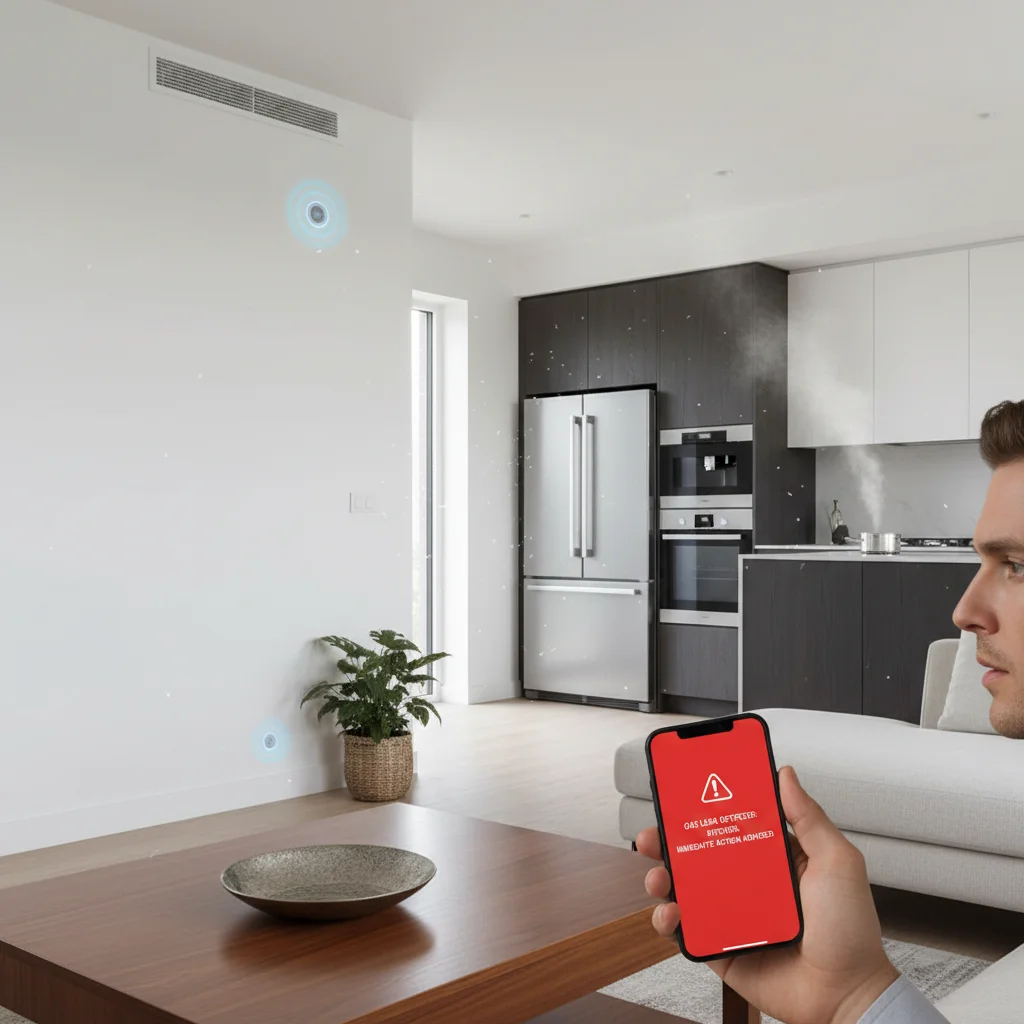
While often overlooked in traditional security discussions, environmental threats pose significant risks to both property and life. The latest Home Security Tech Updates are bringing integrated environmental threat detection systems to the forefront, offering comprehensive protection against hazards like fires, carbon monoxide leaks, gas leaks, and even water damage. These systems are no longer standalone detectors; they are seamlessly integrated into your broader smart home security network, providing a unified response to a wider array of dangers.
Modern homes are increasingly equipped with a variety of smart sensors designed to monitor everything from air quality to pipe integrity. When these sensors are integrated into a central security hub, their collective intelligence creates a powerful safety net that goes far beyond what individual detectors can offer.
Beyond Smoke Detectors: A Holistic Approach
Traditional smoke and carbon monoxide detectors are vital, but integrated systems take this protection to the next level. They can detect a broader spectrum of threats and initiate a coordinated response. For example:
- Advanced Fire Detection: Beyond smoke, these systems can detect rapid temperature changes, specific chemical compounds released during combustion, and even subtle changes in air pressure that might indicate a developing fire.
- Gas Leak Detection: Sensors can identify natural gas, propane, and even radon, alerting you to dangerous leaks long before they become critical.
- Water Leak Detection: Small sensors placed near water heaters, washing machines, and under sinks can detect even minor leaks, preventing costly water damage and potential mold growth.
- Air Quality Monitoring: Some advanced systems include sensors for volatile organic compounds (VOCs), particulate matter, and humidity, contributing to a healthier living environment and identifying potential hazards.
When an environmental threat is detected, the integrated system doesn’t just sound an alarm. It can trigger a series of predefined actions: shutting off gas lines, closing water valves, turning on ventilation systems, unlocking doors for emergency responders, and immediately notifying you and emergency services. This coordinated response is critical in mitigating damage and ensuring occupant safety, showcasing a vital component of the 15% safety boost.
4. Drone-Based and Robotic Surveillance for Perimeter Security
For larger properties or those requiring extensive perimeter monitoring, the Home Security Tech Updates of 2026 introduce drone-based and robotic surveillance systems. These autonomous guardians offer an unprecedented level of coverage and responsiveness, providing a mobile and intelligent extension to your static camera network. While still emerging for widespread consumer use, their capabilities are rapidly advancing, making them a significant factor in future home security.
Imagine a small, quiet drone automatically patrolling your property’s perimeter at night, or a ground-based robot discreetly moving around your garden, both equipped with high-definition cameras, thermal imaging, and even two-way audio. These aren’t just gadgets; they are sophisticated security assets.
Autonomous Patrols and Rapid Response
Drone-based surveillance systems can be programmed to follow specific flight paths, conducting regular patrols of your property’s boundaries. Equipped with AI-powered object detection, they can identify unauthorized individuals, vehicles, or suspicious activities. Upon detection, they can stream live video to your smartphone, activate spotlights, or even deploy deterrent sounds.
Similarly, robotic ground units can navigate complex terrains, providing continuous monitoring of blind spots or areas difficult to cover with fixed cameras. Some advanced models can even be remotely controlled to investigate specific alerts, offering a safer alternative to personal investigation during a potential intrusion.
Key Features and Benefits:
- Extended Coverage: Monitor large areas and complex perimeters efficiently.
- Dynamic Surveillance: Drones and robots can be dispatched to specific locations based on sensor alerts, providing a dynamic response to threats.
- High-Resolution Imagery: Capture detailed video and images, often with thermal capabilities for night vision.
- Deterrence: The visible presence of a patrolling drone or robot can act as a powerful deterrent.
- Reduced Human Risk: Investigate suspicious activities from a safe distance.
While regulatory hurdles regarding drone operation in residential areas are still being addressed, the technology itself is becoming increasingly sophisticated and accessible. As these systems mature, they will offer an unparalleled layer of security, contributing significantly to the 15% safety boost and redefining perimeter defense among Home Security Tech Updates.
5. Blockchain-Enabled Data Security and Privacy for Smart Homes
As our homes become smarter and more connected, the sheer volume of data generated by security systems raises significant concerns about privacy and data integrity. The final, yet arguably most crucial, of the Home Security Tech Updates for 2026 is the implementation of blockchain technology to enhance data security and privacy within smart home ecosystems. This innovation addresses the growing need for immutable, transparent, and secure data handling in an age of increasing cyber threats.
Traditional centralized servers, while convenient, are vulnerable to breaches and unauthorized access. Blockchain technology, with its decentralized and cryptographic nature, offers a robust solution, ensuring that your sensitive security data – from access logs to video footage – remains private and tamper-proof.
Ensuring Trust and Integrity in Your Smart Home
Blockchain works by creating a distributed ledger where every piece of data is encrypted and linked to the previous one, forming an unbreakable chain. This means that once data is recorded, it cannot be altered or deleted without invalidating the entire chain, making it incredibly secure. For home security, this translates into:
- Tamper-Proof Records: All security events, access logs, and sensor readings are immutably recorded, preventing any manipulation of evidence.
- Enhanced Privacy: Data can be encrypted and shared only with authorized parties, with homeowners having granular control over who accesses their information.
- Decentralized Storage: Reduces reliance on single points of failure, making the system more resilient to cyberattacks.
- Secure Device Communication: Ensures that all smart security devices communicate securely, preventing unauthorized interception or injection of false data.
- Transparent Audit Trails: Provides a transparent and verifiable record of all system activities, which can be crucial in investigations.
For example, if a security camera records an event, that footage, along with its timestamp and metadata, is cryptographically sealed onto a blockchain. This ensures that the footage is authentic and hasn’t been altered, providing undeniable proof. Furthermore, your personal data, such as biometric templates or access schedules, can be stored in a highly secure, decentralized manner, significantly reducing the risk of identity theft or privacy breaches.
This commitment to data integrity and privacy builds a foundation of trust, allowing homeowners to fully embrace the benefits of smart security without compromising their digital safety. It’s a critical, often unseen, component that underpins the overall effectiveness and reliability of all other Home Security Tech Updates, contributing to the holistic 15% safety boost.
Integrating the Future: Building Your 2026 Smart Security System
Adopting these advanced Home Security Tech Updates isn’t about replacing your entire system overnight, but rather about strategically upgrading and integrating new technologies. The key to maximizing the 15% safety boost lies in creating a cohesive, interconnected ecosystem where each component works in harmony to provide comprehensive protection.
Key Considerations for Integration:
- Compatibility: Ensure that new devices are compatible with your existing smart home platform (e.g., Apple HomeKit, Google Home, Amazon Alexa, Zigbee, Z-Wave). Open standards are becoming increasingly important for seamless integration.
- Professional Installation: For complex systems like biometric access or advanced surveillance, professional installation can ensure optimal performance and correct configuration.
- Network Security: A robust and secure home network is the backbone of any smart security system. Invest in a strong router, implement WPA3 encryption, and regularly update firmware.
- Privacy Settings: Take the time to understand and configure the privacy settings for all your smart devices, especially those with cameras and microphones.
- Battery Backups: Ensure critical security components have reliable battery backups to maintain functionality during power outages.
- Regular Updates: Keep all device firmware and software updated to benefit from the latest security patches and feature enhancements.
The beauty of modern home security is its modularity. You can start with one or two key upgrades, such as an AI-powered smart doorbell or advanced environmental sensors, and gradually expand your system as your needs and budget allow. The goal is to create a layered defense that addresses multiple threat vectors, from physical intrusion to cyber vulnerabilities and environmental hazards.
The Path Ahead: What’s Next for Home Security?
The journey of Home Security Tech Updates doesn’t stop in 2026. The pace of innovation suggests even more groundbreaking advancements on the horizon. We can anticipate further integration of augmented reality (AR) for monitoring, more sophisticated predictive AI that can analyze complex behavioral patterns with even greater accuracy, and perhaps even fully autonomous security robots capable of independent decision-making in emergency situations.
Furthermore, the focus on sustainable and energy-efficient security solutions will likely grow, with devices powered by renewable energy sources or designed for minimal power consumption. The convergence of health monitoring with home security is also a promising area, allowing systems to detect medical emergencies alongside security breaches.
Ultimately, the future of home security is about creating a truly intelligent, adaptive, and invisible shield that protects your home and family without intruding on your daily life. The 15% safety boost we’re seeing in 2026 is just a stepping stone towards an even more secure and peaceful future.
Conclusion: Secure Your Future with Smart Home Security
The year 2026 marks a significant milestone in home security technology. The five Home Security Tech Updates discussed – AI-powered biometric access, predictive analytics with self-learning AI, integrated environmental threat detection, drone/robotic surveillance, and blockchain-enabled data security – are not just individual gadgets but integral components of a holistic, proactive defense strategy. By embracing these innovations, homeowners can achieve a quantifiable 15% boost in their home’s safety, offering unparalleled peace of mind and creating a truly resilient living environment.
Investing in these cutting-edge technologies is an investment in your family’s safety and your property’s protection. As the world becomes more connected, so too should our defenses. Stay informed, stay proactive, and empower your home with the intelligence it needs to protect what matters most.