Additive Manufacturing US Aerospace: New Materials Boost Efficiency 22% by 2026
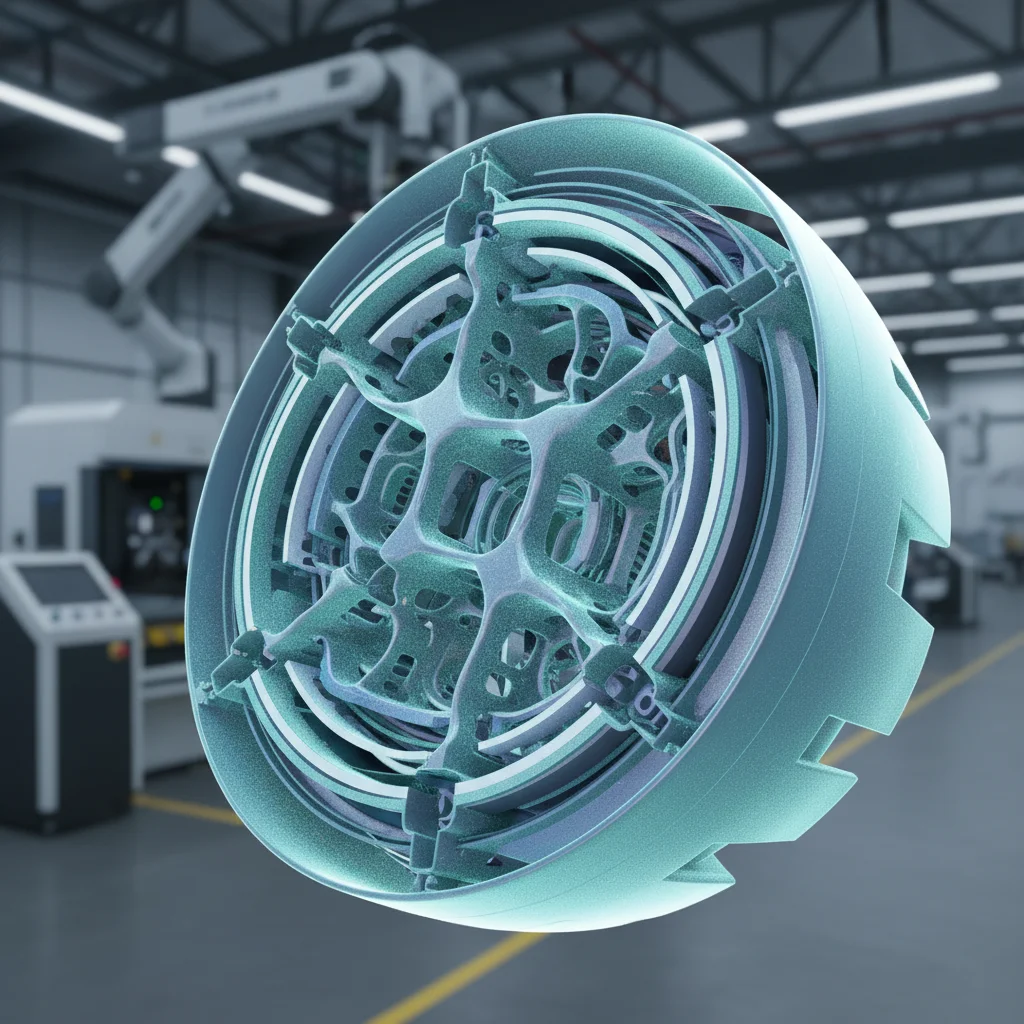
The aerospace industry has always been at the forefront of technological innovation, constantly pushing the boundaries of what is possible in terms of design, performance, and efficiency. In recent years, one technology has emerged as a true game-changer: additive manufacturing, commonly known as 3D printing. Specifically, in the United States, the convergence of new materials and sophisticated additive manufacturing techniques is not just optimizing production; it’s revolutionizing the entire lifecycle of aerospace components. Projections indicate a substantial 22% boost in efficiency by 2026, a testament to the transformative power of aerospace additive manufacturing.
The Dawn of a New Era: Understanding Aerospace Additive Manufacturing
Additive manufacturing in the aerospace sector refers to the process of building three-dimensional objects layer by layer from a digital design. Unlike traditional subtractive manufacturing methods that remove material from a larger block, additive processes only use the material needed, significantly reducing waste and enabling the creation of highly complex geometries previously impossible to achieve. This capability is particularly crucial for aerospace applications, where every gram saved and every structural integrity improvement translates directly into enhanced performance, fuel efficiency, and safety.
The US aerospace industry has been a pioneering adopter of this technology, driven by the demanding requirements of both commercial and defense sectors. From rapid prototyping to the production of flight-ready parts, aerospace additive manufacturing offers unparalleled advantages. The ability to consolidate multiple parts into a single, complex component, for instance, reduces assembly time, lowers the risk of failure points, and simplifies supply chains. This holistic approach to manufacturing is what underpins the projected efficiency gains.
Historically, aerospace manufacturing relied on techniques like forging, casting, and machining. While these methods have served the industry well for decades, they come with inherent limitations. Design constraints often meant compromising on optimal aerodynamic or structural shapes for manufacturability. Material waste was substantial, and the lead times for producing complex molds or tooling could be extensive. Additive manufacturing effectively bypasses many of these limitations, opening up a universe of possibilities for engineers and designers.
The strategic importance of this technology for national security and economic competitiveness cannot be overstated. The US government, through various initiatives and funding programs, has actively supported research and development in advanced manufacturing, recognizing its potential to maintain the nation’s leadership in aerospace. Private companies, from established giants like Boeing and Lockheed Martin to innovative startups, are heavily investing in additive manufacturing capabilities, establishing dedicated facilities and fostering collaborations with academic institutions.
Key Advantages of Additive Manufacturing in Aerospace:
- Weight Reduction: By enabling complex internal lattice structures and topology optimization, parts can be designed to be significantly lighter without compromising strength. This directly translates to fuel savings and increased payload capacity.
- Part Consolidation: Multiple components can be combined into a single 3D-printed part, reducing assembly complexity, inventory, and potential failure points.
- Design Freedom: Engineers can create intricate geometries that are impossible or too expensive to produce with traditional methods, leading to optimized performance and functionality.
- Reduced Material Waste: Additive processes build parts layer by layer, using only the necessary material, which is particularly beneficial when working with expensive aerospace-grade alloys.
- Faster Prototyping and Production: Iterations can be deployed much quicker, accelerating the design cycle and time-to-market for new aircraft and components.
- Customization and On-Demand Manufacturing: Enables the production of highly customized parts or small batches efficiently, ideal for spare parts or specialized components.
New Materials: The Unsung Heroes of Efficiency Gains
While the additive manufacturing process itself is groundbreaking, the true catalyst for the projected 22% efficiency boost by 2026 lies in the development and deployment of new, advanced materials specifically engineered for these processes. These materials are not just existing alloys adapted for 3D printing; they are often novel compositions or specially processed versions that unlock unprecedented performance characteristics.
Traditionally, aerospace relies heavily on materials like aluminum alloys, titanium alloys, and nickel-based superalloys. While these remain critical, the additive manufacturing revolution demands materials with specific properties that can withstand the unique thermal cycles and stresses inherent in layer-by-layer deposition. Researchers and material scientists are focusing on developing powders and filaments that offer superior strength-to-weight ratios, enhanced fatigue resistance, improved high-temperature performance, and better corrosion resistance.
One of the most significant breakthroughs has been in metallic powders. Specialized titanium alloys, for example, can now be printed with microstructures that exceed the properties of their wrought counterparts, offering superior strength and ductility. Nickel-based superalloys, crucial for high-temperature engine components, are being optimized for additive processes to withstand extreme conditions more effectively, leading to longer component lifespans and reduced maintenance.
Beyond metals, advanced polymer composites are also making significant strides. High-performance polymers reinforced with carbon fibers or other nanomaterials are enabling the creation of lightweight, strong, and durable components for interior cabins, ducts, and even some structural elements. These materials offer design flexibility and can be tailored to specific application requirements, further contributing to overall aircraft efficiency.
The challenge with these new materials often lies in qualifying them for aerospace use. The stringent safety and performance standards require extensive testing and certification processes. However, the investment in this area is yielding substantial returns, as these materials are directly enabling the creation of components that are lighter, stronger, and more durable than ever before. This directly translates to the 22% efficiency improvement projected, impacting everything from fuel consumption to maintenance cycles and operational readiness.
Consider the impact on an aircraft engine. By using additively manufactured parts made from advanced superalloys, engineers can design components with intricate cooling channels that significantly improve thermal management. This allows the engine to operate at higher temperatures more efficiently, leading to greater thrust and lower fuel consumption. Similarly, lightweight structural components reduce the overall weight of the aircraft, further enhancing fuel economy and increasing range.
Key Material Innovations Driving Efficiency:
- High-Performance Titanium Alloys: Optimized for additive processes, offering superior strength, ductility, and fatigue resistance for structural components and engine parts.
- Nickel-Based Superalloys: Developed for extreme temperature applications in jet engines, providing enhanced creep resistance and thermal stability.
- Advanced Polymer Composites: Lightweight and strong, these materials are used for interior components, ducts, and non-critical structural elements, contributing to overall weight reduction.
- Ceramic Matrix Composites (CMCs): Emerging materials for ultra-high-temperature applications, offering significant weight savings over traditional superalloys in hot sections of engines.
- Multi-Material Printing: The ability to print with multiple materials simultaneously, creating components with graded properties or integrated functionalities.
Impact on Design and Production Workflows
The integration of aerospace additive manufacturing and new materials has fundamentally reshaped design and production workflows in the US aerospace industry. Engineers are no longer constrained by the limitations of traditional manufacturing. Instead, they are embracing a ‘design for additive manufacturing’ (DfAM) philosophy, which focuses on leveraging the unique capabilities of 3D printing to create optimal designs.
DfAM involves techniques such as topology optimization, where software algorithms generate the most efficient material distribution within a given design space, resulting in organic, lightweight structures. Generative design takes this a step further, with AI-driven algorithms exploring thousands of design variations to find the optimal solution based on specified performance criteria. This iterative and highly optimized design process is a significant contributor to the projected efficiency gains.
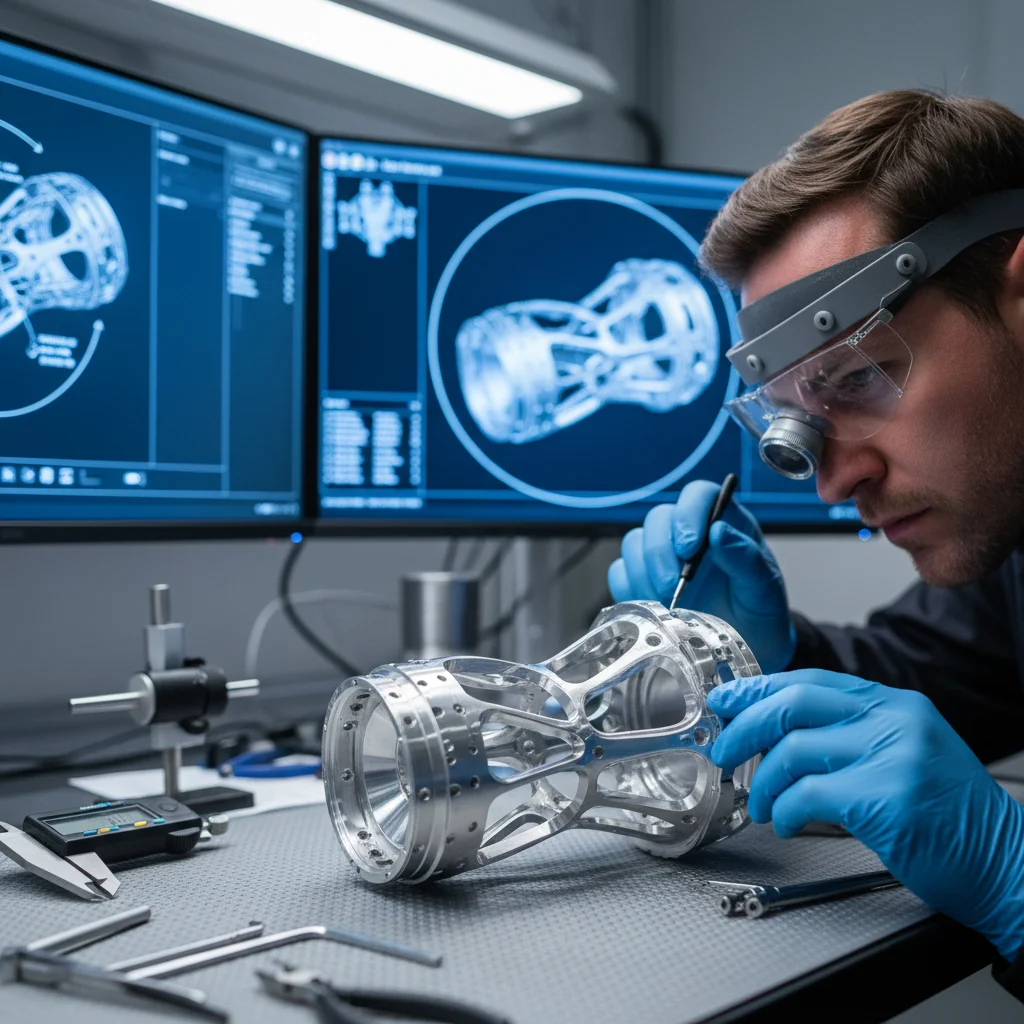
On the production front, additive manufacturing enables a more agile and responsive supply chain. Parts can be produced on demand, reducing the need for large inventories and long lead times for specialized components. This is particularly beneficial for spare parts, where traditional manufacturing methods might require extensive retooling for a single part. The ability to produce parts closer to the point of use also minimizes shipping costs and environmental impact.
Furthermore, the digital nature of additive manufacturing allows for greater precision and repeatability. Once a part’s digital design is validated, it can be replicated with extreme accuracy across different machines and locations, ensuring consistent quality. This digital thread, from design to production, also facilitates easier modifications and upgrades, accelerating the pace of innovation.
Transforming the Product Lifecycle:
- Early-Stage Prototyping: Rapid creation of functional prototypes allows for quick iteration and validation of designs, saving time and resources.
- Tooling and Fixtures: Additive manufacturing is used to produce custom tooling, jigs, and fixtures faster and cheaper than traditional methods, streamlining assembly processes.
- Flight-Ready Components: Direct production of end-use parts, including critical engine components, structural elements, and complex internal systems.
- Maintenance, Repair, and Overhaul (MRO): On-demand production of spare parts, reducing aircraft downtime and extending the operational life of existing fleets.
- Supply Chain Optimization: Decentralized manufacturing capabilities reduce reliance on complex global supply chains and enhance resilience.
Challenges and Considerations for Widespread Adoption
Despite the immense potential and ongoing progress, the widespread adoption of aerospace additive manufacturing, particularly with new materials, is not without its challenges. These hurdles need to be addressed systematically to fully realize the 22% efficiency boost by 2026.
One of the primary challenges is **material qualification and certification**. Aerospace components operate under extreme conditions, and any new material or manufacturing process must undergo rigorous testing to meet stringent safety and performance standards set by regulatory bodies like the FAA. This process can be lengthy and expensive, requiring extensive data collection on material properties, fatigue life, and environmental durability.
Another significant consideration is **process control and repeatability**. Achieving consistent quality and mechanical properties across different additive manufacturing machines and production runs is crucial. Variables such as powder quality, laser parameters, build orientation, and post-processing treatments all influence the final part’s performance. Developing robust process monitoring and quality assurance protocols is essential to ensure reliability.
The **cost of equipment and materials** also remains a factor. High-end industrial additive manufacturing systems are a substantial investment, and the specialized powders and filaments can be considerably more expensive than traditional raw materials. As the technology matures and economies of scale are achieved, these costs are expected to decrease, but they currently pose an entry barrier for some smaller companies.
Furthermore, there is a **skills gap** in the workforce. Designing for additive manufacturing, operating complex 3D printers, and performing advanced post-processing require specialized knowledge and expertise. Educational institutions and industry training programs are working to bridge this gap, but it will take time to develop a sufficiently skilled workforce.
Finally, **data security and intellectual property protection** are critical concerns. Digital designs are the blueprint for additive manufacturing, making them vulnerable to cyber threats. Protecting proprietary designs and manufacturing processes is paramount for companies investing heavily in this technology.
Addressing these challenges requires a collaborative effort from industry, academia, and government. Standardization efforts, advanced simulation tools, and AI-driven quality control systems are all playing a role in overcoming these hurdles, paving the way for broader adoption and the realization of efficiency targets.
Case Studies and Recent Updates
The US aerospace industry is replete with examples of how aerospace additive manufacturing is already making a tangible difference. Lockheed Martin, for instance, has been using 3D printing for satellite components, enabling lighter structures and faster production cycles. GE Aviation has famously leveraged additive manufacturing for fuel nozzles in its LEAP engines, reducing the part count from 20 to 1 and achieving significant weight savings and performance improvements.
More recently, companies like Relativity Space are pushing the boundaries by 3D printing entire rocket structures, including large primary structures, using advanced metal alloys. This approach promises to drastically reduce lead times and manufacturing costs while offering unprecedented design flexibility for future spacecraft.
In the defense sector, the US Air Force has been exploring additive manufacturing for producing spare parts for aging aircraft fleets, reducing reliance on long supply chains and enhancing readiness. This includes printing non-critical components on demand and even experimenting with structural parts, demonstrating the growing confidence in the technology’s reliability.
Recent updates also highlight the growing maturity of multi-material printing. Researchers are developing techniques to print components with functionally graded materials, where properties like stiffness or thermal conductivity vary across the part, optimizing performance for specific localized stresses. This capability is particularly exciting for complex aerospace systems where different sections of a component might experience vastly different operational conditions.
The focus on sustainable manufacturing is also driving innovation. Additive manufacturing’s ability to reduce material waste and enable repair rather than replacement aligns perfectly with environmental goals. Furthermore, the development of more energy-efficient additive processes and recyclable materials is a key area of ongoing research.
The Road Ahead: Projections for 2026 and Beyond
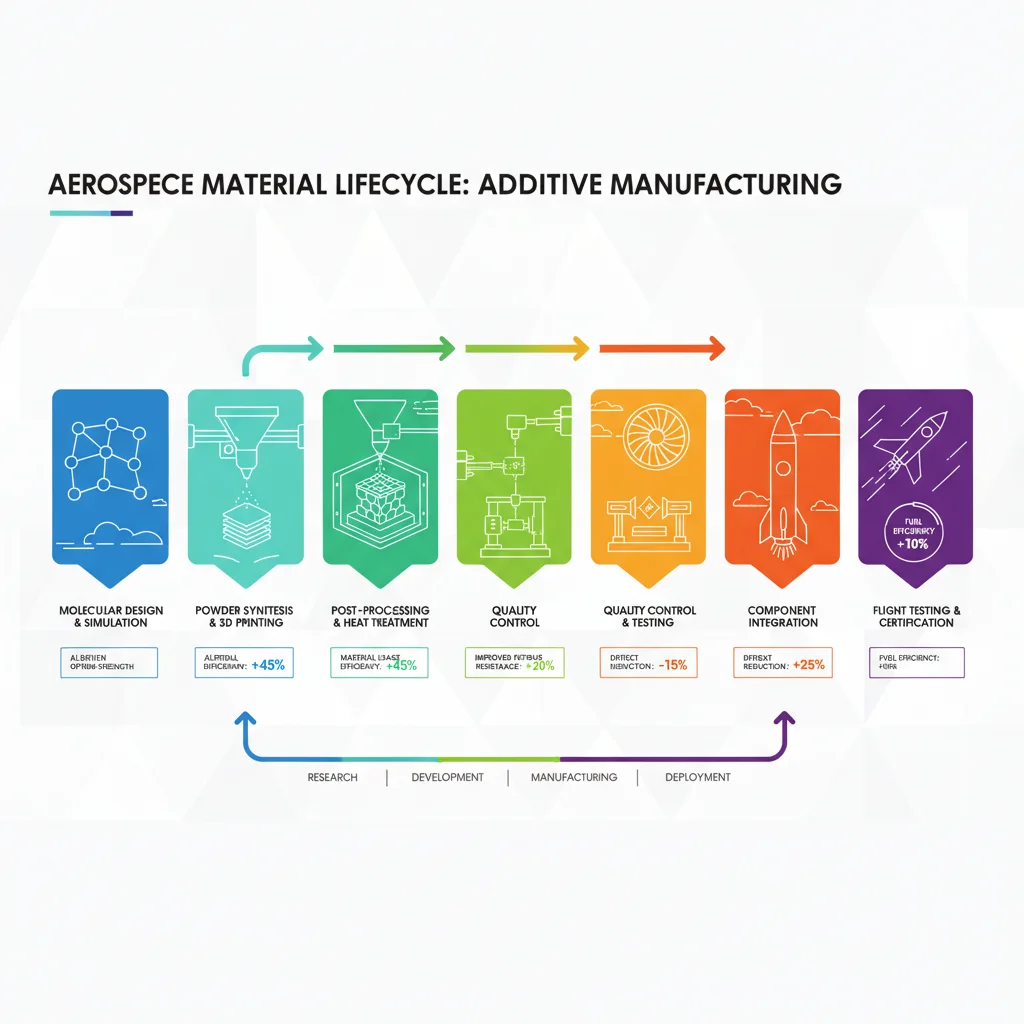
The projection of a 22% efficiency boost by 2026 is an ambitious yet achievable goal, driven by continued advancements in aerospace additive manufacturing and new materials. This efficiency gain will manifest in several ways:
- Fuel Efficiency: Lighter aircraft and more aerodynamically optimized components will directly lead to reduced fuel consumption, lowering operational costs and environmental impact.
- Reduced Manufacturing Costs: Lower material waste, consolidated parts, and faster production cycles will drive down the overall cost of manufacturing aerospace components.
- Increased Performance: Components with superior strength-to-weight ratios, enhanced thermal management, and improved durability will lead to higher-performing aircraft and spacecraft.
- Faster Time-to-Market: Accelerated design and prototyping cycles will enable quicker development and deployment of new aviation technologies.
- Enhanced Supply Chain Resilience: On-demand manufacturing capabilities will reduce vulnerabilities in global supply chains, ensuring greater operational continuity.
Looking beyond 2026, the future of aerospace additive manufacturing is even more promising. We can anticipate the integration of artificial intelligence and machine learning throughout the entire additive manufacturing workflow, from generative design to real-time process monitoring and predictive maintenance. This will further optimize designs, improve process control, and enhance the reliability of additively manufactured parts.
The development of next-generation materials will continue, with a focus on smart materials that can adapt to environmental changes, self-heal, or even generate power. Hybrid manufacturing approaches, combining additive and subtractive techniques, will become more prevalent, leveraging the strengths of both methods to create highly complex and precise components.
Furthermore, the scope of additively manufactured parts will expand from non-critical components to even more primary structural elements and mission-critical systems, as confidence in the technology grows and certification processes become more streamlined. The vision of fully 3D-printed aircraft or spacecraft components is no longer a distant dream but an increasingly tangible reality.
The US aerospace industry is poised to maintain its global leadership by continuously investing in and integrating these advanced technologies. The synergy between innovative materials science and sophisticated additive manufacturing processes is not just an incremental improvement; it’s a fundamental paradigm shift that will redefine the future of flight and space exploration.
Conclusion
The journey of aerospace additive manufacturing in the US has been one of rapid evolution and profound impact. The strategic integration of new materials with advanced 3D printing techniques is fundamentally transforming how aerospace components are designed, produced, and maintained. The projected 22% boost in efficiency by 2026 is a clear indicator of the immense value this technological revolution brings, promising lighter, stronger, more fuel-efficient aircraft and spacecraft.
While challenges in qualification, process control, and workforce development persist, the industry’s commitment to innovation and collaboration is steadily overcoming these hurdles. The ongoing research and development in materials science, coupled with the increasing sophistication of additive manufacturing systems, ensures that the US aerospace sector will continue to push the boundaries of what’s possible, securing a future of enhanced performance, increased sustainability, and unparalleled operational efficiency.
The future of flight is being printed, layer by intricate layer, and the efficiencies gained from this transformation will resonate across the entire aerospace ecosystem for decades to come. The United States remains at the forefront of this exciting revolution, continually setting new benchmarks for innovation and excellence in the skies and beyond.