Air Purifier Allergy Reduction: 90% Cleaner Air by 2026
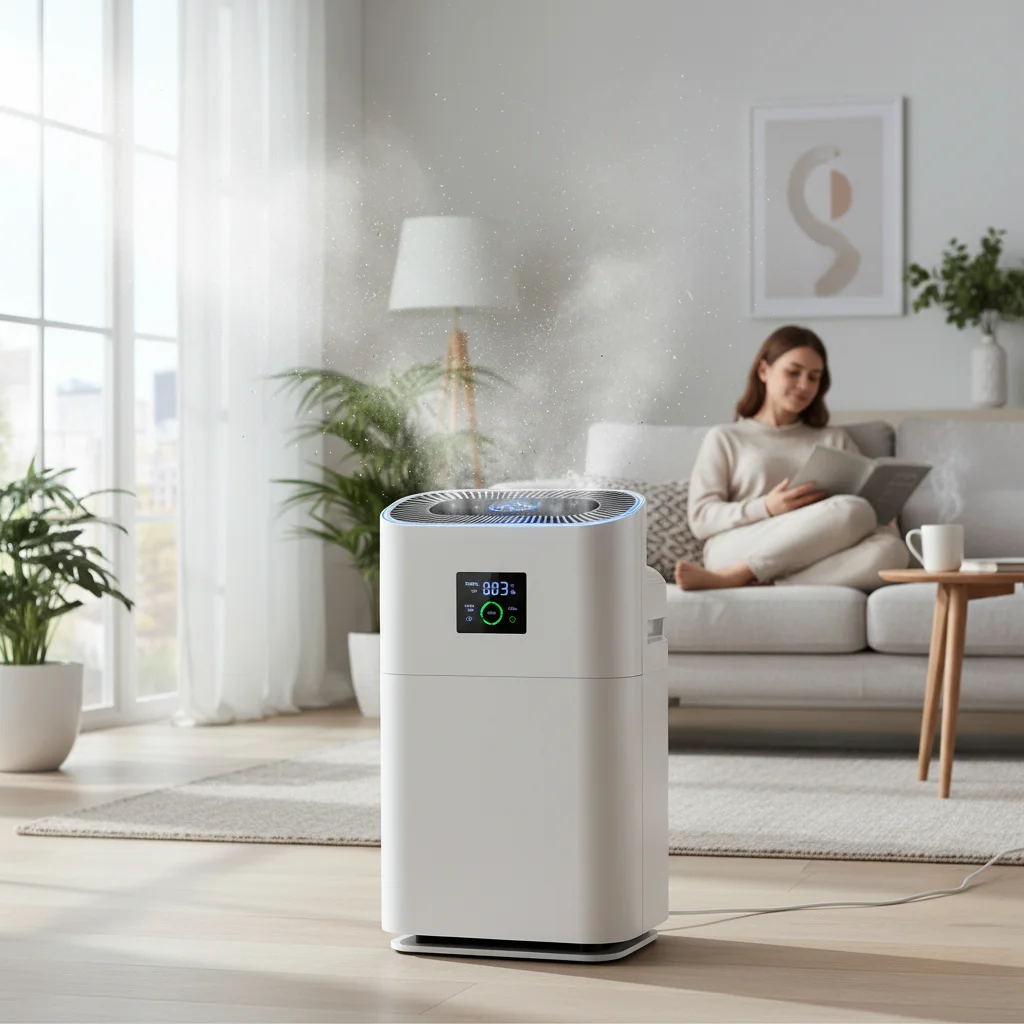
Air Purifier Allergy Reduction: Achieving 90% Cleaner Indoor Air by 2026
In an increasingly conscious world, the quality of the air we breathe indoors has become a paramount concern. For millions of individuals, indoor air quality isn’t just about comfort; it’s about health, especially for those who suffer from allergies and asthma. The goal of achieving significant air purifier allergy reduction, specifically aiming for 90% cleaner air by 2026, is not merely aspirational but entirely attainable with the right knowledge and technology. This comprehensive guide will delve into the science behind indoor allergens, the mechanisms of air purification, and how to select the ideal system to transform your living environment into a sanctuary of clean air.
The Invisible Threat: Understanding Indoor Allergens
Before we can effectively combat indoor allergens, it’s crucial to understand what they are and how they impact our health. Indoor allergens are microscopic particles that can trigger allergic reactions in sensitive individuals. These culprits often include:
- Dust Mites: These tiny creatures thrive in warm, humid environments, feasting on dead skin cells. Their waste products are potent allergens.
- Pet Dander: Flakes of skin, saliva, and urine from pets (not just fur) contain proteins that cause allergic reactions.
- Pollen: While primarily an outdoor allergen, pollen can easily enter homes through open windows, doors, and on clothing, settling on surfaces.
- Mold Spores: Mold grows in damp areas and releases spores that can trigger respiratory issues and allergic reactions.
- Cockroach Allergens: Similar to dust mites, their droppings and decaying bodies are significant allergen sources, particularly in urban environments.
- Volatile Organic Compounds (VOCs): Emitted from paints, cleaning supplies, furniture, and building materials, VOCs can irritate respiratory systems and exacerbate allergy symptoms.
Exposure to these allergens can lead to a range of symptoms, including sneezing, runny nose, itchy eyes, skin rashes, and for asthmatics, severe breathing difficulties. Long-term exposure can even contribute to the development of chronic respiratory conditions. This underscores the critical need for effective air purifier allergy reduction strategies.
The Science of Clean Air: How Air Purifiers Work
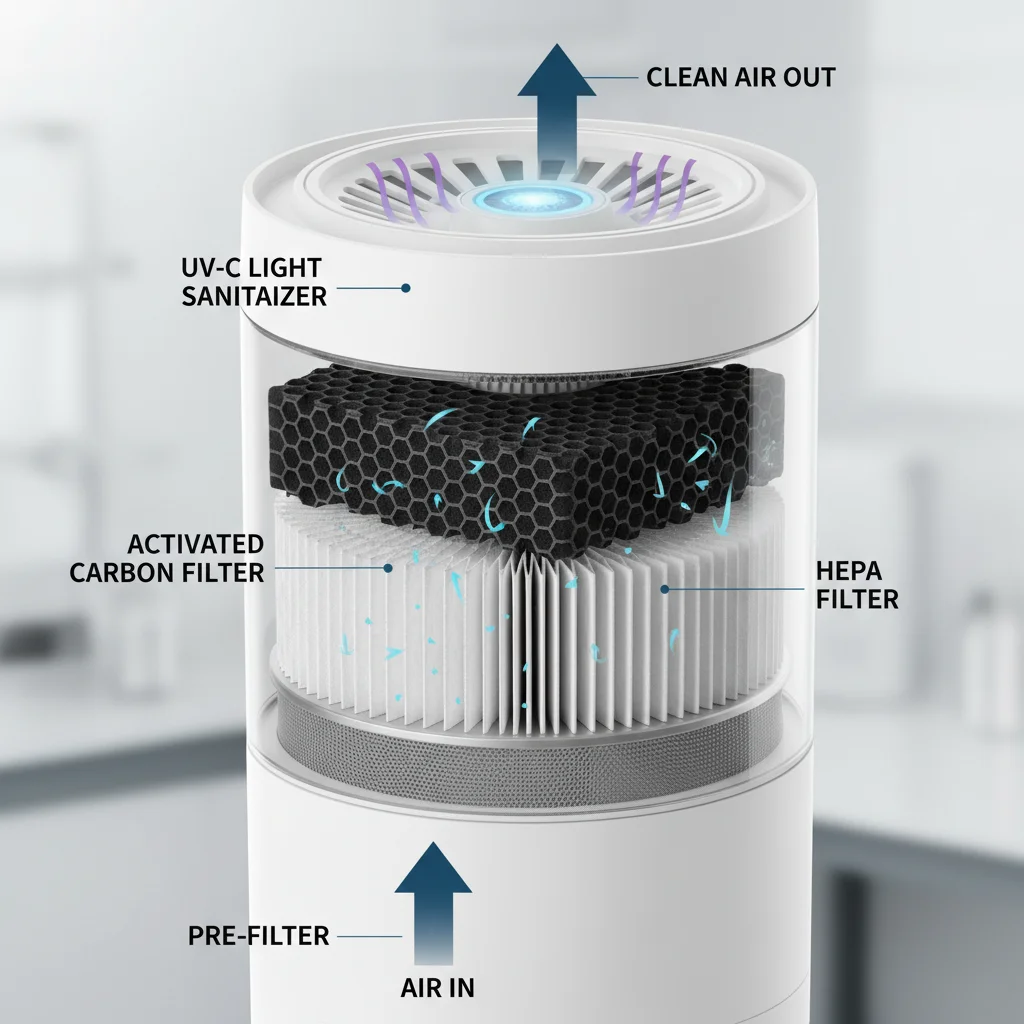
Air purifiers are designed to remove contaminants from the air, thereby improving indoor air quality. While various technologies exist, most effective air purifiers for allergy reduction employ a multi-stage filtration process.
Key Air Purification Technologies for Allergy Sufferers:
-
HEPA Filters (High-Efficiency Particulate Air):
The cornerstone of effective air purifier allergy reduction, HEPA filters are mechanical air filters that work by forcing air through a fine mesh that traps harmful particles. True HEPA filters are certified to capture at least 99.97% of airborne particles 0.3 microns in size, which includes dust mites, pet dander, pollen, mold spores, and even some bacteria and viruses. This is the gold standard for allergen removal.
-
Activated Carbon Filters:
These filters are highly porous and excel at adsorbing gases, odors, and VOCs. While they don’t capture particulate matter like HEPA filters, they are crucial for eliminating the chemical irritants and unpleasant smells that can exacerbate allergy symptoms and contribute to poor indoor air quality. A robust activated carbon filter is essential for comprehensive air purifier allergy reduction.
-
Pre-filters:
Often the first line of defense, pre-filters capture larger particles like hair, lint, and larger dust particles. This protects the more delicate HEPA and activated carbon filters, extending their lifespan and maintaining the overall efficiency of the air purifier.
-
UV-C Light (Ultraviolet Germicidal Irradiation):
Some air purifiers incorporate UV-C lamps to destroy microorganisms like bacteria, viruses, and mold spores by damaging their DNA. While not directly removing allergens, it can neutralize biological contaminants that contribute to indoor air quality issues and potential health problems.
-
Ionizers and Electrostatic Precipitators:
These technologies work by charging particles in the air, causing them to stick to charged plates within the unit or to other surfaces in the room. While effective, some ionizers can produce ozone, a lung irritant, so it’s important to choose models that are certified ozone-free if considering this technology for air purifier allergy reduction.
Choosing the Right Air Purifier for 90% Allergy Reduction by 2026
Achieving a 90% reduction in indoor allergens requires a strategic approach to selecting an air purifier. Here are the critical factors to consider:
1. Room Size and CADR (Clean Air Delivery Rate):
The CADR rating indicates how quickly an air purifier can clean a room of a specific size. It measures the volume of filtered air delivered by an air purifier, usually in cubic feet per minute (CFM). For optimal air purifier allergy reduction, you want a CADR that is appropriate for your room’s square footage. Aim for a CADR that can cycle the air in your room at least 4-5 times per hour. A higher CADR means faster and more effective cleaning.
- Calculation Tip: To estimate the required CADR, multiply the room’s square footage by 0.67 (for 4 air changes per hour) or 0.83 (for 5 air changes per hour).
2. Filter Type and Quality:
As discussed, a true HEPA filter is non-negotiable for allergen removal. Ensure the product specifies ‘True HEPA’ and not just ‘HEPA-type’ or ‘HEPA-like,’ which may not meet the 99.97% efficiency standard. An activated carbon filter is also crucial for gas and odor removal, which can contribute to allergy symptoms. The quality and thickness of these filters directly impact the effectiveness of air purifier allergy reduction.
3. Noise Level:
Air purifiers operate continuously, so noise level is an important consideration, especially for bedrooms or quiet living spaces. Look for models with a low decibel (dB) rating, particularly on lower fan settings. Many modern purifiers offer a ‘sleep mode’ for ultra-quiet operation.
4. Energy Efficiency:
Since air purifiers run for extended periods, energy consumption matters. Look for ENERGY STAR certified models, which are designed to be more energy-efficient, saving you money on electricity bills while contributing to continuous air purifier allergy reduction.
5. Features and Smart Technology:
- Air Quality Sensors: Many advanced purifiers come with sensors that detect airborne particles and automatically adjust fan speed to maintain optimal air quality. This ensures efficient and responsive air purifier allergy reduction.
- Filter Replacement Indicators: These alerts take the guesswork out of maintenance, ensuring your filters are always working effectively.
- Timers and Auto Modes: Allow for convenient scheduling and hands-free operation.
- Smart Home Integration: Some models can connect to Wi-Fi, allowing control via smartphone apps or voice assistants, offering greater convenience and monitoring capabilities.
6. Maintenance and Running Costs:
Consider the cost and availability of replacement filters. Filters need to be changed regularly (typically every 6-12 months for HEPA and carbon filters, depending on usage and air quality) to maintain optimal performance. Neglecting filter replacement will severely diminish your air purifier allergy reduction efforts.
Beyond the Purifier: Holistic Strategies for Allergy Reduction
While an air purifier is a powerful tool, it’s most effective when integrated into a broader strategy for indoor allergen control. To truly achieve 90% air purifier allergy reduction and cleaner air by 2026, consider these complementary practices:
1. Regular Cleaning:
- Vacuum with HEPA Filter: Use a vacuum cleaner equipped with a HEPA filter to trap allergens in carpets and upholstery, preventing them from recirculating into the air.
- Dust with Damp Cloths: Dry dusting can stir up allergens. Use a damp cloth to capture dust effectively.
- Wash Bedding Frequently: Wash sheets, pillowcases, and blankets in hot water (at least 130°F / 54°C) weekly to kill dust mites.
2. Humidity Control:
Dust mites and mold thrive in high humidity. Maintain indoor humidity levels between 30% and 50% using a dehumidifier in damp areas like basements, bathrooms, and kitchens. This significantly hinders the proliferation of these common allergens, boosting your air purifier allergy reduction efforts.
3. Pet Management:
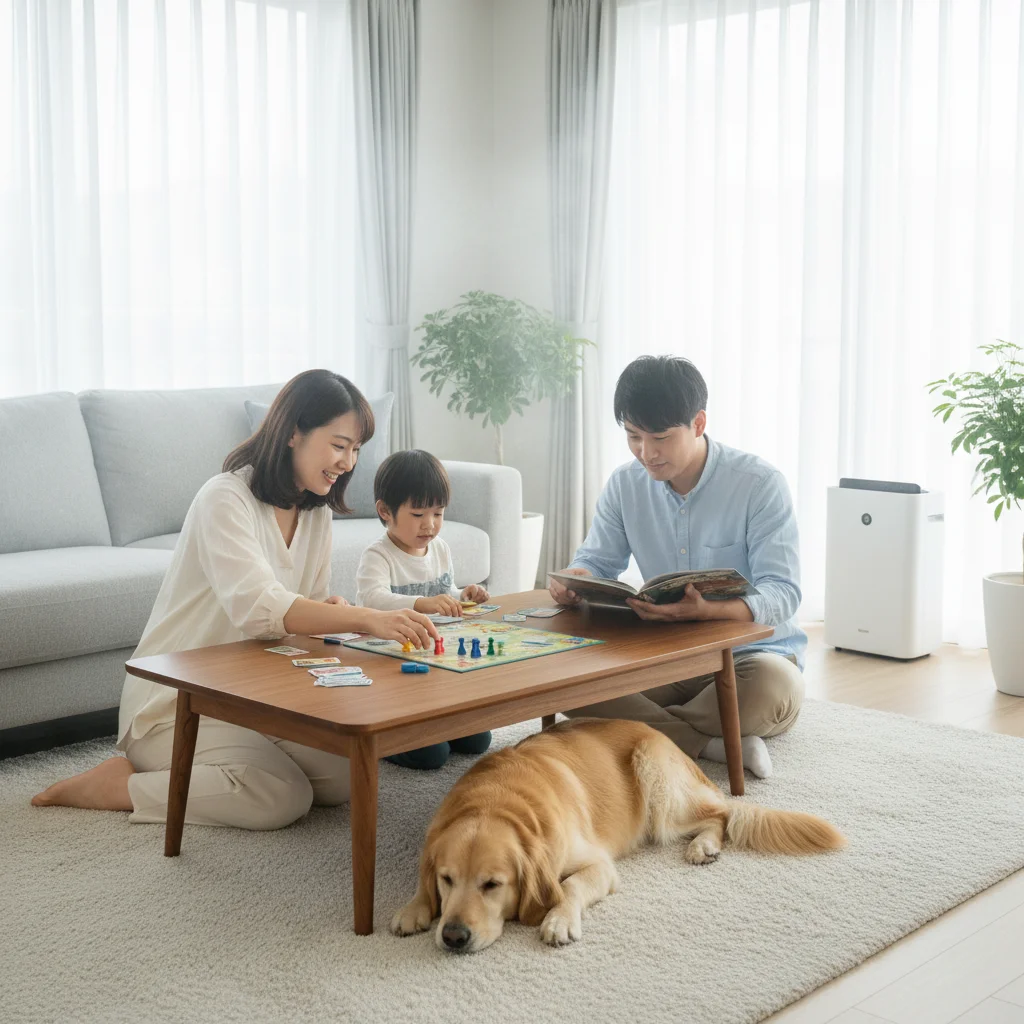
If you have pets, bathe them regularly, and keep them out of bedrooms. Frequent vacuuming and using an air purifier specifically for pet dander are essential. Consider hypoallergenic breeds if you’re planning on getting a new pet and have severe allergies.
4. Control Pollen Entry:
During high pollen seasons, keep windows and doors closed. Change clothes after coming indoors and shower to remove pollen from hair and skin. A good air purifier will capture any pollen that inevitably makes its way inside.
5. Address Mold Issues:
Fix any leaks or water damage promptly. Clean mold with a bleach solution or commercial mold remover. For extensive mold, professional remediation may be necessary. An air purifier can help capture airborne mold spores, but addressing the source is paramount.
6. Limit VOCs:
Choose low-VOC paints, cleaning products, and furniture. Ventilate your home well when using products that emit strong fumes. An activated carbon filter in your air purifier will help neutralize these chemicals, contributing to overall air purifier allergy reduction.
The Future of Allergy Relief: Innovations in Air Purification
The landscape of air purification is constantly evolving, with new technologies promising even greater efficiency in air purifier allergy reduction. By 2026, we can expect to see wider adoption of:
- Enhanced Sensor Technology: More precise detection of a wider range of pollutants, including specific allergen types, allowing for highly targeted purification.
- AI and Machine Learning: Air purifiers that learn your home’s air quality patterns and adjust proactively, optimizing performance and energy use.
- Advanced Filtration Materials: Development of new filter media that can capture even smaller particles or offer self-cleaning capabilities.
- Integrated Home Systems: Seamless integration of air purification with HVAC systems and smart home platforms for whole-house air quality management.
- Sustainable and Eco-Friendly Designs: Focus on recyclable materials, longer-lasting filters, and lower energy consumption to minimize environmental impact.
These innovations will make achieving 90% air purifier allergy reduction not just a goal, but a standard expectation for healthy indoor living.
Realizing 90% Air Purifier Allergy Reduction by 2026: A Practical Roadmap
To put this into practice, here’s a step-by-step roadmap to achieving a significant reduction in indoor allergens:
- Assess Your Needs: Identify the primary allergens in your home (e.g., pet dander, dust mites, pollen). Consider the size of the rooms that need purification.
- Research and Select: Based on your room sizes and specific allergen concerns, research air purifiers with appropriate CADR ratings, true HEPA filters, and activated carbon filters. Read reviews and compare features.
- Strategic Placement: Place air purifiers in the rooms where you spend the most time, such as bedrooms and living areas. For maximum effectiveness, place them away from walls and furniture to allow for optimal airflow.
- Consistent Operation: Run your air purifier continuously, especially during peak allergy seasons or when allergens are likely to be high (e.g., after vacuuming, or when pets are active).
- Regular Maintenance: Adhere strictly to the manufacturer’s recommendations for filter replacement. Clean pre-filters as advised. This is perhaps the most overlooked aspect of maintaining effective air purifier allergy reduction.
- Implement Complementary Strategies: Combine your air purifier with the holistic cleaning, humidity control, and allergen management practices outlined above.
- Monitor and Adjust: If your air purifier has air quality sensors, monitor the readings. If you still experience significant allergy symptoms, re-evaluate your setup. You might need additional units, higher CADR, or to address specific allergen sources more aggressively.
The Health Benefits of Clean Air
Achieving significant air purifier allergy reduction goes far beyond just alleviating sneezes. Cleaner indoor air contributes to:
- Improved Respiratory Health: Reduced exposure to allergens and pollutants means fewer allergy symptoms, less asthma flare-ups, and healthier lungs.
- Better Sleep Quality: Waking up with a stuffy nose or itchy eyes can disrupt sleep. Clean air promotes more restful sleep.
- Enhanced Cognitive Function: Studies suggest that better indoor air quality can improve concentration and productivity by reducing fatigue and discomfort caused by poor air.
- Reduced Risk of Illness: By filtering out airborne viruses and bacteria, air purifiers can help reduce the spread of airborne illnesses within the home.
- Overall Well-being: A fresh, clean indoor environment contributes to a greater sense of comfort, calm, and general well-being for all occupants.
Conclusion: Breathing Easier, Living Healthier
The journey to 90% air purifier allergy reduction by 2026 is an achievable and worthwhile endeavor. By understanding the sources of indoor allergens, investing in the right air purification technology, and adopting a holistic approach to home air quality management, you can significantly transform your living space. The benefits extend beyond mere symptom relief, impacting your overall health, comfort, and quality of life. Make the informed choices today to breathe easier and live healthier tomorrow, creating an indoor environment where clean air isn’t a luxury, but a standard.