Cut Home Energy Bills: 5 Hacks to Save 15% by 2026
5 Home Energy Hacks to Save 15% on Utility Bills by December 2026: A Practical Guide for US Households
Are you tired of seeing your utility bills steadily climb? In today’s economic climate, finding ways to save money is more important than ever. The good news is that significant savings on your home energy costs are within reach. By implementing a few strategic home energy hacks, you can realistically aim to reduce your utility bills by a substantial 15% by December 2026. This isn’t just about minor adjustments; it’s about adopting smart, sustainable practices that benefit both your wallet and the environment. This comprehensive guide will walk US households through five powerful strategies to achieve this goal, providing practical advice, actionable steps, and insights into how these changes can make a real difference.
The journey to a more energy-efficient home might seem daunting, but it’s a series of manageable steps. From understanding your current energy consumption to making informed upgrades, each hack builds upon the last, creating a cumulative effect that leads to impressive savings. We’ll delve into everything from simple behavioral changes to smart technology investments, ensuring there’s a solution for every budget and lifestyle. Get ready to transform your home into an energy-saving powerhouse and enjoy the comfort of lower monthly expenses.
Understanding Your Energy Footprint: The First Step to Savings
Before you can effectively implement any home energy hacks, you need to understand where your energy is going. Many homeowners are surprised to learn that heating and cooling often account for the largest portion of their utility bills, sometimes as much as 50-70%. Water heating, lighting, and appliances also contribute significantly. Without this baseline understanding, it’s difficult to prioritize your efforts and measure the impact of your changes.
Conducting a Home Energy Audit
A home energy audit is the best way to get a clear picture of your energy consumption. You can perform a DIY audit or hire a professional. A DIY audit involves systematically checking for drafts around windows and doors, inspecting insulation in your attic and walls, and identifying energy-guzzling appliances. Professional auditors use specialized equipment like thermographic cameras and blower doors to pinpoint hidden air leaks and insulation deficiencies that might be invisible to the naked eye. Many utility companies offer free or low-cost energy audits, so it’s worth checking with your provider.
During an audit, pay attention to:
- Insulation Levels: Is your attic, wall, and floor insulation adequate for your climate?
- Air Leaks: Are there drafts around windows, doors, electrical outlets, and plumbing penetrations?
- HVAC System Efficiency: How old is your furnace or air conditioner? When was it last serviced?
- Appliance Usage: Which appliances are constantly drawing power, even when not in use (phantom loads)?
- Water Heater Settings: Is your water heater set to an unnecessarily high temperature?
Once you have a clear understanding of your home’s energy weaknesses, you can strategically apply the following home energy hacks to maximize your savings.
Home Energy Hack 1: Seal the Deal – Eliminate Drafts and Improve Insulation
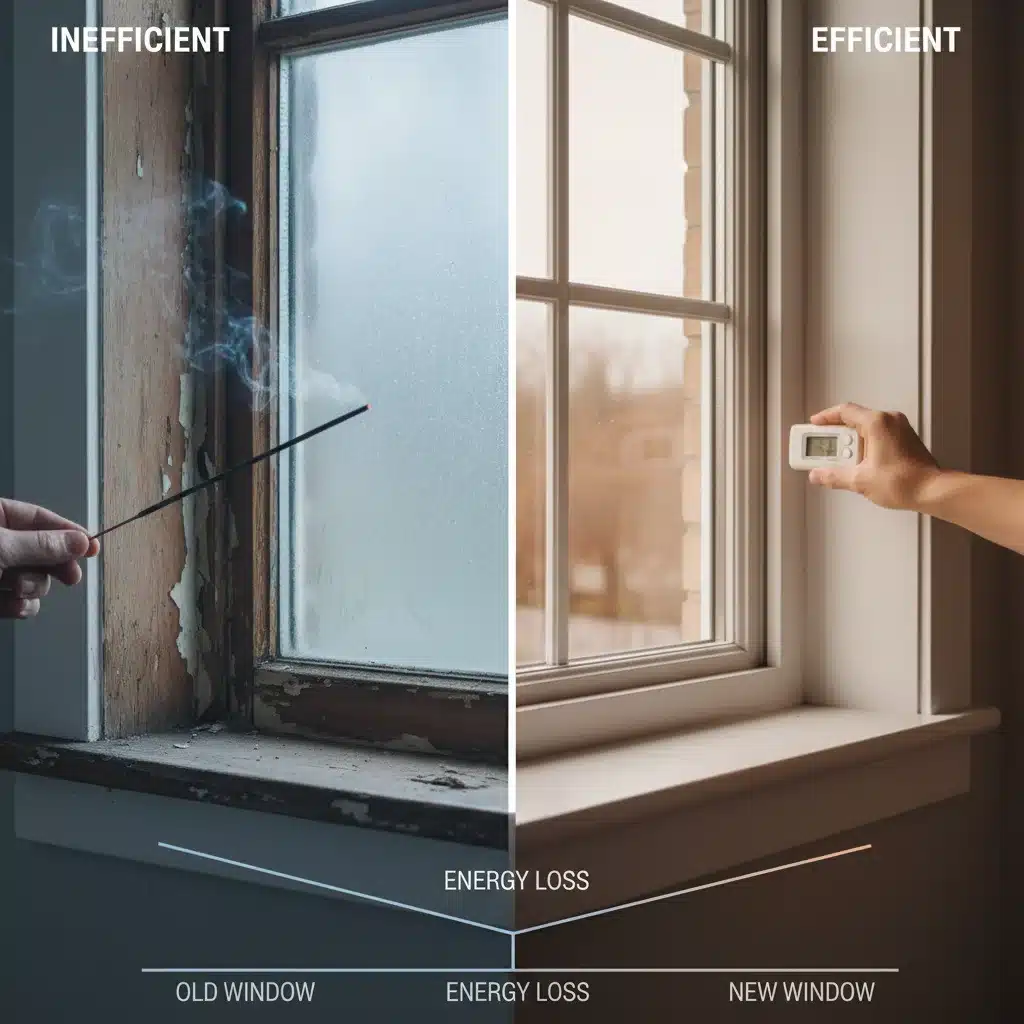
One of the most impactful yet often overlooked home energy hacks is sealing air leaks and enhancing your home’s insulation. Air leakage can account for 25-40% of the energy used for heating and cooling, essentially letting your conditioned air escape and outside air seep in. Improving insulation acts as a thermal barrier, keeping your home warmer in winter and cooler in summer. These two measures work hand-in-hand to create a more comfortable and energy-efficient living space.
Targeting Air Leaks
Start by identifying common culprits for air leaks:
- Windows and Doors: Use caulk for stationary gaps and weatherstripping for movable parts. This is a low-cost, high-impact fix.
- Electrical Outlets and Light Switches: Install foam gaskets behind outlet and switch plates on exterior walls.
- Attic Hatch/Access: Weatherstrip and insulate the attic hatch to prevent heat transfer.
- Plumbing and Wiring Penetrations: Seal gaps around pipes and wires where they enter and exit walls, floors, and ceilings using caulk or expanding foam.
- Fireplace Dampers: Ensure your fireplace damper is closed when not in use. Consider an inflatable chimney balloon for unused fireplaces.
These small fixes can add up to significant savings. A comprehensive sealing effort ensures that the air you pay to heat or cool stays inside your home, reducing the workload on your HVAC system.
Boosting Your Home’s Insulation
Insulation is measured by its R-value, which indicates its resistance to heat flow. The recommended R-value varies by climate zone, but generally, more is better. Focus on these areas:
- Attic Insulation: This is often the easiest and most cost-effective place to add insulation. Many older homes have insufficient attic insulation. Aim for an R-value between R-38 and R-60, depending on your climate.
- Wall Insulation: Adding insulation to existing walls can be more complex, often requiring professional help to blow in insulation without removing drywall. However, if you’re undertaking a renovation, it’s an ideal time to upgrade.
- Floor Insulation: If you have unheated crawl spaces or basements, insulating the floor above can prevent heat loss.
- Ductwork Insulation: Insulating exposed ductwork, especially in unconditioned spaces like attics or crawl spaces, prevents significant energy loss from your heating and cooling system.
Investing in better insulation and sealing air leaks is a foundational home energy hack that provides year-round comfort and consistent savings on your utility bills. It’s a long-term investment that pays dividends.
Home Energy Hack 2: Smart Thermostat Implementation and Optimization
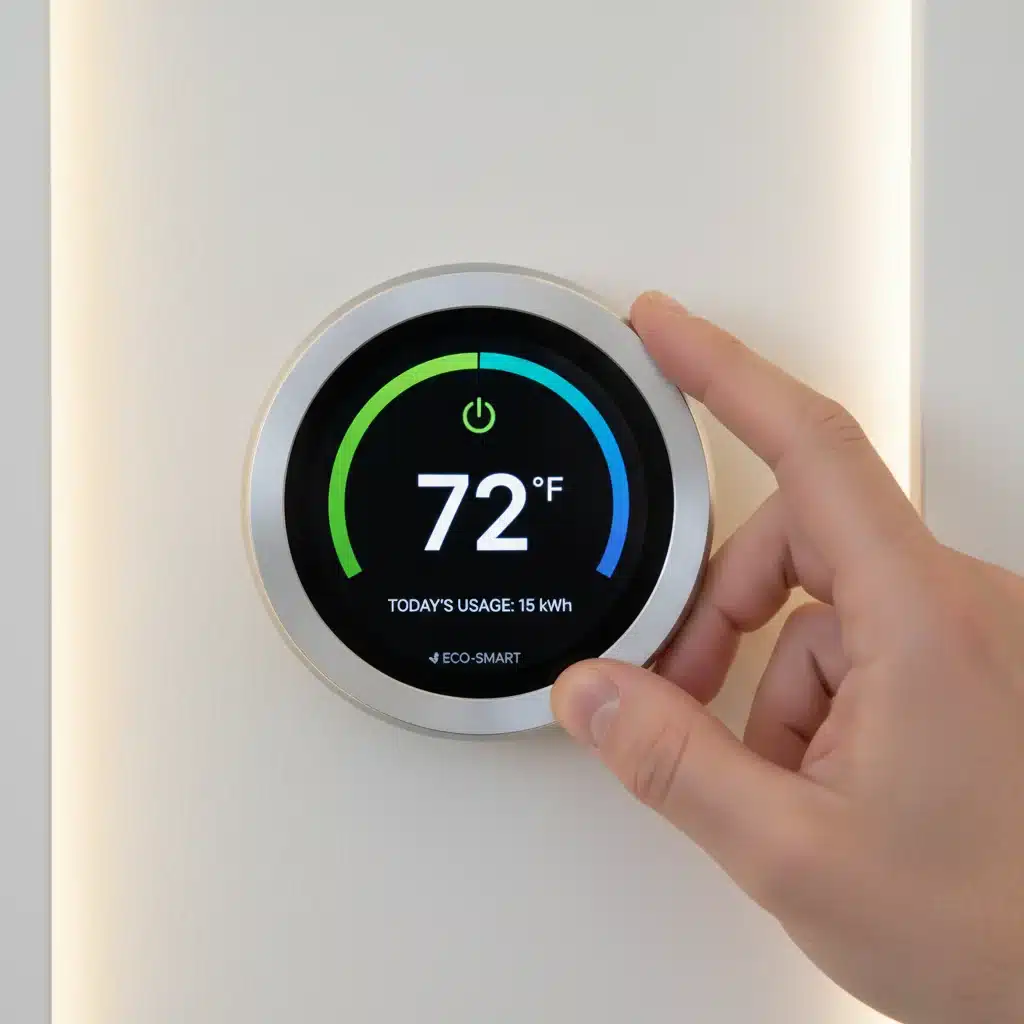
Upgrading to a smart thermostat is one of the most popular and effective home energy hacks available today. These devices go beyond simple programmable thermostats, offering advanced features that learn your habits, connect to your Wi-Fi, and allow for remote control. The key to maximizing savings with a smart thermostat lies in both its installation and intelligent optimization.
The Power of Smart Thermostats
Smart thermostats offer several advantages:
- Learning Capabilities: Many models learn your schedule and temperature preferences, automatically adjusting settings to optimize comfort and energy use.
- Remote Control: Adjust your home’s temperature from anywhere using your smartphone, ensuring you’re not heating or cooling an empty house.
- Geofencing: Some smart thermostats use your phone’s location to detect when you’re leaving or approaching home, adjusting the temperature accordingly.
- Energy Reports: Gain insights into your energy consumption patterns, helping you identify opportunities for further savings.
- Integration with Smart Home Systems: Seamlessly connect with other smart devices for a fully integrated home automation experience.
Optimizing Your Smart Thermostat Settings
Simply installing a smart thermostat isn’t enough; you need to use it wisely. Here are optimization tips:
- Set Schedules: Even with learning capabilities, setting a basic schedule for when you’re home, away, and asleep provides a strong foundation for energy savings.
- Away Mode: Utilize the ‘away’ feature or geofencing to automatically set back the temperature when no one is home.
- Seasonal Adjustments: Fine-tune your settings with the changing seasons. A comfortable winter temperature might be 68°F (20°C) when home and lower when asleep or away. In summer, aim for 78°F (26°C) when home and higher when away.
- Avoid Drastic Changes: Resist the urge to crank the thermostat up or down dramatically. This doesn’t heat or cool your home faster and can waste energy. Gradual adjustments are more efficient.
- Leverage Energy Reports: Regularly review the energy reports provided by your smart thermostat app. These insights can highlight peak usage times and suggest further adjustments.
A smart thermostat, when properly utilized, can significantly reduce your heating and cooling costs, making it one of the most effective home energy hacks for modern households. The initial investment is quickly recouped through ongoing savings.
Home Energy Hack 3: Embrace LED Lighting and Unplug Phantom Loads
While heating and cooling dominate energy consumption, lighting and electronics also contribute to your utility bills. Two straightforward home energy hacks in this category involve upgrading your lighting to LEDs and diligently eliminating phantom loads (also known as vampire power).
The Brilliance of LED Lighting
If you haven’t already, switching to LED (Light Emitting Diode) lighting is a no-brainer. LEDs are vastly more energy-efficient and longer-lasting than traditional incandescent or even CFL bulbs.
- Energy Efficiency: LEDs use up to 90% less energy than incandescent bulbs and last 15-25 times longer. This translates to significant savings on your electricity bill and less frequent bulb replacements.
- Longevity: An LED bulb can last for tens of thousands of hours, meaning you might not need to replace it for a decade or more.
- Versatility: LEDs come in various shapes, sizes, and color temperatures, suitable for every room and mood. Smart LEDs can even be controlled remotely and change colors.
- Immediate Savings: While the upfront cost of an LED bulb might be slightly higher, the energy savings start immediately and quickly offset the purchase price.
Gradually replace your old bulbs with LEDs, starting with the lights you use most frequently. This simple change is one of the easiest home energy hacks to implement and offers immediate returns.
Conquering Phantom Loads
Many electronic devices continue to draw power even when turned off or in standby mode. This ‘phantom load’ or ‘vampire power’ can account for 5-10% of your household’s electricity consumption. Devices like TVs, computers, phone chargers, coffee makers, and game consoles are common culprits.
To combat phantom loads:
- Unplug Devices: The most direct method is simply to unplug devices when not in use. This is particularly effective for chargers and infrequently used appliances.
- Smart Power Strips: These strips detect when a device is turned off or in standby and cut power to that outlet. Some have a ‘master’ outlet, where turning off the master device (e.g., your TV) will automatically power down connected peripherals (e.g., sound system, DVD player).
- Timer Outlets: Use timer outlets for devices that only need to be on during specific hours, like a coffee maker or a router that can be turned off overnight.
- Energy Star Appliances: When purchasing new electronics or appliances, look for the Energy Star label. These products are designed to be more energy-efficient, often with lower standby power consumption.
Making a conscious effort to eliminate phantom loads, combined with upgrading to LED lighting, provides a powerful one-two punch in your quest to reduce your overall electricity consumption and achieve your 15% savings goal with these effective home energy hacks.
Home Energy Hack 4: Optimize Water Heating and Appliance Usage
Water heating is typically the second-largest energy consumer in a US household, and inefficient appliance usage can quietly inflate your bills. Addressing these areas with targeted home energy hacks can lead to substantial savings.
Smart Water Heating Strategies
Reducing the energy used for heating water doesn’t necessarily mean taking cold showers. Here’s how to optimize:
- Lower Thermostat Temperature: Most water heaters are factory-set to 140°F (60°C), but 120°F (49°C) is usually sufficient for most households and can save you 6-10% on your water heating costs. This also reduces the risk of scalding.
- Insulate Your Water Heater: If your water heater tank is warm to the touch, it’s losing heat. An insulating blanket (available at hardware stores) can reduce standby heat loss by 25-45%, saving you 4-9% on water heating costs.
- Insulate Hot Water Pipes: Insulating the first six feet of hot and cold water pipes connected to the water heater can reduce heat loss and raise water temperature by 2-4°F, allowing for a lower water heater thermostat setting.
- Use Low-Flow Fixtures: Install low-flow showerheads and faucet aerators. These reduce the amount of hot water used without sacrificing pressure, leading to direct savings on water heating.
- Consider a Tankless Water Heater: If your water heater is old and needs replacement, a tankless (on-demand) water heater heats water only when needed, potentially saving 24-34% on water heating costs for an average family.
Efficient Appliance Usage
Your major appliances are designed to make life easier, but using them inefficiently can rack up energy costs. Apply these home energy hacks to your appliance routine:
- Laundry Habits: Wash clothes in cold water whenever possible (modern detergents are very effective). Always wash full loads. Clean the lint filter in your dryer before every load to improve efficiency and reduce drying time. Consider air-drying clothes when feasible.
- Dishwasher Practices: Only run your dishwasher when it’s full. Use the air-dry setting instead of the heated dry cycle, or simply open the door after the wash cycle to air dry.
- Refrigerator/Freezer Care: Ensure your refrigerator and freezer doors seal tightly (check by closing the door on a dollar bill – if it pulls out easily, the seal needs attention). Keep coils clean for optimal efficiency. Don’t overfill or underfill your freezer; a full freezer runs more efficiently.
- Cooking Smarter: Use the right-sized pan for your burner. Keep lids on pots to retain heat. Use microwaves or toaster ovens for smaller meals, as they are generally more energy-efficient than a full-sized oven.
- Energy Star Appliances: When it’s time to replace an old appliance, prioritize Energy Star certified models. They are designed to be more energy-efficient than conventional models, saving you money in the long run.
By implementing these strategies for water heating and appliance use, you’ll see a noticeable dip in your utility bills, contributing significantly to your goal of 15% savings by December 2026.
Home Energy Hack 5: Harness Natural Energy and Implement Behavioral Changes
Some of the most effective home energy hacks don’t require expensive gadgets or major renovations. Instead, they leverage natural resources and focus on simple behavioral adjustments that, when consistently applied, can lead to substantial savings.
Maximizing Natural Light and Ventilation
Your home’s design often provides opportunities to reduce reliance on artificial lighting and air conditioning:
- Daylighting: Open blinds and curtains during the day to let in natural light. This reduces the need for electric lights and can also provide passive solar heating in winter.
- Strategic Window Use: In cooler months, open south-facing curtains during the day to let sunlight warm your home, and close them at night to retain heat. In warmer months, keep curtains and blinds closed during the hottest parts of the day to block solar gain and reduce the need for AC.
- Natural Ventilation (Cross-Ventilation): On cooler days or evenings, open windows on opposite sides of your house to create a cross-breeze, naturally cooling your home and reducing AC usage. Use ceiling fans to enhance air circulation.
- Landscaping: Plant deciduous trees on the south and west sides of your home. They provide shade in the summer, reducing cooling costs, and allow sunlight through in the winter after their leaves fall, aiding passive heating.
Cultivating Energy-Saving Habits
Consistency in energy-saving behaviors is crucial. Encourage everyone in your household to adopt these practices:
- Turn Off Lights: Make it a habit to turn off lights when leaving a room, even if you’ll be back in a few minutes.
- Dress for the Season: Instead of immediately adjusting the thermostat, dress appropriately for the weather. Wear warmer clothes indoors in winter and lighter clothing in summer.
- Minimize Hot Water Use: Take shorter showers. Don’t let the water run while brushing your teeth or washing dishes.
- Regular HVAC Maintenance: Schedule annual professional tune-ups for your heating and cooling system. A well-maintained system runs more efficiently. Replace air filters every 1-3 months; a dirty filter significantly reduces efficiency.
- Seasonal Home Prep: Before winter, ensure windows and doors are sealed, and check your furnace. Before summer, have your AC unit serviced and ensure vents are clear.
These behavioral home energy hacks might seem small individually, but their cumulative effect over months and years is substantial. They cost nothing to implement and foster a mindset of energy consciousness that benefits both your budget and the planet.
Putting It All Together: Your Path to 15% Savings by December 2026
Achieving a 15% reduction in your utility bills by December 2026 is an ambitious yet entirely attainable goal for US households committed to implementing these home energy hacks. It requires a combination of smart investments, diligent maintenance, and consistent behavioral changes. Here’s a brief recap and a suggested action plan:
Recap of Your Home Energy Hacks:
- Seal the Deal: Prioritize air sealing and insulation upgrades.
- Smart Thermostat: Install and optimize a smart thermostat for efficient heating and cooling.
- LEDs & Unplugging: Switch to LED lighting and eliminate phantom loads.
- Water & Appliance Optimization: Lower water heater temperature, insulate, and use appliances efficiently.
- Natural Energy & Habits: Maximize natural light/ventilation and adopt energy-saving behaviors.
Your Action Plan:
- Month 1-3: Assess and Seal. Conduct a home energy audit. Focus on low-cost, high-impact fixes like caulking, weatherstripping, and adding foam gaskets. Start replacing frequently used incandescent bulbs with LEDs.
- Month 4-6: Smart Tech & Water. Install a smart thermostat and begin optimizing its settings. Lower your water heater temperature and consider an insulating blanket.
- Month 7-12: Insulation & Appliance Habits. If your audit revealed significant insulation gaps, plan and execute attic insulation upgrades. Become diligent about unplugging phantom loads and optimizing appliance usage.
- Year 2 Onward: Maintain and Refine. Continue regular HVAC maintenance, replace air filters, and consistently practice energy-saving behaviors. Look for further opportunities, such as upgrading to Energy Star appliances when old ones fail or exploring solar options if your budget allows.
Remember that some utility companies offer rebates and incentives for energy-efficient upgrades, so always check with your local provider before making significant investments. Government programs may also be available. These resources can significantly reduce the upfront cost of implementing these home energy hacks.
By taking a proactive approach and consistently applying these strategies, you’ll not only see a substantial reduction in your utility bills, but you’ll also contribute to a more sustainable future and enjoy a more comfortable home environment. Start your journey today and look forward to celebrating your 15% savings by December 2026!